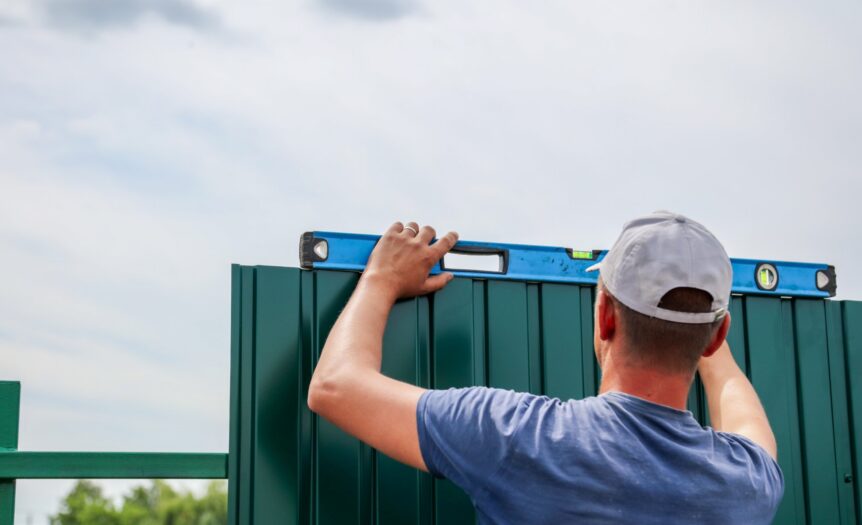
Fence work looks simple from the street. On the jobsite, quality depends on layout control, soil conditions, tool choice, hardware handling, and steady crew habits.
Small mistakes can create big problems by the end of a run. Better tools help crews improve fence installation quality through cleaner measurements and stronger connections.
Layout Tools That Keep the Fence Line Straight
A strong installation starts before any post enters the ground. Crews need a clear line and correct spacing to install a neat, successful fence. String lines give a simple visual guide across long runs. Bright mason line works well because crews can spot movement fast.
Laser levels help crews handle elevation changes with less guesswork. They also reduce layout errors on sloped yards and uneven commercial sites. Marking paint and flags keep the layout visible after equipment starts moving. Crews should mark posts, gates, corners, and utility zones with clear colors. A measuring wheel speeds up long runs and helps confirm takeoffs on site.
Digging Tools That Improve Post Placement
Post holes need the right depth, width, and alignment. Poor holes create leaning posts and weak sections. Manual post hole diggers still work for small jobs and tight access areas. They give crews control near landscaping and structures.
Gas augers help crews move faster on longer fence runs. A clean auger bit also creates more consistent holes. Skid steer auger attachments support high production on large sites. Crews should match bit size to post diameter and soil type.
Digging bars help break roots, clay, and compacted fill. They also help crews clear loose material from the bottom of holes. Hole depth markers give crews a simple quality check.
Leveling And Alignment Tools For Strong Posts
Post alignment drives the final appearance of the fence. Crooked posts make even good materials look poorly installed. Post levels help crews check two sides at the same time. This tool saves steps and supports faster adjustments before backfill.
Bracing tools keep posts steady while concrete sets. Scrap lumber works in many cases when crews secure it firmly.
Plumb checks should happen before and after backfill. Soil movement and tamping can shift a post after the first adjustment. Crews improve fence installation quality when alignment checks become routine. A fast check at each post prevents a slow repair later.
Concrete And Tamping Tools That Add Stability
A fence depends on the ground connection. Weak backfill or rushed concrete work can shorten the life of the installation.
Mixing tubs help crews control water content on small jobs. Too much water weakens the mix and creates settling problems.
Wheelbarrows help move concrete to multiple holes without waste. They also keep mix handling organized across larger sites. Tamping bars compact soil around posts when concrete does not apply. This matters for agricultural fencing and some temporary installations.
Concrete vibrators can help on heavy posts and deep footings. They reduce air pockets when crews use them correctly.
Cutting Tools for Clean Material Prep
Fence materials need accurate cuts. Rough cuts create poor fit and extra strain during assembly.
Circular saws with the right blade help crews cut wood rails and pickets cleanly. Sharp blades reduce splintering and save time.
Reciprocating saws handle demolition and quick trimming. Crews often use specialty metal blades for steel cutting. Bolt cutters help trim chain link fabric and cut some hardware. Proper sizing matters because undersized cutters damage tools and slow progress.
Angle grinders support metal fence work and gate adjustments. Crews need guards, steady footing, and proper wheels for each material.
Finally, a deburring tool helps clean sharp metal edges. This small step can reduce injuries and improve the finished look.
Fastening Tools That Reduce Loose Connections
Fence strength often comes down to fasteners. Loose screws, weak staples, and poor ties create poor connections. Impact drivers help set screws with speed and control. Avoid overdriving fasteners into wood because that weakens the hold.
Fence pliers belong in nearly every fencing setup. A practical guide to fence pliers for installers can help crews match tool features to cutting, pulling, twisting, and staple work.
Staple guns support wire fence installation and some wood applications. The staple type must match the material and exposure level.
Torque tools can improve consistency on manufactured systems. They help crews avoid loose brackets and stripped hardware.
Safety Gear That Protects Work Quality
Safety tools also affect quality. Injured hands, tired eyes, and poor footing lead to mistakes.
Gloves help protect against splinters, sharp wire, and rough metal. The right glove should allow grip and finger movement. Crews should understand general hand protection for workers before choosing gloves for cutting, handling wire, and setting posts.
Safety glasses matter during cutting and concrete work. Clear lenses help crews keep them on through changing light. Hearing protection helps during saw and auger work. Crews communicate better when noise control becomes part of the plan.
Simple Jobsite Checks That Catch Problems Early
Tools work best when crews use them with a consistent process. A short checklist can catch issues before they spread across the fence line.
Key checks should include:
- Confirm post spacing before digging
- Check utility markings before equipment use
- Verify hole depth before setting posts
- Recheck plumb after backfill
- Test gate swing before final cleanup
These checks shouldn’t have to slow down the job. They create a steady rhythm that helps crews prevent rework.
Crew leads should document unusual soil conditions and field changes. Notes help explain decisions and support future repairs. Photos also help during quality control.
Choosing Tools for the Fence Type
No single tool setup fits every fence job. Wood, vinyl, chain link, aluminum, and agricultural fencing all demand different support.
- Wood fencing needs reliable saws and fasteners. Moisture-resistant hardware also matters in humid regions.
- Vinyl fencing needs careful layout and clean handling. Crews should use tools that prevent cracked rails and scratched surfaces.
- Chain link work needs stretchers, tension bars, cutters, and pliers. Proper tension makes the finished fence look cleaner and last longer.
- Aluminum fencing needs precise brackets and gate alignment. Crews should avoid tool marks on coated surfaces.
- Agricultural fencing often needs strong pulling tools and durable hand tools. Long runs make tension control a major quality factor.
Better Tools Support Better Habits
Fence installation tool choice helps crews apply skill with more consistency across changing job conditions. The best crews combine accurate layout, steady measurement, clean cutting, and strong fastening. They also keep safety gear close and maintain tools between jobs.
Fence installation quality improves when crews treat every step as part of the finished product. The right tools make that standard easier to meet on busy jobsites.







 Deering Estate
 Massage Envy South Miami
 Calla Blow Dry
 My Derma Clinic
 Sports Grill
 The Healthy Kitchen
 Sushi Maki
 Golden Rule Seafood
 Malanga Cuban Café


 Kathleen Ballard
 Panter, Panter & Sampedro
 Vintage Liquors
 The Dog from Ipanema
 Rubinstein Family Chiropractic
 Your Pet’s Best
 Indigo Republic
 Animal Health and Rehab
 Maurice’s Jewelers
 ATR Luxury Homes


 2112 Design Studio
 Hamilton Fox & Company
 Creative Design Services
 Best Pest Professionals
 HD Tree Services
 Trinity Air Conditioning Company
 Cisca Construction & Development
 Mosquito Joe
 Cutler Bay Solar Solutions


 Miami Royal Ballet & Dance
 Christopher Columbus
 Pineview Preschools
 Westminster
 Carrollton
 Lil’ Jungle
 Frost Science Museum
 Palmer Trinity School
 South Florida Music
 Pinecrest Orthodontics
 Dr. Bob Pediatric Dentist
 d.pediatrics


 South Miami Women’s Health
 Endodontix Dental Group
 The Spot Barbershop
 My Derma Clinic




 Miami Dance Project

 Rubinstein Family Chiropractic
 Indigo Republic

 Safes Universe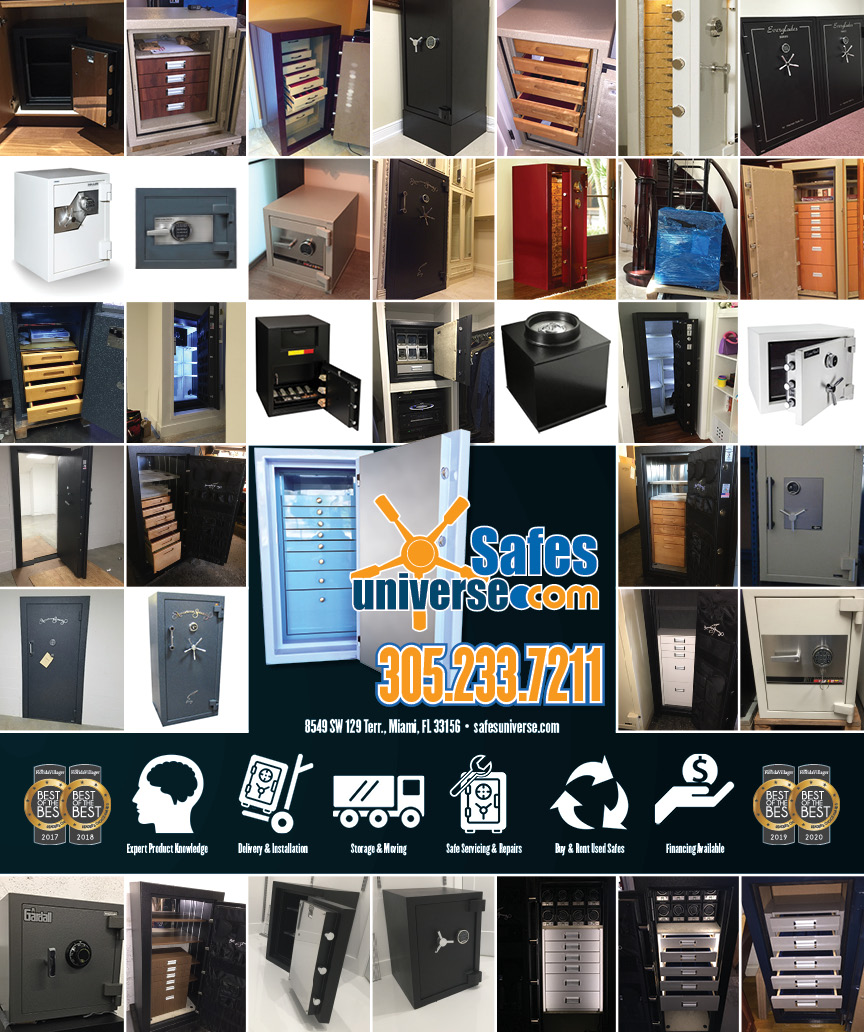
 Vintage Liquors
 Evenings Delight





 Atchana’s Homegrown Thai
 Baptist Health South Florida

 Laser Eye Center of Miami
 Visiting Angels
 OpusCare of South Florida



 Your Pet’s Best

 HD Tree Services
 Hamilton Fox & Company

 Creative Design Services