Floors experience constant wear every single day. Dirt from shoes, moving furniture, pet activity, moisture, and heavy foot traffic all slowly contribute to damage over time. Yet many homeowners focus only on cleaning routines or expensive flooring materials while overlooking the smaller preventative measures that actually preserve floors in the long run.
No matter what type of floor you have, protecting them often comes down to practical habits and overlooked home features that reduce daily stress before visible damage appears. Scratches, dents, fading, and moisture damage can become expensive problems, but many of them are preventable with the right approach.
The good news is that effective floor protection doesn’t always require major renovations or costly upgrades. Small adjustments throughout the home can make a surprisingly large difference in how floors look and perform over the years.
Entry Mats Create the First Layer of Protection
One of the most effective floor-protection tools is also one of the simplest: the entry mat.
Many people choose doormats based purely on appearance, but functionality matters just as much. A quality mat traps dirt, debris, and moisture before those materials are spread throughout the home. Tiny dirt particles may seem harmless, but they can gradually wear down flooring finishes through repeated foot traffic.
Using both outdoor and indoor mats provides better protection than relying on a single mat alone. Outdoor mats remove larger debris, while indoor mats absorb remaining moisture and finer dirt particles that would otherwise spread across the floor.
Material choice also plays a major role in long-term performance. Homeowners comparing natural and synthetic home mats often look at durability, moisture resistance, ease of cleaning, and how well different materials hold up in high-traffic areas.
A properly chosen entry mat reduces cleaning needs while helping floors maintain their finish much longer.
Furniture Pads Prevent Scratches and Dents
Furniture movement is one of the leading causes of floor damage in many homes. Chairs sliding across hardwood, couches shifting slightly over time, and heavy tables being repositioned can all leave scratches or dents behind.
Felt furniture pads provide an easy and inexpensive solution. These pads reduce friction between furniture legs and flooring surfaces, helping prevent visible damage. However, many homeowners forget to replace worn-out pads, which can eventually become rough enough to scratch floors themselves.
Different furniture may require different protective solutions:
- Felt pads for hardwood and laminate
- Rubber protectors for tile surfaces
- Wide glides for heavier furniture
- Non-slip pads to reduce unnecessary movement
Checking furniture protectors every few months helps prevent long-term wear that often goes unnoticed until the damage becomes severe.
Rugs and Runners Reduce Wear in Busy Areas
Even durable flooring materials eventually show wear in areas with constant foot traffic. Hallways, kitchens, staircases, and living room pathways often age faster than the rest of the home because they absorb repeated daily impact.
Area rugs and runners help reduce this concentrated stress while also protecting floors from spills, scratches, and dirt buildup. In addition to protecting surfaces, rugs can also improve comfort and reduce noise throughout the home.
Not all rugs are equally floor-friendly, though. Rugs with rough backings can scratch delicate flooring surfaces. Adding rug pads underneath creates an extra layer of protection while helping prevent slipping.
Rotating rugs periodically can also help floors fade and age more evenly over time.
Humidity Control Quietly Protects Hardwood Floors
Temperature and humidity fluctuations can significantly impact flooring, especially hardwood. Wood naturally expands and contracts based on moisture levels in the air.
During dry winter months, hardwood floors may shrink and develop visible gaps between boards. Excess humidity in warmer seasons can lead to swelling or cupping.
Many homeowners spend heavily on premium flooring but overlook the small habits and accessories that preserve those surfaces over time. In many cases, the most overlooked features that protect your floors are inexpensive additions like humidity control systems, entry mats, rug pads, and furniture protectors that quietly reduce wear every day.
Maintaining indoor humidity levels between 35% and 55% helps stabilize wood flooring and minimize seasonal movement. Depending on the climate, humidifiers or dehumidifiers may both play an important role in protecting flooring throughout the year.
Cleaning Tools Can Either Help or Harm Floors
Regular cleaning is essential for floor maintenance, but using the wrong tools can unintentionally cause damage over time.
Stiff-bristle brushes, abrasive scrubbers, and harsh chemical cleaners may gradually wear down protective finishes or leave scratches behind. Vacuums with worn wheels or aggressive brush rolls can also scuff hardwood and laminate flooring.
Steam mops are another commonly misunderstood cleaning tool. While they work well on certain surfaces, excessive moisture can damage some flooring materials if used incorrectly.
Safer cleaning options often include:
- Microfiber mops
- Soft vacuum attachments
- PH-balanced floor cleaners
- Damp mopping instead of soaking surfaces
Gentle, consistent cleaning habits usually preserve floors more effectively than aggressive scrubbing or excessive moisture exposure.
Sunlight Exposure Causes Long-Term Fading
Natural sunlight makes homes feel brighter and more inviting, but constant UV exposure can gradually fade flooring materials over time. Hardwood, laminate, vinyl, and carpet are all susceptible to discoloration from prolonged direct sunlight.
Large windows and glass doors often create uneven fading patterns that become noticeable after several years.
Window treatments like curtains, blinds, and UV-filtering films help reduce sun damage while still allowing natural light indoors. Rearranging rugs and furniture occasionally can also help prevent obvious color differences across flooring surfaces.
Because fading happens slowly, many homeowners don’t notice the issue until certain sections of the floor appear noticeably lighter than others.
Shoe-Free Homes Experience Less Floor Wear
Shoes bring in dirt, moisture, road salt, bacteria, and small rocks that gradually scratch and dull flooring surfaces. High heels may dent softer materials, while athletic shoes often trap abrasive debris in their soles.
Creating a shoe-free household can dramatically reduce unnecessary floor damage. Entry benches, shoe racks, and designated storage areas make the habit easier for both residents and guests.
This becomes especially important during rainy or snowy seasons when wet footwear can introduce moisture and salt that damages flooring finishes.
Combined with effective entry mats, a shoe-free policy significantly reduces the amount of debris spread throughout the home.
Pet-Friendly Features Help Prevent Damage
Pets add warmth and companionship to a home, but they can also contribute to floor wear over time. Scratches from nails, water bowl spills, pet accidents, and tracked-in dirt all place additional stress on flooring surfaces.
Several simple habits can help reduce this damage:
- Keeping nails trimmed regularly
- Using mats beneath food and water bowls
- Cleaning spills immediately
- Choosing durable rugs in pet areas
- Using pet gates in vulnerable spaces
Pet owners often focus on cleaning visible messes while overlooking the gradual wear caused by repeated scratching and moisture exposure.
Preventative habits make a major difference in maintaining floors without limiting comfort for pets.
Organization Helps Reduce Accidental Damage
Cluttered homes often create more opportunities for floor damage. Heavy storage bins dragged across floors, overloaded baskets, and constantly moved furniture can all contribute to scratches and dents.
Smart storage solutions help reduce unnecessary movement and friction. Storage benches, shelving units, rolling carts with rubber wheels, and soft-bottom baskets all help protect flooring while improving organization.
An organized space not only looks cleaner but also reduces accidental wear caused by shifting heavy household items across flooring surfaces.
Small Preventative Habits Have the Biggest Impact
Many homeowners assume floor protection requires expensive upgrades or constant maintenance. In reality, long-term protection usually comes from small, consistent habits that reduce wear before damage becomes visible.
Removing shoes indoors, using rugs strategically, maintaining proper humidity, cleaning gently, and protecting furniture legs all work together to extend the life of flooring materials.
At the end of the day, the most overlooked features that protect your floors are often the simplest ones. Small preventative measures may not seem important at first, but they quietly preserve flooring quality, reduce repair costs, and help homes stay cleaner and more comfortable over time.
With a thoughtful combination of practical habits and protective features, homeowners can keep their floors looking newer and performing better for many years.





 Deering Estate
 Massage Envy South Miami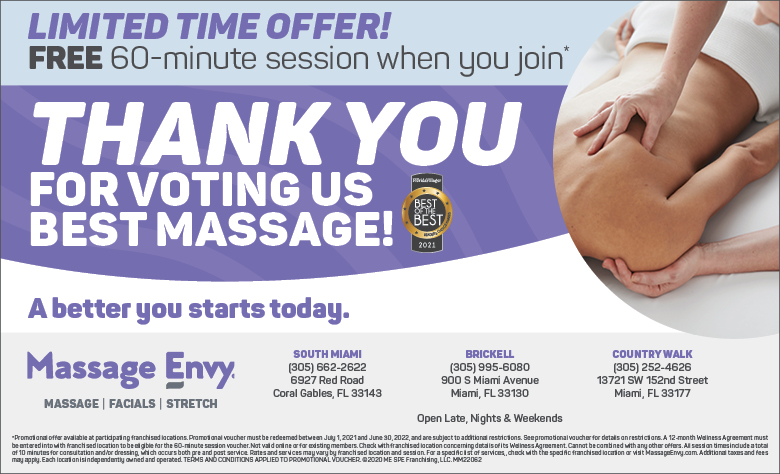
 Calla Blow Dry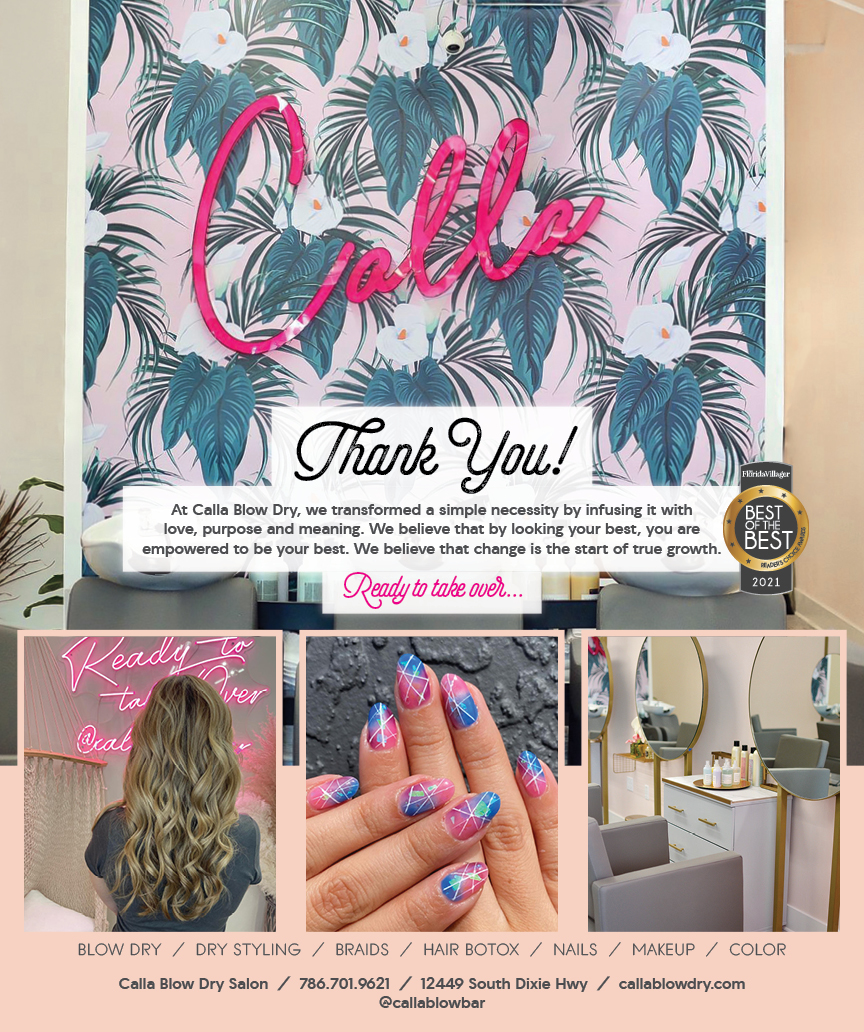
 My Derma Clinic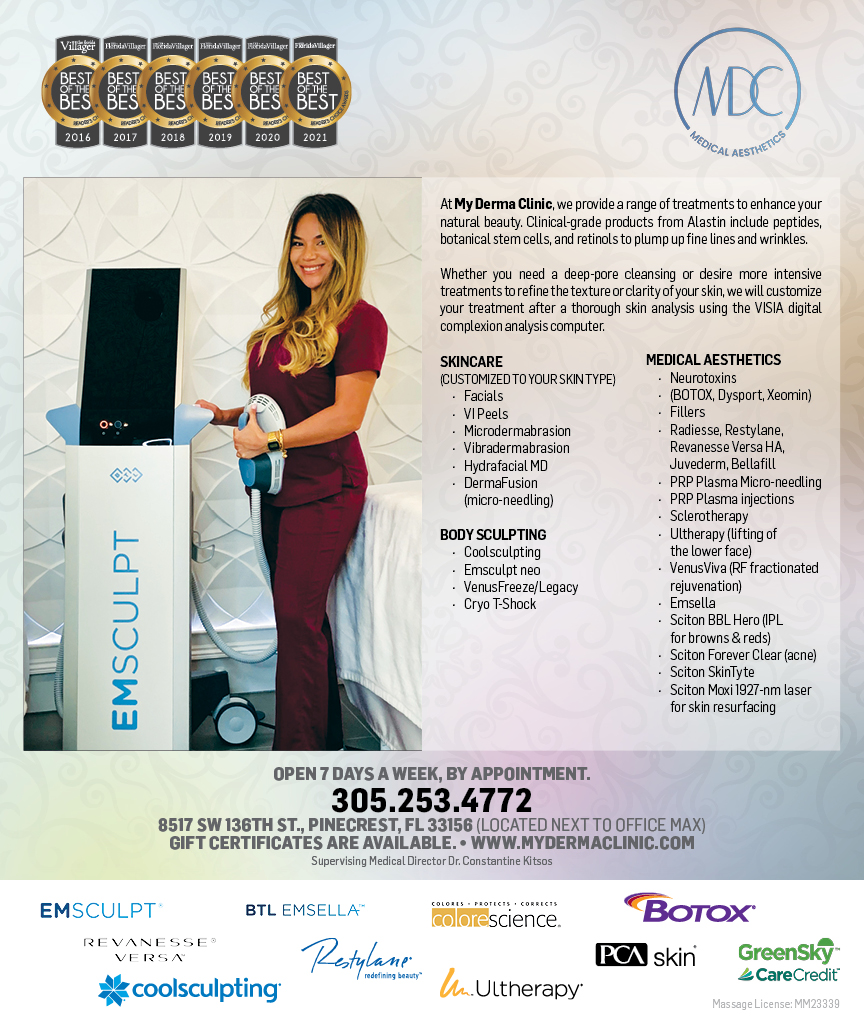
 Sports Grill
 The Healthy Kitchen
 Sushi Maki
 Golden Rule Seafood
 Malanga Cuban Café


 Kathleen Ballard
 Panter, Panter & Sampedro
 Vintage Liquors
 The Dog from Ipanema
 Rubinstein Family Chiropractic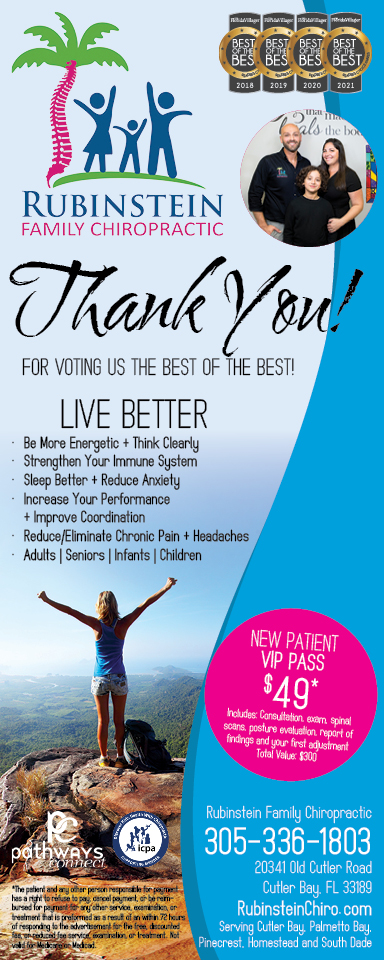
 Your Pet’s Best
 Indigo Republic
 Animal Health and Rehab
 Maurice’s Jewelers
 ATR Luxury Homes

 2112 Design Studio
 Hamilton Fox & Company
 Creative Design Services
 Best Pest Professionals
 HD Tree Services
 Trinity Air Conditioning Company
 Cisca Construction & Development
 Mosquito Joe
 Cutler Bay Solar Solutions


 Miami Royal Ballet & Dance
 Christopher Columbus
 Pineview Preschools
 Westminster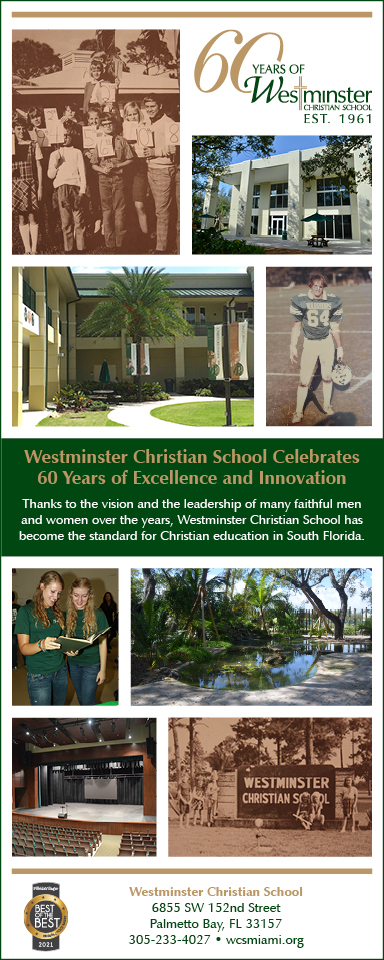
 Carrollton
 Lil’ Jungle
 Frost Science Museum
 Palmer Trinity School
 South Florida Music
 Pinecrest Orthodontics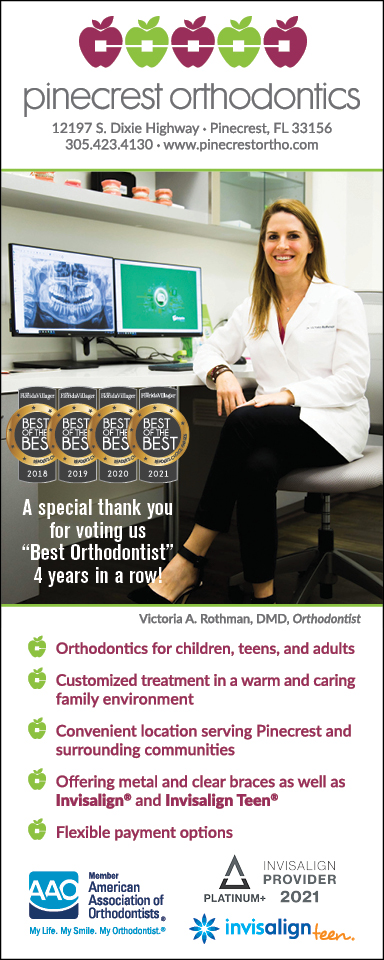
 Dr. Bob Pediatric Dentist
 d.pediatrics


 South Miami Women’s Health
 Endodontix Dental Group
 The Spot Barbershop
 My Derma Clinic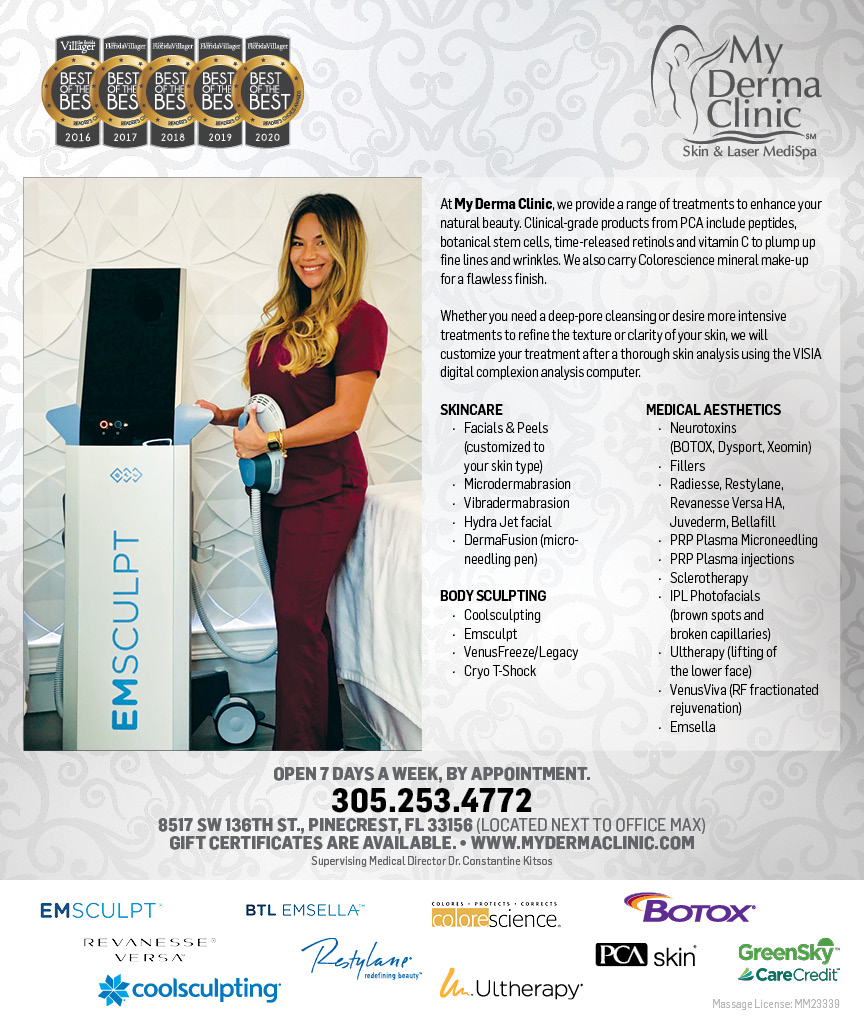



 Miami Dance Project

 Rubinstein Family Chiropractic
 Indigo Republic

 Safes Universe
 Vintage Liquors
 Evenings Delight





 Atchana’s Homegrown Thai
 Baptist Health South Florida

 Laser Eye Center of Miami
 Visiting Angels
 OpusCare of South Florida



 Your Pet’s Best

 HD Tree Services
 Hamilton Fox & Company

 Creative Design Services