
A chocolate shop feels magical from the customer’s side. People walk in, smell cocoa and sugar, and picture ribbons, gift boxes, and effortless delight. Behind the counter, the work looks more like a tight dance between craft and logistics. You juggle temperature, timing, ingredients, staffing, and customer expectations, often all in the same hour.
Most problems do not show up as dramatic disasters. They arrive as small pressures that stack up and steal margin, time, and consistency. When you learn the typical trouble spots, you can spot them early and keep the shop steady through busy seasons and slow stretches. These are the typical problems a chocolate shop can encounter.
Heat and Humidity Issues
Chocolate never stops responding to its environment. A warm storefront, a sunlit display case, or a humid back room can push chocolate beyond its comfort zone. You might see softened pieces, dulled shine, sticky surfaces, or warped decorations.
Many shops fight a constant battle with air conditioning that works great for people but not for confectionery. Even small swings in temperature can derail a production day. When the room warms up, your cooling time stretches. When humidity climbs, sugar pulls moisture from the air, and textures change quickly. A shop that tracks temperature and humidity like a baker tracks oven heat gains an advantage customers never notice but always taste.
Bloom Problems
Fat bloom and sugar bloom turn glossy chocolates dull, streaky, or dusty. Customers often read bloom as staleness, even when the flavor still holds. Bloom also hurts gift sales because people shop with their eyes first.
You can trigger bloom through sloppy tempering, storage swings, or condensation. A team can temper well in the morning and still watch pieces lose their finish later if the shop cools down too quickly or warms up near closing. Many owners also underestimate how quickly condensation forms when staff move boxes between cool storage and a warmer sales floor. Good chocolate needs stable conditions and habits that prevent sudden changes.
Tempering Troubles
Tempering sits at the center of chocolate production. When tempering drifts, the entire day shifts with it. Truffles lose their snap. Shells stick in molds. Coatings turn thick and stubborn. Decorations crack.
A shop can run into tempering trouble for simple reasons. A new staff member stirs too aggressively. Someone adds untempered chocolate to the bowl without thinking. A batch sits too long while the phone rings and customers crowd the register. Tempering machines help, but they still require attention and careful handling. Clear routines, strong training, and a calm workflow keep your temper on your side.
Bad Ingredient Quality
Chocolate starts with cocoa, dairy, sugar, nuts, and flavorings. Suppliers can shift crop sources, adjust grind profiles, or discontinue products. A cocoa harvest can tighten supply. A dairy provider can change butterfat levels. A nut supplier can deliver a roast that tastes sharper than last month’s.
Those shifts can alter texture and flavor enough for loyal customers to notice. A ganache can set more softly. A caramel can cook faster. A bar can taste flatter. Shops that keep detailed production notes can adjust faster because staff can compare today’s batch to last month’s and correct before the case fills with inconsistent product.
Allergen Obstacles
Many chocolate shops work with nuts, dairy, soy lecithin, gluten ingredients, and sometimes sesame. Customers increasingly ask specific questions, and they deserve confident answers. A shop also needs habits that reduce cross-contact in real daily conditions.
The hardest part comes from the pace. Staff scoop almonds, wipe a counter, then pipe ganache. A busy Saturday invites shortcuts. A shop that separates tools, schedules production in smart order, and labels containers clearly can handle allergens with less stress. A shop that relies on memory and good intentions invites costly mistakes and painful customer experiences.
Shelf Life Challenges
Freshness drives repeat business, but chocolate has real limits. Ganache, cream fillings, and fruit components shorten shelf life quickly. A shop that fills the case for visual abundance can end up discounting products or tossing them out.
Seasonal demand makes the problem sharper. You might sell out every day during Valentine’s Week and then watch traffic dip sharply in March. You can manage that swing with tighter batch sizes, flexible menus, and a solid plan to rotate stock. Customers love variety, but they also love a shop that never offers yesterday’s peak.
Packaging Struggles
Packaging protects quality and sells the experience. Boxes need sturdy corners. Inserts need the right fit. Wrapping needs to retain heat and block moisture. Labels need accurate ingredient information and clean branding.
Small packaging issues ripple outward. A lid that pops open leads to messy returns. A sticker that peels ruins the presentation. A box that crushes in a bag turns a gift into an apology. Shops often spend years perfecting recipes, then treat packaging like an afterthought. Smart owners test packaging under real-world conditions, including warm cars, crowded shopping bags, and long days on the counter.
Equipment Breakdowns
Chocolate shops rely on machines that seem loyal until they fail. Tempering machines clog. Refrigeration runs warm. Air conditioners quit during a heat wave. Enrobers drift out of alignment. Even small tools, like immersion blenders and digital scales, can fail at the wrong moment.
Preventive care saves sanity. Regular cleaning, calibration checks, and spare parts keep a shop running when the calendar turns hectic. Shops that keep backup thermometers, extra bowls, and a second scale can keep production flowing while repairs are underway. Those small redundancies protect revenue on the busiest days.
Staffing and Training Difficulties
Chocolate work looks simple until someone tries it. Staff need fine motor control, patience, and respect for sanitation. They also need customer service skills, because gift buyers often arrive stressed and short on time.
Turnover can hit hard in small shops. When a trained chocolatier leaves, product quality can wobble. When a seasonal hire struggles, the whole team slows. A shop that documents processes, trains with clear checkpoints, and builds a culture that values craft can grow talent instead of chasing it.
Online Order Risks
Online sales expand reach, but they also add complexity. Customers expect quick shipping updates, flawless packaging, and perfect arrival conditions. A chocolate shop also needs to manage fraud checks, address errors, and customer service messages that arrive at all hours.
Order volume can spike overnight after a social media post or holiday feature. If the shop does not plan capacity, online success can strain in-store service. A good system sets realistic lead times, limits the daily order count when needed, and keeps product lists aligned with what the kitchen can produce.
Shipping Worries
When you sell beyond the storefront, you take responsibility for the journey. Shipping the chocolate correctly means you match packaging to season, destination, and carrier conditions. Insulated liners, ice packs, packing methods, and ship dates all matter.
A shop also needs clear policies. Customers want delivery before a birthday or an event. Carriers miss scans. Heat waves happen. You can reduce complaints by communicating shipping windows, choosing smart cutoff times, and holding warm-weather orders when conditions look risky. When the process works, customers trust the shop enough to reorder and recommend it.
Cash Flow and Seasonality Concerns
Chocolate shops often live on holiday peaks. Valentine’s Day, Easter, Mother’s Day, and the winter gift season can carry the year. That pattern creates a cash flow puzzle. You pay rent and payroll in slow months, then buy ingredients and packaging in bulk before busy months.
You can protect the business through careful forecasting and controlled growth. Limited-time collections, corporate gifting, and subscription boxes can smooth revenue. Wholesale partnerships can help, too, but they require consistency and margins that still work. A shop that understands seasonality can plan rather than react.
A Shop That Plans Stays Sweet
Every chocolate shop encounters challenges. The successful ones treat problems as signals, not surprises. They monitor temperature and inventory, train staff carefully, keep equipment clean, and respect how chocolate responds to time and weather. They also protect the customer experience, because people come to a chocolate shop for comfort and joy.
When you face the typical challenges head-on, you keep the magic intact. You also build a business that can handle the rush, recover from the slow weeks, and keep customers excited for the next box of something special.







 Deering Estate
 Massage Envy South Miami
 Calla Blow Dry
 My Derma Clinic
 Sports Grill
 The Healthy Kitchen
 Sushi Maki
 Golden Rule Seafood
 Malanga Cuban Café


 Kathleen Ballard
 Panter, Panter & Sampedro
 Vintage Liquors
 The Dog from Ipanema
 Rubinstein Family Chiropractic
 Your Pet’s Best
 Indigo Republic
 Animal Health and Rehab
 Maurice’s Jewelers
 ATR Luxury Homes


 2112 Design Studio
 Hamilton Fox & Company
 Creative Design Services
 Best Pest Professionals
 HD Tree Services
 Trinity Air Conditioning Company
 Cisca Construction & Development
 Mosquito Joe
 Cutler Bay Solar Solutions


 Miami Royal Ballet & Dance
 Christopher Columbus
 Pineview Preschools
 Westminster
 Carrollton
 Lil’ Jungle
 Frost Science Museum
 Palmer Trinity School
 South Florida Music
 Pinecrest Orthodontics
 Dr. Bob Pediatric Dentist
 d.pediatrics


 South Miami Women’s Health
 Endodontix Dental Group
 The Spot Barbershop
 My Derma Clinic




 Miami Dance Project

 Rubinstein Family Chiropractic
 Indigo Republic

 Safes Universe
 Vintage Liquors
 Evenings Delight





 Atchana’s Homegrown Thai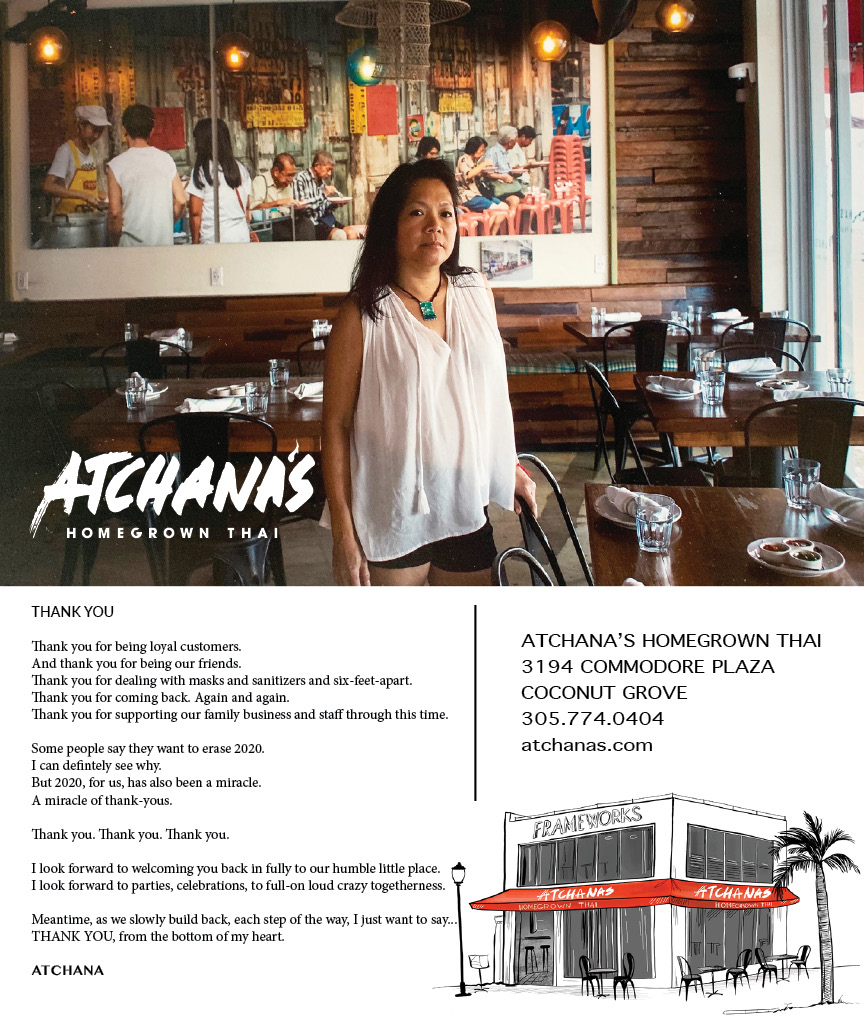
 Baptist Health South Florida

 Laser Eye Center of Miami
 Visiting Angels
 OpusCare of South Florida



 Your Pet’s Best

 HD Tree Services
 Hamilton Fox & Company

 Creative Design Services