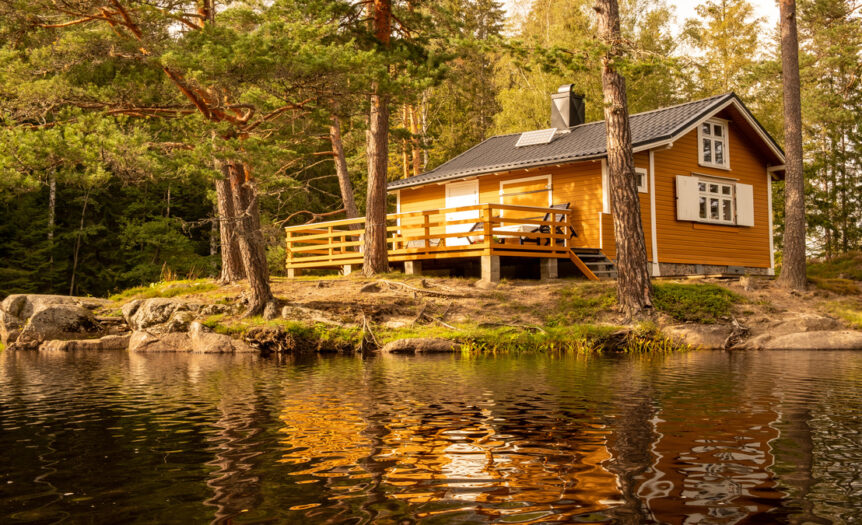
Living in a house in the woods surrounded by nature offers a peaceful and rewarding experience unlike any other. The quiet mornings, fresh air, and beautiful scenery provide a constant connection to the outdoors.
However, you must prepare for the realities of woodland living to make the most of this unique lifestyle. Review these five tips for living in a house in a forest to thrive in your new environment.
Embrace the Local Wildlife
One of the greatest joys of forest living is sharing your space with animals. You might see deer grazing at dawn or hear owls calling at night.
Respect their presence by keeping a safe distance and never leaving food out, which can attract unwanted attention and disrupt natural behaviors. Learning about the local fauna will deepen your appreciation for the ecosystem you now call home and help you coexist peacefully.
Prepare for Pests
Although you appreciate the presence of deer and birds, other smaller creatures will also be your neighbors. Pests often look for warmth and shelter, especially as the seasons change.
This makes it essential to learn about rodents and products that keep them from moving indoors. You’ll protect your new home and ensure it stays comfortable and safe.
Manage Your Property Wisely
Maintaining a property in the woods requires a different approach than a suburban yard. You need to be mindful of fire safety by clearing brush, dead trees, and dry leaves away from your house.
This practice, known as creating defensible space, is crucial for protecting your home. Regular gutter cleaning is also essential to prevent water damage and stop debris from building up, which can attract insects.
Plan for Power Outages
Another important tip for living in a house in a forest is to expect power outages. Living in a forested area often means you are more susceptible to them, especially during storms that can bring down trees and power lines.
It’s smart to be prepared with items that can help you better cope with outages, such as flashlights, canned food, and water. Many forest dwellers invest in a generator to power essential appliances like refrigerators and heaters during an extended outage, ensuring comfort and safety.
Get to Know Your Surroundings
Take the time to explore the area around your home. Familiarize yourself with local trails, landmarks, and potential hazards such as steep terrain or poisonous plants.
Knowing your surroundings will enhance your enjoyment of the forest and keep you safe when you venture out. A good map and a compass, or a reliable GPS device, are valuable tools for any woodland explorer.
Making your home in a forest is an incredible adventure that brings you closer to the natural world. By taking these practical steps, you can ensure your experience is both safe and enjoyable. Embracing the challenges and rewards of this lifestyle will make your house in the woods truly feel like home.








 Deering Estate
 Massage Envy South Miami
 Calla Blow Dry
 My Derma Clinic
 Sports Grill
 The Healthy Kitchen
 Sushi Maki
 Golden Rule Seafood
 Malanga Cuban Café


 Kathleen Ballard
 Panter, Panter & Sampedro
 Vintage Liquors
 The Dog from Ipanema
 Rubinstein Family Chiropractic
 Your Pet’s Best
 Indigo Republic
 Animal Health and Rehab
 Maurice’s Jewelers
 ATR Luxury Homes


 2112 Design Studio
 Hamilton Fox & Company
 Creative Design Services
 Best Pest Professionals
 HD Tree Services
 Trinity Air Conditioning Company
 Cisca Construction & Development
 Mosquito Joe
 Cutler Bay Solar Solutions


 Miami Royal Ballet & Dance
 Christopher Columbus
 Pineview Preschools
 Westminster
 Carrollton
 Lil’ Jungle
 Frost Science Museum
 Palmer Trinity School
 South Florida Music
 Pinecrest Orthodontics
 Dr. Bob Pediatric Dentist
 d.pediatrics


 South Miami Women’s Health
 Endodontix Dental Group
 The Spot Barbershop
 My Derma Clinic




 Miami Dance Project

 Rubinstein Family Chiropractic
 Indigo Republic

 Safes Universe
 Vintage Liquors
 Evenings Delight





 Atchana’s Homegrown Thai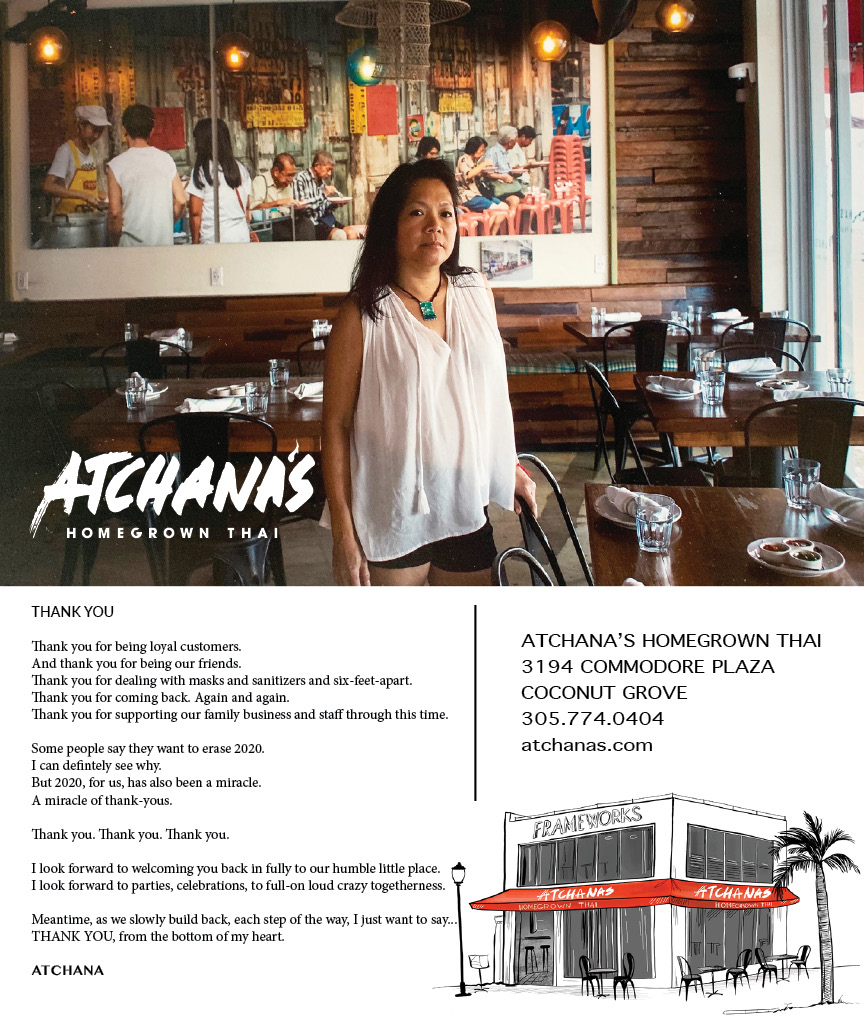
 Baptist Health South Florida

 Laser Eye Center of Miami
 Visiting Angels
 OpusCare of South Florida



 Your Pet’s Best

 HD Tree Services
 Hamilton Fox & Company

 Creative Design Services