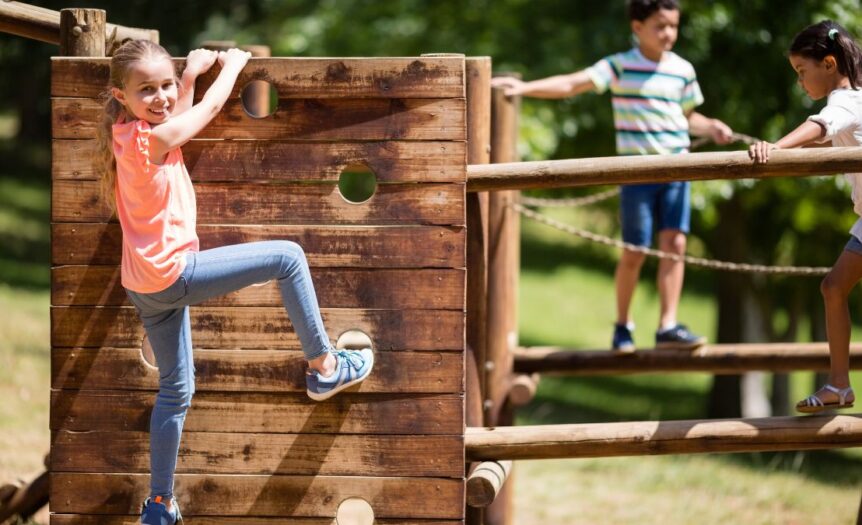
Playdates give children valuable opportunities to build friendships, develop social skills, and burn off energy in a fun environment. However, organizing a successful playdate requires more than simply inviting another child over.
Planning the perfect playdate starts with understanding what makes these gatherings work. Whether you’re hosting at your Miami home or meeting at a local park, it’s possible to create memorable moments for the kids while giving parents peace of mind.
Choose the Right Setting and Time
The location and timing of your playdate can determine its success. Consider your child’s energy levels throughout the day and schedule accordingly. Many children do their best in the late morning or early afternoon when they’re well-rested but still active.
For the setting, you have several options depending on the weather and your space. Your backyard offers privacy and convenience, while South Florida’s beautiful parks provide room to run and explore. Indoor spaces work well during Miami’s hot summer afternoons or rainy seasons.
Communicate With Other Parents
Strong communication between parents creates a foundation for successful playdates. Reach out to the other parents before the playdate to discuss any important details. Share information about allergies, dietary restrictions, and any behavioral concerns. Ask about the child’s interests so you can plan appropriate activities.
Discuss pickup and drop-off times to avoid confusion. Exchange phone numbers so you can stay in touch during the playdate if needed. If your child plays outdoors on equipment like swing sets, mention your swing set safety tips for parents, including rules about taking turns and appropriate use.
This conversation also gives you a chance to establish boundaries about screen time, snacks, and house rules. Clear communication prevents misunderstandings and helps both families feel comfortable with the arrangement.
Prepare Activities and Snacks
Children thrive when they have engaging activities and tasty treats during playdates. Plan a mix of structured activities and free play to keep kids entertained. Craft projects, board games, and outdoor activities like scavenger hunts provide fun options that encourage interaction. Keep backup activities ready in case the children lose interest, or the weather changes your plans.
For snacks, choose simple, kid-friendly options that accommodate common allergies. Fresh fruit, crackers, cheese, and juice boxes satisfy most children. Avoid overly sugary treats that might lead to hyperactivity.
Keep snacks light so they don’t spoil dinner. Have water readily available, especially important in Florida’s warm climate. Set up a designated snack area to minimize mess and make cleanup easier later.
Supervise While Encouraging Independence
Finding the right balance between supervision and independence helps children develop social skills and stay safe. Stay nearby and check in regularly, but give kids space to navigate their interactions. Watch for signs of conflict or exclusion and step in when necessary to guide problem-solving.
Younger children need more direct oversight, while older kids can handle more autonomy. Teach children to respect each other’s belongings and take turns with toys. When conflicts arise, use them as teaching moments for communication and compromise.
Your presence provides security while allowing children to build confidence in their social abilities. Planning the perfect play date ultimately means creating an environment where friendships can flourish naturally.








 Deering Estate
 Massage Envy South Miami
 Calla Blow Dry
 My Derma Clinic
 Sports Grill
 The Healthy Kitchen
 Sushi Maki
 Golden Rule Seafood
 Malanga Cuban Café


 Kathleen Ballard
 Panter, Panter & Sampedro
 Vintage Liquors
 The Dog from Ipanema
 Rubinstein Family Chiropractic
 Your Pet’s Best
 Indigo Republic
 Animal Health and Rehab
 Maurice’s Jewelers
 ATR Luxury Homes


 2112 Design Studio
 Hamilton Fox & Company
 Creative Design Services
 Best Pest Professionals
 HD Tree Services
 Trinity Air Conditioning Company
 Cisca Construction & Development
 Mosquito Joe
 Cutler Bay Solar Solutions


 Miami Royal Ballet & Dance
 Christopher Columbus
 Pineview Preschools
 Westminster
 Carrollton
 Lil’ Jungle
 Frost Science Museum
 Palmer Trinity School
 South Florida Music
 Pinecrest Orthodontics
 Dr. Bob Pediatric Dentist
 d.pediatrics


 South Miami Women’s Health
 Endodontix Dental Group
 The Spot Barbershop
 My Derma Clinic




 Miami Dance Project

 Rubinstein Family Chiropractic
 Indigo Republic

 Safes Universe
 Vintage Liquors
 Evenings Delight





 Atchana’s Homegrown Thai
 Baptist Health South Florida

 Laser Eye Center of Miami
 Visiting Angels
 OpusCare of South Florida



 Your Pet’s Best

 HD Tree Services
 Hamilton Fox & Company

 Creative Design Services