
Florida has been attracting new residents in record numbers. Census data shows that over a thousand people relocate to the state every single day. The draw is clear—warm weather, no state income tax, and a variety of cities and towns to suit almost any lifestyle. But while the idea of moving to the Sunshine State can be exciting, it’s not something to approach without preparation.
Too many people arrive expecting an easy transition and end up overwhelmed by unexpected costs, climate challenges, or complex paperwork. If you’re serious about making the move, there are important factors you should understand before packing your boxes. From housing and insurance to the local job market, this guide will give you a realistic view of what life here involves, helping you make decisions that set you up for success.
- Picking the Best Time of Year to Relocate
The time of year you choose to move can make a big difference in cost and convenience. The peak moving season is late spring through early summer, as families aim to settle before the new school year. This is also when moving services and rental trucks are in high demand, which can drive prices up.
Winter is another busy season in certain areas, especially in South Florida, as seasonal residents and retirees return. If you want to avoid higher costs and busier roads, consider moving during the late summer or early fall. Keep in mind that this period overlaps with hurricane season, so it’s wise to monitor weather forecasts closely. Choosing an off-peak time can help you find better rental rates and moving deals, while also giving you more housing options. - Partnering with a Reliable Moving Company
Once you’ve decided when to move, choosing the right moving service is crucial. A reputable local moving company will know the area, understand the traffic patterns, and be familiar with building regulations in certain neighborhoods or apartment complexes. This local knowledge can save you time and reduce stress.
Read recent customer reviews and ask for a written estimate that clearly lists all charges. Some companies charge extra for stairs, heavy items, or long carries from the truck to your door. By confirming details in advance, you’ll avoid last-minute costs and ensure your belongings arrive safely. - Securing the Right Insurance Before You Move In
Insurance works differently in Florida compared to many other states. If you buy a home, you’ll likely need both homeowners and flood insurance, even if the property isn’t right on the water. Flood zones are more widespread than many people realize, and hurricane damage isn’t always covered under standard policies.
Renters should also consider insurance to protect personal belongings from storm damage or theft. Because insurance rates can be high, it’s wise to request quotes early in your moving process. This gives you a clearer picture of your total monthly expenses and prevents delays in closing or signing a lease. Choosing a policy before you move in ensures you’re covered from day one. - Preparing Your Job or Business Move
Florida’s job market is diverse, with industries like tourism, health care, logistics, and technology offering steady opportunities. The state also attracts remote workers, but it’s important to confirm your employer’s requirements if you’re working from home.
If you’re moving a business or changing industries, check whether your profession requires a local license or certification. Many trades and regulated services have specific state-level requirements, and securing these before you arrive can save time and prevent interruptions to your income. Researching job opportunities by region is also key—Miami’s market is different from Jacksonville’s, and smaller cities may have a more limited range of openings. Planning your employment move in advance helps you start earning quickly after arrival. - Preparing for Lifestyle and Cultural Changes
Florida is one of the most culturally diverse states in the U.S., and each region has its own character. South Florida is known for its strong Latin American and Caribbean influences, while Central Florida has a mix of tourism-driven communities and growing suburban areas. The Panhandle has a slower pace with more Southern cultural roots.
Outdoor activities are a big part of life here, from boating and fishing to hiking and cycling. Many residents also participate in community events, farmers’ markets, and local festivals. Adapting to this lifestyle often means spending more time outdoors year-round, but it also involves being mindful of the climate and staying hydrated during the hotter months. - Understanding Taxes and Financial Advantages
One of Florida’s biggest draws is the lack of a state income tax, which can mean significant savings for workers and retirees. This benefit has helped make the state a popular destination for people from high-tax states like New York and California.
However, other costs still require attention. Property taxes vary by county, and in some high-demand areas, they can be substantial. Florida’s sales tax is 6%, with some counties adding their own local surtax. If you’re moving a business, you’ll also need to review Florida’s corporate tax rates and filing requirements. Understanding the state’s tax structure will help you make the most of its financial benefits while planning for ongoing expenses. - Completing Essential Paperwork Quickly
Once you arrive, some administrative tasks have strict deadlines. Florida law requires new residents to obtain a state driver’s license within 30 days. Vehicle registration must also be updated during this time. If you delay, you could face fines.
You’ll also want to register to vote, update your mailing address with the USPS, and notify banks, insurance providers, and other important contacts. Schools often require proof of residency for enrollment, so keeping your housing documents handy is essential if you have children. Handling these tasks soon after arrival ensures a smoother transition and avoids unnecessary complications later.
Relocating to Florida offers many advantages, from year-round warmth to a favorable tax climate, but success depends on planning. Understanding the local cost of living, climate, and housing market will help you make better decisions. Securing the right insurance and preparing for the job market will save time and money. Choosing the right season to move, working with a trusted moving company, and embracing Florida’s cultural diversity will help you settle in faster. By managing your finances wisely and completing required paperwork promptly, you’ll start your new life in the Sunshine State on the right foot. With careful preparation, you can enjoy everything Florida has to offer without unnecessary setbacks.








 Deering Estate
 Massage Envy South Miami
 Calla Blow Dry
 My Derma Clinic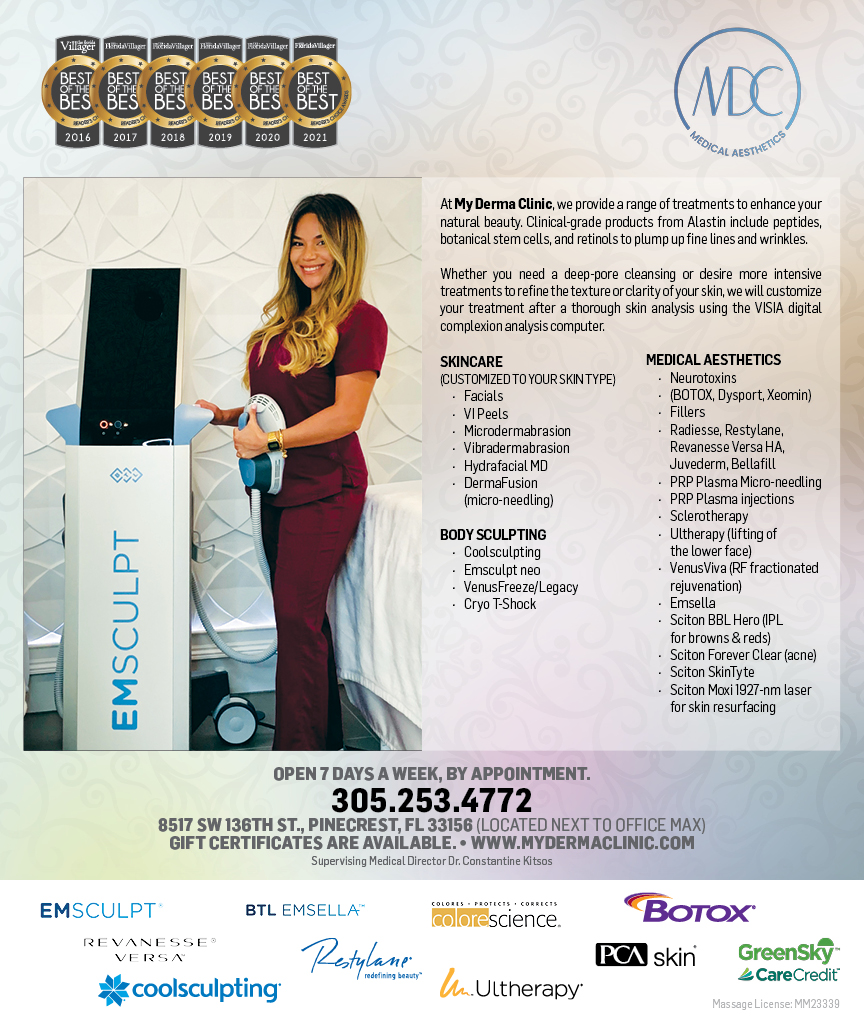
 Sports Grill
 The Healthy Kitchen
 Sushi Maki
 Golden Rule Seafood
 Malanga Cuban Café


 Kathleen Ballard
 Panter, Panter & Sampedro
 Vintage Liquors
 The Dog from Ipanema
 Rubinstein Family Chiropractic
 Your Pet’s Best
 Indigo Republic
 Animal Health and Rehab
 Maurice’s Jewelers
 ATR Luxury Homes

 2112 Design Studio
 Hamilton Fox & Company
 Creative Design Services
 Best Pest Professionals
 HD Tree Services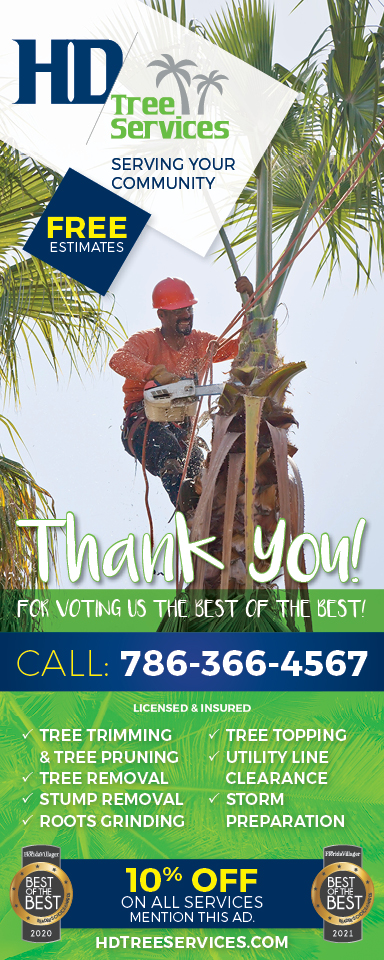
 Trinity Air Conditioning Company
 Cisca Construction & Development
 Mosquito Joe
 Cutler Bay Solar Solutions


 Miami Royal Ballet & Dance
 Christopher Columbus
 Pineview Preschools
 Westminster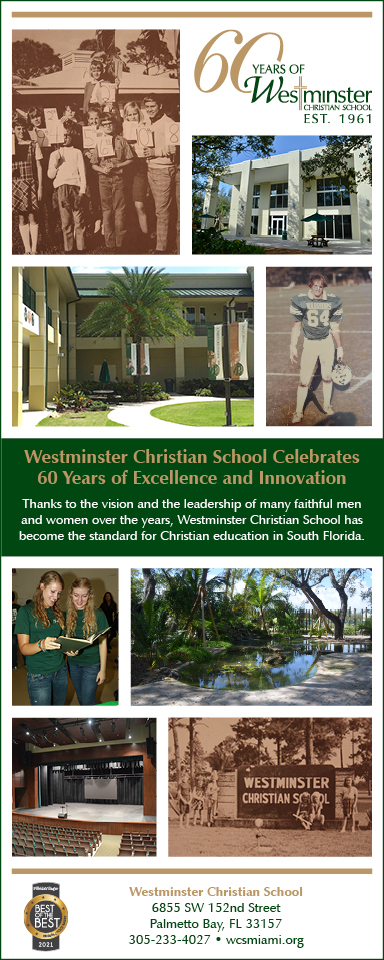
 Carrollton
 Lil’ Jungle
 Frost Science Museum
 Palmer Trinity School
 South Florida Music
 Pinecrest Orthodontics
 Dr. Bob Pediatric Dentist
 d.pediatrics


 South Miami Women’s Health
 Endodontix Dental Group
 The Spot Barbershop
 My Derma Clinic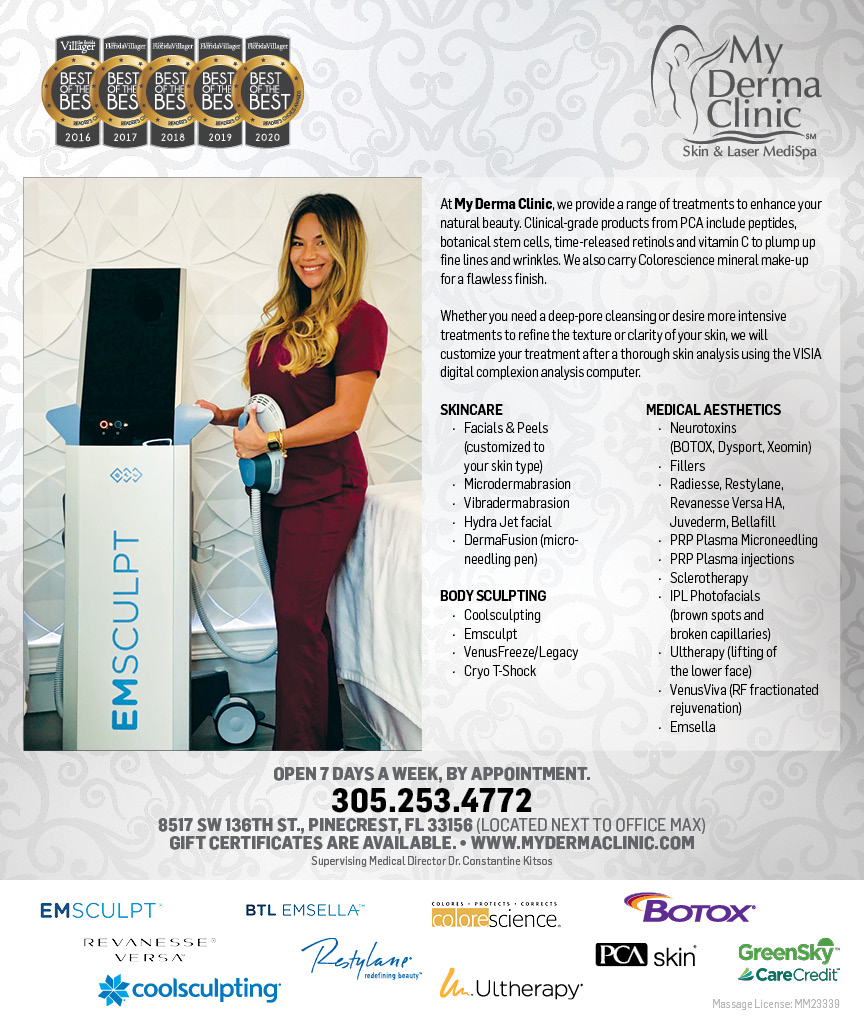




 Miami Dance Project

 Rubinstein Family Chiropractic
 Indigo Republic

 Safes Universe
 Vintage Liquors
 Evenings Delight





 Atchana’s Homegrown Thai
 Baptist Health South Florida

 Laser Eye Center of Miami
 Visiting Angels
 OpusCare of South Florida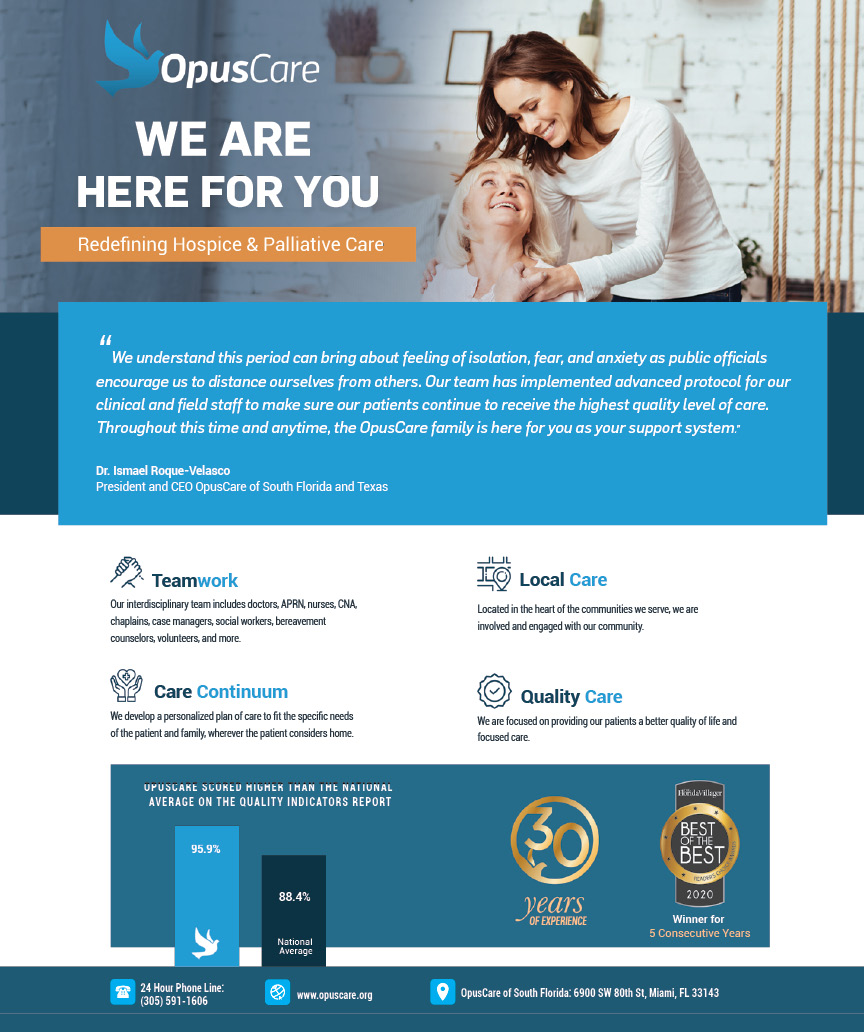



 Your Pet’s Best

 HD Tree Services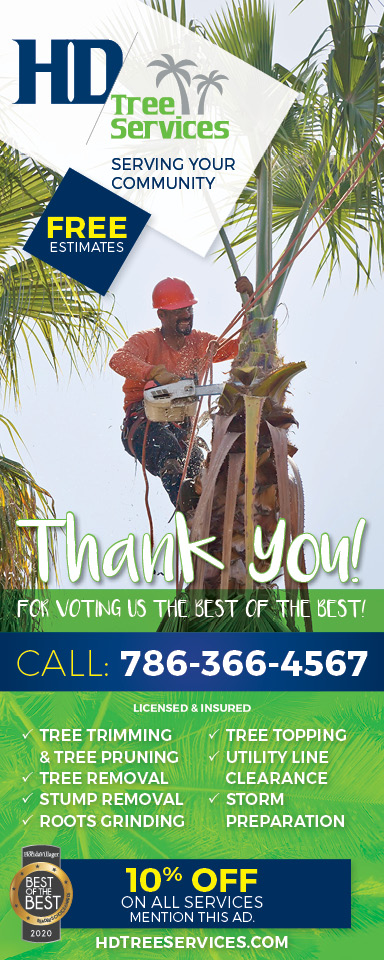
 Hamilton Fox & Company

 Creative Design Services