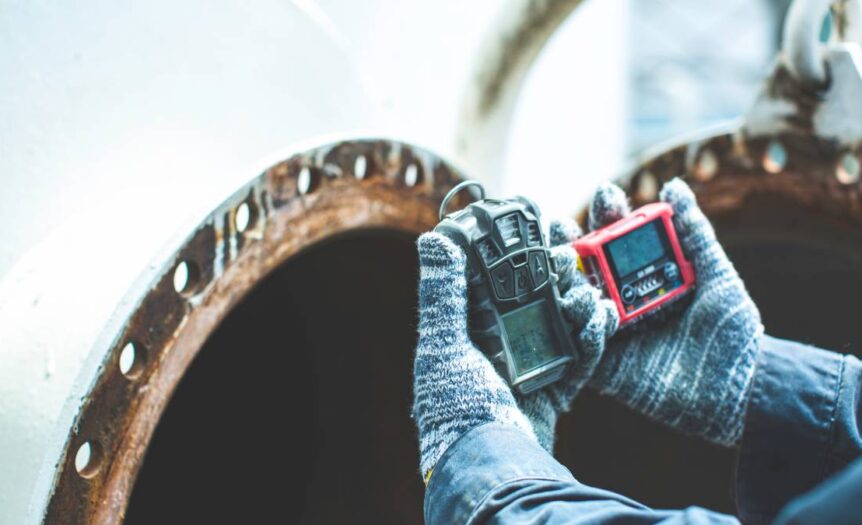
Industrial facilities face constant threats from hazardous gases that can cause explosions, fires, or serious health problems. Gas detection equipment serves as the first line of defense against these invisible dangers, protecting workers and preventing catastrophic accidents across manufacturing plants, oil refineries, chemical facilities, and mining operations.
These sophisticated systems monitor air quality continuously, alerting personnel when dangerous gas concentrations reach critical levels. Understanding how gas detection equipment functions helps industrial managers make informed decisions about workplace safety protocols.
Types of Gas Detection Systems
Fixed gas detection systems permanently mount to walls, ceilings, or equipment in high-risk areas. These units monitor specific locations where gas leaks commonly occur, such as pipe joints, storage tanks, or processing equipment. When sensors detect dangerous gas levels, they trigger alarms and can automatically activate ventilation systems or shut down equipment.
Meanwhile, portable gas detectors offer flexibility for workers who move between different areas. Personal monitors clip onto clothing and continuously sample the air around individual employees. Multi-gas detectors can identify several hazardous substances simultaneously, making them essential for confined space entry or maintenance work.
How Detection Technology Functions
Catalytic bead sensors identify combustible gases by measuring the heat generated when gas molecules burn on a heated catalyst surface. These sensors excel at detecting methane, propane, and other flammable vapors in industrial environments.
Electrochemical sensors use chemical reactions to detect toxic gases like hydrogen sulfide or carbon monoxide. They generate electrical signals proportional to gas concentration, providing accurate measurements even at low levels that could harm human health.
Infrared sensors identify gases by measuring how different molecules absorb specific light wavelengths. This technology works particularly well for carbon dioxide detection and offers long-term stability in harsh industrial conditions.
Maintenance and Calibration Requirements
Regular calibration ensures gas detection equipment provides accurate readings throughout its service life. Most systems require monthly or quarterly calibration using certified gas mixtures that simulate actual hazardous conditions.
Sensor replacement schedules vary by technology type and environmental conditions. Electrochemical sensors typically last one to two years, while infrared sensors can operate effectively for five years or more. Industrial facilities should conduct a safety audit on gas detection equipment annually to verify proper operation and compliance with safety standards.
Environmental factors like temperature, humidity, and contamination can affect sensor performance. Protective housings shield sensitive components from dust, moisture, and corrosive substances that could cause false readings or equipment failure.
Integration With Safety Systems
Modern gas detection systems connect to facility-wide safety networks that coordinate emergency responses. When sensors detect dangerous conditions, they can automatically start ventilation fans, sound evacuation alarms, and notify emergency response teams.
Some advanced systems use wireless communication to transmit data from remote locations where running cables would be impractical or expensive. This technology enables comprehensive monitoring coverage across large industrial complexes.
Protecting Lives and Assets
Gas detection equipment represents a critical investment in industrial safety that prevents accidents, protects workers, and maintains regulatory compliance. Proper selection, installation, and maintenance of these systems creates safer work environments while reducing liability risks for industrial operators.








 Deering Estate
 Massage Envy South Miami
 Calla Blow Dry
 My Derma Clinic
 Sports Grill
 The Healthy Kitchen
 Sushi Maki
 Golden Rule Seafood
 Malanga Cuban Café


 Kathleen Ballard
 Panter, Panter & Sampedro
 Vintage Liquors
 The Dog from Ipanema
 Rubinstein Family Chiropractic
 Your Pet’s Best
 Indigo Republic
 Animal Health and Rehab
 Maurice’s Jewelers
 ATR Luxury Homes


 2112 Design Studio
 Hamilton Fox & Company
 Creative Design Services
 Best Pest Professionals
 HD Tree Services
 Trinity Air Conditioning Company
 Cisca Construction & Development
 Mosquito Joe
 Cutler Bay Solar Solutions


 Miami Royal Ballet & Dance
 Christopher Columbus
 Pineview Preschools
 Westminster
 Carrollton
 Lil’ Jungle
 Frost Science Museum
 Palmer Trinity School
 South Florida Music
 Pinecrest Orthodontics
 Dr. Bob Pediatric Dentist
 d.pediatrics


 South Miami Women’s Health
 Endodontix Dental Group
 The Spot Barbershop
 My Derma Clinic




 Miami Dance Project

 Rubinstein Family Chiropractic
 Indigo Republic

 Safes Universe
 Vintage Liquors
 Evenings Delight





 Atchana’s Homegrown Thai
 Baptist Health South Florida

 Laser Eye Center of Miami
 Visiting Angels
 OpusCare of South Florida


 Your Pet’s Best

 HD Tree Services
 Hamilton Fox & Company

 Creative Design Services