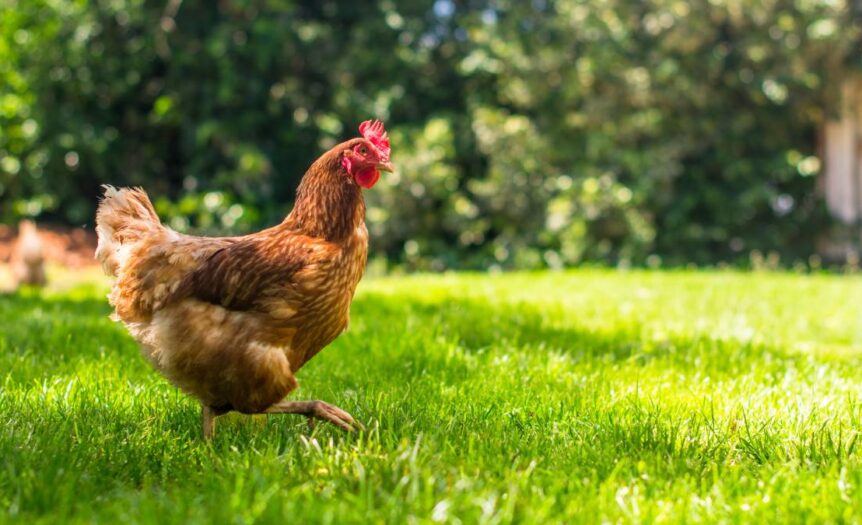
Chickens can make wonderful backyard companions, providing fresh eggs and entertainment while requiring less space than many other farm animals. Before you bring home your first flock, understanding the basics will ensure both you and your chickens thrive together.
Choose the Right Breed for Your Needs
Different chicken breeds serve different purposes. Some excel at egg production, laying up to 300 eggs per year, while others grow quickly for meat. Heritage breeds like Rhode Island Reds adapt well to various climates and produce consistently, while bantam chickens work well for smaller spaces but lay smaller eggs. Consider your climate, available space, and whether you want eggs, meat, or both when selecting your birds.
Set Up Proper Housing Before Arrival
Your chickens need a secure coop that provides four square feet per bird inside and 10 square feet per bird in an outdoor run. The coop should include nesting boxes, roosting bars, and proper ventilation without drafts. Position the structure in a location with morning sun and afternoon shade. Install hardware cloth rather than chicken wire, as it offers better protection.
Understand Their Nutritional Requirements
Baby chicks need starter feed with 18–20 percent protein for their first eight weeks. Pullets require grower feed with 16–18 percent protein until they begin laying around 18–20 weeks old. Adult laying hens need layer feed with 16 percent protein and added calcium for strong eggshells. Provide fresh, clean water daily using appropriate waterers that prevent contamination.
Prepare for Common Health Challenges
Healthy chickens appear alert with bright eyes, clean feathers, and active behavior. Watch for signs of illness such as lethargy, discharge from the eyes or nostrils, or changes in eating habits. Keep a basic first aid kit with items like wound spray and electrolyte supplements. Establish a relationship with a veterinarian who treats poultry before you need one.
Plan for Predator Protection
Many animals view chickens as easy prey, including foxes, hawks, raccoons, and neighborhood dogs. You must protect your chickens from predators by installing secure fencing that extends underground to prevent digging. Use motion-activated lights and consider adding a rooster to your flock, as they often alert hens to danger and can defend against smaller threats.
Know Local Regulations and Ordinances
Check city or county regulations before purchasing chickens. Many areas limit the number of birds you can keep or prohibit roosters due to noise concerns. Some neighborhoods have homeowner association rules that restrict livestock. Obtain necessary permits and ensure your coop meets local building codes and setback requirements.
Budget for Ongoing Expenses
Initial setup costs include the coop, feeders, waterers, and your first birds. Monthly expenses include feed, bedding, and occasional veterinary care. A small flock of four hens typically costs 20 to 30 dollars per month to maintain. Factor in electricity for heat lamps during winter in colder climates and periodic replacement of equipment.
Start Your Chicken Journey With Confidence
Raising chickens for the first time rewards you with fresh eggs, natural pest control, and hours of entertainment watching their social behaviors. Start small with three to five birds to gain experience before expanding your flock. Connect with local chicken keepers or extension services for ongoing support and advice as you develop your skills.








 Deering Estate
 Massage Envy South Miami
 Calla Blow Dry
 My Derma Clinic
 Sports Grill
 The Healthy Kitchen
 Sushi Maki
 Golden Rule Seafood
 Malanga Cuban Café


 Kathleen Ballard
 Panter, Panter & Sampedro
 Vintage Liquors
 The Dog from Ipanema
 Rubinstein Family Chiropractic
 Your Pet’s Best
 Indigo Republic
 Animal Health and Rehab
 Maurice’s Jewelers
 ATR Luxury Homes


 2112 Design Studio
 Hamilton Fox & Company
 Creative Design Services
 Best Pest Professionals
 HD Tree Services
 Trinity Air Conditioning Company
 Cisca Construction & Development
 Mosquito Joe
 Cutler Bay Solar Solutions


 Miami Royal Ballet & Dance
 Christopher Columbus
 Pineview Preschools
 Westminster
 Carrollton
 Lil’ Jungle
 Frost Science Museum
 Palmer Trinity School
 South Florida Music
 Pinecrest Orthodontics
 Dr. Bob Pediatric Dentist
 d.pediatrics


 South Miami Women’s Health
 Endodontix Dental Group
 The Spot Barbershop
 My Derma Clinic




 Miami Dance Project

 Rubinstein Family Chiropractic
 Indigo Republic

 Safes Universe
 Vintage Liquors
 Evenings Delight





 Atchana’s Homegrown Thai
 Baptist Health South Florida

 Laser Eye Center of Miami
 Visiting Angels
 OpusCare of South Florida



 Your Pet’s Best

 HD Tree Services
 Hamilton Fox & Company

 Creative Design Services