
Planning a trip to Italy is an exciting adventure, filled with dreams of ancient ruins, stunning coastlines, and world-renowned cuisine. To make the most of your experience, it’s helpful to be prepared for the unique customs, culture, and practicalities of traveling in this vibrant country. From navigating bustling cities to savoring authentic meals, this guide will provide you with valuable things to know before your travel to Italy to ensure your journey is smooth and unforgettable.
Transportation Tips
Getting around in Italy is generally straightforward, thanks to the country’s well-connected public transportation system. Trains are a fast and efficient way to travel between cities, with high-speed trains like the Frecciarossa offering a luxurious and time-saving option. For local travel within cities, buses and trams are reliable, but make sure to purchase tickets in advance, often available at tobacco shops (“tabacchi”).
If you’re planning to drive, be aware that Italian roads, especially within historical city centers, can be narrow and difficult to navigate. Parking can also be challenging, so renting a car is best suited for exploring rural areas or regions like Tuscany. Don’t forget that many city centers have restricted traffic zones (“ZTL”), so always check signage before driving through.
Dining Etiquette
Italians take meals seriously, so expect to spend time enjoying your food and soaking in the atmosphere. It’s good to know that lunch (“pranzo”) is often the main meal of the day and is typically enjoyed between 12 PM and 2 PM, while dinner (“cena”) starts later, often around 8 PM.
Avoid ordering a cappuccino after 11 AM, as it’s considered a breakfast drink, and opt for an espresso instead. When dining at a traditional restaurant, it’s customary to order multiple courses, including an appetizer (“antipasto”), first course (“primo”), and second course (“secondo”). Tipping isn’t mandatory in Italy, as service charges are often included, but rounding up the bill or leaving a small tip is always appreciated.
Essential Travel Preparations
Before heading to Italy, it’s important to ensure your travel documents are in order. A valid passport is required, and many foreign citizens can visit Italy for up to 90 days without a visa, but double-check the current requirements based on your nationality.
Travel insurance is highly recommended, offering peace of mind in case of unexpected events. Pack comfortable shoes, as cobblestone streets and lots of walking are part of the Italian experience. Additionally, be mindful of the weather, as temperatures can take a serious swing in some places.
Etiquette at Tourist Sites
Before you travel to Italy, it’s critical to know the particulars of how to respect the sites you intend to visit. Popular cities and landmarks like the Colosseum, the Vatican, or even the streets of Milan can be crowded, so patience and politeness go a long way. Always follow posted rules, such as not touching historic artifacts or taking photos in restricted areas.
At churches and religious sites, try to dress modestly. Covering your shoulders and knees is often required, and you may see this request on signs outside of these locations. Italians value their heritage, so avoid loud behavior and overly casual conduct at these sacred or historical locations.
By embracing the quirks of Italian culture and diving headfirst into its traditions, you’ll create memories as rich and layered as Italy itself.








 Deering Estate
 Massage Envy South Miami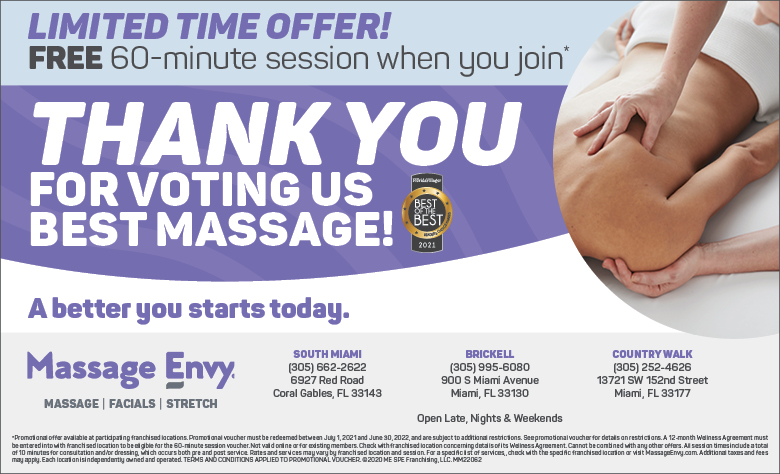
 Calla Blow Dry
 My Derma Clinic
 Sports Grill
 The Healthy Kitchen
 Sushi Maki
 Golden Rule Seafood
 Malanga Cuban Café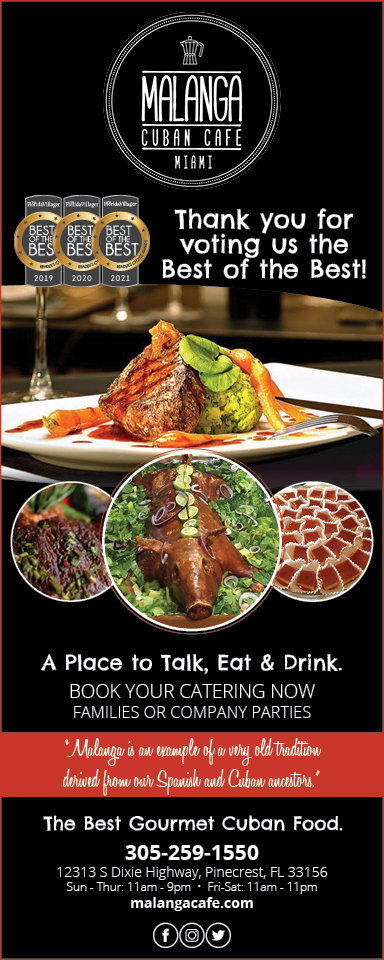


 Kathleen Ballard
 Panter, Panter & Sampedro
 Vintage Liquors
 The Dog from Ipanema
 Rubinstein Family Chiropractic
 Your Pet’s Best
 Indigo Republic
 Animal Health and Rehab
 Maurice’s Jewelers
 ATR Luxury Homes

 2112 Design Studio
 Hamilton Fox & Company
 Creative Design Services
 Best Pest Professionals
 HD Tree Services
 Trinity Air Conditioning Company
 Cisca Construction & Development
 Mosquito Joe
 Cutler Bay Solar Solutions


 Miami Royal Ballet & Dance
 Christopher Columbus
 Pineview Preschools
 Westminster
 Carrollton
 Lil’ Jungle
 Frost Science Museum
 Palmer Trinity School
 South Florida Music
 Pinecrest Orthodontics
 Dr. Bob Pediatric Dentist
 d.pediatrics

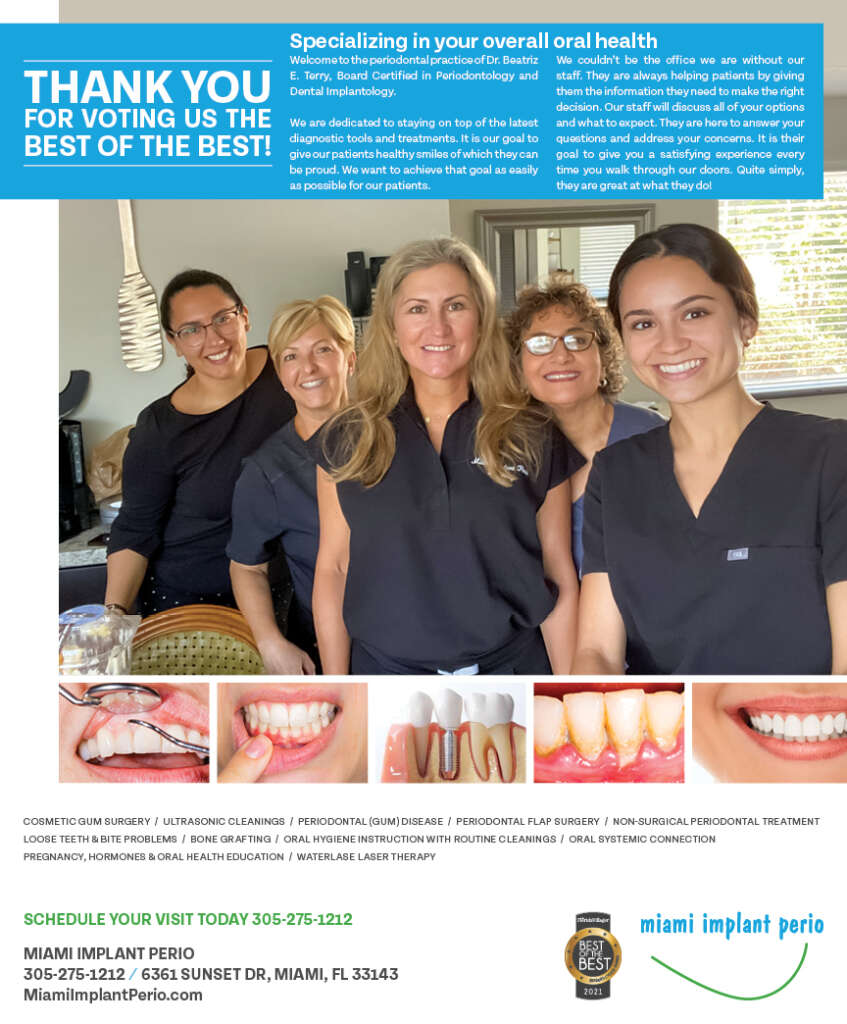
 South Miami Women’s Health
 Endodontix Dental Group
 The Spot Barbershop
 My Derma Clinic




 Miami Dance Project

 Rubinstein Family Chiropractic
 Indigo Republic

 Safes Universe
 Vintage Liquors
 Evenings Delight





 Atchana’s Homegrown Thai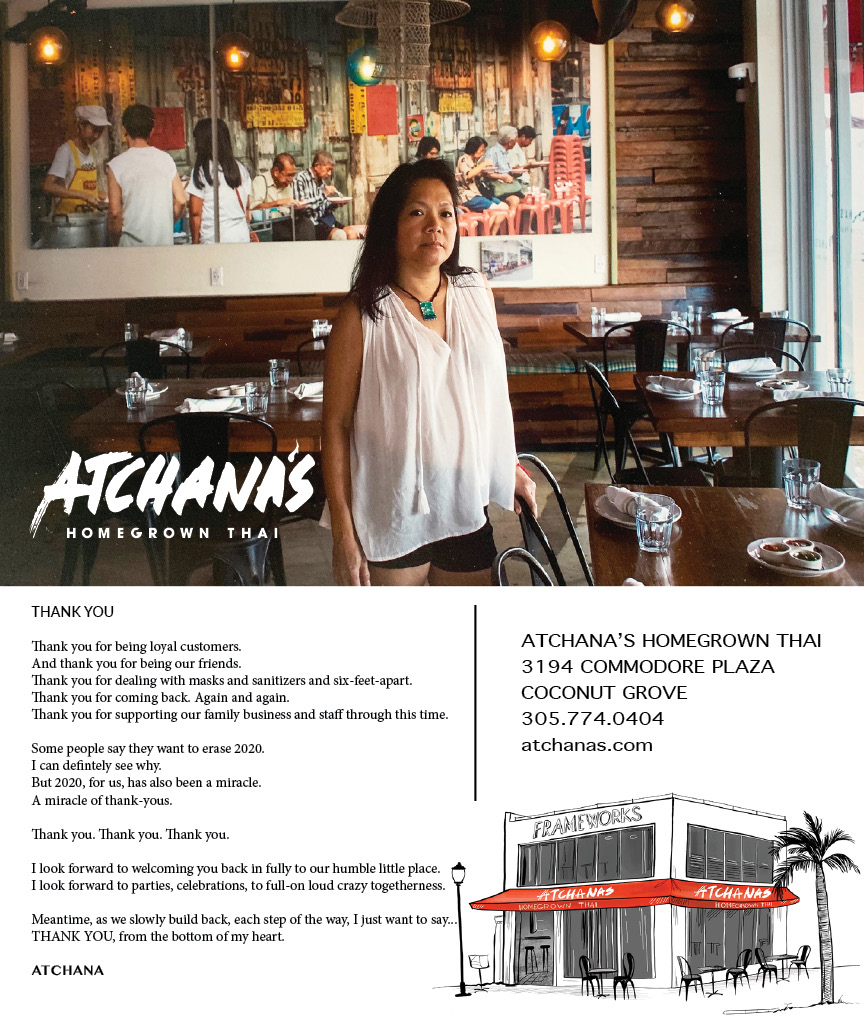
 Baptist Health South Florida

 Laser Eye Center of Miami
 Visiting Angels
 OpusCare of South Florida



 Your Pet’s Best

 HD Tree Services
 Hamilton Fox & Company

 Creative Design Services