
Manufacturing has long been a playing field where innovation meets strategy, making it a promising but challenging space for business owners. For Black entrepreneurs, the hurdles can feel even steeper. But here’s the truth: you have what it takes to lead, excel, and thrive. Whether you’re scaling up, shifting strategies, or carving out a niche, this blog will equip you with the strategies you need to position your manufacturing business for success.
From operational tweaks to long-term vision setting, we’ll explore how you can transform your ambitions into sustainable growth. Get ready to uncover actionable insights tailored for owners like yourself.
Set Clear and Measurable Goals
A successful business begins with a solid roadmap. Goals help you stay focused and allow you to measure your progress as you grow. For manufacturers, this might mean increasing production efficiency, improving customer retention, or breaking into a highly competitive niche.
These goals need to stem from practical places. Once your goals are set, break them into smaller milestones that are easy to track. Consider creating a blend of short-term and long-term objectives. For example, you could create a short-term goalto reduce production waste by 15 percent over three months. This short-term effort contributes to a long-term goal of establishing your brand as a leader in sustainable manufacturing within five years.
Goals also keep you accountable. When challenges arise—as they inevitably will—these benchmarks offer clarity and allow you to pivot without losing sight of your mission.
Audit Your Current Manufacturing Operations
Spotting inefficiencies before they spiral into bigger issues is key to staying ahead. Start by conducting a comprehensive audit of your operations. Look into workflows, equipment usage, supplier reliability, and labor productivity. Even seemingly minor tasks, such as ensuring proper machine tool lubrication, can have significant consequences in this business. Poorly functioning machines can lead to downtime or workplace hazards, both of which erode profits and morale.
Strong operations create a sturdy base for growth. Consider using specialized software to monitor real-time data or hiring consultants to give unbiased perspectives on areas that need optimization. This foundational work saves time, money, and stress in the long run.
Forge Strong Relationships With Suppliers
The success of your manufacturing business heavily depends on your supply chain’s stability. Cultivating dependable, strategic partnerships with suppliers ensures you don’t find yourself scrambling for parts or raw materials. Transparency and clear communication form the backbone of these relationships.
Look for suppliers who share your values, such as a commitment to sustainability or ethical labor practices. Building loyalty might even open doors to better pricing or faster fulfillment times during high-demand periods. When your supply chain functions smoothly, your production timeline stays intact, giving your business a competitive edge.
Integrate Technology for Streamlined Efficiency
Innovation is no longer optional in manufacturing; it’s essential to survival. By integrating technologies such as automation, IoT, or AI-driven production systems, you can reduce errors, speed up processes, and even lower labor costs in certain areas. Start small by automating repetitive tasks, then scale as your budget and confidence grow.
Consider adopting solutions like:
- ERP (Enterprise Resource Planning) systems to track production cycles and finances
- Predictive maintenance software to prevent unexpected machinery breakdowns
- Agile workflow software to organize first article inspection completion
Finding the right tech might feel intimidating, but the investment pays off through reduced waste and improved efficiency.
Develop Your Workforce
Your team is the beating heart of your operations. Ensuring they have the skills, tools, and motivation to excel has a direct impact on your business outcomes. Offer training programs to help employees grow their technical and leadership capabilities.
Encouraging cross-department collaboration fosters a culture where people problem-solve more effectively and innovate. Open communication channels also promote accountability and shared ownership of projects, boosting overall morale. Empowering your employees to take pride in their roles strengthens not only them but your brand’s reputation as an employer of choice.
Adapt to Market Demand
The ability to pivot when necessary can make or break your business. Diversifying your product line or services ensures you’re not overly reliant on one revenue stream. Monitor market trends and listen to customer feedback to anticipate shifts before they happen.
Being proactive rather than reactive creates a resilient business model. Launch pilot projects to test new ideas without overstretching your resources. By staying flexible, you’ll create opportunities for innovation while also safeguarding against changing economic or industrial trends.
Master Inventory Management
Inventory missteps cost manufacturers a fortune in wasted space, time, and capital. Streamlining your inventory allows you to meet customer needs without holding excess stock that drains your cash flow. Lean inventory practices, like just-in-time (JIT) manufacturing, can help you strike this balance.
Track your inventory in real-time using inventory management systems, reducing human error and improving order accuracy. When your inventory flows smoothly, customer satisfaction and profitability align, putting you one step closer to your growth goals.
Consider Your Transition to Vertical Integration
Transitioning from outsourcing to in-house manufacturing for all components is a tall order, and it may require you to revisit your current infrastructure, staffing, and financial strategy. However, vertical integration offers incredible potential. It gives you complete control over quality, delivery timelines, and costs.
This move isn’t for the faint-hearted. Weigh the pros and cons carefully before committing. Test small-scale changes first, such as bringing a single outsourced production element under your umbrella. Once you’ve refined the process, you can scale up while maintaining control and reducing third-party reliance.
Leverage Your Unique Voice
Black women in manufacturing bring unique perspectives and solutions to the table, and that is your superpower. Sharing your story and celebrating your entrepreneurial achievements elevates not only your brand but the community of women who look to you for inspiration. Customers increasingly want to support businesses that stand for something.
Use marketing to showcase your values and highlight your expertise. Authenticity builds trust and attracts opportunities you might not have thought possible. When your brand stands out for all the right reasons, you’re creating a legacy, not just a business.
Unleash Your Business Potential
Manufacturing, while complex, is a space ripe with opportunities for business owners equipped with the right strategies. With clarity of mission, a reliable operational foundation, and forward-thinking investments in your people and tools, you’re setting your business apart. And though challenges arise, solving them with precision will fortify your position in the market.
Growth doesn’t demand perfection, but it does require commitment to excellence. When you apply these strategies with intention, you’ll not only position your manufacturing business for success, but you’ll also lead the way for others striving to do the same. Whether you’re navigating current challenges or gearing up for significant leaps forward, know this: you are cementing your place in an industry that needs the innovation only you can bring.








 Deering Estate
 Massage Envy South Miami
 Calla Blow Dry
 My Derma Clinic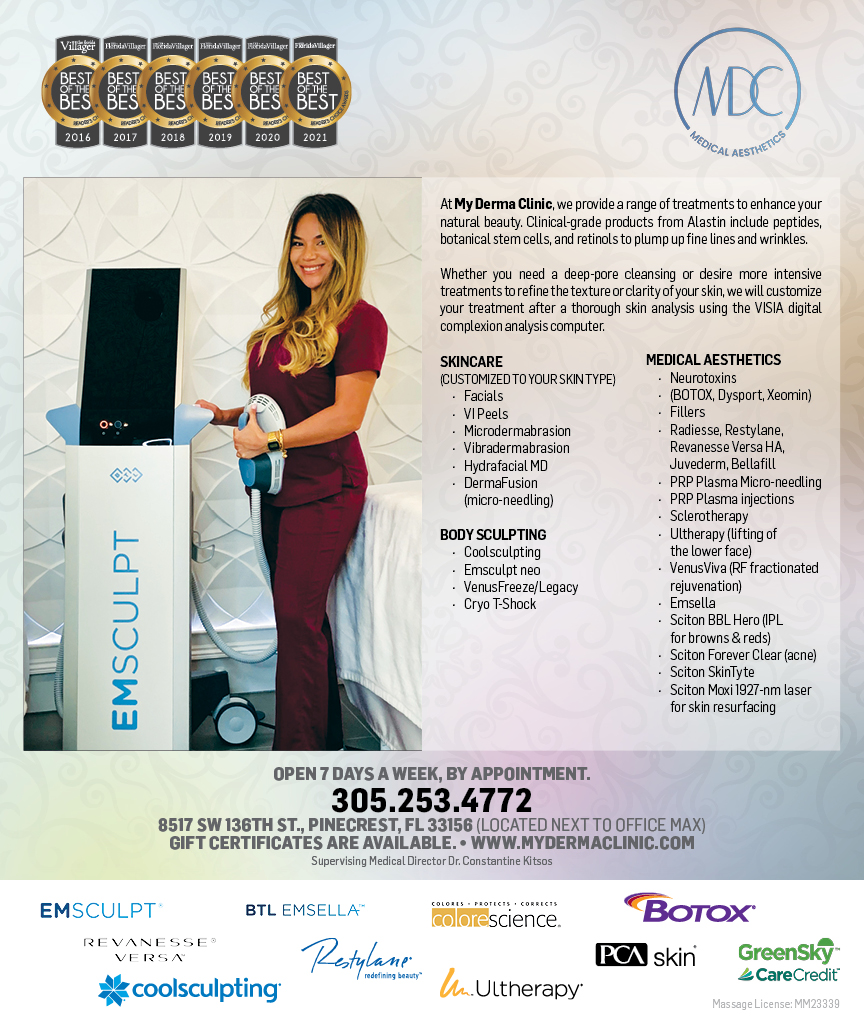
 Sports Grill
 The Healthy Kitchen
 Sushi Maki
 Golden Rule Seafood
 Malanga Cuban Café


 Kathleen Ballard
 Panter, Panter & Sampedro
 Vintage Liquors
 The Dog from Ipanema
 Rubinstein Family Chiropractic
 Your Pet’s Best
 Indigo Republic
 Animal Health and Rehab
 Maurice’s Jewelers
 ATR Luxury Homes


 2112 Design Studio
 Hamilton Fox & Company
 Creative Design Services
 Best Pest Professionals
 HD Tree Services
 Trinity Air Conditioning Company
 Cisca Construction & Development
 Mosquito Joe
 Cutler Bay Solar Solutions


 Miami Royal Ballet & Dance
 Christopher Columbus
 Pineview Preschools
 Westminster
 Carrollton
 Lil’ Jungle
 Frost Science Museum
 Palmer Trinity School
 South Florida Music
 Pinecrest Orthodontics
 Dr. Bob Pediatric Dentist
 d.pediatrics


 South Miami Women’s Health
 Endodontix Dental Group
 The Spot Barbershop
 My Derma Clinic




 Miami Dance Project

 Rubinstein Family Chiropractic
 Indigo Republic

 Safes Universe
 Vintage Liquors
 Evenings Delight





 Atchana’s Homegrown Thai
 Baptist Health South Florida

 Laser Eye Center of Miami
 Visiting Angels
 OpusCare of South Florida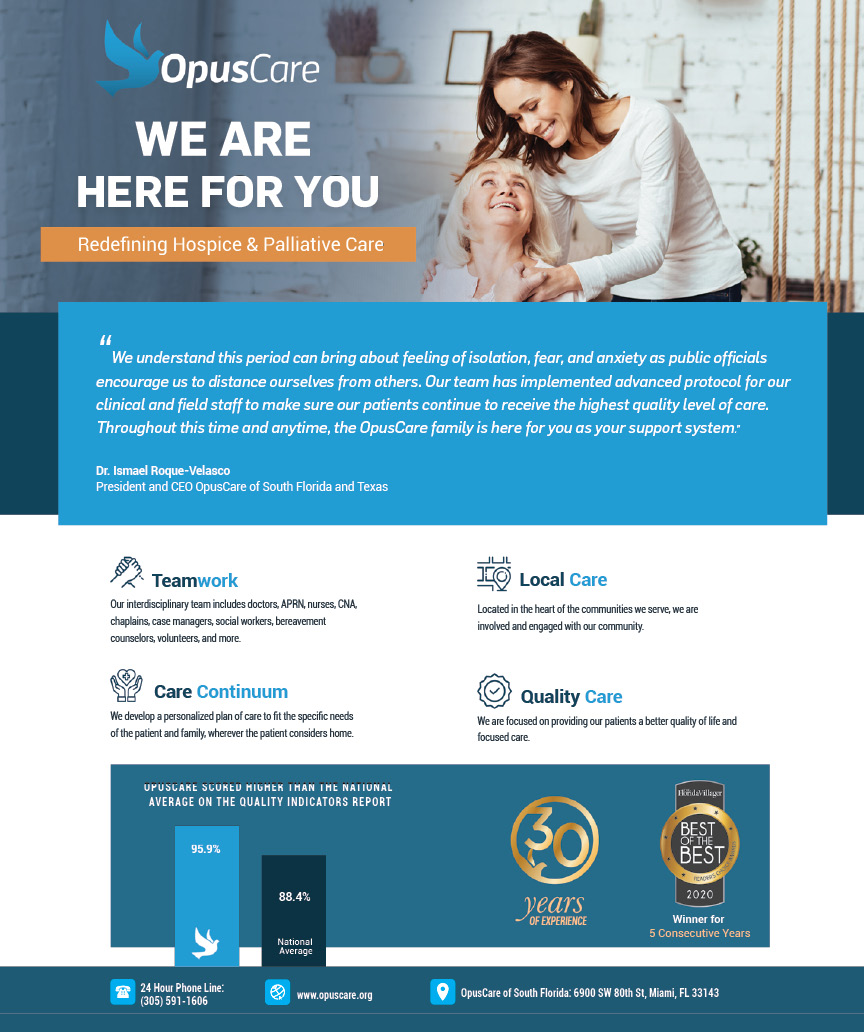



 Your Pet’s Best

 HD Tree Services
 Hamilton Fox & Company

 Creative Design Services