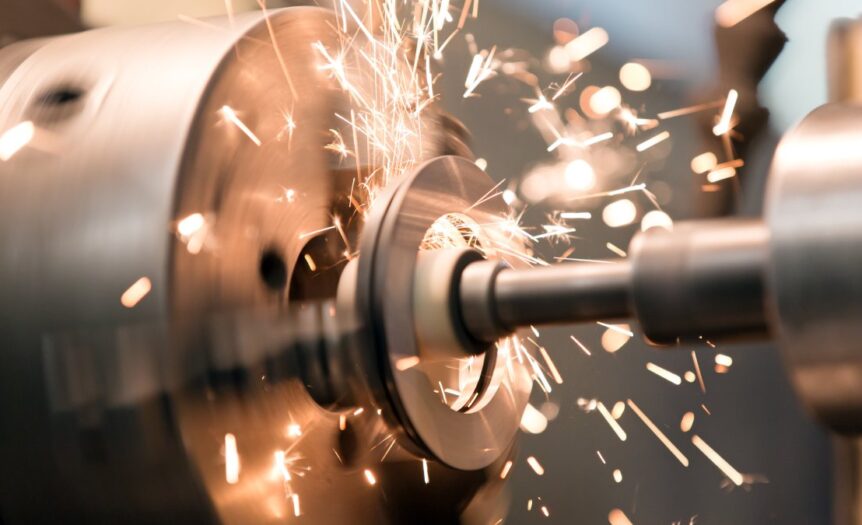
Friction is a natural force that resists motion and affects how well machinery performs. Managing it effectively improves operational efficiency and protects equipment from wearing down prematurely. These four points outline the importance of friction reduction in industrial machinery.
What Friction Does to Machinery
Friction intensifies as mechanical parts move against one another, leading to heat generation, material degradation, and energy loss. This can lead to failure or replacements, slowing operations and increasing expenses. Uncontrolled friction can also produce inaccuracies in machinery operation, which challenges mechanical consistency and quality control.
Increasing Energy Efficiency
When energy is lost through friction, machines consume more power to support the same functionality. This inefficiency is especially noticeable in the high-demand manufacturing and transportation industries, where equipment runs continuously. Lowering this energy loss through lubrication systems or specialized materials can reduce operational costs and create a smaller environmental footprint.
Adopting modern antifriction coatings and materials is another step forward. Many industries use aluminum bronze alloy bearings and gears for diverse applications because of their ability to reduce friction without compromising structural integrity.
Reducing Wear and Extending Equipment Lifespan
Excessive wear shortens the lifespan of machinery components. Regular maintenance and proper material use help reduce friction effectively. Lubrication plays a central role, as it minimizes direct contact between moving surfaces while dispersing heat. Similarly, durable materials ensure that parts can withstand prolonged use under demanding conditions.
For example, heavy machinery in construction settings often incorporates highly durable gears to endure constant movement and significant weights. With adequate friction management, machines stay functional for much longer periods.
Enhancing Performance
The importance of friction reduction in industrial machinery is all about performance. Machines designed to function with minimal resistance run more consistently, delivering better-quality outputs. Whether it’s manufacturing equipment or robust transport systems, reducing this force improves productivity levels. Additionally, reliable operation supports workplace safety, as unexpected mechanical failures are less likely to occur when parts work correctly.
Reduced friction contributes to better performance and longevity in industrial machinery. Solutions such as advanced lubricants and materials allow manufacturers to offset wear, lower costs, and uphold consistent productivity. Evaluate your equipment to find potential areas for improvement and streamline your operations.








 Deering Estate
 Massage Envy South Miami
 Calla Blow Dry
 My Derma Clinic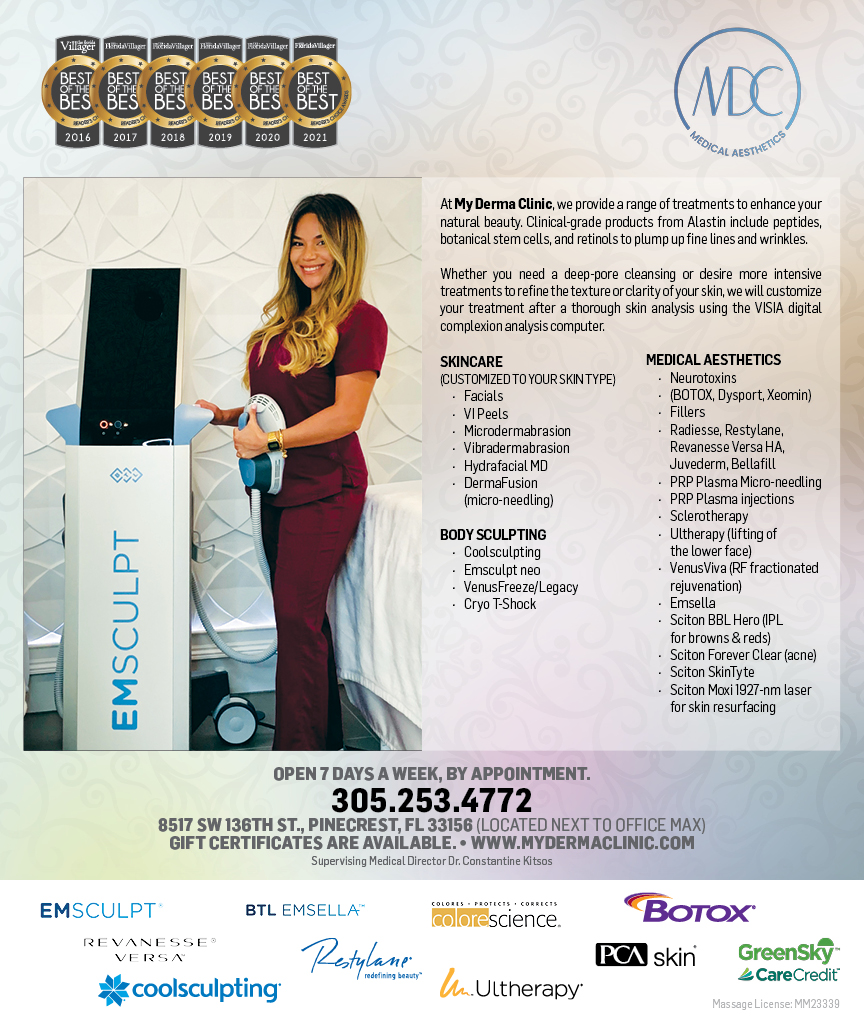
 Sports Grill
 The Healthy Kitchen
 Sushi Maki
 Golden Rule Seafood
 Malanga Cuban Café


 Kathleen Ballard
 Panter, Panter & Sampedro
 Vintage Liquors
 The Dog from Ipanema
 Rubinstein Family Chiropractic
 Your Pet’s Best
 Indigo Republic
 Animal Health and Rehab
 Maurice’s Jewelers
 ATR Luxury Homes


 2112 Design Studio
 Hamilton Fox & Company
 Creative Design Services
 Best Pest Professionals
 HD Tree Services
 Trinity Air Conditioning Company
 Cisca Construction & Development
 Mosquito Joe
 Cutler Bay Solar Solutions


 Miami Royal Ballet & Dance
 Christopher Columbus
 Pineview Preschools
 Westminster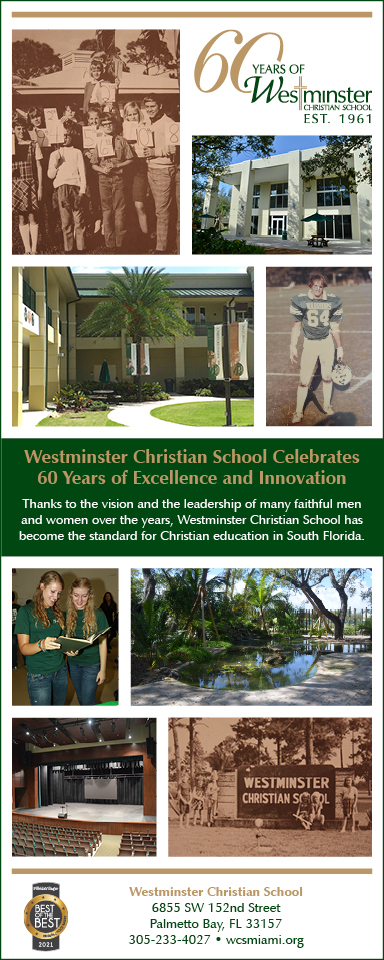
 Carrollton
 Lil’ Jungle
 Frost Science Museum
 Palmer Trinity School
 South Florida Music
 Pinecrest Orthodontics
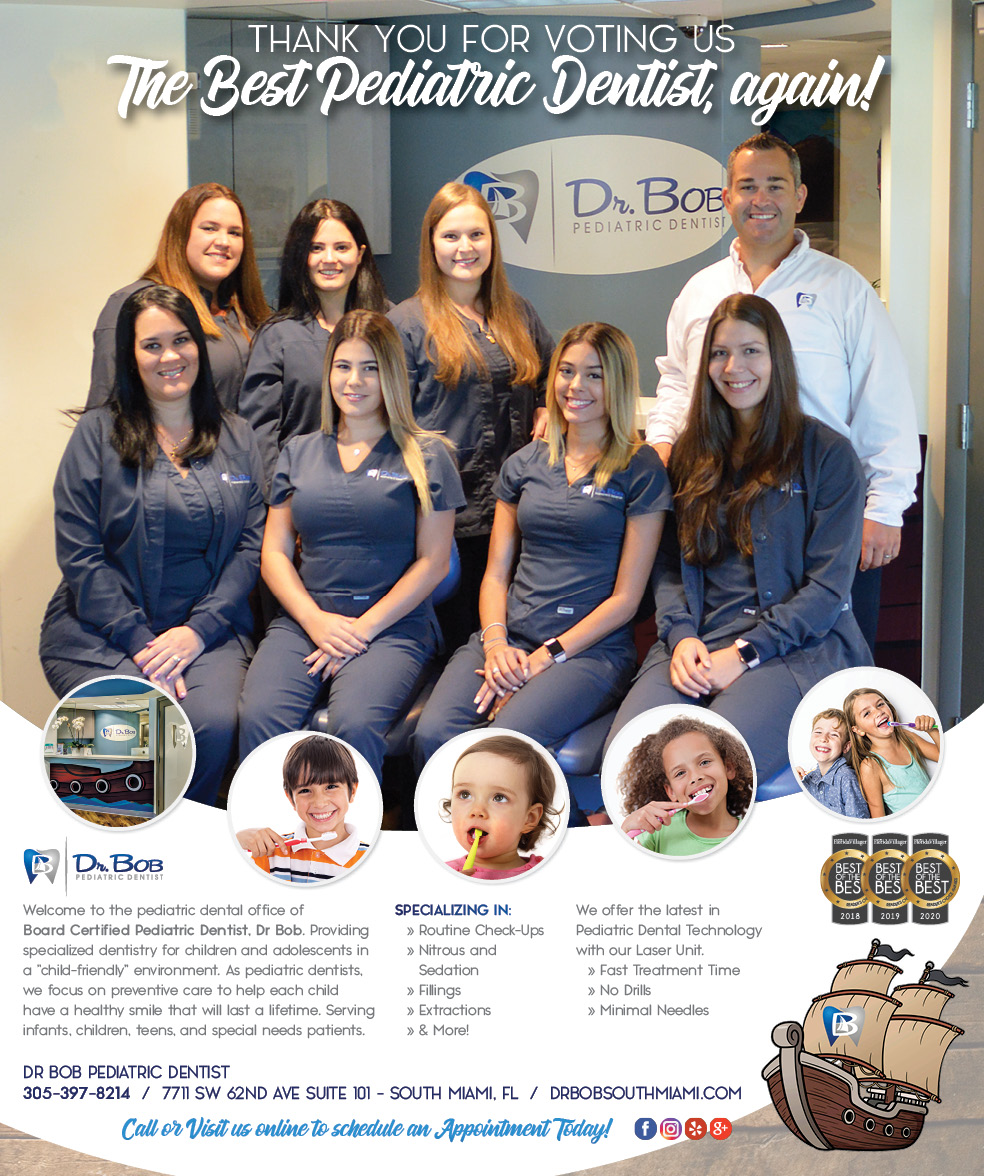
 Dr. Bob Pediatric Dentist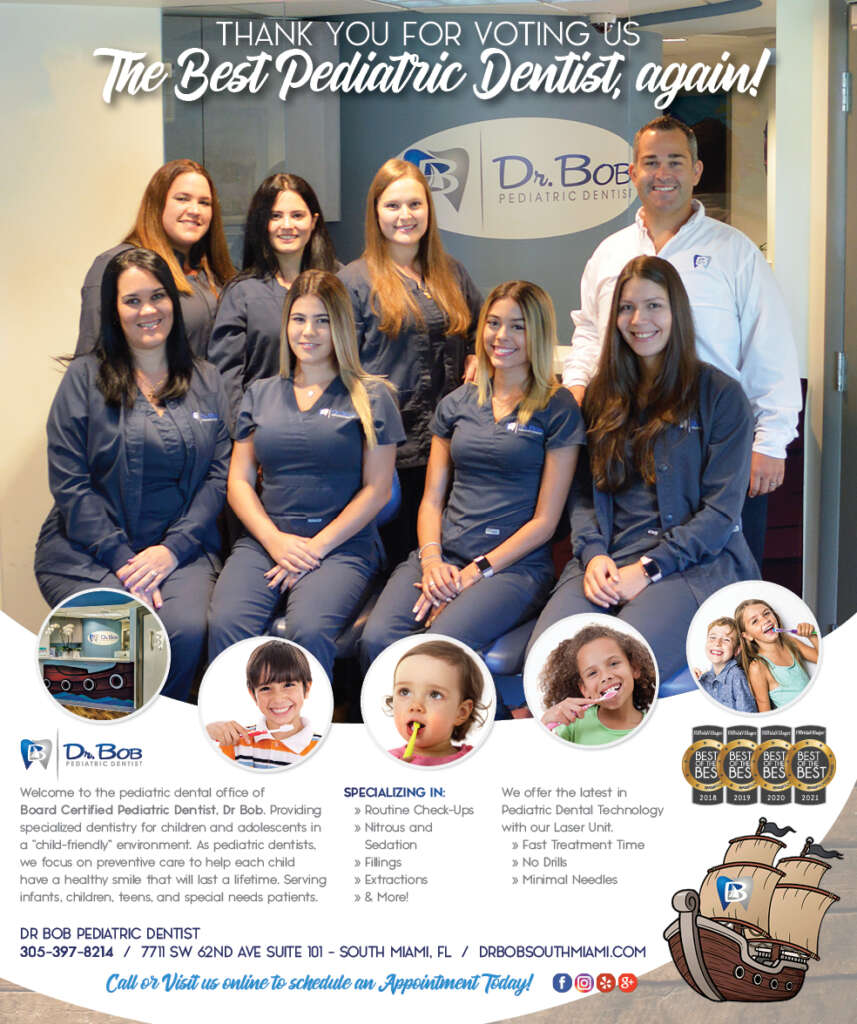
 d.pediatrics


 South Miami Women’s Health
 Endodontix Dental Group
 The Spot Barbershop
 My Derma Clinic




 Miami Dance Project
 Rubinstein Family Chiropractic
 Indigo Republic
 Safes Universe
 Vintage Liquors
 Evenings Delight





 Atchana’s Homegrown Thai
 Baptist Health South Florida

 Laser Eye Center of Miami
 Visiting Angels
 OpusCare of South Florida



 Your Pet’s Best

 HD Tree Services
 Hamilton Fox & Company

 Creative Design Services