

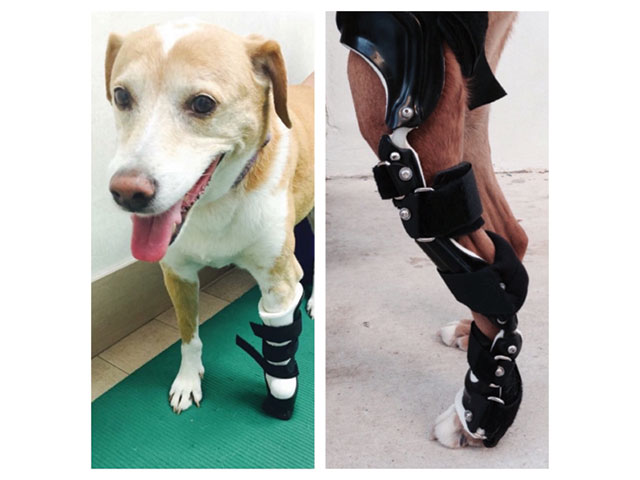
For many years, animals with missing limbs and other skeletal problems were expected to adapt on their own and do well. Three-legged dogs suffer from chronic neck and back pain, as well as arthritis. Humane euthanasia was considered to be the only option, since the dog was unable to hop around anymore. Rigid casts, used to immobilize a limb as part of a medical treatment, inevitably create wounds and sores. Dogs that are not eligible for surgery for the correction of a cranial cruciate stifle injury – or unable to afford it- were left to suffer from the chronic pain of an unstable joint.
Today, we know that a correct modes of walking and moving will improve the physical and mental health of the pet, maximizing the overall quality of life. Thanks to a better understanding of animal physical fitness gained over the past 15 years, and with the creation of the Sports Medicine and Rehabilitation specialty within the veterinary field, our goal now is to improve the mobility and functionality of animals with disabilities through the use of mechanical appliances such as orthosis and prosthesis.
Orthosis or “braces” are devices that complement an orthopedic surgery, and sometimes represent an alternative to the surgery itself. These devices attach to the affected body part of the animal to support, immobilize, align, or correct a deformity. The orthotics have hinges to promote normal range of motion and prevent muscle atrophy. An example is a custom brace to support a stifle instability caused by a cranial cruciate injury. A veterinary prosthesis, on the other hand, replaces a missing limb or a section of the limb to facilitate a pet’s mobility. The current consensus in veterinary medicine is to avoid amputation of the entire limb if part of it can be saved and adapted with a prosthesis. It is the job of a certified veterinary rehabilitation therapist (a licensed veterinarian certified in rehabilitation or a licensed physical therapist certified in animal rehab and under the direct supervision of a veterinarian) to provide orthotic/prosthetic specific rehabilitation therapy, so that the pet can acclimate to the device, and learn to use it.
As veterinary medicine evolves, so do the expectations to for our pets’ quality of life. It is not acceptable to allow pets to live an unnecessarily disabled life or to suffer early euthanasia for conditions that can now be managed with medical devices and rehabilitation therapy. Remember to educate yourself on the latest medical technologies and explore all of your options before making a medical decision that could profoundly impact your pet’s life.




 Deering Estate
 Massage Envy South Miami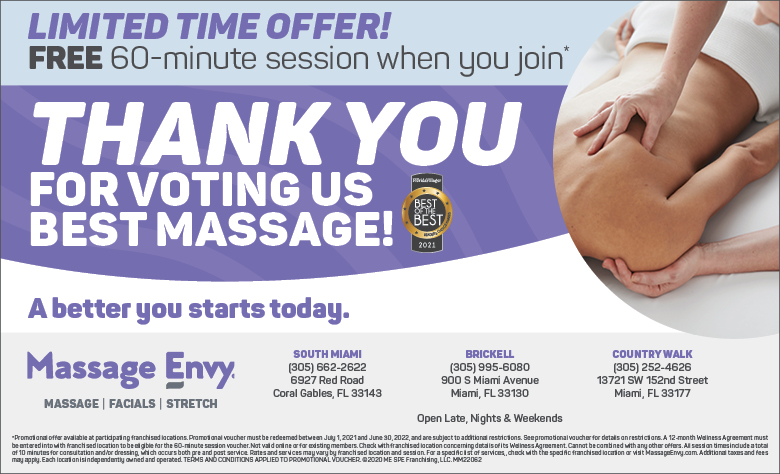
 Calla Blow Dry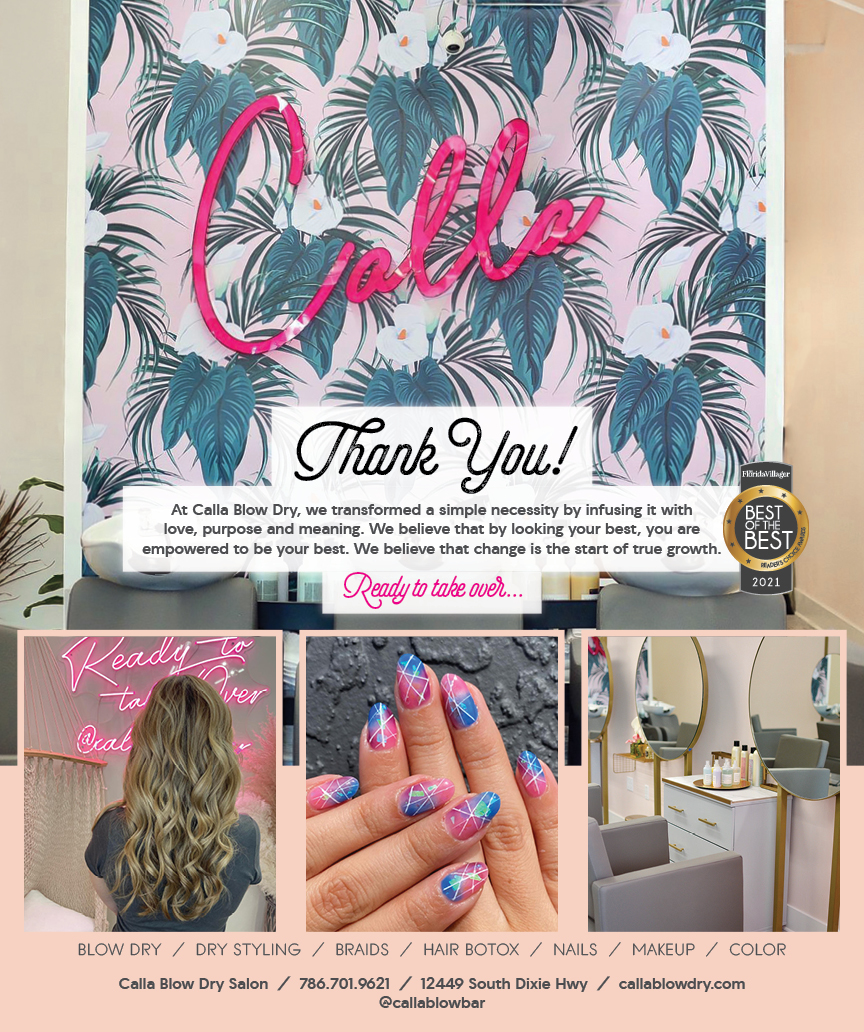
 My Derma Clinic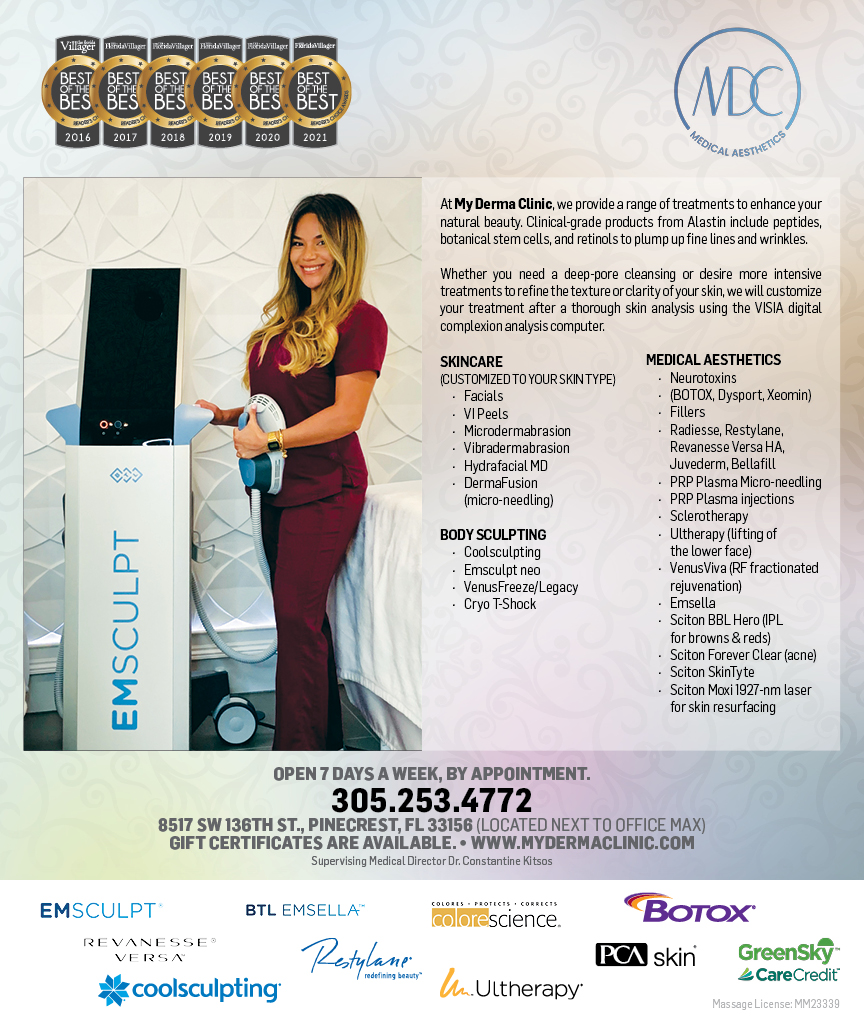
 Sports Grill
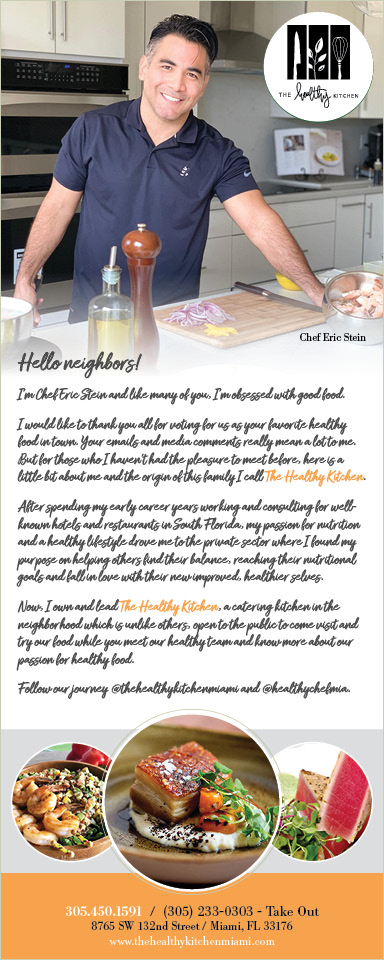
 The Healthy Kitchen
 Sushi Maki
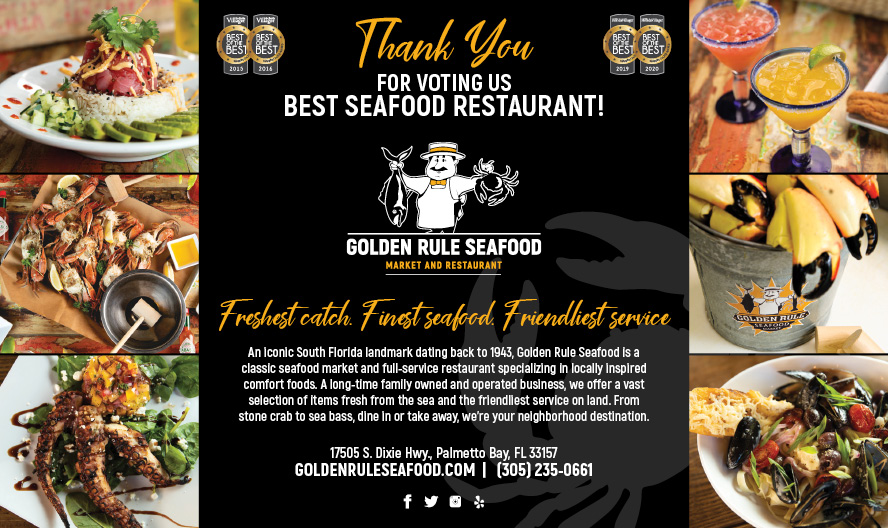
 Golden Rule Seafood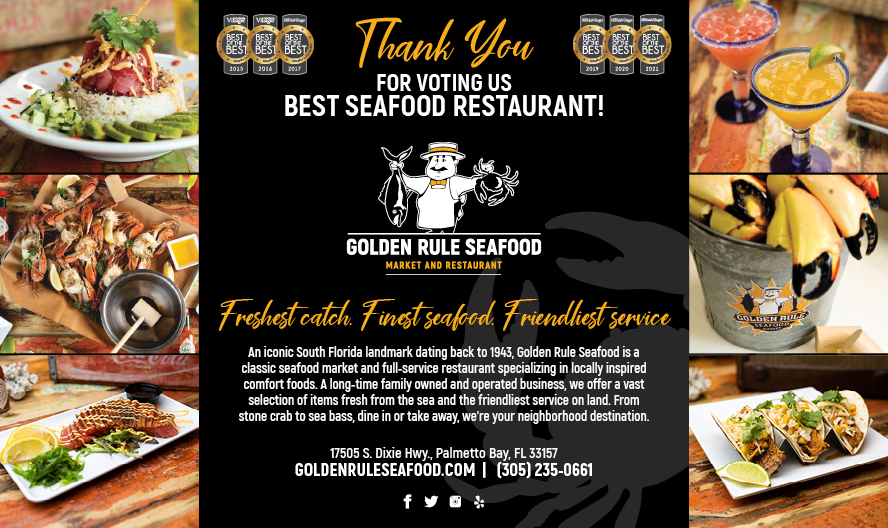
 Malanga Cuban Café


 Kathleen Ballard
 Panter, Panter & Sampedro
 Vintage Liquors
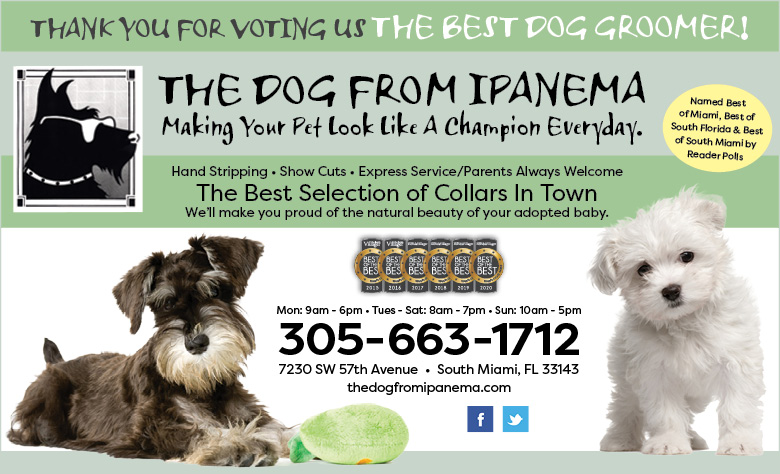
 The Dog from Ipanema
 Rubinstein Family Chiropractic
 Your Pet’s Best
 Indigo Republic
 Animal Health and Rehab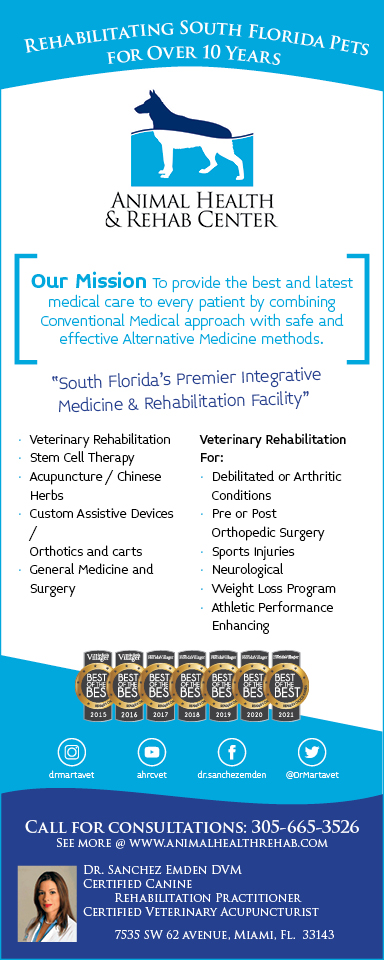
 Maurice’s Jewelers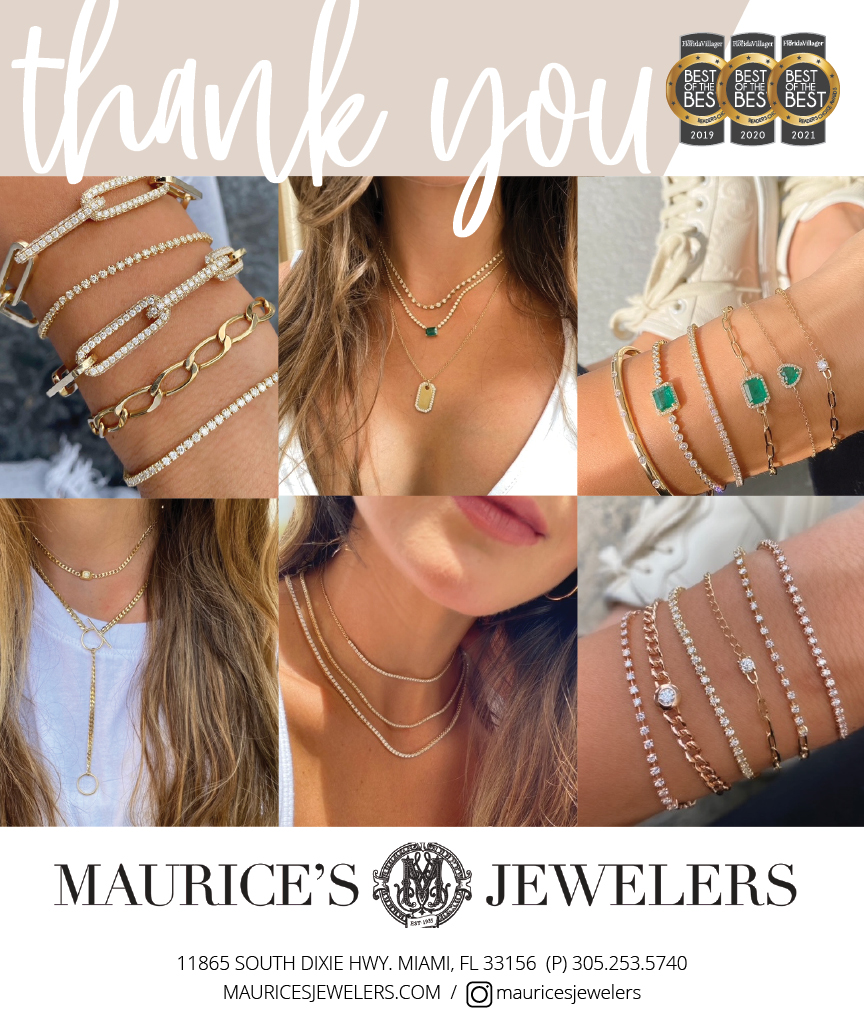
 ATR Luxury Homes
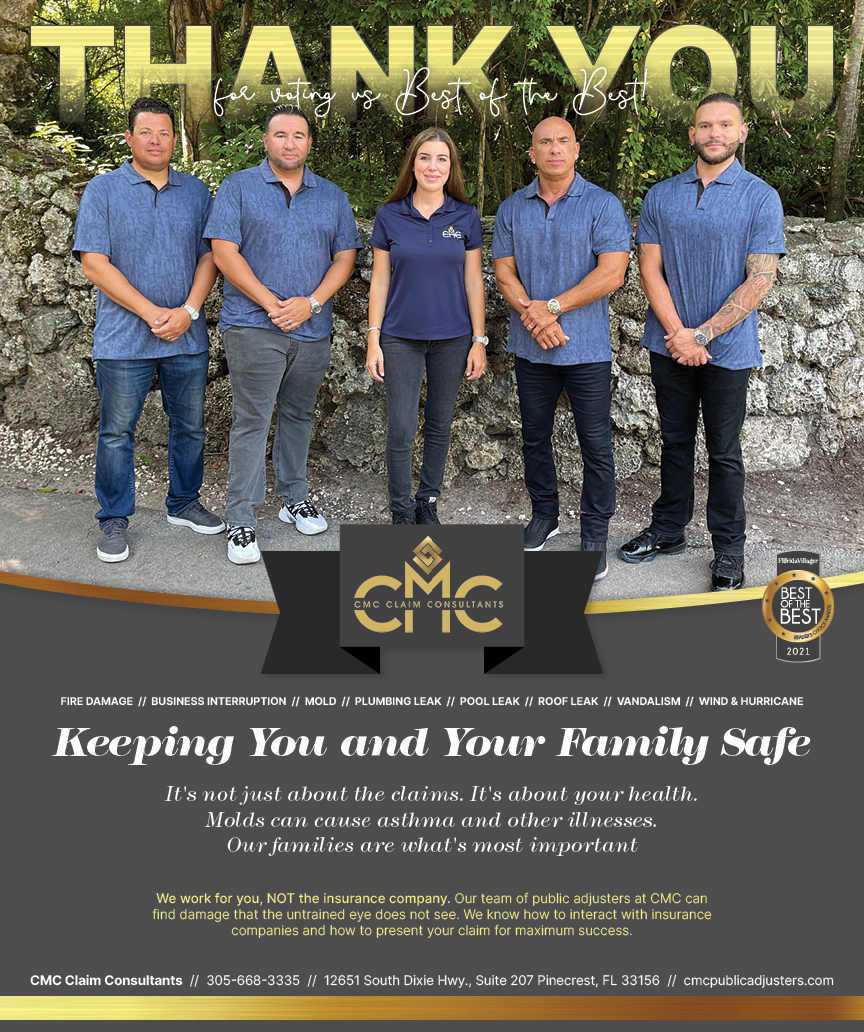
 2112 Design Studio
 Hamilton Fox & Company
 Creative Design Services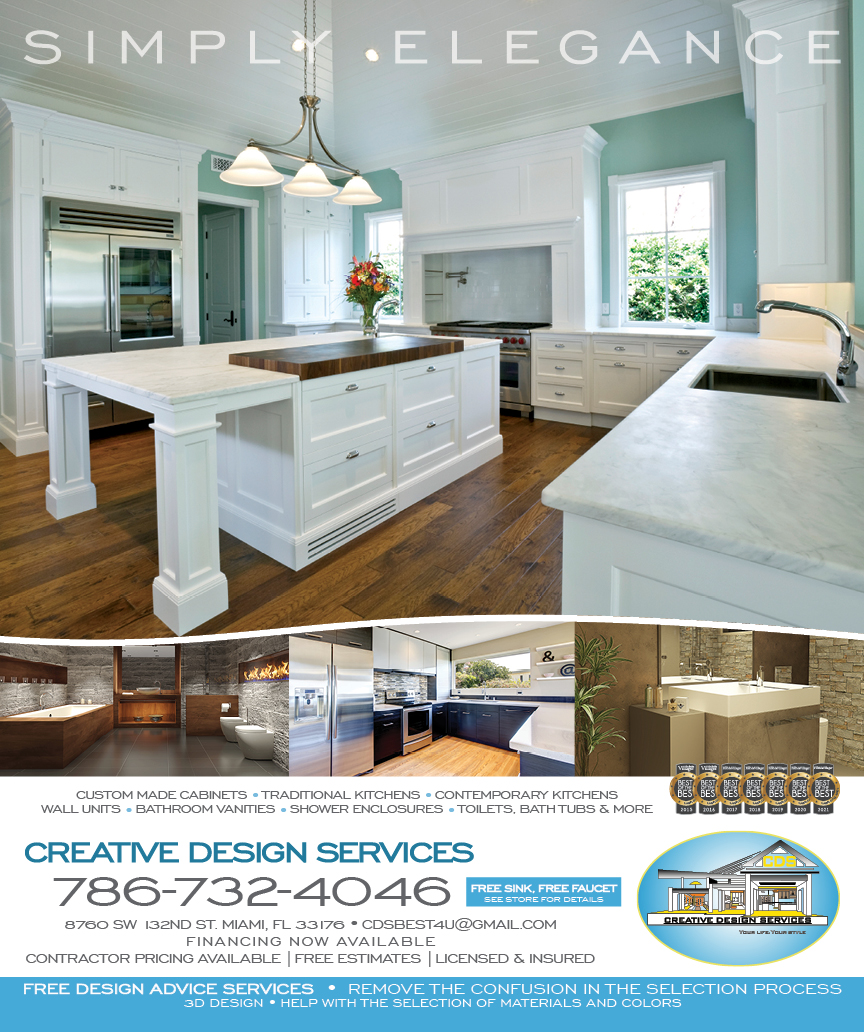
 Best Pest Professionals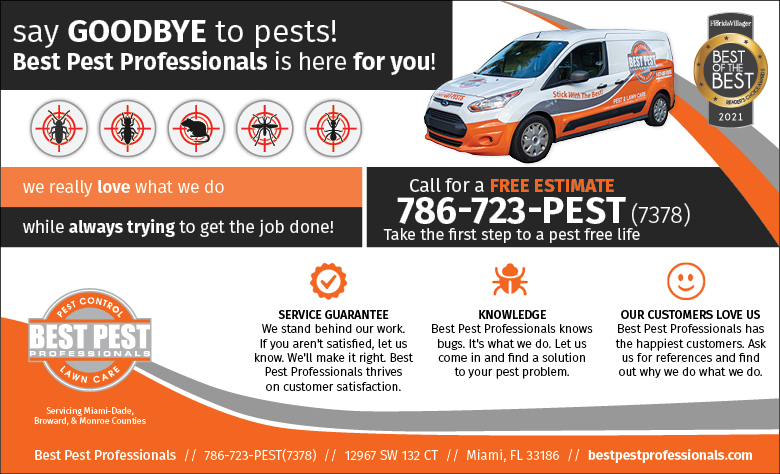
 HD Tree Services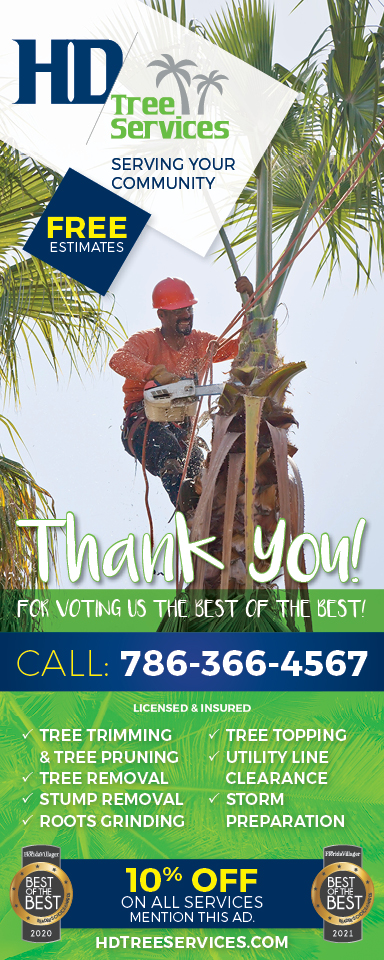
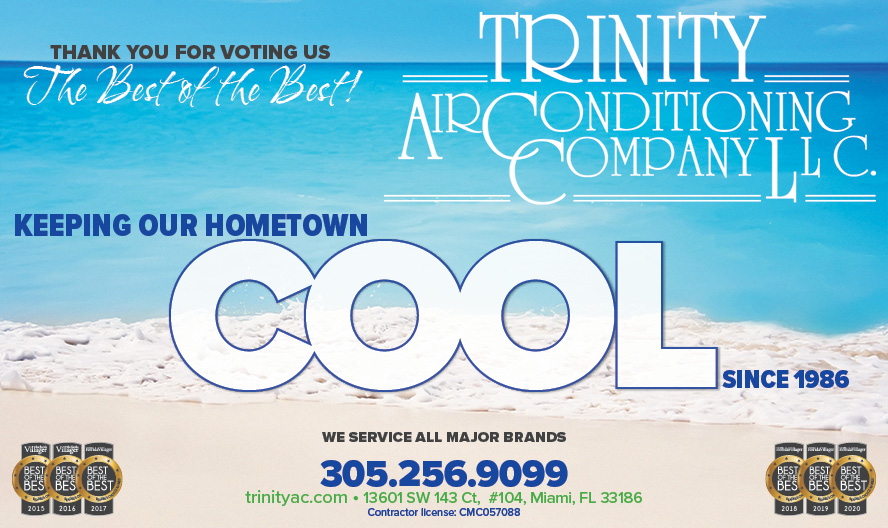
 Trinity Air Conditioning Company
 Cisca Construction & Development
 Mosquito Joe
 Cutler Bay Solar Solutions


 Miami Royal Ballet & Dance
 Christopher Columbus
 Pineview Preschools
 Westminster
 Carrollton
 Lil’ Jungle
 Frost Science Museum
 Palmer Trinity School
 South Florida Music
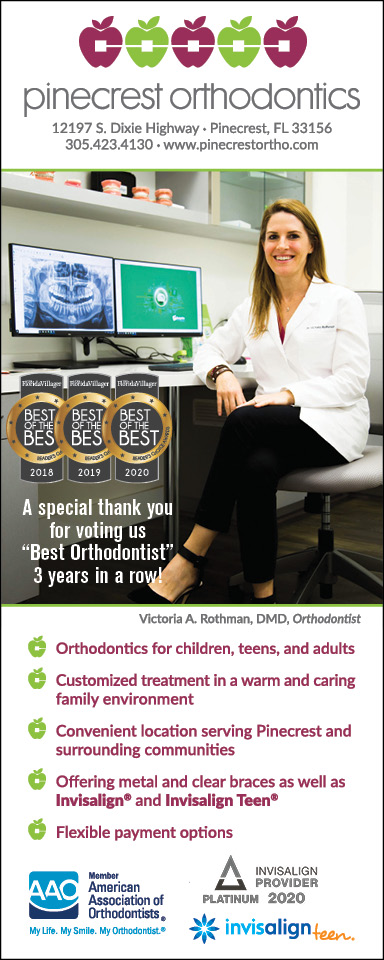
 Pinecrest Orthodontics
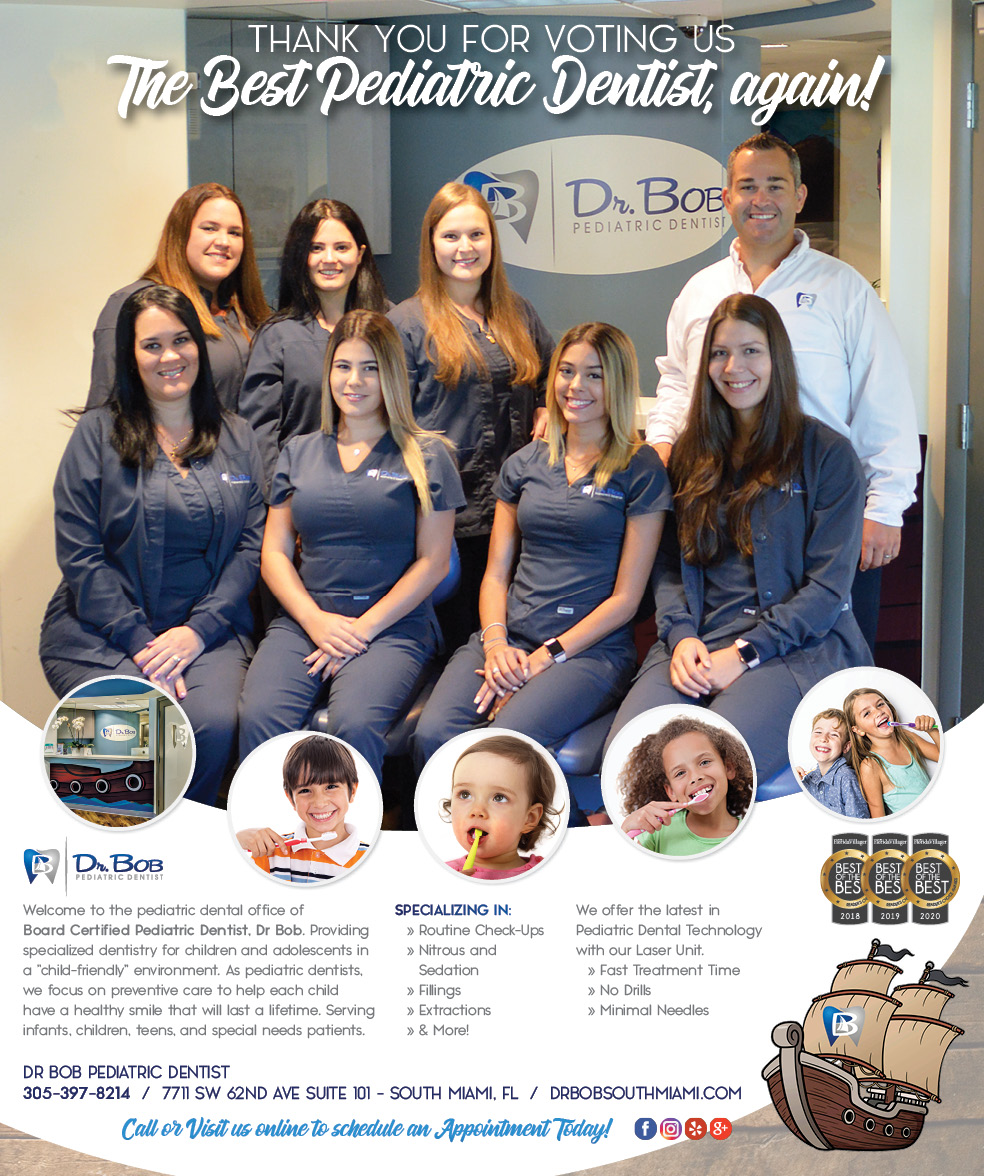
 Dr. Bob Pediatric Dentist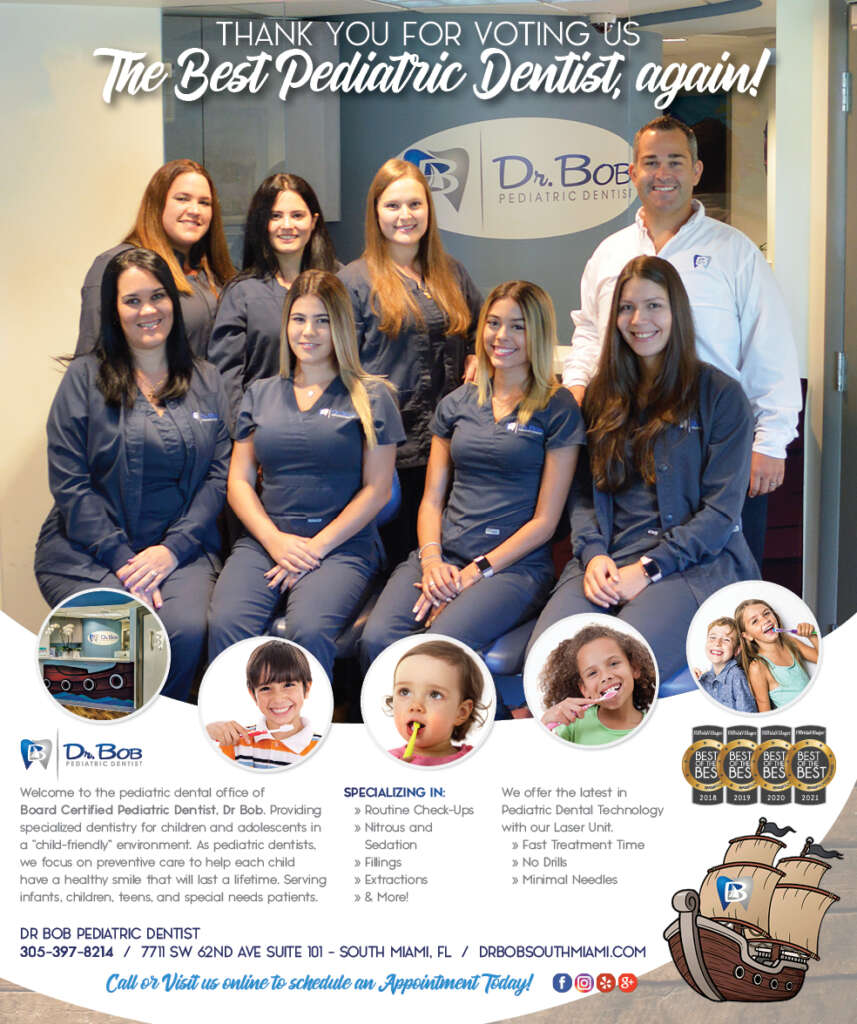
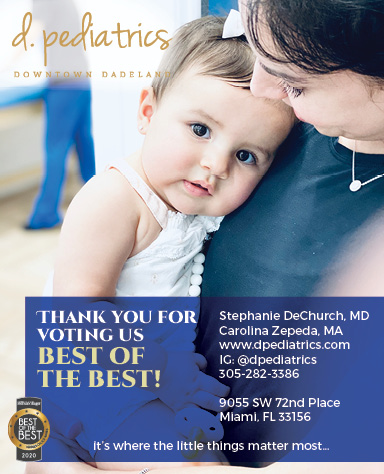
 d.pediatrics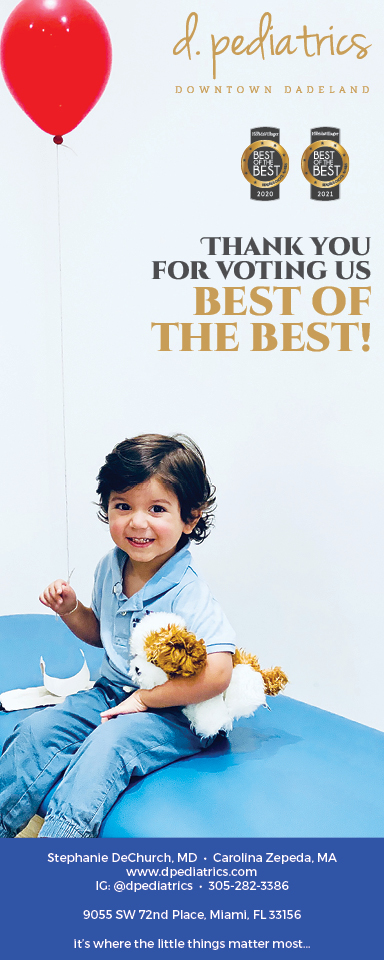
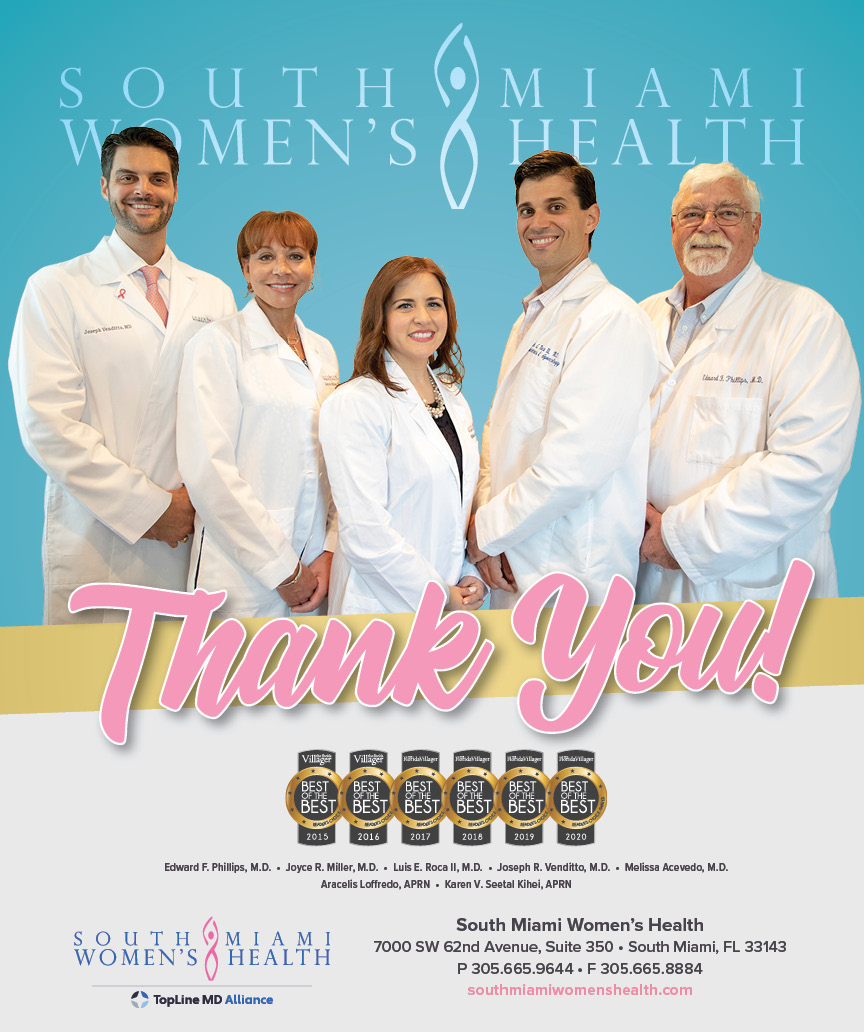
 South Miami Women’s Health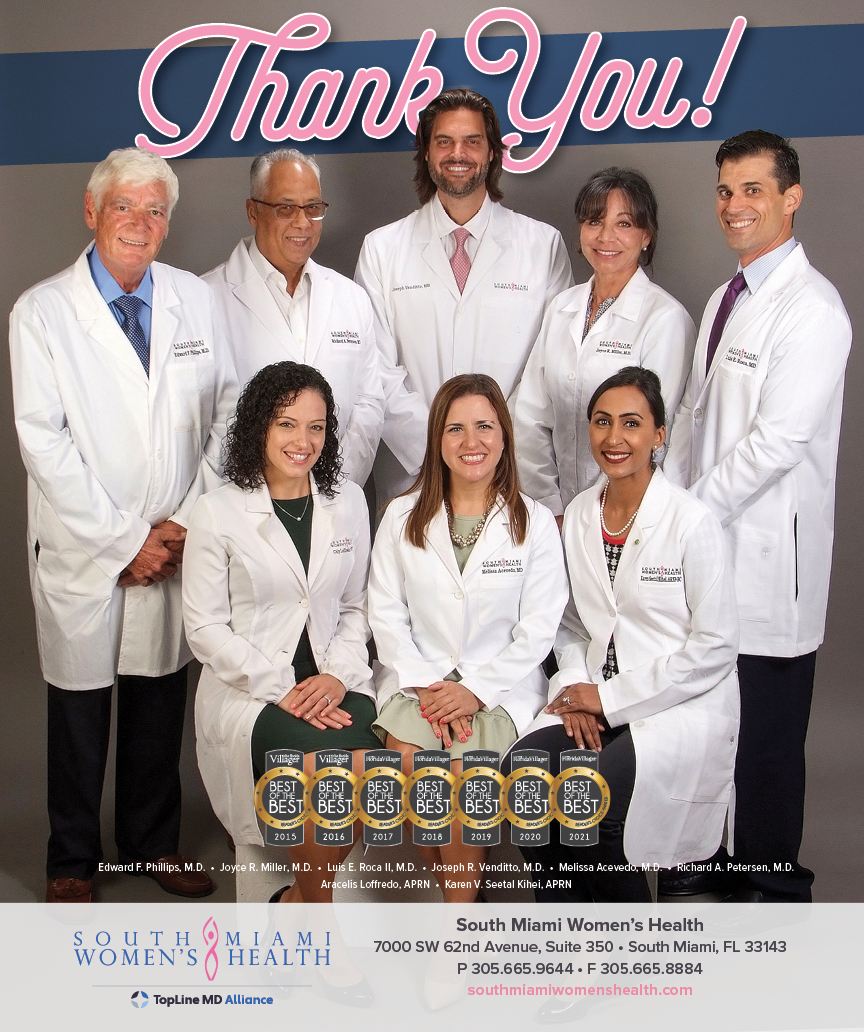
 Endodontix Dental Group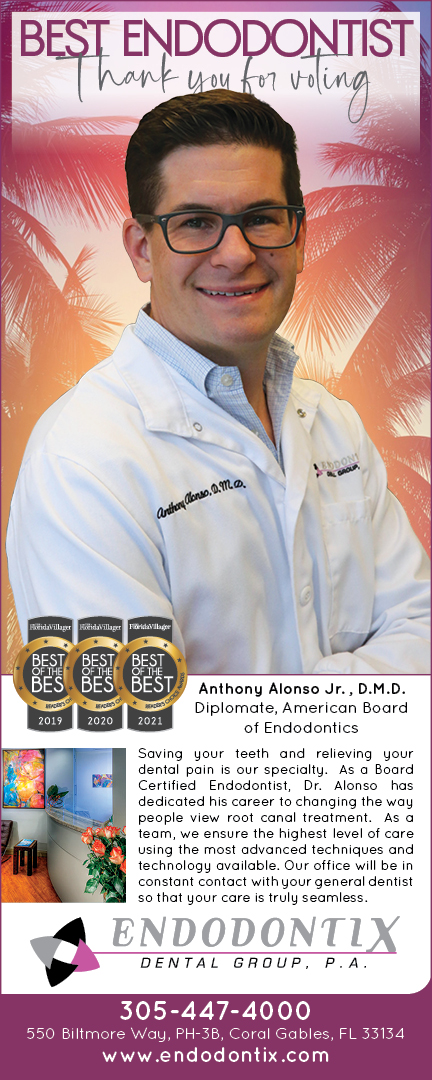
 The Spot Barbershop
 My Derma Clinic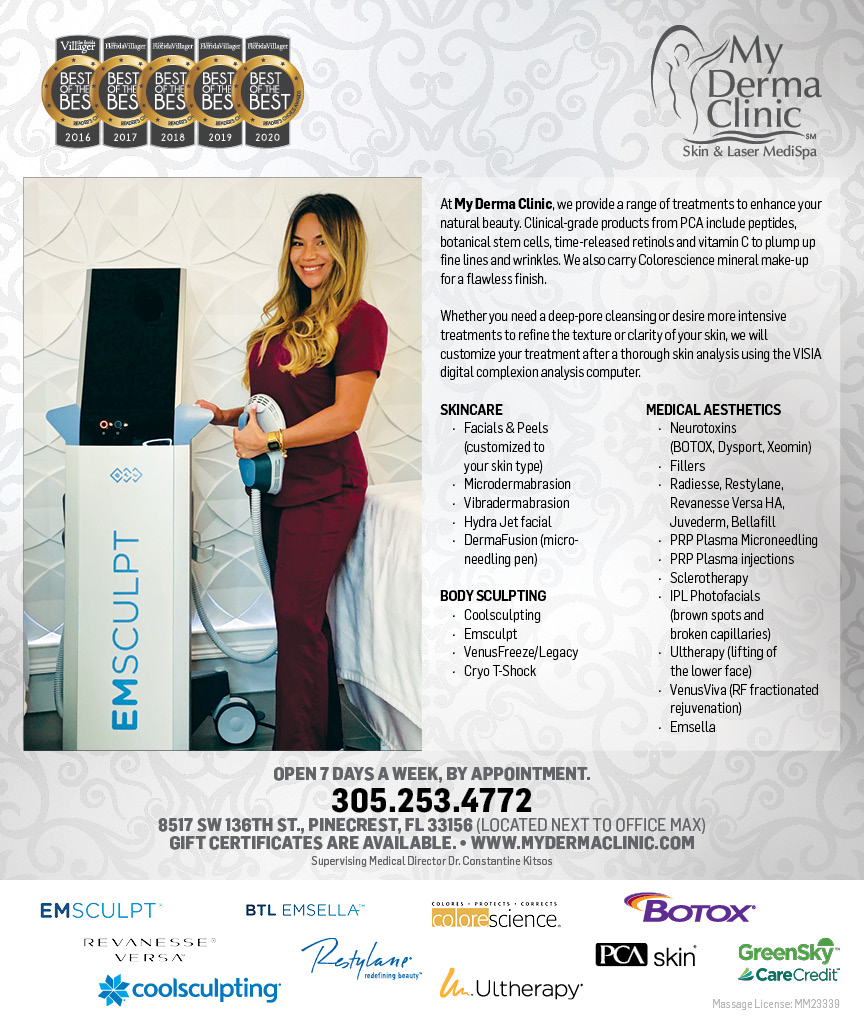

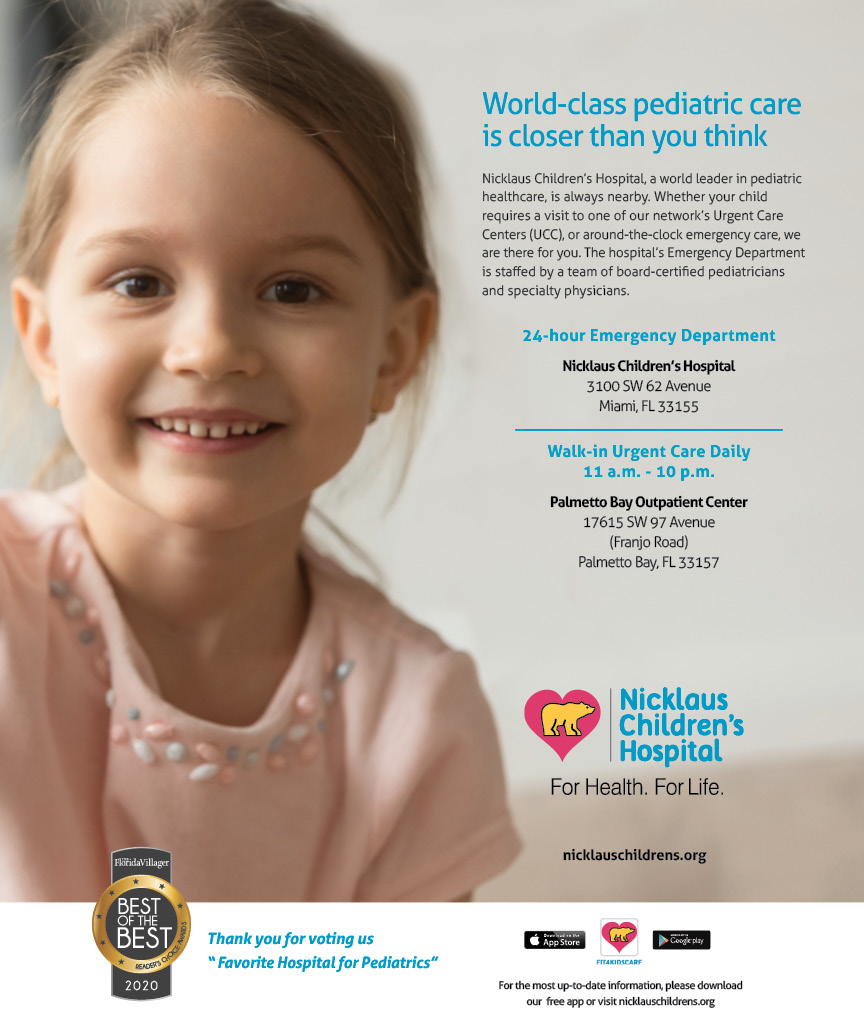
 Miami Dance Project
 Rubinstein Family Chiropractic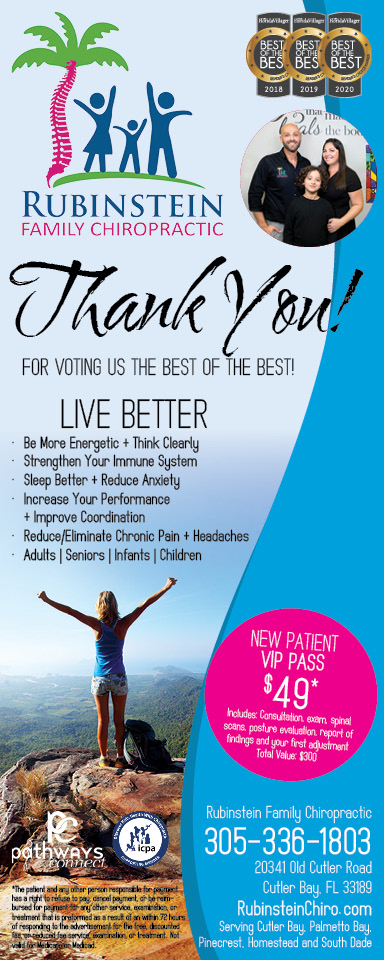
 Indigo Republic
 Safes Universe
 Vintage Liquors
 Evenings Delight


 Atchana’s Homegrown Thai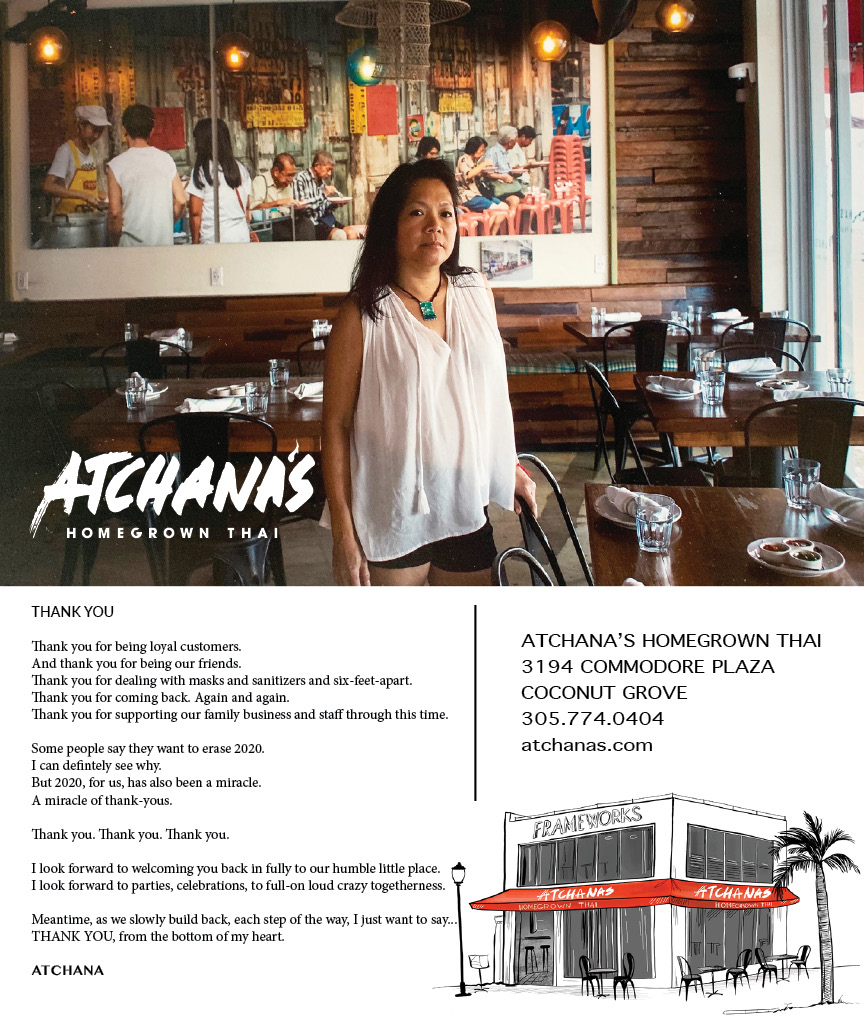
 Baptist Health South Florida
 Laser Eye Center of Miami
 Visiting Angels
 OpusCare of South Florida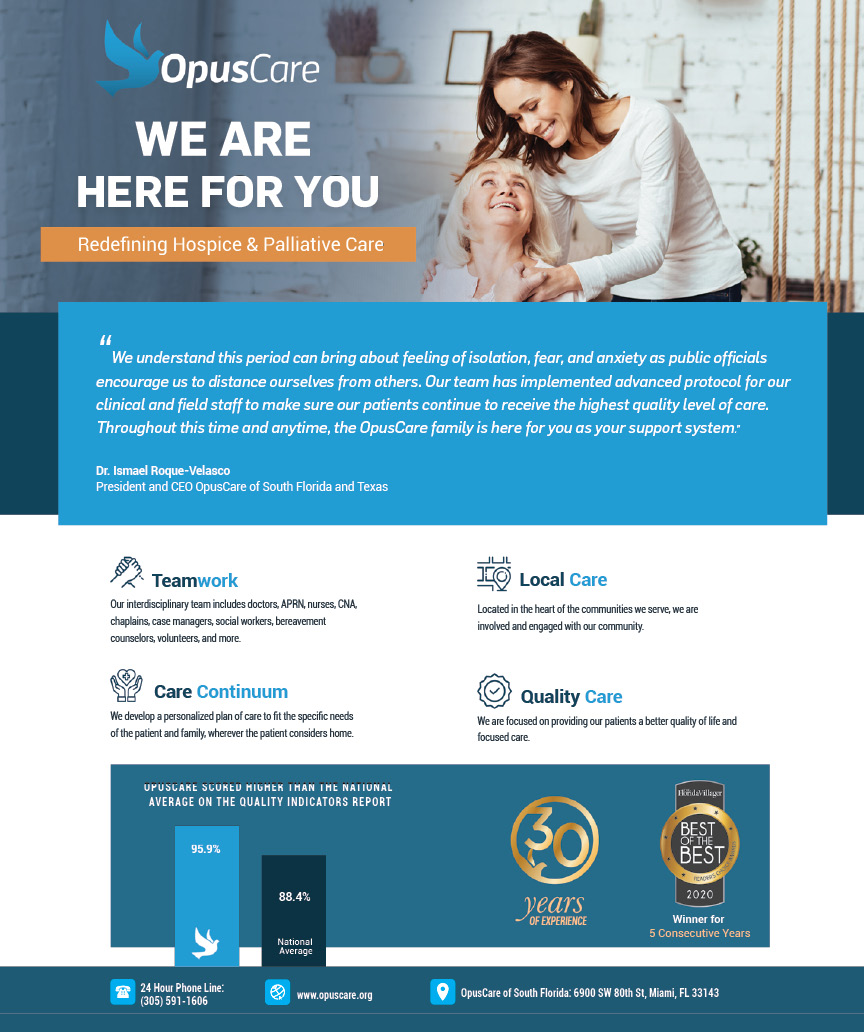

 Your Pet’s Best

 HD Tree Services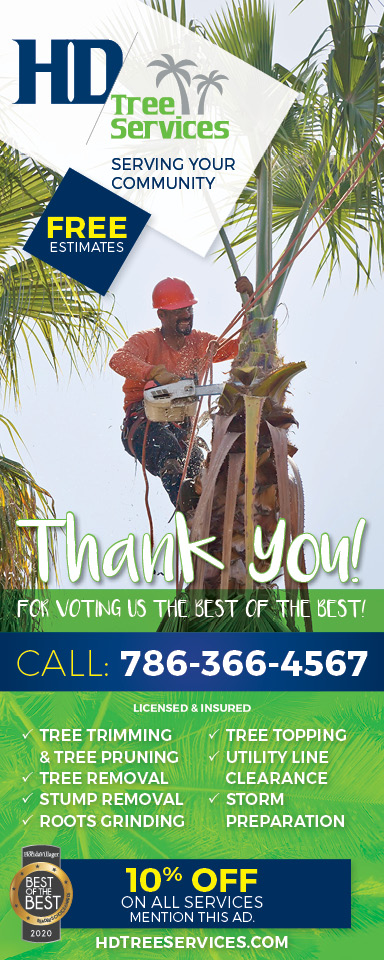
 Hamilton Fox & Company

 Creative Design Services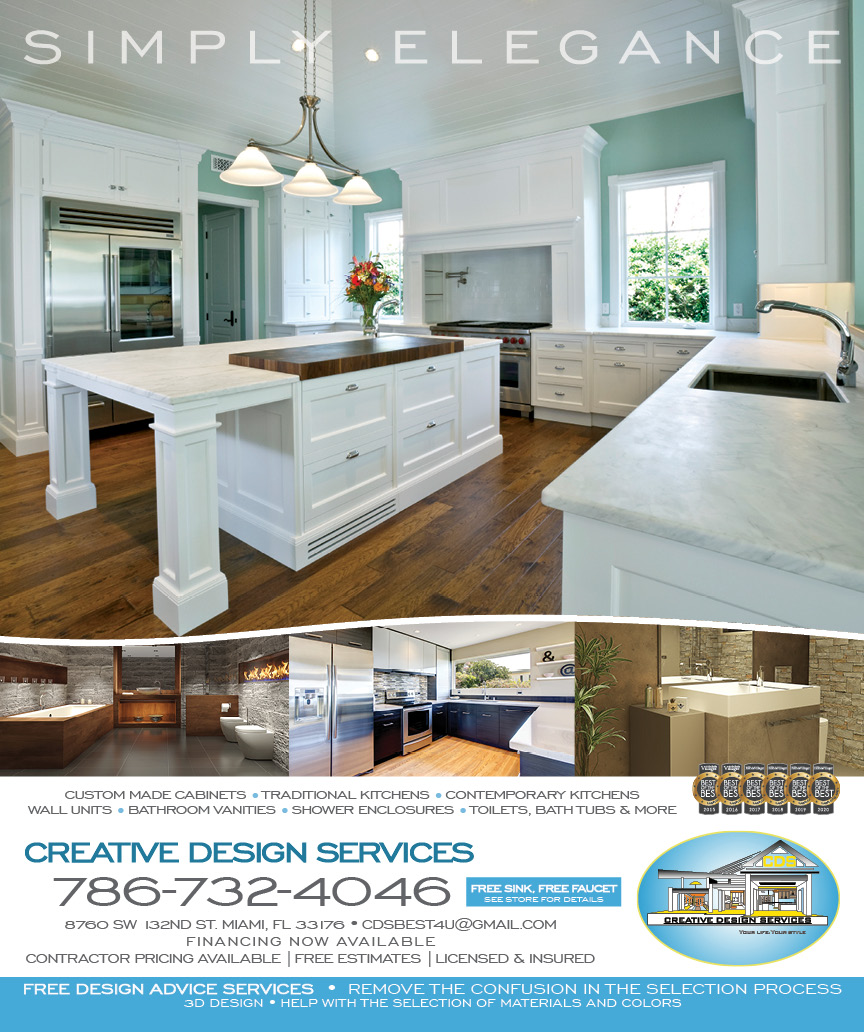


Its not my first time to pay a visit this website, i am visiting this site dailly and
obtain good facts from here every day.
I’m not that much of a internet reader to be honest but your blogs really nice, keep it up!
I’ll go ahead and bookmark your website to come back down the road.
Cheers