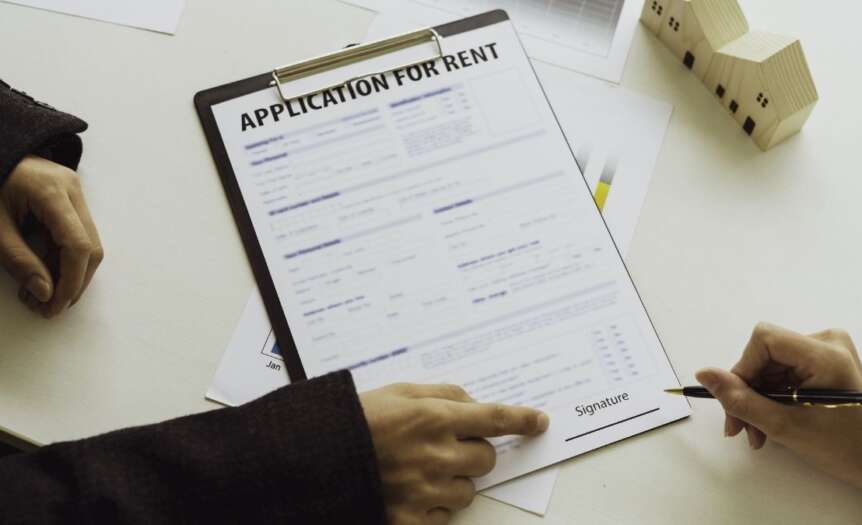
While many landlords offer short-term, month-to-month leases (these can be as long as six months), you also have another option when renting out a property: a long-term lease. This refers to any lease that exceeds six months, usually a year or years-long agreement. Let’s take a closer look at the benefits and drawbacks of long-term leases.
Long vs. Short: At a Glance
There are some key differences to consider when dealing with short and long-term leases (aside from the obvious length difference). With a short-term plan, you can change your rental rates after a tenant’s lease is up. You can do the same with a long-term lease, but you’ll need to wait longer between rate increases.
Short-term leases also prioritize flexibility—if you want to lease the property for a few months to gain capital, invest that money into renovations and upgrades, then charge more money, it’s easy enough. Long-term leases require you to wait a year or more before you can make those changes.
Benefits of Long-Term Leases
With those differences in mind, let’s discuss the benefits of long-term leases. The most appealing is consistency. If this is your first rental property, a short-term lease could result in months of vacancy and missing out on money you were counting on. A long-term lease guarantees income for at least a year, and you’ll have more time to find new renters before the lease is up.
In the same vein, a long-term lease also results in less paperwork than several short-term ones. If you don’t have a property manager, you’ll need to find new tenants every few months, screen them, and get them set up in your rental. With a long-term lease, you’ll get to relax much longer before needing to repeat the process.
Finally, tenants who sign a long-term lease are usually more likely to renew the lease when their 12 months are up. A year or years-long lease attracts tenants looking for stability, so if you’re lucky, you might be able to enjoy several years without paperwork and with consistent income. Finding the perfect tenant isn’t easy, but it’s worth your time.
Drawbacks of Long-Term Leases
We’ve already touched on the lack of flexibility and the inability to raise your rates as quickly, but there are some other factors to consider, too. If your screening process lets through a lousy tenant, you’re going to need to deal with them for longer. A renter who’s consistently late with their payments and makes frequent demands could be a factor for a matter of years, as opposed to a few months.
That brings us to the final drawback: you need to put much more thought into who you’ll rent to. If a problem tenant slips through the cracks with a short-term lease, it’ll be annoying but brief. A long-term lease demands perfection in your search and screening process.
Now that you know the benefits and drawbacks of long-term leases, weigh your options and decide what’s right for you!








 Deering Estate
 Massage Envy South Miami
 Calla Blow Dry
 My Derma Clinic
 Sports Grill
 The Healthy Kitchen
 Sushi Maki
 Golden Rule Seafood
 Malanga Cuban Café


 Kathleen Ballard
 Panter, Panter & Sampedro
 Vintage Liquors
 The Dog from Ipanema
 Rubinstein Family Chiropractic
 Your Pet’s Best
 Indigo Republic
 Animal Health and Rehab
 Maurice’s Jewelers
 ATR Luxury Homes


 2112 Design Studio
 Hamilton Fox & Company
 Creative Design Services
 Best Pest Professionals
 HD Tree Services
 Trinity Air Conditioning Company
 Cisca Construction & Development
 Mosquito Joe
 Cutler Bay Solar Solutions


 Miami Royal Ballet & Dance
 Christopher Columbus
 Pineview Preschools
 Westminster
 Carrollton
 Lil’ Jungle
 Frost Science Museum
 Palmer Trinity School
 South Florida Music
 Pinecrest Orthodontics
 Dr. Bob Pediatric Dentist
 d.pediatrics


 South Miami Women’s Health
 Endodontix Dental Group
 The Spot Barbershop
 My Derma Clinic




 Miami Dance Project

 Rubinstein Family Chiropractic
 Indigo Republic

 Safes Universe
 Vintage Liquors
 Evenings Delight





 Atchana’s Homegrown Thai
 Baptist Health South Florida

 Laser Eye Center of Miami
 Visiting Angels
 OpusCare of South Florida



 Your Pet’s Best

 HD Tree Services
 Hamilton Fox & Company

 Creative Design Services