
Spending several months in Florida can offer an appealing escape from northern winters, especially when South Florida becomes a familiar destination. Yet dividing the year between two homes introduces responsibilities that a shorter trip never creates.
Before becoming a seasonal Floridian, consider what your yearly schedule will look like and how you will manage the transition between residences. Establishing those basics early can make it easier to choose the right Florida home and settle into a routine that works each season.
Decide How Much of the Year You’ll Spend in Florida
How long you expect to stay in Florida will shape many of the decisions that follow, including where you live and how much you keep there. A household arriving for January and February has different needs from someone who plans to stay from late fall until spring.
When mapping out those months, consider the commitments that require you to be in each location rather than choosing travel dates based solely on the weather. Family events or work obligations may affect when you head south or return home, so some flexibility can make seasonal living easier when plans change.
Choose a Florida Home That Works for Part-Time Living
Once you know how long you expect to stay, consider how much property you want to manage during the months you are in Florida. A large single-family home may provide plenty of space, but it can come with maintenance responsibilities that continue after you leave.
Condos and communities with exterior maintenance can reduce some of that workload. Association fees and community rules then become part of the decision, so consider whether the convenience matches how you expect to use the residence.
When comparing potential neighborhoods, look beyond proximity to the beach or the attractions you expect to enjoy during your free time. A home near the places you will visit regularly can make everyday life easier, particularly when you plan to spend several months there. Think about what an ordinary Tuesday will look like, not just how you expect to spend weekends.
Decide How You’ll Travel Between Your Two Homes
With both locations established, determine how you will make the recurring trip between them. Flying can reduce travel time for people coming from distant states, while driving provides greater flexibility when you want to carry more belongings or control your departure date.
The decision becomes more complicated when a recreational vehicle is part of your seasonal lifestyle. Owners who want an RV available in Florida without driving it for the entire journey may need to consider the difference between local and interstate RV moves, since crossing state lines can change transportation requirements and planning.
Because the same transportation decision needs to work in both directions, consider the return journey before settling on a routine. A travel method that feels convenient on the way to Florida should still make sense several months later when you need to reverse the process. Building a dependable travel routine can remove one of the larger uncertainties from seasonal living.
Decide What Should Travel With You
After choosing how you will travel, determine which belongings actually need to make the trip. Someone who flies may have stronger reasons to keep everyday necessities at both residences, while a household driving south has more room to bring items along.
During your first season, the belongings you reach for consistently can reveal what deserves a permanent place in Florida. Keeping frequently needed household goods there can gradually reduce the amount of packing required before every trip, although expensive or difficult-to-duplicate items may still be worth transporting between residences.
Plan for the Home You’re Leaving Empty
Seasonal residents eventually leave each residence unattended for an extended period, so both homes need an absence plan. When you travel to Florida for the winter, someone may need to check your primary residence and respond if a household problem develops while you are away.
The preparations each property requires will depend partly on the conditions it faces while you are away. A northern home may need protection from freezing temperatures or winter storms, while a South Florida property could sit vacant during part of hurricane season. Although the risks differ, both situations benefit from having someone nearby who can physically check the property when necessary.
Remote technology can provide additional visibility into a vacant home, although it cannot handle every problem from a distance. Decide who can enter the property when needed and how that person will reach you if something requires a decision. Making those arrangements before departure can prevent an ordinary maintenance issue from becoming a stressful long-distance problem.
Build a Life in Your Florida Community
Once the logistical side of seasonal living becomes manageable, your attention can shift toward making Florida feel like home. Several months in one place provides enough time to develop routines that go beyond restaurants, beaches, and vacation activities.
As ordinary routines begin replacing the vacation mindset, familiarity with nearby services can make day-to-day life feel more settled. Seasonal residents in communities such as Coral Gables, Pinecrest, Palmetto Bay, or South Miami can gradually find their preferred places for groceries and recreation while getting to know local businesses.
Beyond establishing those everyday habits, becoming involved in the community can create connections that carry from one season to the next. Local events and neighborhood activities provide opportunities to meet people you may see again when you return, making each arrival in Florida feel less like the beginning of another extended trip.
Refine Your Routine After the First Season
After several months of seasonal living, you will have practical experience that no amount of advance planning could provide. You may find that some belongings never left the closet or that your original travel schedule created more inconvenience than expected.
With those first-season lessons in mind, the next transition can become much easier to organize. Keep track of arrangements that worked well and note what you would handle differently before returning, focusing on the changes that would prevent you from solving the same problems twice.
Make Florida Feel Like a Second Home
Seasonal living works best when Florida becomes part of your regular life instead of a destination that requires starting from scratch every year. A manageable residence and dependable travel routine create the foundation, while familiarity with your community makes each return feel more natural.
Careful planning before you become a seasonal Floridian can make the transition between homes easier without turning the lifestyle into a constant logistical project. Once you know how you want to divide your year and manage each residence, more of your Florida season can go toward enjoying the life you came south to have.








 Deering Estate
 Massage Envy South Miami
 Calla Blow Dry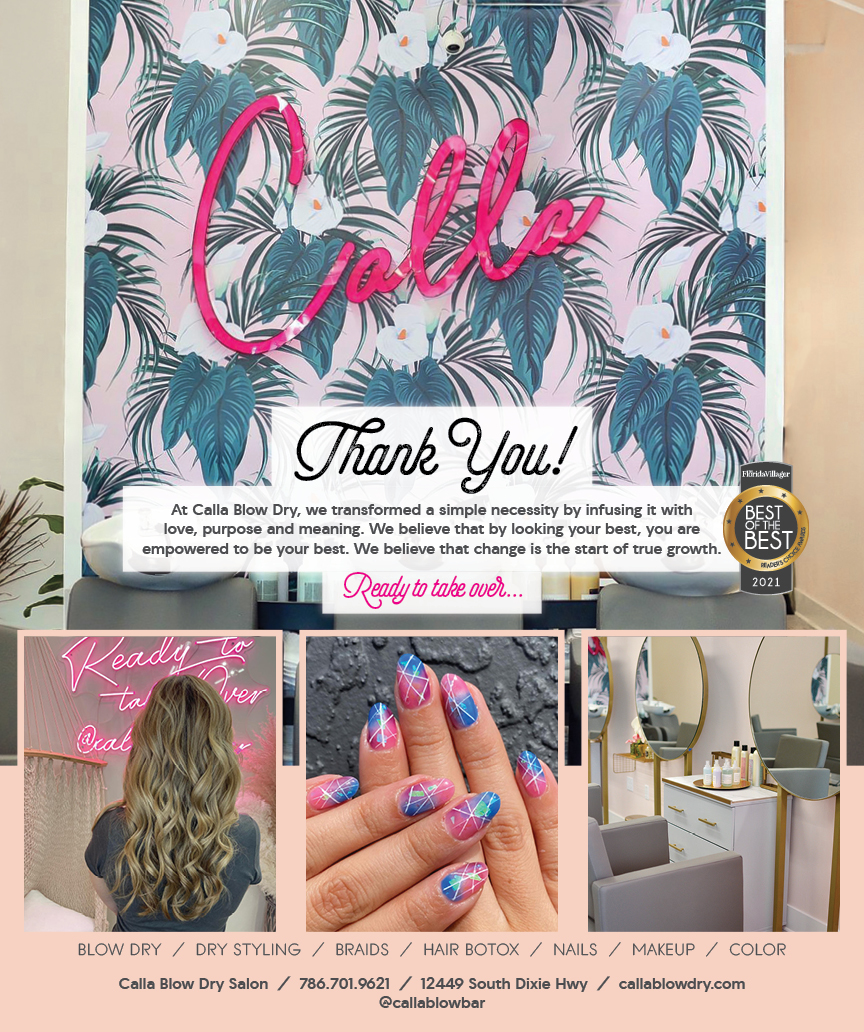
 My Derma Clinic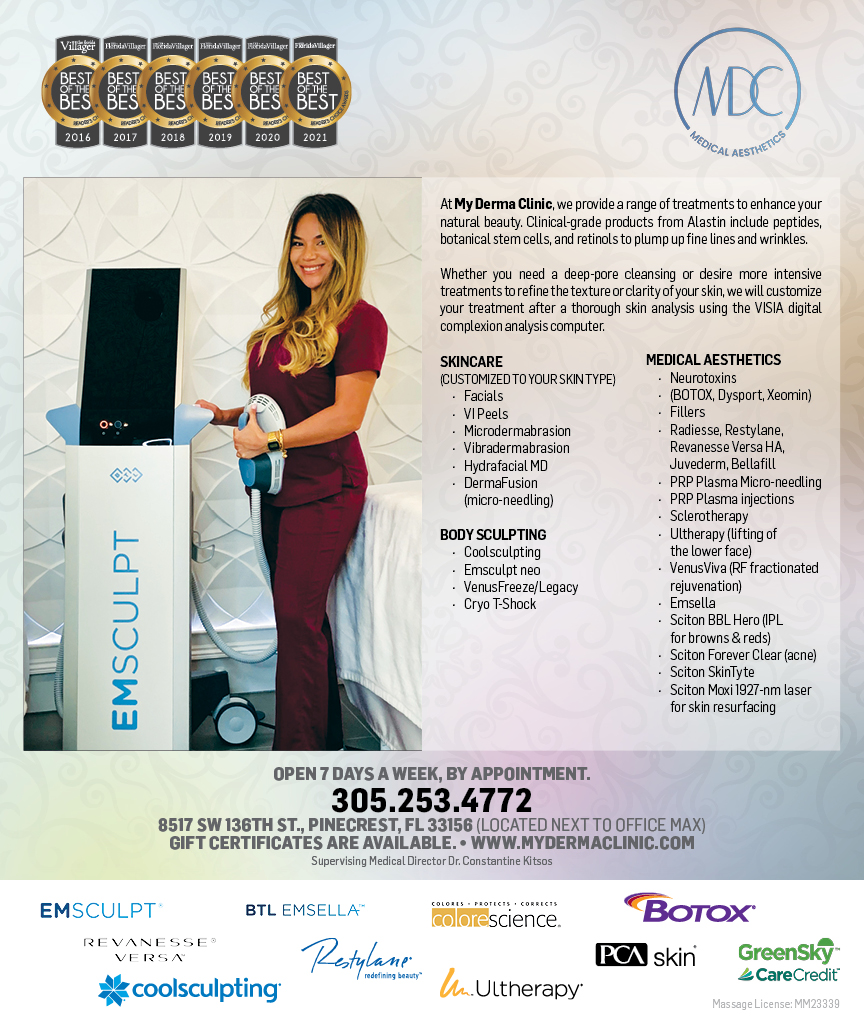
 Sports Grill
 The Healthy Kitchen
 Sushi Maki
 Golden Rule Seafood
 Malanga Cuban Café


 Kathleen Ballard
 Panter, Panter & Sampedro
 Vintage Liquors
 The Dog from Ipanema
 Rubinstein Family Chiropractic
 Your Pet’s Best
 Indigo Republic
 Animal Health and Rehab
 Maurice’s Jewelers
 ATR Luxury Homes

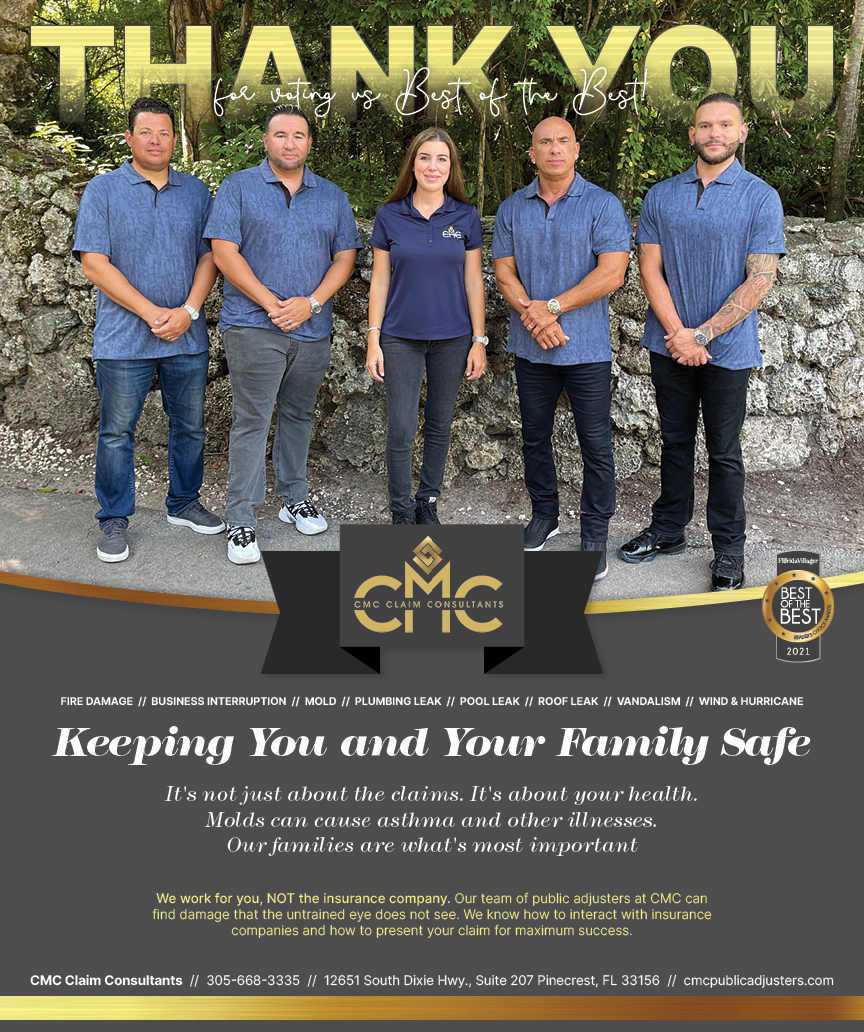
 2112 Design Studio
 Hamilton Fox & Company
 Creative Design Services
 Best Pest Professionals
 HD Tree Services
 Trinity Air Conditioning Company
 Cisca Construction & Development
 Mosquito Joe
 Cutler Bay Solar Solutions


 Miami Royal Ballet & Dance
 Christopher Columbus
 Pineview Preschools
 Westminster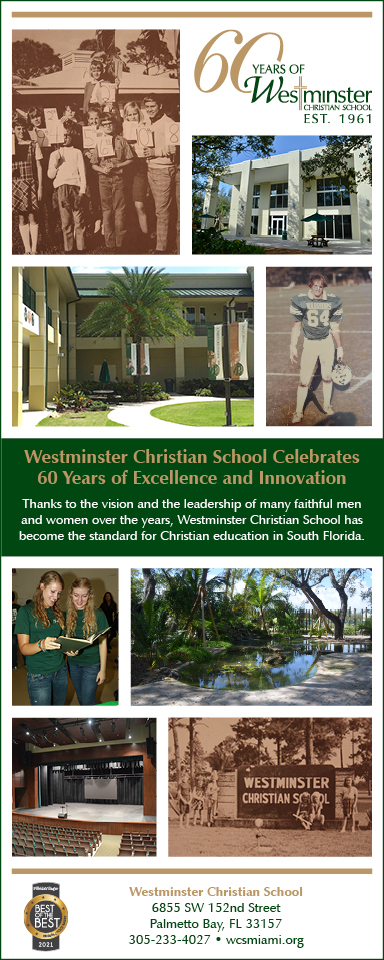
 Carrollton
 Lil’ Jungle
 Frost Science Museum
 Palmer Trinity School
 South Florida Music
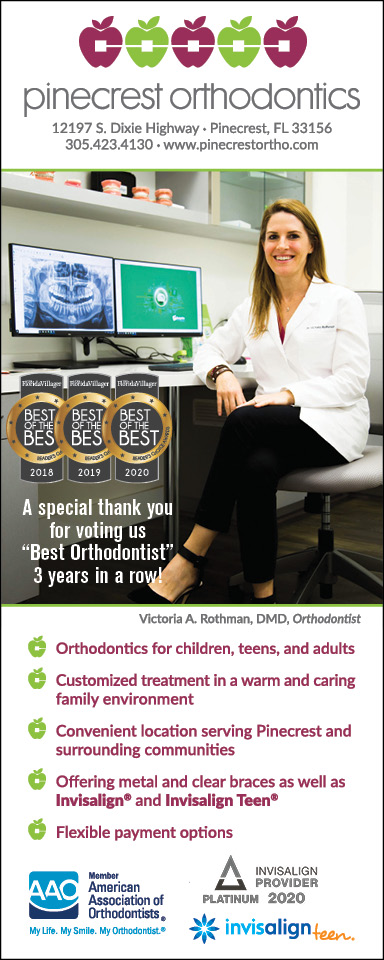
 Pinecrest Orthodontics
 Dr. Bob Pediatric Dentist
 d.pediatrics

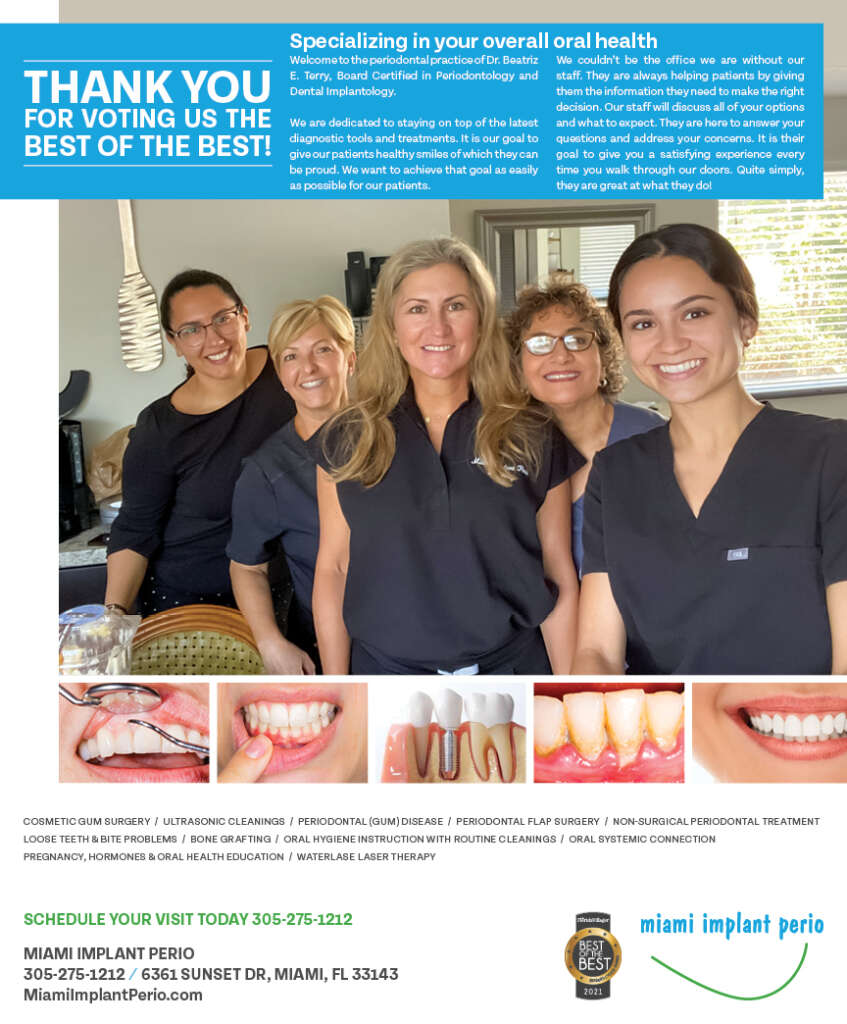
 South Miami Women’s Health
 Endodontix Dental Group
 The Spot Barbershop
 My Derma Clinic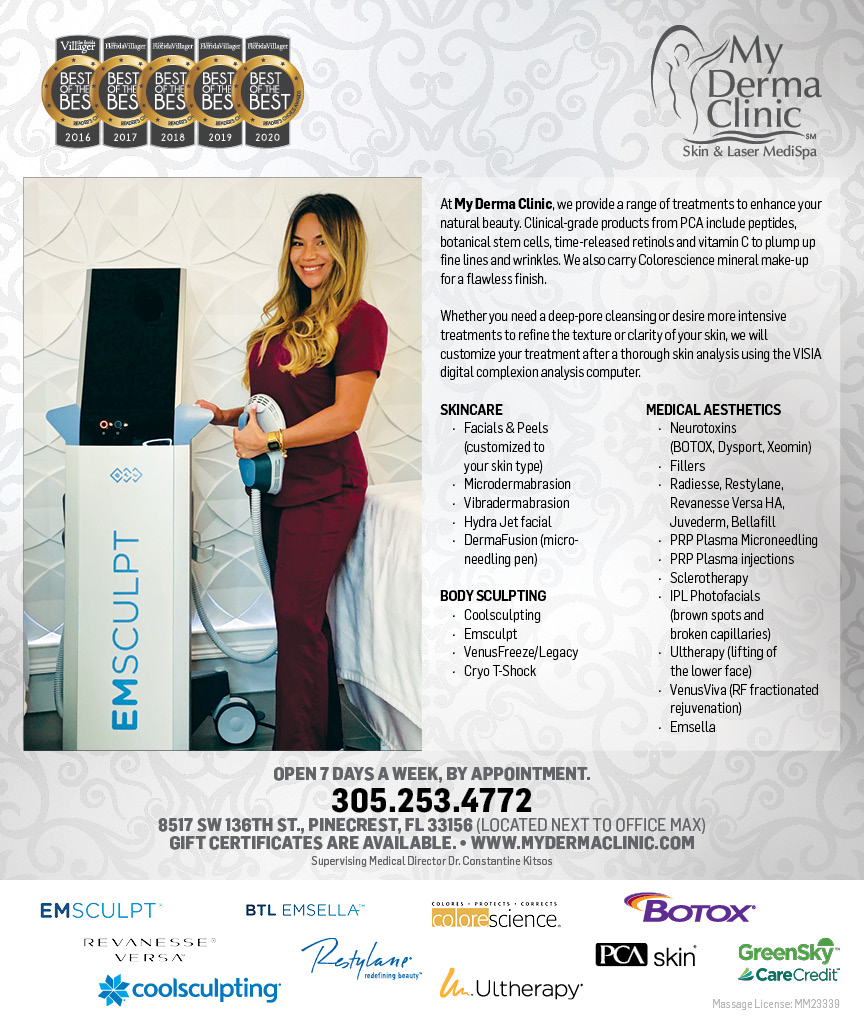



 Miami Dance Project

 Rubinstein Family Chiropractic
 Indigo Republic

 Safes Universe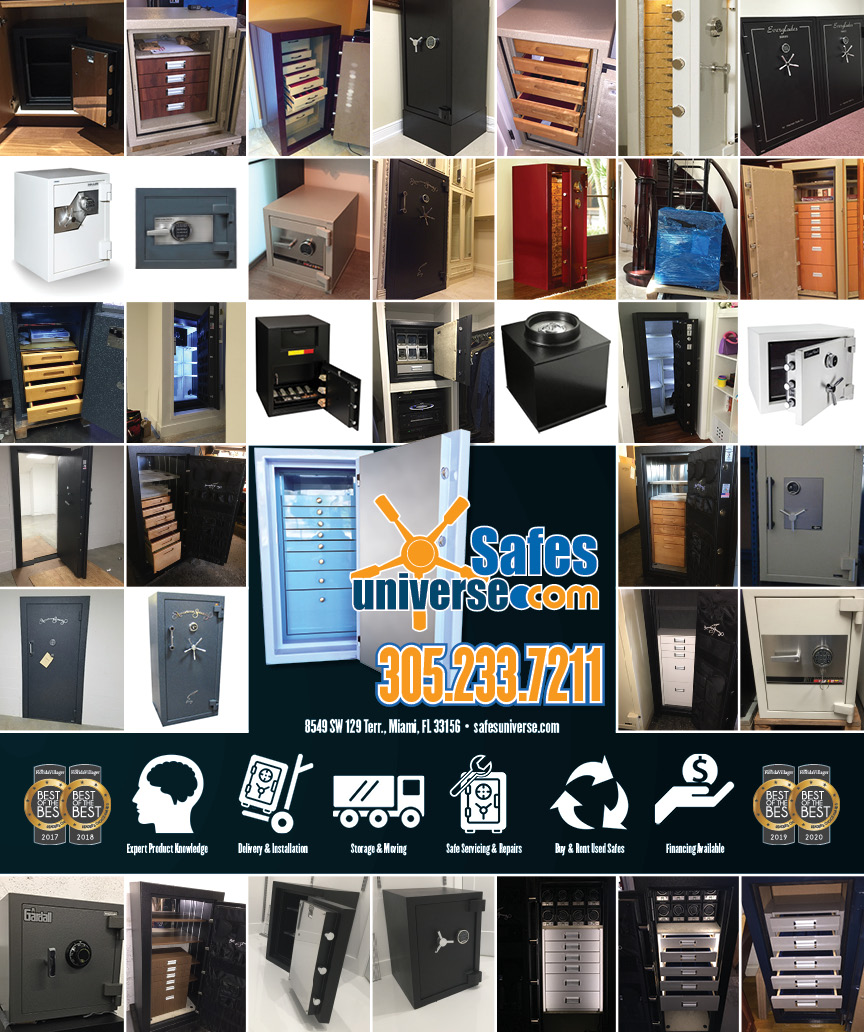
 Vintage Liquors
 Evenings Delight





 Atchana’s Homegrown Thai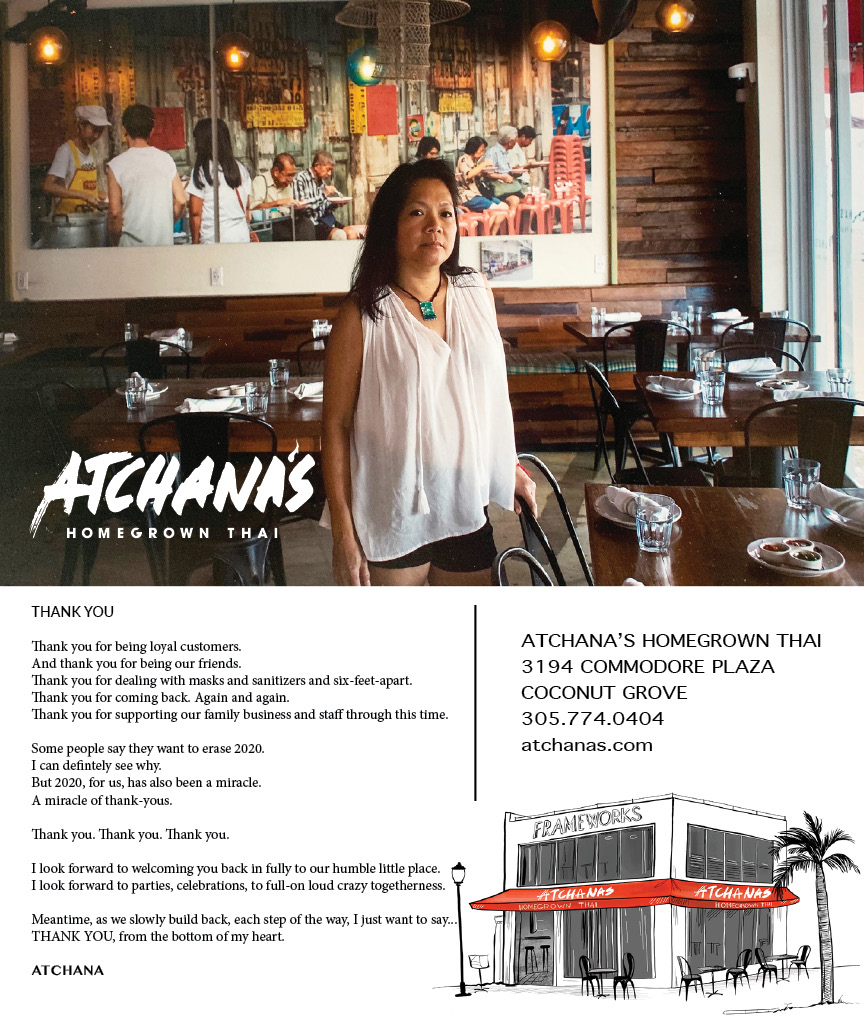
 Baptist Health South Florida

 Laser Eye Center of Miami
 Visiting Angels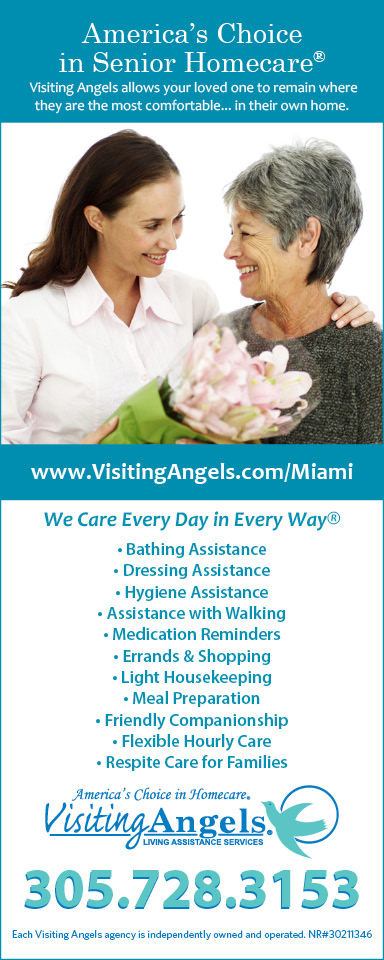
 OpusCare of South Florida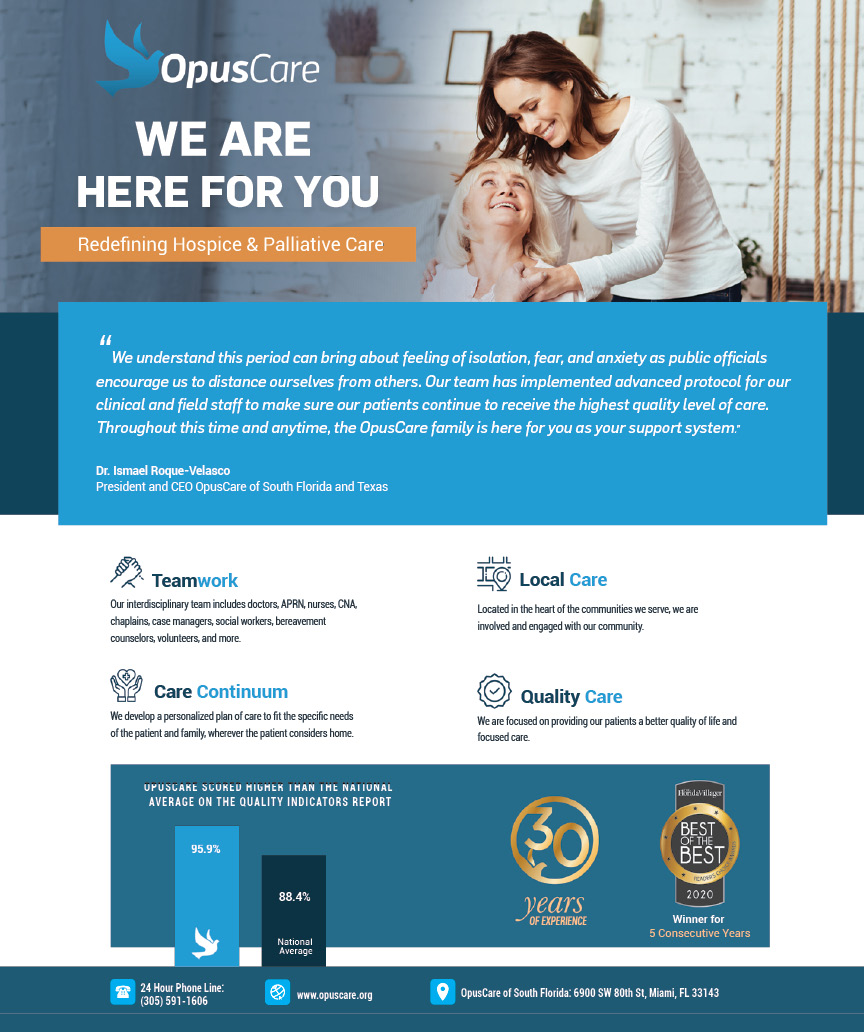



 Your Pet’s Best

 HD Tree Services
 Hamilton Fox & Company

 Creative Design Services