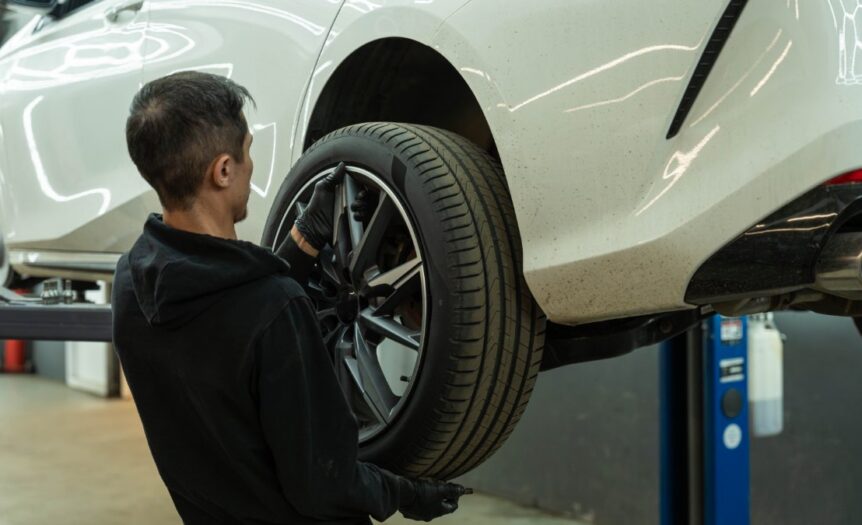
A new set of tires can change how a vehicle feels on the road, but the purchase deserves more thought than a quick glance at price tags. Tire size, tread condition, vehicle use, and local road conditions can all shape the choice. A little preparation also helps drivers avoid a tire that looks right on paper but doesn’t suit their car or daily routine. Before you settle on a new set, take time to review these critical things to know before replacing your tires.
1. Tire Age Matters Alongside Tread Depth
Tread depth gets plenty of attention because worn tread can reduce traction, especially on wet roads. Still, tread isn’t the only part of the tire worth a close look. Rubber changes as a tire ages, even on a car that doesn’t rack up many miles.
Each tire has a Department of Transportation code on its sidewall. The final four digits identify the week and year of manufacture. For example, a code that ends in 1824 indicates production during the 18th week of 2024.
Age deserves extra attention on vehicles that spend long stretches parked. A tire may retain visible tread, but show cracks, dry rubber, or other signs of deterioration. A professional inspection can provide more context when age and tread condition tell different stories.
2. Your Vehicle Requires a Specific Tire Size
Tires come in far more sizes than most drivers encounter during day-to-day vehicle care. The combination of numbers and letters on the sidewall identifies dimensions and other specifications. Those markings aren’t random, and a close match isn’t necessarily the correct match.
You can usually find the manufacturer-recommended tire information on the placard inside the driver’s door jamb. The owner’s manual can also provide relevant specifications. Use that information as your starting point rather than relying only on the markings from an old tire. The correct specifications help the tire work as intended with the vehicle. A poor fit can affect clearance, handling characteristics, speedometer readings, and other aspects of road performance.
3. Your Daily Routine Should Influence Your Choice
Two drivers with the same model of car may have very different needs. One may commute a few miles through city streets each day. Another may spend hours on highways every week.
Think about the roads you use, the miles you cover, and the weather you face throughout the year. A driver who spends considerable time on the interstate may place more value on ride comfort and tread life. Someone who deals with frequent heavy rain may pay closer attention to wet-road traction.
Your vehicle matters too. A family SUV, work pickup, and sporty sedan place different demands on their tires. Tire selection works best when the product fits both the vehicle and the way you use it.
4. Replacing All Four Tires Isn’t Always Necessary
A worn or damaged tire doesn’t automatically mean every tire on the vehicle must go. In some cases, replacement of one or two tires may be appropriate. The condition of the remaining tires, the drivetrain, and the manufacturer’s recommendations all deserve consideration first.
Large differences in tread depth can create concerns on some vehicles. All-wheel-drive systems can be particularly sensitive to differences in tire circumference. The vehicle manufacturer may specify limits for acceptable tread variation.
This is one area where a bargain can become less appealing after closer inspection. Before you replace only one tire, compare the tread depth and condition across the entire set. That extra check can reveal the best path for the vehicle. Don’t forget why new tires need a break-in period so you can adjust performance expectations accordingly.
5. Tire Ratings Tell You More Than the Size
The sidewall contains more than dimensional information. It also provides ratings and codes that describe tire capabilities. Understanding a few of them can help you compare choices with more context.
Pay attention to:
- Load index: Indicates the maximum load the tire can support under specified conditions
- Speed rating: Identifies the tire’s rated speed capability under specified test conditions
- Treadwear rating: Provides a comparative measure of expected tread wear under standardized test conditions
- Traction grade: Reflects performance in a specific wet-brake test
- Temperature grade: Relates to resistance to heat under controlled test conditions
These markings shouldn’t serve as a stand-alone shopping list. Instead, use them alongside the vehicle manufacturer’s specifications and your own road habits.
6. Price Doesn’t Tell the Whole Story
The lowest upfront price can look attractive, especially when you need several tires at once. However, cost alone says little about how well a tire suits your car. Tread life, road comfort, traction characteristics, and manufacturer specifications deserve a place in the comparison.
Consider how long you expect to keep the vehicle as well. A driver with a long daily commute may view value differently from someone whose car sees light use around town. The better purchase is the tire that fits the vehicle, the budget, and the expected use.
It also helps to compare tires on equal terms. A lower-priced model with different ratings or characteristics may not provide the same experience as another option. Look past the number on the price tag before you decide.
7. Uneven Wear May Point to Another Problem
Old tires can tell a story about the vehicle. If one edge has far less tread than the other, or one tire looks noticeably different from the rest, don’t ignore the pattern. New tires alone may not address the source of the wear.
Alignment issues can contribute to uneven tread loss. Tire pressure, suspension condition, and rotation habits can also affect how tread wears across the set. A closer inspection before replacement can help uncover concerns that deserve attention.
Otherwise, a fresh set may start to develop the same wear pattern. Think of the old tires as evidence rather than trash. Their condition can provide useful clues about how the vehicle has behaved on the road.
Take a Closer Look Before Your Next Tire Purchase
Keep these things to know before replacing your tires in mind as your current set approaches the end of its service life. The right choice starts with accurate vehicle information and a clear view of your needs, not just a familiar brand name or attractive price. Stop by your local tire shop to discuss your tires and find a set suited to the miles ahead.








 Deering Estate

 Massage Envy South Miami

 Calla Blow Dry

 My Derma Clinic

 Sports Grill

 The Healthy Kitchen

 Sushi Maki

 Golden Rule Seafood

 Malanga Cuban Café



 Kathleen Ballard

 Panter, Panter & Sampedro

 Vintage Liquors

 The Dog from Ipanema

 Rubinstein Family Chiropractic

 Your Pet’s Best

 Indigo Republic

 Animal Health and Rehab

 Maurice’s Jewelers

 ATR Luxury Homes



 2112 Design Studio

 Hamilton Fox & Company

 Creative Design Services

 Best Pest Professionals

 HD Tree Services
 Trinity Air Conditioning Company

 Cisca Construction & Development

 Mosquito Joe

 Cutler Bay Solar Solutions



 Miami Royal Ballet & Dance

 Christopher Columbus

 Pineview Preschools

 Westminster

 Carrollton

 Lil’ Jungle

 Frost Science Museum

 Palmer Trinity School

 South Florida Music

 Pinecrest Orthodontics

 Dr. Bob Pediatric Dentist

 d.pediatrics



 South Miami Women’s Health

 Endodontix Dental Group

 The Spot Barbershop

 My Derma Clinic





 Miami Dance Project


 Rubinstein Family Chiropractic

 Indigo Republic


 Safes Universe

 Vintage Liquors

 Evenings Delight






 Atchana’s Homegrown Thai

 Baptist Health South Florida


 Laser Eye Center of Miami

 Visiting Angels

 OpusCare of South Florida




 Your Pet’s Best


 HD Tree Services
 Hamilton Fox & Company


 Creative Design Services