
Choosing a healthcare career is a major decision. Many students want a profession that offers stability, meaningful work, and the opportunity to enter the medical field without spending many years in school.
This is one reason medical assisting has become a popular option for students looking for a practical healthcare career.
Medical assistants play an important role in modern healthcare. They support physicians, interact with patients, manage clinical tasks, and help medical offices operate efficiently.
But before choosing this career path, many future students ask an important question:
How much can a medical assistant earn, and does this career offer long-term growth?
The answer depends on several factors, including education, experience, location, employer type, and additional certifications.
Why Medical Assisting Continues to Grow in the Healthcare Industry
Healthcare systems across the United States continue to need skilled professionals who can support both clinical and administrative operations.
Medical assistants are especially valuable because they often perform a combination of responsibilities, including:
- Preparing patients for examinations
- Recording vital signs
- Updating medical records
- Assisting healthcare providers
- Scheduling appointments
- Communicating with patients
- Supporting daily clinic operations
This combination makes medical assistants an important part of healthcare teams.
According to the U.S. Bureau of Labor Statistics, employment for medical assistants is projected to grow 12% between 2024 and 2034, which is much faster than the average growth rate for all occupations. The BLS also projects approximately 112,300 openings per year over that period.
For students looking for a healthcare profession with strong demand, these numbers show why medical assisting continues to attract attention.
How Much Does a Medical Assistant Make?
Salary is one of the biggest factors students consider when choosing a career.
The income of a medical assistant can vary depending on several conditions:
- Years of experience
- Geographic location
- Type of healthcare facility
- Certifications
- Specialized skills
- Employer size
According to the U.S. Bureau of Labor Statistics, the median annual wage for medical assistants was $44,200 per year in May 2024, which equals approximately $21.25 per hour. The highest-paid 10% earned more than $57,830 annually.
While salary is important, many students also consider the combination of earning potential, education requirements, and career stability.
What Factors Affect a Medical Assistant’s Salary?
Not every medical assistant earns the same amount. Several factors can influence income over time.
1. Experience Level
Like many healthcare careers, experience can have a major impact on earnings.
Entry-level medical assistants may begin with foundational responsibilities, while experienced professionals often develop stronger clinical skills and may qualify for higher-paying opportunities.
With time, medical assistants can increase their value by gaining:
- Additional certifications
- Specialized clinical knowledge
- Experience with electronic health records
- Leadership responsibilities
2. Location
Where a medical assistant works can significantly affect salary.
Healthcare facilities in areas with higher demand for medical professionals may offer more competitive compensation.
Factors that influence regional pay include:
- Local cost of living
- Healthcare demand
- Number of medical facilities
- Shortage of qualified workers
Students should research salary expectations in the state or city where they plan to work.
3. Type of Healthcare Facility
The workplace environment can also influence earnings.
Medical assistants may work in:
- Physician offices
- Hospitals
- Outpatient care centers
- Specialty clinics
- Urgent care facilities
According to BLS data, medical assistants working in outpatient care centers had a median annual wage of $47,560, while those working in hospitals earned around $45,930.
This shows why choosing the right workplace can impact long-term earning potential.
4. Certifications and Additional Training
Education does not stop after completing a medical assisting program.
Many professionals choose to continue improving their skills through certifications and specialized training.
Additional qualifications can help medical assistants stand out in areas such as:
- Clinical procedures
- Medical coding
- Patient care
- Specialized medical practices
Continuous learning can create more opportunities for career advancement.
Medical Assistant Career Path: More Than Just an Entry-Level Job
Some students view medical assisting only as a starting point, but the profession can open doors to additional healthcare opportunities.
A medical assistant may eventually move toward roles involving:
- Specialized clinical areas
- Healthcare administration
- Nursing education pathways
- Advanced healthcare certifications
For many professionals, medical assisting becomes the first step in a larger healthcare career journey.

Medical Assistant vs Other Healthcare Careers
One reason students choose medical assisting is the balance between education time and career opportunity.
Compared with careers that require many years of education, medical assisting allows students to enter healthcare relatively quickly while still developing valuable medical skills.
It can be a strong option for people who want:
- Faster entry into the workforce
- Daily patient interaction
- A healthcare environment
- Opportunities for future growth
However, students should always compare different healthcare careers based on their personal goals, preferred work environment, and desired level of responsibility.
Is Becoming a Medical Assistant Worth It?
A good career choice depends on what someone values most.
Medical assisting may be a great fit for individuals who enjoy:
- Helping patients
- Working in medical environments
- Combining administrative and clinical tasks
- Learning practical healthcare skills
- Being part of a healthcare team
The profession offers a realistic pathway into healthcare while providing opportunities to gain experience and continue developing professionally.
Students who want to understand salary expectations, earning potential, and the factors that influence medical assistant income can explore this detailed guide about how much does a medical assistant make.
The Future Looks Promising for Medical Assistants
As healthcare continues to expand, medical assistants will remain an important part of patient care teams.
The combination of strong job demand, practical training options, and opportunities for advancement makes medical assisting an appealing choice for many students.
For anyone interested in healthcare but looking for a career path that does not require a decade of education, becoming a medical assistant may be a valuable opportunity to consider.








 Deering Estate
 Massage Envy South Miami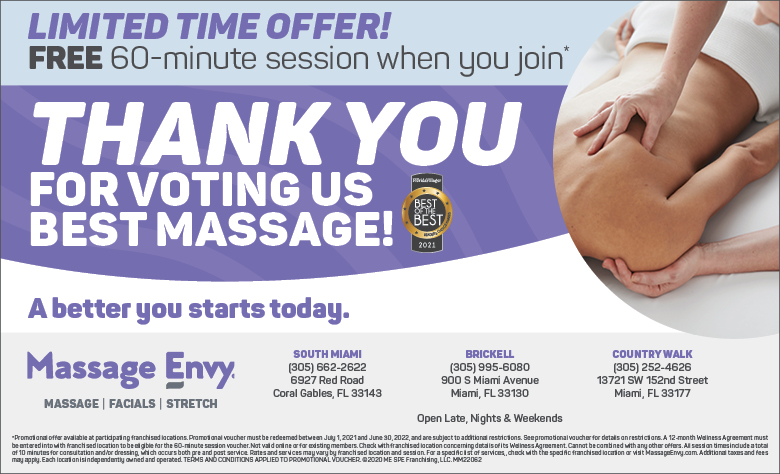
 Calla Blow Dry
 My Derma Clinic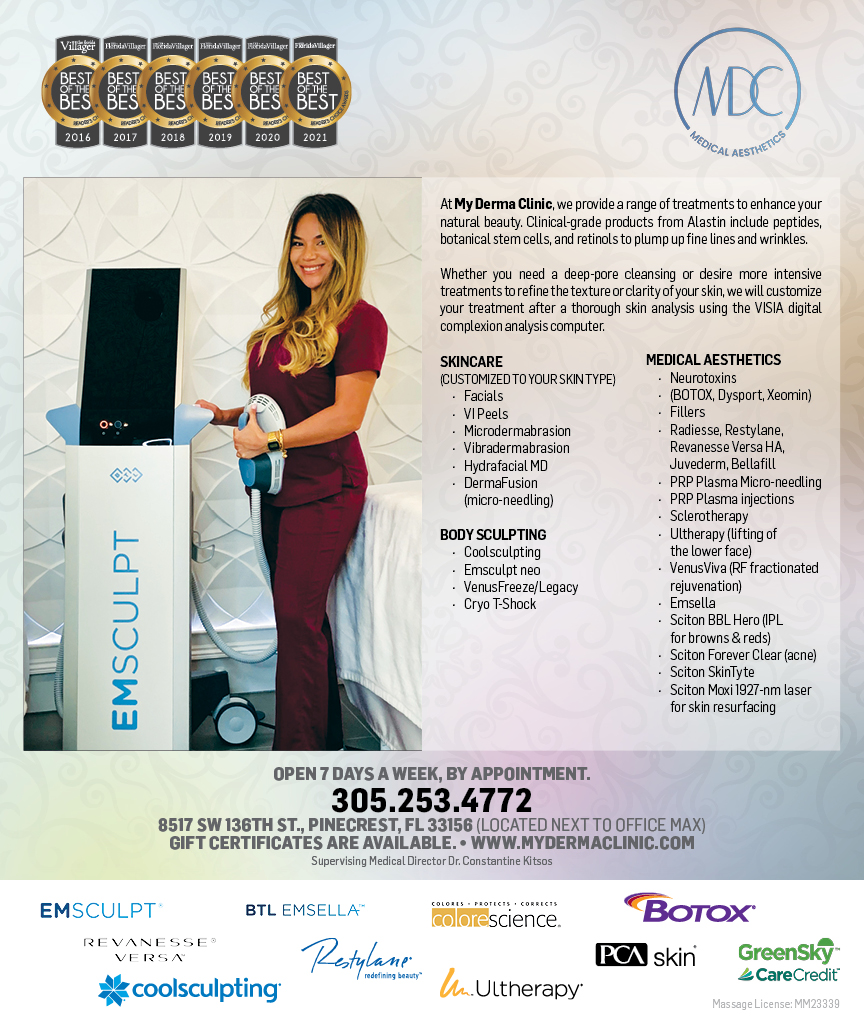
 Sports Grill
 The Healthy Kitchen
 Sushi Maki
 Golden Rule Seafood
 Malanga Cuban Café


 Kathleen Ballard
 Panter, Panter & Sampedro
 Vintage Liquors
 The Dog from Ipanema
 Rubinstein Family Chiropractic
 Your Pet’s Best
 Indigo Republic
 Animal Health and Rehab
 Maurice’s Jewelers
 ATR Luxury Homes


 2112 Design Studio
 Hamilton Fox & Company
 Creative Design Services
 Best Pest Professionals
 HD Tree Services
 Trinity Air Conditioning Company
 Cisca Construction & Development
 Mosquito Joe
 Cutler Bay Solar Solutions


 Miami Royal Ballet & Dance
 Christopher Columbus
 Pineview Preschools
 Westminster
 Carrollton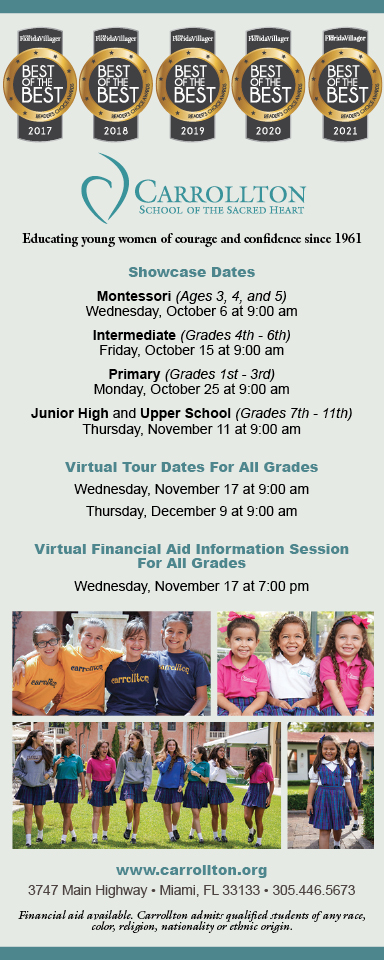
 Lil’ Jungle
 Frost Science Museum
 Palmer Trinity School
 South Florida Music
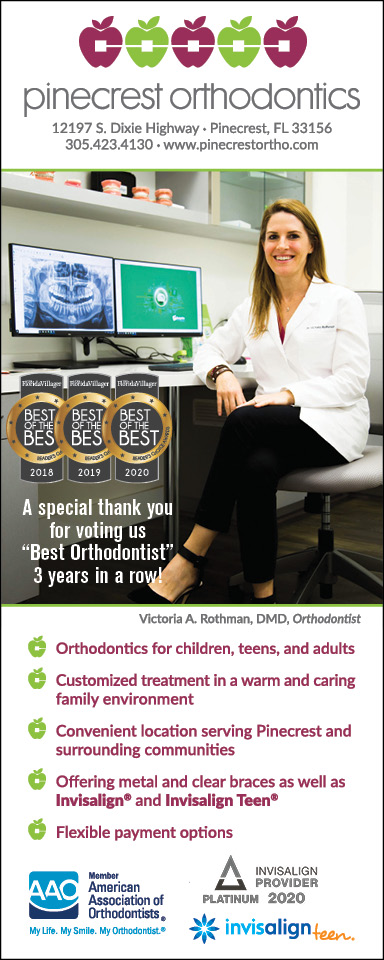
 Pinecrest Orthodontics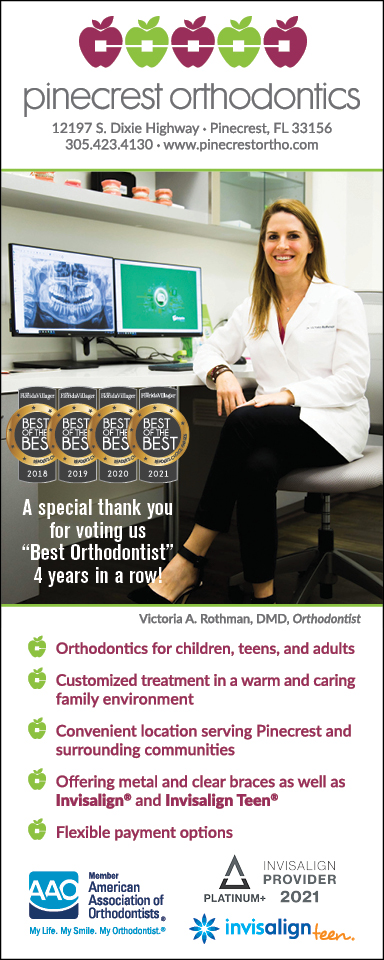
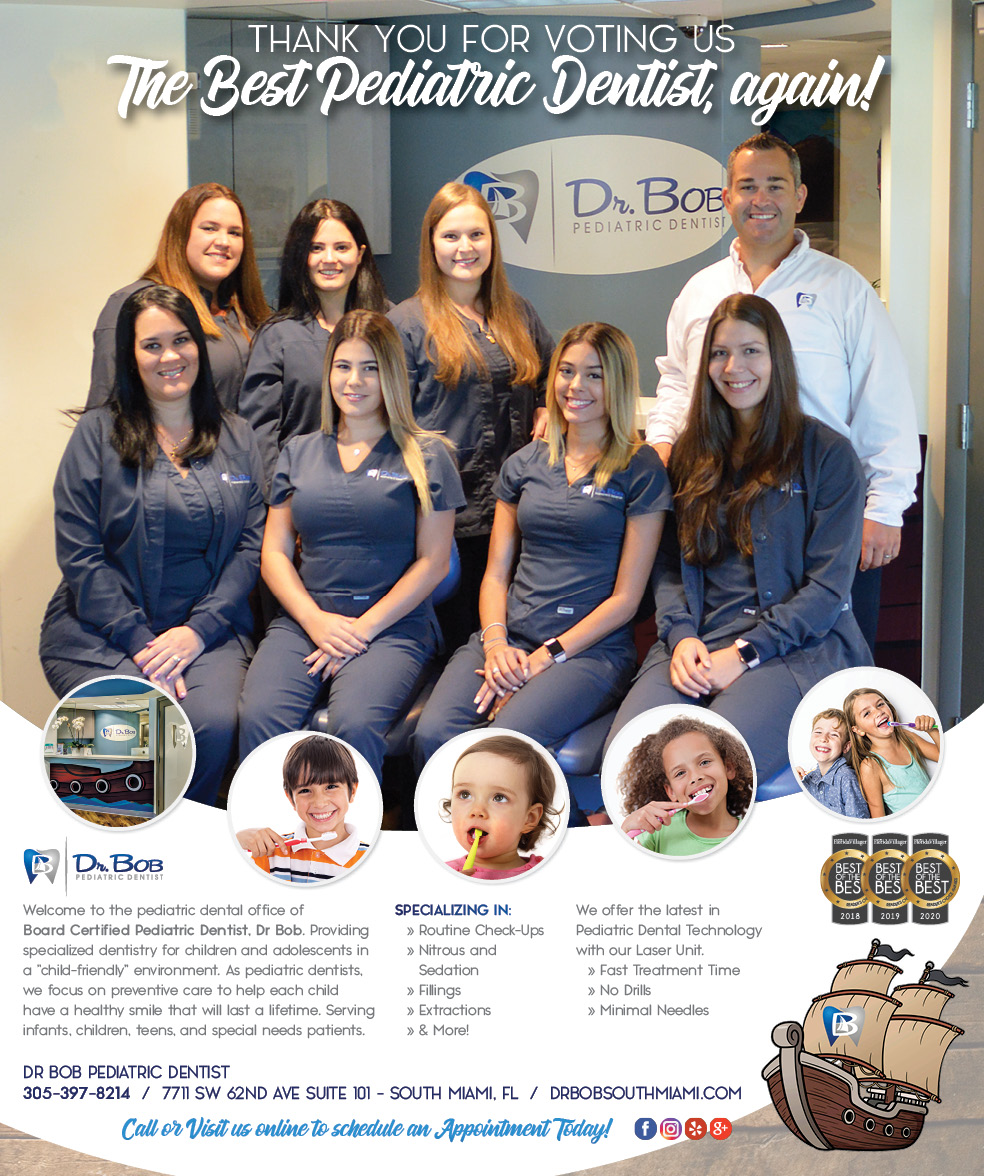
 Dr. Bob Pediatric Dentist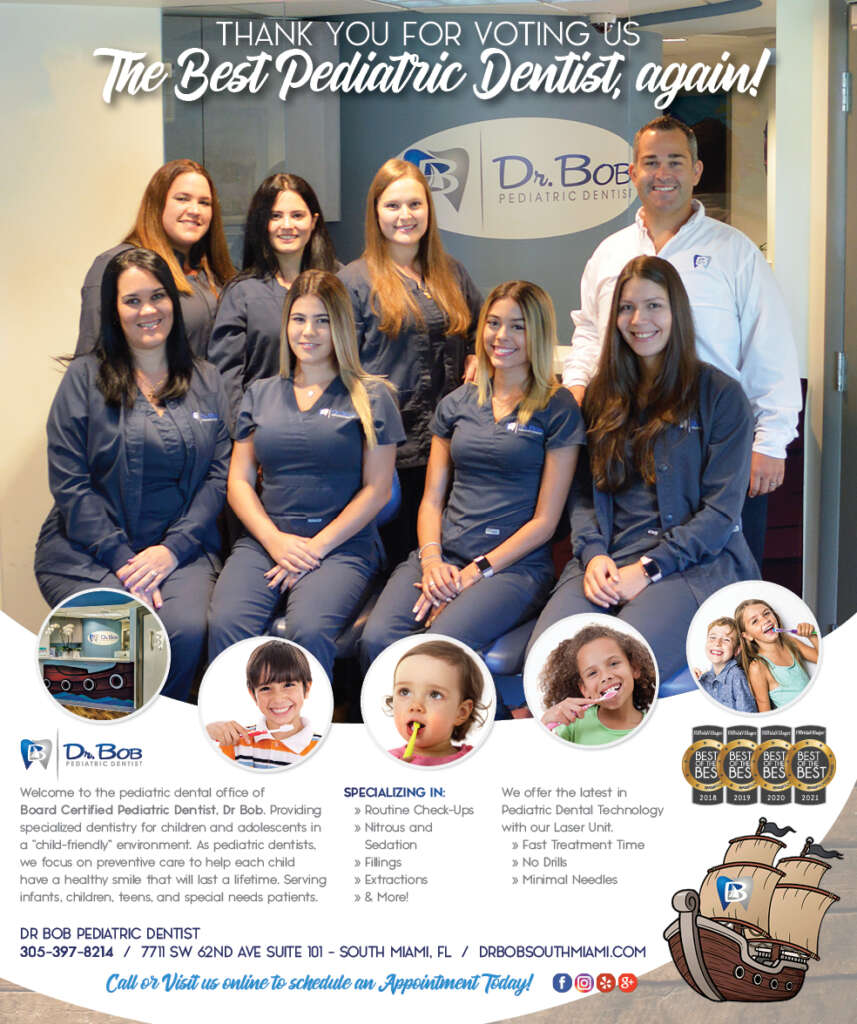
 d.pediatrics

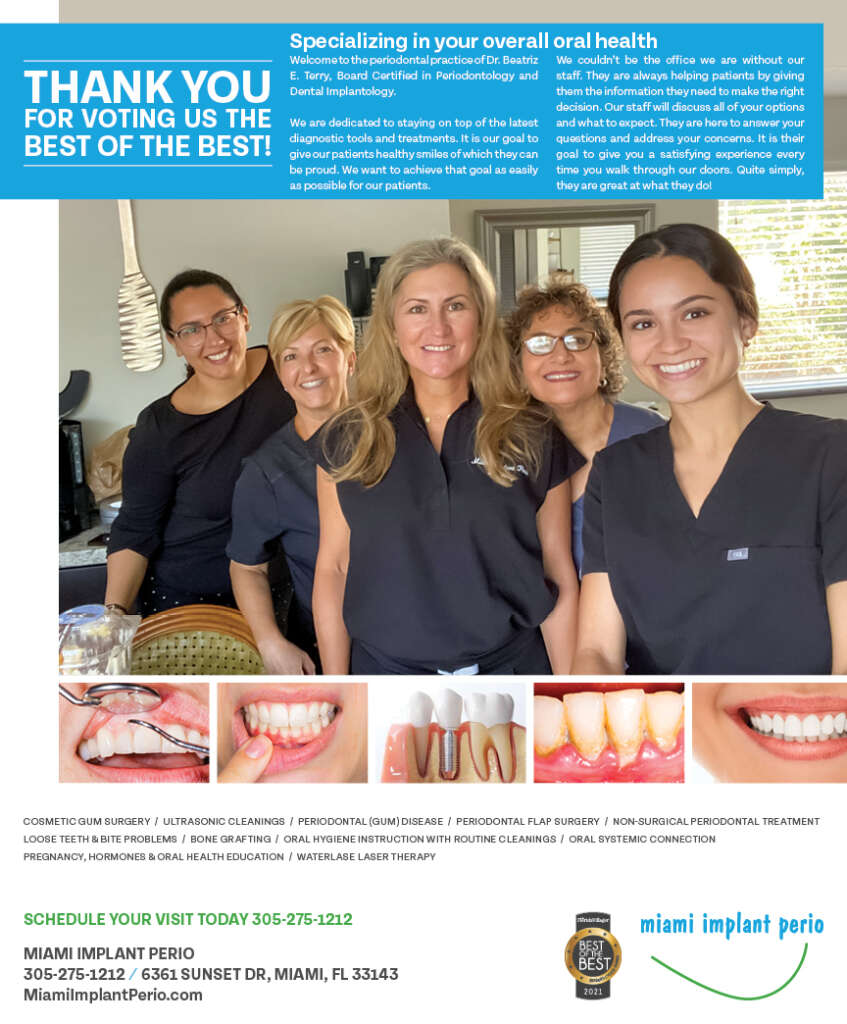
 South Miami Women’s Health
 Endodontix Dental Group
 The Spot Barbershop
 My Derma Clinic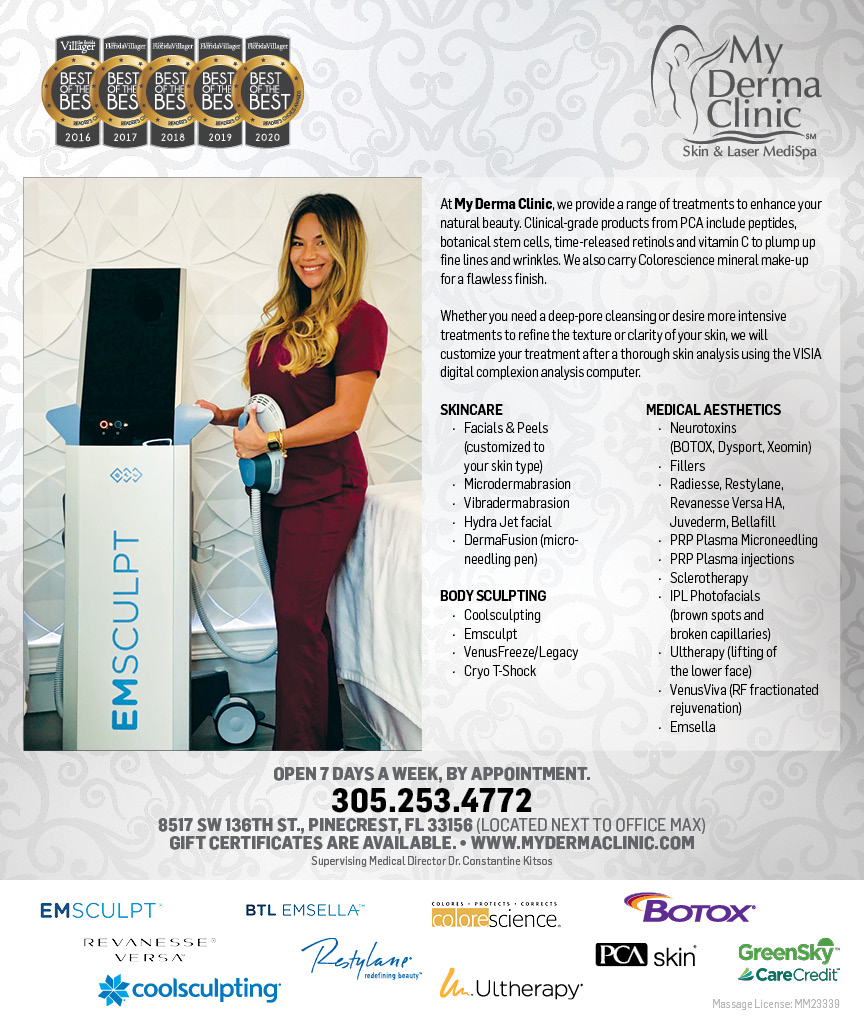



 Miami Dance Project
 Rubinstein Family Chiropractic
 Indigo Republic

 Safes Universe
 Vintage Liquors
 Evenings Delight





 Atchana’s Homegrown Thai
 Baptist Health South Florida

 Laser Eye Center of Miami
 Visiting Angels
 OpusCare of South Florida



 Your Pet’s Best

 HD Tree Services
 Hamilton Fox & Company

 Creative Design Services