Chef Regi Mathew Is Preserving Kerala’s Culinary Heritage in New York
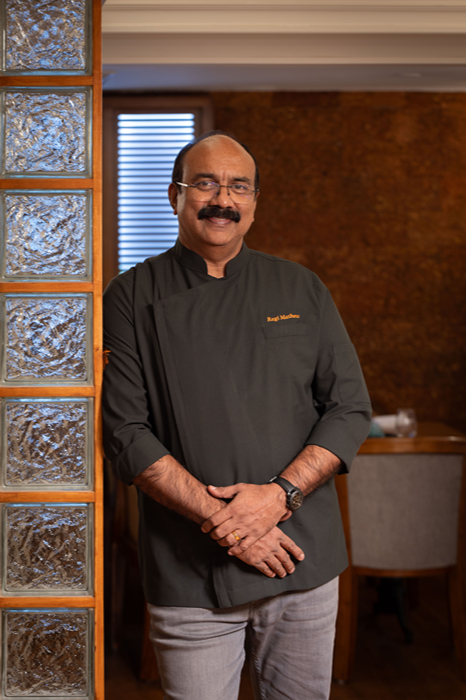
A restaurant can transport you through flavor. The truly memorable ones also transport you through culture, history, and human connection. Chatti by Chef Regi Mathew accomplishes all three. Located in New York City’s Garment District, the restaurant introduces diners to Kerala, India’s lush southwestern coastal state, through an immersive dining experience rooted in toddy shop culture, one of the region’s most beloved culinary traditions. While many Indian restaurants understandably showcase broader regional cuisines, Chatti takes a more focused and ambitious approach by presenting Kerala’s remarkably diverse micro-cuisines with authenticity, scholarship, and extraordinary care.
That distinction immediately sets Chatti apart. Rather than adapting familiar Indian dishes for mainstream expectations, Chef Regi Mathew has built a restaurant around preserving culinary traditions that, until recently, existed largely through oral history and generations of home cooks. The result is a dining experience that feels less like visiting another restaurant and more like stepping into a living archive where every recipe, ingredient, and cooking technique carries a deeper story. It is an approach that rewards curious diners eager to explore a side of Indian cuisine that remains surprisingly unfamiliar to many, even within India itself.
The inspiration begins with the restaurant’s very name. A “chatti” is the traditional clay pot found throughout Kerala homes and toddy shops, serving as both an essential cooking vessel and a symbol of the region’s culinary identity. That philosophy extends throughout the restaurant, where natural materials, warm woods, open spaces, and subtle architectural references echo Kerala’s landscape. Every design choice reinforces the feeling that guests have crossed continents without leaving Manhattan. The atmosphere remains refined while never losing sight of the communal spirit that defines toddy shop dining.
Chef Regi Mathew’s path to opening Chatti was anything but conventional. Already recognized as one of India’s leading culinary voices through his acclaimed restaurants Kappa Chakka Kandhari, he devoted more than three years to documenting Kerala’s disappearing food traditions before introducing them internationally. His research took him deep into the state’s villages, toddy shops, and family homes, where he recorded hundreds of recipes, techniques, and culinary memories that had rarely been documented in written form. That painstaking work became the foundation upon which Chatti was built, transforming the restaurant into both a dining destination and a preservation project dedicated to protecting Kerala’s culinary heritage for future generations.
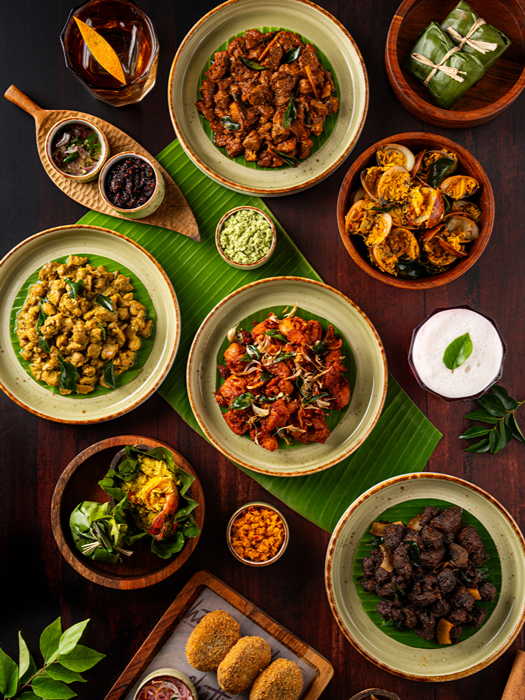
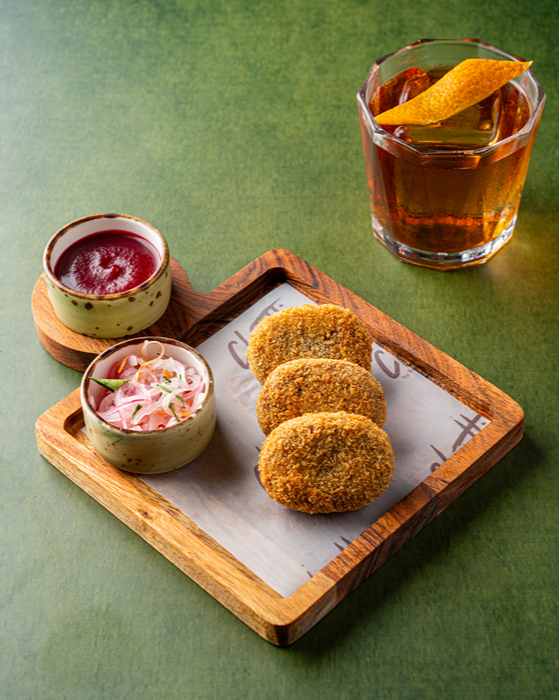
The menu reflects that remarkable journey across Kerala’s varied landscapes. Seafood harvested along the state’s backwaters, aromatic curries from its highlands, fermented rice specialties, tropical coconut, pepper, tamarind, and spice-forward preparations all come together in a menu that showcases the extraordinary regional diversity found within a single Indian state. Signature dishes such as Prawn Pouches steamed inside banana leaves, Clay Pot Fish Curry matured overnight in traditional earthenware, delicate Hoppers, and fragrant Duck Mappas reveal cooking techniques that have evolved over centuries while remaining deeply connected to place. Even the cocktail program continues that narrative, incorporating ingredients such as banana, coconut, curry leaf, clarified sambar, and tropical flavors that mirror the cuisine rather than compete with it.
What makes Chatti especially compelling is that it never presents tradition as something static or nostalgic. Instead, Chef Mathew demonstrates how heritage can thrive when approached with curiosity, technical precision, and genuine respect. Every dish feels intentional. Every ingredient has a purpose. Every course offers another opportunity to discover the remarkable complexity of Kerala’s culinary landscape while appreciating the communal values that have shaped its food culture for generations.
During an exclusive interview, Chef Regi Mathew shared the extensive research behind Chatti, his mission to preserve Kerala’s culinary identity, the philosophy guiding his menu, and the remarkable traditions that continue to inspire every aspect of the dining experience. What follows is our conversation.
MK: Before we discuss the menu itself, what story about Chatti do you most hope people understand that extends beyond the restaurant and the food being served?
CRM: More than a restaurant, Chatti is the outcome of my documentation of Kerala toddy shop cuisine. Before opening Chatti, I spent several years travelling across Kerala, visiting homes and toddy shops to document recipes, techniques, and food memories. The project goes beyond food, preserving oral traditions and regional identities that have long been passed down through generations. It shifts the conversation from a restaurant opening to a story of cultural preservation, positioning Chatti as both a restaurant and a custodian of Kerala’s culinary heritage.
MK: New York has become one of the world’s most competitive destinations for Indian cuisine. What are the three qualities that most clearly distinguish Chatti and make it unlike any other Indian restaurant in the city?
CRM: If I had to identify the three biggest differentiators that set Chatti apart from an increasingly competitive New York Indian dining scene, they would be these.
First, Chatti is more than a regional restaurant. It is built around a Kerala micro-cuisine. While many acclaimed Indian restaurants in New York focus on regions such as Tamil Nadu, Punjab, Goa, Assam, or broader South Indian cooking, Chatti goes deeper by focusing on Kerala’s toddy shop food culture, a highly localized tradition unfamiliar even to many Indians.
Second, the menu is backed by extensive culinary research. Before opening Chatti, I spent more than three years travelling across Kerala, visiting approximately 70 toddy shops and 300 homes to document recipes, techniques, and food traditions. Many of these recipes existed only through oral traditions and local communities, making Chatti a project rooted in documentation and preservation rather than interpretation alone.
Third, Chatti imports Kerala’s dining culture, not just its dishes. Traditional toddy shops are communal spaces built around shared plates, conversation, and community. Chatti’s Touchings program, communal approach, and storytelling reflect that same philosophy. It brings not just Kerala cuisine to New York, but the culture and experience behind it.
MK: Kerala cuisine remains surprisingly underrepresented in the global fine dining conversation despite its extraordinary history as one of the world’s great spice regions. What do you believe people misunderstand most about Kerala cuisine, why was New York the right place to introduce it, and why is this the right moment to tell that story?
CRM: There is a common perception that Kerala food is extremely spicy, but Kerala’s cuisine, and its lesser-known toddy shop food culture, is defined by aromatic depth, balanced spices, and tradition rather than heat.
Chatti was chosen as the format to showcase the diversity of Kerala’s food culture because toddy shops represent more than food. They are spaces where food, drinks, and conversation come together. Chatti brings that experience to New York while presenting Kerala cuisine in a format that fits the city’s dining culture.
I chose New York because it is a multicultural hub with a dynamic dining scene and the right platform to introduce Kerala’s toddy shop cuisine to a global audience. I spent over three years researching this cuisine, visiting around 100 toddy shops across Kerala and documenting its diversity. Many people are unaware of the depth within India’s regional cuisines, and I am proud to share Kerala’s culinary heritage with the world.
New York is a competitive market, but it is also a city that embraces new concepts. Diners are open to new cuisines and experiences, making it the ideal place to introduce a lesser-known regional food culture to a global audience.
MK: For many guests, Chatti serves as their very first introduction to Kerala through the lens of toddy shop culture, communal dining, and deeply regional flavors. What emotional and culinary journey do you hope diners experience from the moment they walk through the doors until the final course is served?
CRM: For me, Chatti goes beyond introducing Kerala cuisine to New York. It is about recreating the feeling of being welcomed into a Kerala home.
The word “Chatti” is familiar and rooted in everyday life. The teak wood, natural materials, flowing light, and open spaces are inspired by Kerala’s architecture, while details like coconut-shell accents, banana leaf-inspired settings, and the option to eat with your hands bring guests closer to the way food is experienced in Kerala.
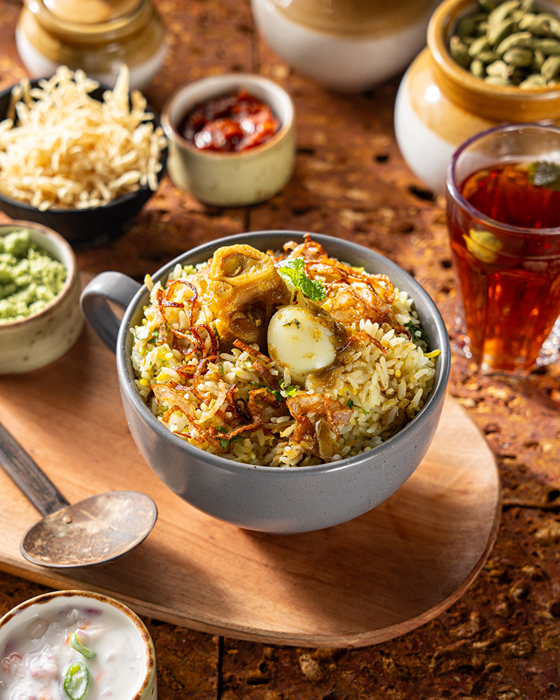
The meal begins with our Inji Puli Halwa amuse bouche, a reimagined classic that reflects Chatti’s approach: tradition presented through a contemporary lens. The menu draws from Kerala’s toddy shop culture through our Touchings section, inspired by shared small plates, conversation, and community. Dishes such as Tapioca and Clay Pot Fish Curry, Thalassery Biriyani, and Pidi with Ramapuram Chicken Curry showcase Kerala’s regional diversity.
By the end of the meal, guests experience more than Kerala cuisine. They experience its traditions, memories, and hospitality.
MK: The toddy shop culture that inspired Chatti has always been about warmth, generosity, conversation, and food meant to be shared. How important was it to preserve that communal spirit while thoughtfully adapting the experience for a sophisticated Manhattan dining audience?
CRM: Toddy shop cuisine represents a unique aspect of life in Kerala. It is centered around community, warmth, and joy. Through Chatti, we aim to bring this sense of celebration to a global audience, and the union of food, drink, and community is reimagined. Our vision is to provide not just the menu but a true toddy shop experience to sophisticated Manhattan dining audiences.
MK: One of the menu’s most visually striking dishes is the Prawn Pouches wrapped in banana leaves. What inspired this interpretation of a Kerala classic, and how do ingredients like coconut masala, Malabar tamarind, and the traditional steaming process communicate the flavors and techniques that define the region?
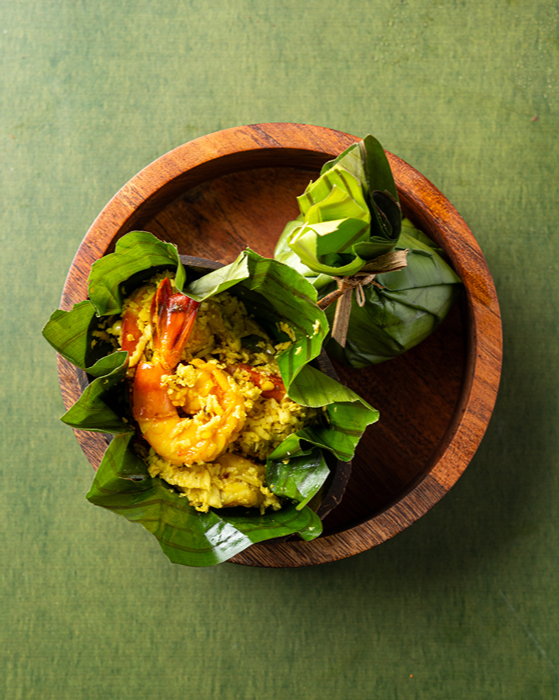
CRM: Prawn Pouches draw inspiration from the popular Kerala dish Prawn Kizhi, with a contemporary twist. Plump prawns are delicately marinated with a coconut masala, Kerala spices, and sun-dried Malabar tamarind, then wrapped in banana leaf pouches and gently steamed.
The banana leaves impart an earthy aroma while allowing the flavors of the coconut, spices, and tamarind to come together, creating a dish that is both aromatic and deeply rooted in Kerala’s cooking traditions. The steaming process also helps preserve the natural flavours and texture of the prawns while highlighting the simplicity and technique behind traditional Kerala cuisine.
MK: Hoppers appear deceptively simple, yet they are among the most technically demanding staples in South Indian cuisine. What separates an exceptional hopper from an average one, and why was it so important for Chatti to make them a centerpiece of the dining experience?
CRM: For us, hoppers are far more than just a dish. They are an intrinsic part of Kerala’s culinary identity. Every culture has a bread or staple that brings people together, and in Kerala, the appam and hopper family occupies that space. The humble hopper may look simple, but it is one of the most technically demanding and culturally significant dishes in the South Indian culinary repertoire.
A truly exceptional hopper sits at the intersection of fermentation, technique, timing, and heat control.
The first challenge lies in the batter itself. The balance between rice, coconut, fermentation, and hydration has to be exact. Too much fermentation and the hopper becomes overly sour. Too little, and it lacks aroma, lightness, and the delicate lace-like crispness that defines a great hopper. Every batch is influenced by temperature, humidity, and resting time, making consistency a daily discipline rather than simply following a recipe.
A great hopper should have a delicate, crisp, lacy edge that shatters lightly when you bite into it, while the center remains soft, slightly spongy, and capable of soaking up curries and stews. Achieving those two contrasting textures in a matter of seconds requires precise heat control and years of practice. The batter must be swirled perfectly around the curved pan to create a paper-thin rim while retaining enough volume at the center. Even a few seconds too long or too short can completely alter the final result.
MK: Beyond the technical skill involved, hoppers are prepared in several different styles at Chatti. How do these variations allow guests to experience Kerala cuisine in different ways, and what do they reveal about the craftsmanship and versatility behind one of the region’s most iconic staples?
CRM: What makes hoppers especially challenging in a restaurant setting is that they cannot be mass-produced or held for service. Each one is made individually, cooked to order, and has a very short window in which it is at its best. Unlike breads that can be baked in batches, every hopper demands the same level of attention from the cook, whether it’s the first one of the day or the hundredth.
We offer hoppers in different forms.
Petit Hoppers, also called Kunjappam, are mini laced rice pancakes made with fermented rice batter. They are essentially classical appam in a smaller size. Served alongside our Seafood Moilee Soup, the Petit Hoppers are immersed in the soup before being enjoyed.
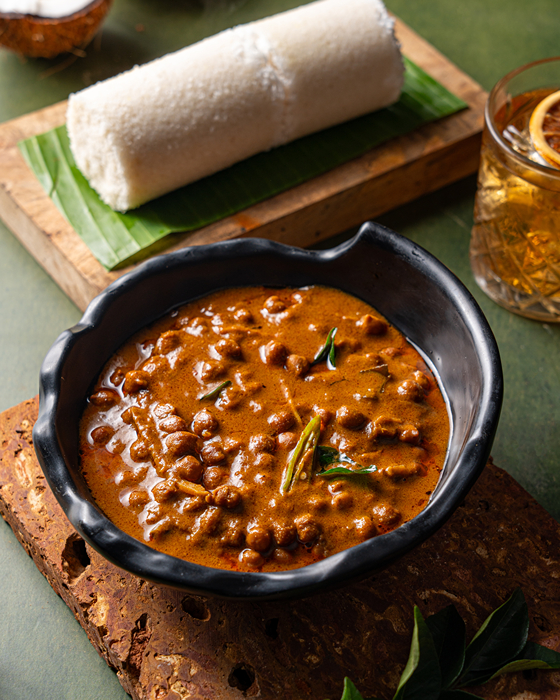
Steamed Hoppers, also known as Vattayappam, are fermented and steamed fluffy rice cakes that pair beautifully with our Duck Mappas, featuring boneless duck cooked in coriander powder and coconut milk curry.
Idiyappam is Kerala’s traditional home-style string hopper. It pairs exceptionally well with several curries, including Vegetable Raw Mango Curry, Tellicherry Fish Curry, and Chicken Stew.
At Chatti, we wanted to place hoppers at the center of the experience because they embody everything we stand for: craftsmanship, patience, and a deep respect for tradition. A great hopper is technically demanding to make. The batter must be perfectly fermented, and the texture must strike the right balance between crispness and softness. Beyond the technique, hoppers are incredibly versatile, absorbing flavors beautifully while still retaining their own character. In many ways, they are the ideal vehicle for showcasing the diversity of Kerala cuisine.
When people think of Indian food globally, they often think of naan or roti. We felt it was important to introduce diners to another equally important bread tradition from the south of India. By making hoppers a central part of the menu at Chatti, we are inviting guests to experience Kerala through one of its most iconic and beloved foods. Similar to Chatti’s overall philosophy, hoppers take something deeply rooted in tradition, respect the technique behind it, and present it with the care and attention it deserves.
MK: Duck Mappas beautifully showcases coconut milk, aromatic spices, and the layered flavors that define so much of Kerala’s cuisine. How does this dish capture the balance between richness, restraint, and regional authenticity that you strive to achieve throughout the menu?
CRM: Pieces of duck are marinated in a traditional toddy shop spice mix and then slow-cooked in a rich coconut milk curry. The Mappas-style preparation allows the duck to absorb the deep, spiced flavors while the coconut milk adds a creamy balance, creating a dish that is intensely flavorful and true to Kerala’s toddy shop cooking style.
The dish achieves a versatile balance of richness and subtlety because of the coconut milk, which adds luxurious texture while naturally balancing the flavors and spice levels. It is an excellent example of how Kerala cuisine creates complexity without overwhelming the palate.
MK: Your Clay Pot Fish Curry follows a traditional preparation that includes overnight maturation in an earthen vessel. Why is that aging process so essential to the final result, and what role does the clay pot itself play in developing the curry’s depth, texture, and authenticity?
CRM: The Clay Pot Fish Curry features chunks of fish slow-cooked with Malabar tamarind, or kodampuli, a traditional souring agent from the region, and matured overnight in an earthen pot. The depth of flavor comes not only from the tamarind and spices, but also from the cooking and resting process.
Overnight maturation allows the spices to mellow, the acidity of the kodampuli to integrate into the gravy, and the fish to absorb the flavors while retaining its texture. The result is a curry with greater balance and complexity.
The clay pot, or chatti, is equally important. Its gentle, even heat retention allows the curry to simmer slowly, helping the spices and aromatics infuse into the gravy while creating the earthy character associated with traditional Kerala fish curries.
At Chatti, this process reflects our respect for traditional Kerala cooking. The patience required for the curry to rest is just as important as the ingredients themselves, allowing the flavors to develop naturally.
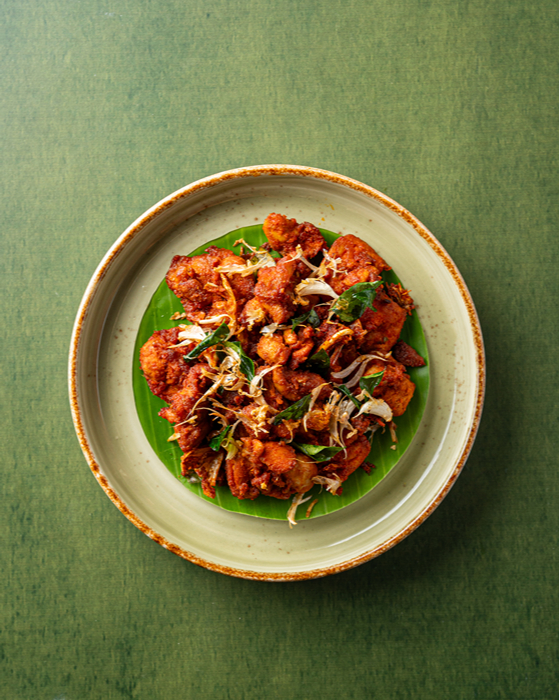
MK: Your menu features dishes such as Wayanad Chicken Curry, Ramapuram Chicken Curry, Chicken Stew, and Kerala’s indigenous red rice, each rooted in a distinct regional tradition. How intentional is Chatti’s mission to educate diners about Kerala’s remarkable micro-cuisines rather than presenting the food as a single, generalized South Indian experience?
CRM: That distinction is at the heart of what Chatti is trying to achieve. Indian cuisine is often simplified into broad categories like North Indian or South Indian, but the reality is far more nuanced. Kerala alone has a rich diversity of culinary traditions shaped by geography, communities, trade, climate, and local agriculture.
Chatti is not simply presenting South Indian food. It is telling the story of Kerala through its many micro-cuisines. Dishes from Wayanad, Ramapuram, Kottayam, Kozhikode, and the coastal regions each carry distinct ingredients, techniques, and histories.
That is why the menu features dishes such as Wayanad Chicken Curry, Ramapuram Chicken Curry, Chicken Stew, and indigenous Kerala red rice. Each represents a specific culinary tradition and sense of place, creating a journey through Kerala’s landscapes, communities, and food cultures.
Our goal is for guests to discover this diversity naturally through the dining experience. If they leave understanding Kerala cuisine as a collection of distinct regional identities rather than a single category, then Chatti has achieved its purpose.
MK: Before Chatti ever welcomed its first guests, you spent years traveling throughout Kerala, visiting toddy shops and family homes while documenting recipes, techniques, and culinary traditions. How did that remarkable research journey shape not only the menu itself, but also the philosophy, authenticity, and storytelling that define the entire Chatti experience?
CRM: When researching the menu, it was important to represent the full diversity of Kerala’s landscapes. My home state includes the highlands, with dense forests, misty hills, and tea plantations; the midlands, with hills, farmland, valleys, fruit orchards, and spice estates; and the lowlands, with palm-fringed backwaters, mangroves, and beaches.
As we travelled through these regions, we found a common thread. Whether in a toddy shop or a mother’s kitchen, food is deeply connected to community, hospitality, and tradition. That discovery shaped Chatti’s identity.
Rather than focusing only on iconic dishes, we built the menu around the stories, people, and regional influences behind them, creating an experience that reflects the richness and authenticity of Kerala’s culinary heritage.
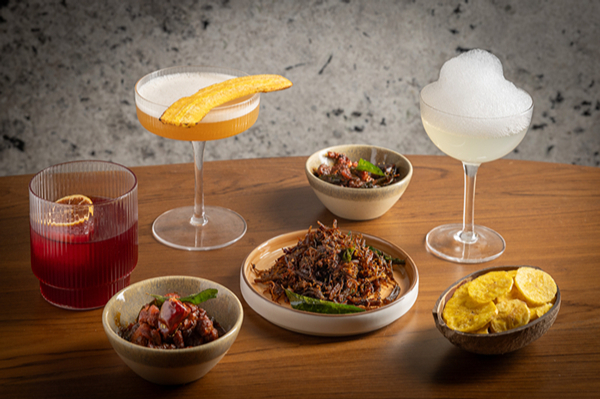
MK: The beverage program embraces Kerala’s culinary identity just as thoughtfully as the food, incorporating ingredients such as banana, coconut, curry leaf, clarified sambar, and tropical flavors. Why was it important for the cocktail program to function as a natural extension of the cuisine instead of feeling like a separate bar experience?
CRM: New York is a city of cocktails, and Kerala is a land of spices. While designing the cocktail program, we wanted the beverage menu to complement both the food and the overall concept, which is why we decided to bring Kerala flavors into the cocktails.
We also wanted the beverages to incorporate familiar flavor profiles because that helps guests better understand and appreciate the cuisine. Rather than existing independently, the cocktails become another way of telling Kerala’s culinary story and enhancing the overall dining experience.
MK: Finally, is there anything else you would like readers to understand about Chatti or Kerala’s culinary heritage that we haven’t discussed?
CRM: More than anything, I hope guests leave with a greater appreciation for the richness and diversity of Kerala’s culinary heritage. Chatti is about far more than introducing new dishes. It is about preserving traditions, celebrating regional identities, and sharing stories that have been passed down through generations.
Every recipe, every ingredient, and every technique has been chosen with purpose. We want guests to experience the warmth, hospitality, and sense of community that define Kerala while discovering a cuisine that remains one of India’s most diverse and least understood. If people leave Chatti with a deeper curiosity about Kerala and its food culture, then we have accomplished what we set out to do.
As the final bites of a meal at Chatti linger, what stays with you extends far beyond the flavors themselves. Yes, the dishes showcase extraordinary craftsmanship, regional ingredients, and centuries-old cooking techniques, but they also reveal something far more meaningful: a culture whose identity is inseparable from its food, its people, and its traditions. Chef Regi Mathew has created more than one of New York City’s most distinctive Indian dining destinations. He has built a living tribute to Kerala, inviting guests to discover a culinary landscape that has too often remained outside the global spotlight. Every carefully fermented hopper, every patiently matured clay pot curry, and every thoughtfully composed plate reflect a commitment to preserving heritage while making it both accessible and relevant for today’s diners.
In a city celebrated for introducing the world to extraordinary cuisines, Chatti offers something increasingly rare: genuine discovery. Rather than simply serving exceptional food, it broadens diners’ understanding of what Indian cuisine can be, replacing familiar assumptions with a richer appreciation for Kerala’s remarkable diversity, history, and hospitality. It is a restaurant where scholarship and storytelling are as integral to the experience as technique and flavor, proving that the most memorable meals often leave guests nourished not only by what was served, but by what they learned along the way. For travelers, food lovers, and anyone seeking an authentic sense of place without leaving Manhattan, Chatti delivers a journey that is as intellectually rewarding as it is delicious.
~~~
Entrepreneur Leadership Network member Merilee Kern, MBA is an internationally-regarded brand strategist and analyst who reports on cultural shifts and trends as well as noteworthy industry change makers, movers, shakers and innovators across all categories, both B2C and B2B. This includes field experts and thought leaders, brands, products, services, destinations and events. As Founder, Executive Editor and Producer of “The Luxe List,” Merilee is a prolific business, lifestyle, travel, dining and leisure industry voice of authority and tastemaker. She keeps her finger on the pulse of the marketplace in search of new and innovative must-haves and exemplary experiences at all price points, from the affordable to the extreme. Her work reaches multi-millions worldwide via broadcast TV (her own shows and copious others on which she appears) as well as a myriad of print and online publications. Connect with her at www.TheLuxeList.com / Instagram www.Instagram.com/MerileeKern / X http://www.X.com/MerileeKern / Facebook www.Facebook.com/MerileeKernOfficial / LinkedIN www.LinkedIn.com/in/MerileeKern.
***Some or all of the accommodations(s), experience(s), item(s) and/or service(s) detailed above may have been provided or arranged at no cost to accommodate if this is review editorial, but all opinions expressed are entirely those of Merilee Kern and have not been influenced in any way.***
Artwork Courtesy of / Provided by Chatti by Chef Regi Mathew; Copyright LAH Studios (food); AlexStaniloff (chef)











 Deering Estate
 Massage Envy South Miami
 Calla Blow Dry
 My Derma Clinic
 Sports Grill
 The Healthy Kitchen
 Sushi Maki
 Golden Rule Seafood
 Malanga Cuban Café

 Kathleen Ballard
 Panter, Panter & Sampedro
 Vintage Liquors
 The Dog from Ipanema
 Rubinstein Family Chiropractic
 Your Pet’s Best
 Indigo Republic
 Animal Health and Rehab
 Maurice’s Jewelers
 ATR Luxury Homes


 2112 Design Studio
 Hamilton Fox & Company
 Creative Design Services
 Best Pest Professionals
 HD Tree Services
 Trinity Air Conditioning Company
 Cisca Construction & Development
 Mosquito Joe
 Cutler Bay Solar Solutions


 Miami Royal Ballet & Dance
 Christopher Columbus
 Pineview Preschools
 Westminster
 Carrollton
 Lil’ Jungle
 Frost Science Museum
 Palmer Trinity School
 South Florida Music
 Pinecrest Orthodontics
 Dr. Bob Pediatric Dentist
 d.pediatrics


 South Miami Women’s Health
 Endodontix Dental Group
 The Spot Barbershop
 My Derma Clinic




 Miami Dance Project

 Rubinstein Family Chiropractic
 Indigo Republic

 Safes Universe
 Vintage Liquors
 Evenings Delight



 Atchana’s Homegrown Thai
 Baptist Health South Florida

 Laser Eye Center of Miami
 Visiting Angels
 OpusCare of South Florida



 Your Pet’s Best

 HD Tree Services
 Hamilton Fox & Company

 Creative Design Services