Workplace safety has always been a critical concern in industrial environments, but the challenges facing businesses in 2026 are evolving faster than ever. From automation and predictive maintenance to stricter compliance standards and smarter safety technology, companies are rethinking how they protect employees while maintaining productivity.
The industrial sector is increasingly recognizing that safety is no longer just about meeting regulations. As industries continue to modernize, organizations that invest in proactive safety measures are positioning themselves ahead of competitors. The following trends are shaping the future of industrial safety and influencing how facilities approach risk management in the coming year.
Increased Use of Predictive Maintenance Technology
One of the biggest developments in industrial operations is the widespread adoption of predictive maintenance systems. Rather than waiting for equipment failures to occur, companies are using sensors, AI-driven analytics, and real-time monitoring tools to identify problems before they become dangerous.
This shift helps reduce unexpected downtime while also minimizing the risk of workplace accidents caused by failing machinery. Hydraulic systems, pressurized equipment, and automated production lines can now alert operators to temperature changes, abnormal vibrations, or pressure inconsistencies long before serious issues arise.
Routine inspections remain a major part of these preventative strategies. Facilities handling pressurized systems are paying closer attention to high-pressure hose safety protocols and inspection tips to reduce leaks, bursts, and equipment failures that could place workers at risk.
Smarter Wearable Safety Technology
Wearable technology is becoming increasingly common in industrial settings. Smart helmets, connected safety vests, biometric monitors, and fatigue-detection devices are helping employers monitor worker conditions in real time. In hazardous environments such as manufacturing plants, refineries, and construction sites, these tools can provide early warnings before accidents occur.
Location tracking features are also helping improve emergency response times. If an employee enters a restricted area or experiences a medical emergency, supervisors can react immediately. This level of visibility is transforming workplace safety management from reactive to proactive. As businesses adopt more connected technologies, the integration of wearable data into broader safety management systems will likely become standard practice across industrial sectors.
Automation and Robotics Reducing Human Risk
Automation has been steadily reshaping industrial operations for years, but 2026 is expected to bring even greater reliance on robotics and autonomous systems. Companies are increasingly assigning dangerous or repetitive tasks to machines in order to reduce employee exposure to high-risk activities.
Robotic systems are now handling tasks such as heavy lifting, hazardous material handling, welding, and confined-space inspections. Autonomous mobile robots are also helping transport materials safely across warehouses and production facilities.
While automation improves safety in many areas, it also introduces new risks. Workers must be properly trained to interact with robotic systems, understand lockout/tagout procedures, and recognize potential automation failures. Businesses are therefore expanding technical training programs alongside equipment upgrades.
The growing use of robotics is one reason why industrial workplace safety trends for 2026 are focusing heavily on employee education and digital safety integration.
Expanded Focus on Mental Health and Fatigue
Industrial safety discussions traditionally centered around physical injuries, but companies are increasingly acknowledging the impact of mental health and fatigue on workplace incidents.
Long shifts and stressful working conditions can all contribute to reduced concentration and poor decision-making. Fatigue-related errors remain a significant cause of accidents across manufacturing and construction industries.
To address this issue, employers are implementing more comprehensive wellness initiatives. These include flexible scheduling, mandatory rest periods, mental health support programs, and fatigue-monitoring technologies.
Some organizations are also redesigning workflows to reduce repetitive stress and cognitive overload. By focusing on employee well-being alongside physical safety measures, businesses are creating healthier and more productive work environments.
Greater Emphasis on Safety Training Through Virtual Reality
Traditional classroom training is being replaced by more immersive and interactive learning experiences. Virtual reality (VR) and augmented reality (AR) are becoming valuable tools for industrial safety education.
VR training allows workers to practice responding to dangerous situations without actual exposure to risk. Employees can learn how to handle equipment malfunctions, chemical spills, emergency evacuations, or confined-space incidents within realistic digital simulations.
This approach improves retention and helps workers build confidence before entering hazardous environments. It also enables companies to standardize training across multiple facilities while reducing the costs associated with in-person instruction.
AR tools are also being used on-site to provide real-time guidance during maintenance procedures or inspections. Workers can access digital overlays, equipment data, and repair instructions through smart glasses or mobile devices.
These innovations are helping companies create more consistent and effective safety programs across their operations.
Cybersecurity Becoming Part of Workplace Safety
As industrial facilities rely more heavily on connected machinery and smart monitoring systems, cybersecurity is becoming directly tied to workplace safety. A cyberattack targeting operational technology could potentially shut down safety systems, disrupt automated equipment, or create dangerous working conditions.
Industrial organizations are therefore strengthening cybersecurity protocols alongside physical safety initiatives. Network segmentation, employee cybersecurity training, access control systems, and regular software updates are becoming essential components of modern risk management strategies.
Safety teams and IT departments are collaborating more closely than ever before to identify vulnerabilities and protect critical infrastructure. This convergence of digital security and operational safety represents one of the most significant shifts in industrial risk management over the past decade.
Sustainability and Safety Working Together
Sustainability initiatives are also influencing industrial safety strategies. Companies are seeking environmentally responsible practices that simultaneously improve workplace conditions.
Examples include cleaner production technologies, energy-efficient equipment, reduced chemical exposure, and better ventilation systems. Sustainable facility upgrades often lead to safer environments by reducing emissions, noise levels, and hazardous waste exposure.
Organizations are also focusing on equipment longevity and preventative maintenance to reduce unnecessary waste and improve operational reliability. These efforts support both environmental goals and employee safety outcomes.
The Future of Industrial Safety
The future of industrial safety will rely heavily on integration. Businesses are no longer treating safety as a separate department or isolated initiative. Instead, safety is becoming interconnected with operations, technology, workforce management, compliance, and sustainability planning.
Companies that adopt proactive strategies today will be better equipped to manage future challenges, reduce operational disruptions, and maintain stronger workforce morale. The industrial sector is entering a new era where innovation and safety go hand in hand.
As organizations continue adapting to emerging technologies and evolving risks, industrial workplace safety trends for 2026 will remain focused on prevention, data-driven decision-making, and creating safer environments for employees at every level of operation.








 Deering Estate
 Massage Envy South Miami
 Calla Blow Dry
 My Derma Clinic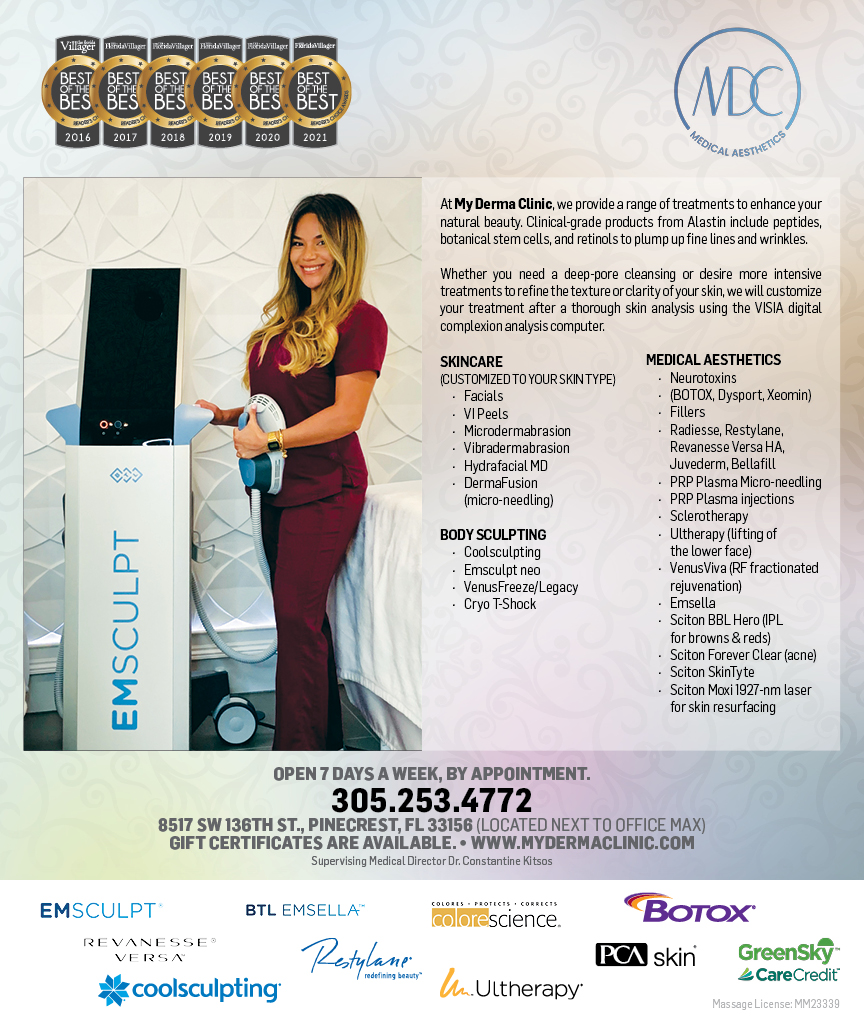
 Sports Grill
 The Healthy Kitchen
 Sushi Maki
 Golden Rule Seafood
 Malanga Cuban Café


 Kathleen Ballard
 Panter, Panter & Sampedro
 Vintage Liquors
 The Dog from Ipanema
 Rubinstein Family Chiropractic
 Your Pet’s Best
 Indigo Republic
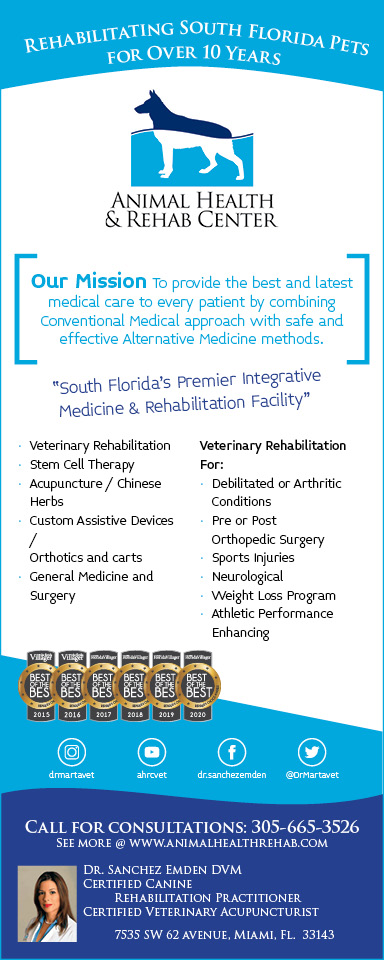
 Animal Health and Rehab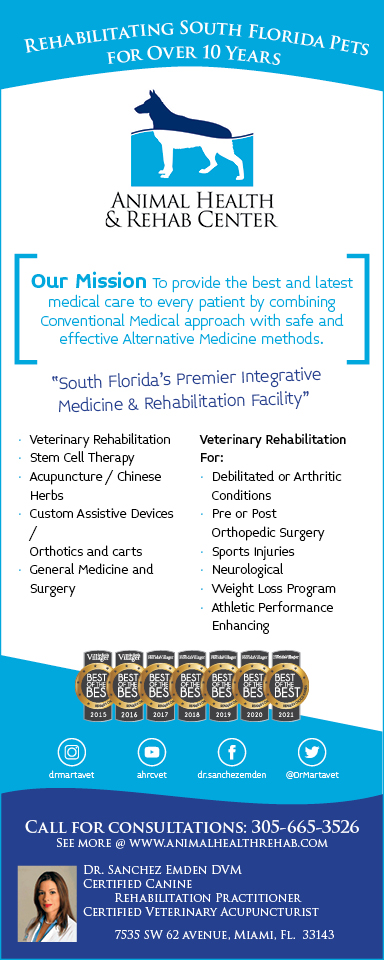
 Maurice’s Jewelers
 ATR Luxury Homes

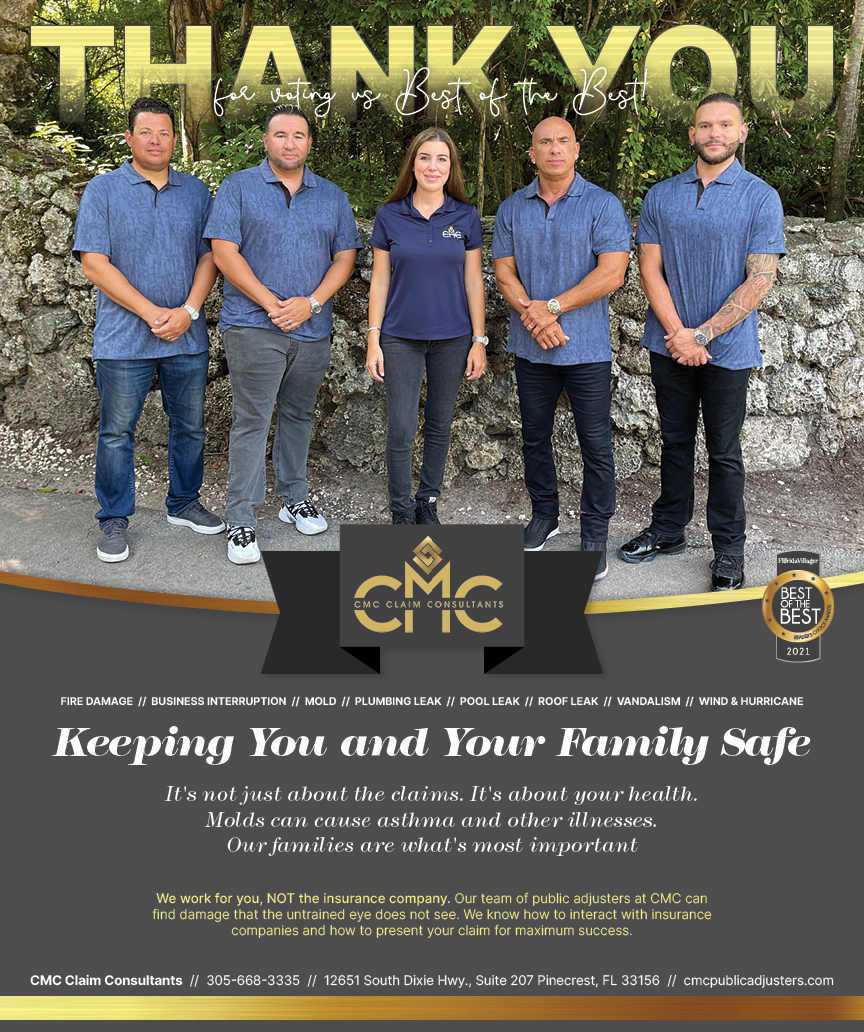
 2112 Design Studio
 Hamilton Fox & Company
 Creative Design Services
 Best Pest Professionals
 HD Tree Services
 Trinity Air Conditioning Company
 Cisca Construction & Development
 Mosquito Joe
 Cutler Bay Solar Solutions


 Miami Royal Ballet & Dance
 Christopher Columbus
 Pineview Preschools
 Westminster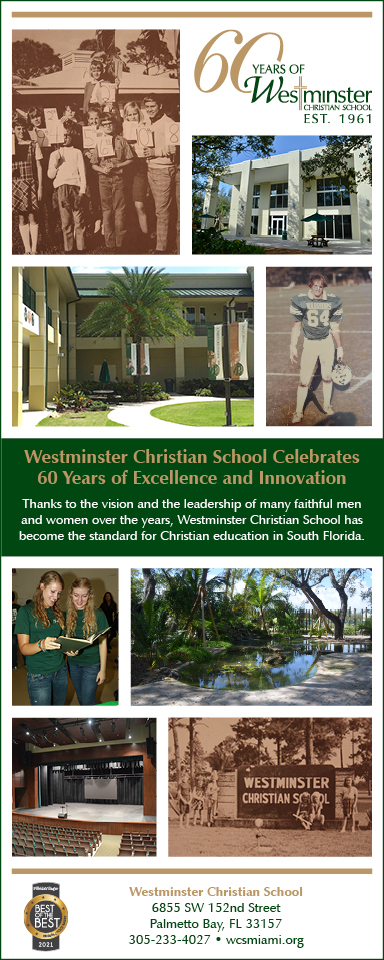
 Carrollton
 Lil’ Jungle
 Frost Science Museum
 Palmer Trinity School
 South Florida Music
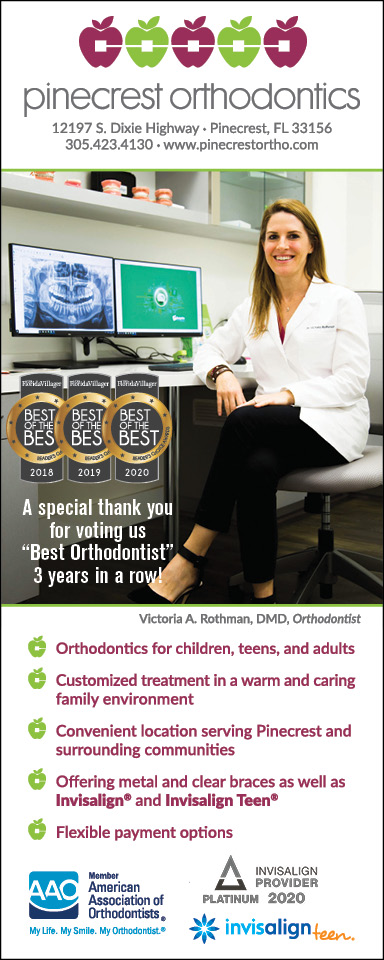
 Pinecrest Orthodontics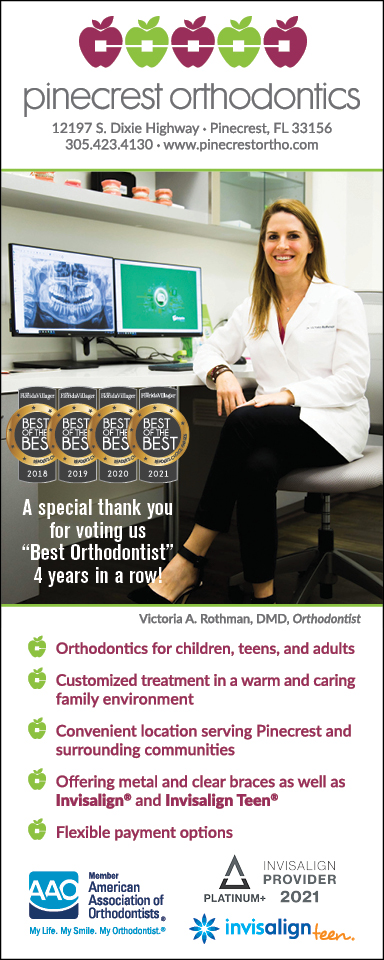
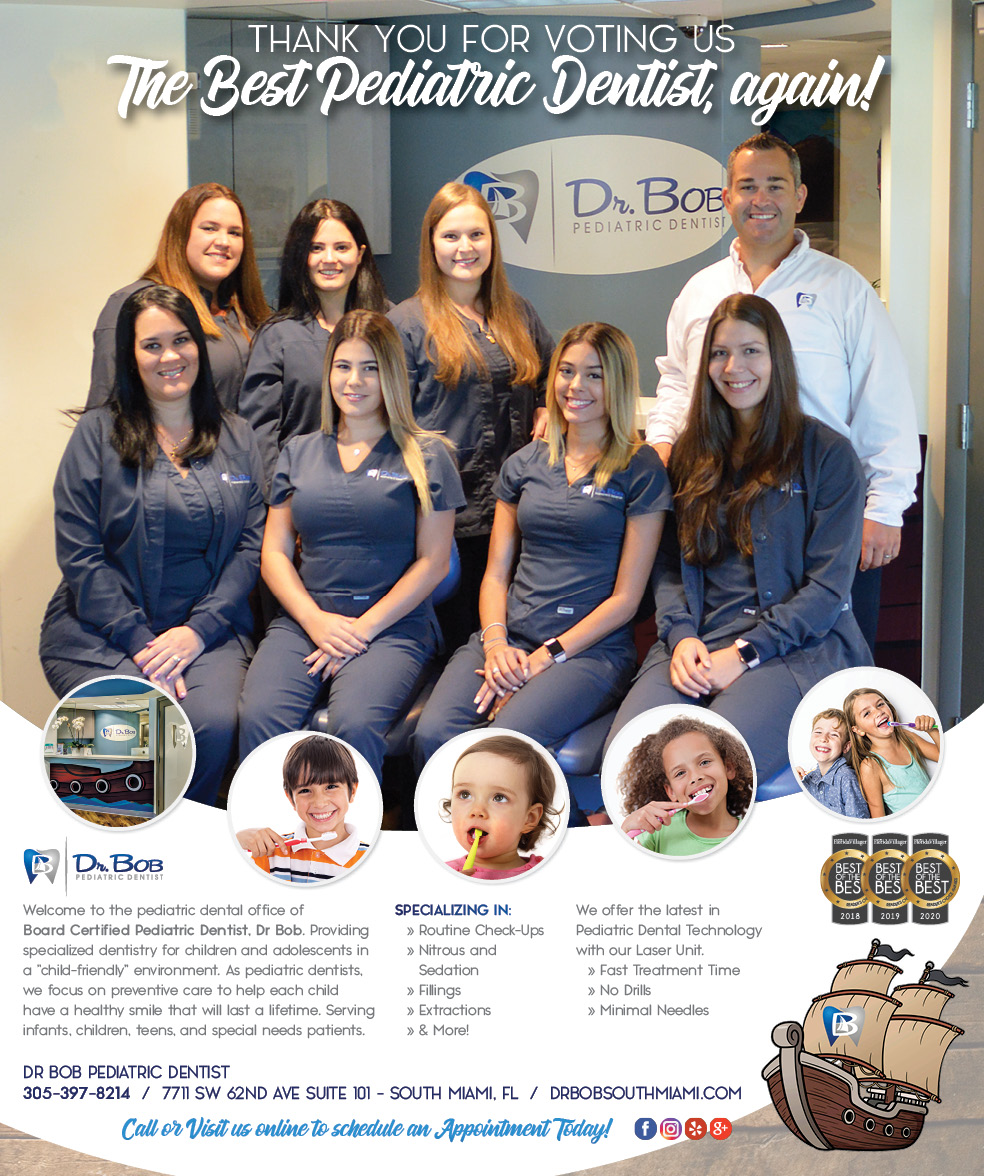
 Dr. Bob Pediatric Dentist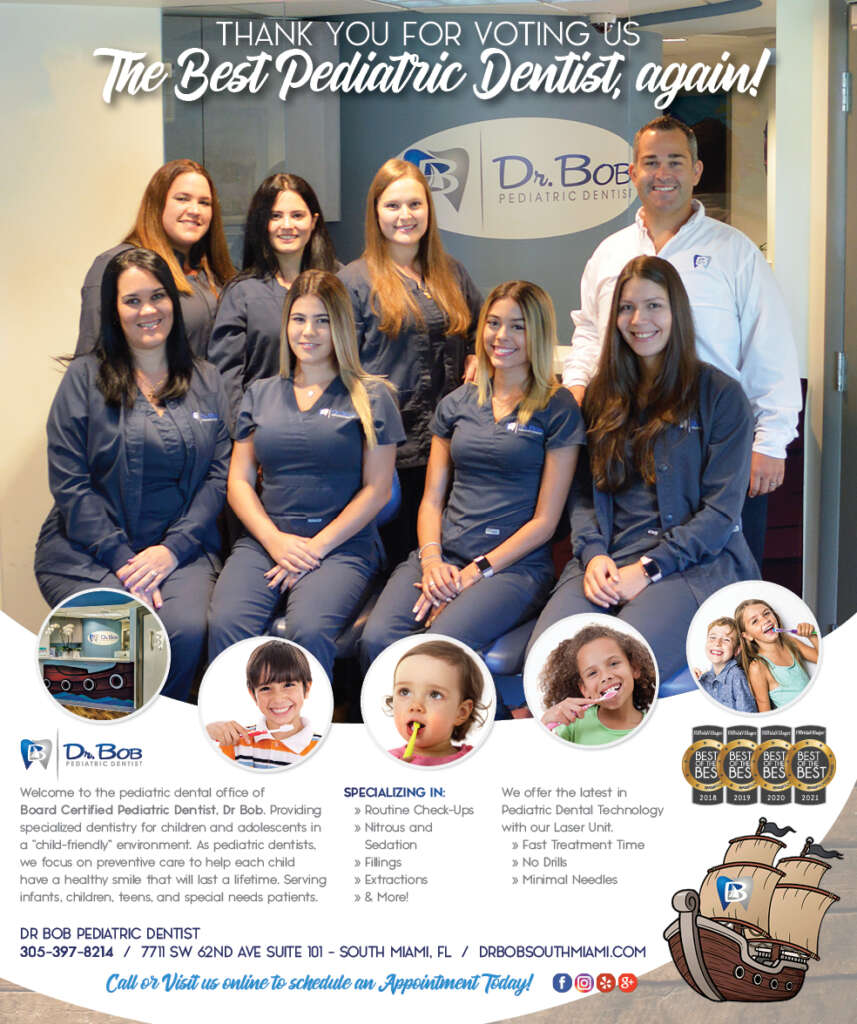
 d.pediatrics

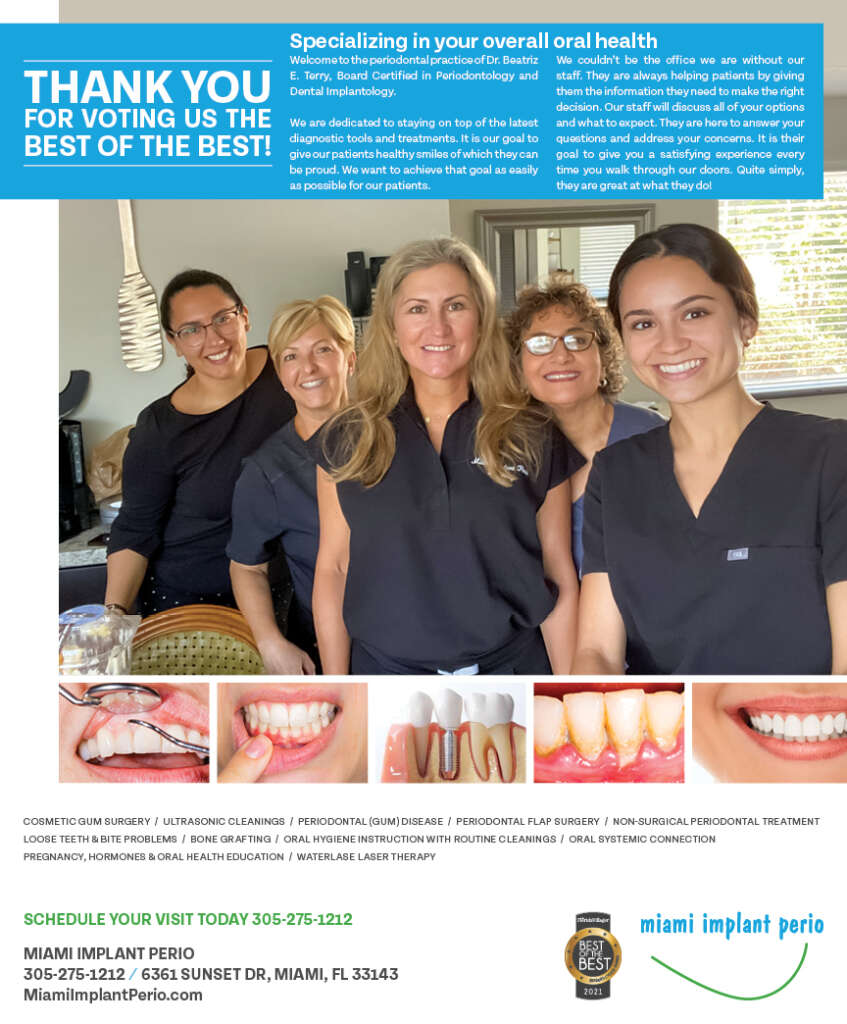
 South Miami Women’s Health
 Endodontix Dental Group
 The Spot Barbershop
 My Derma Clinic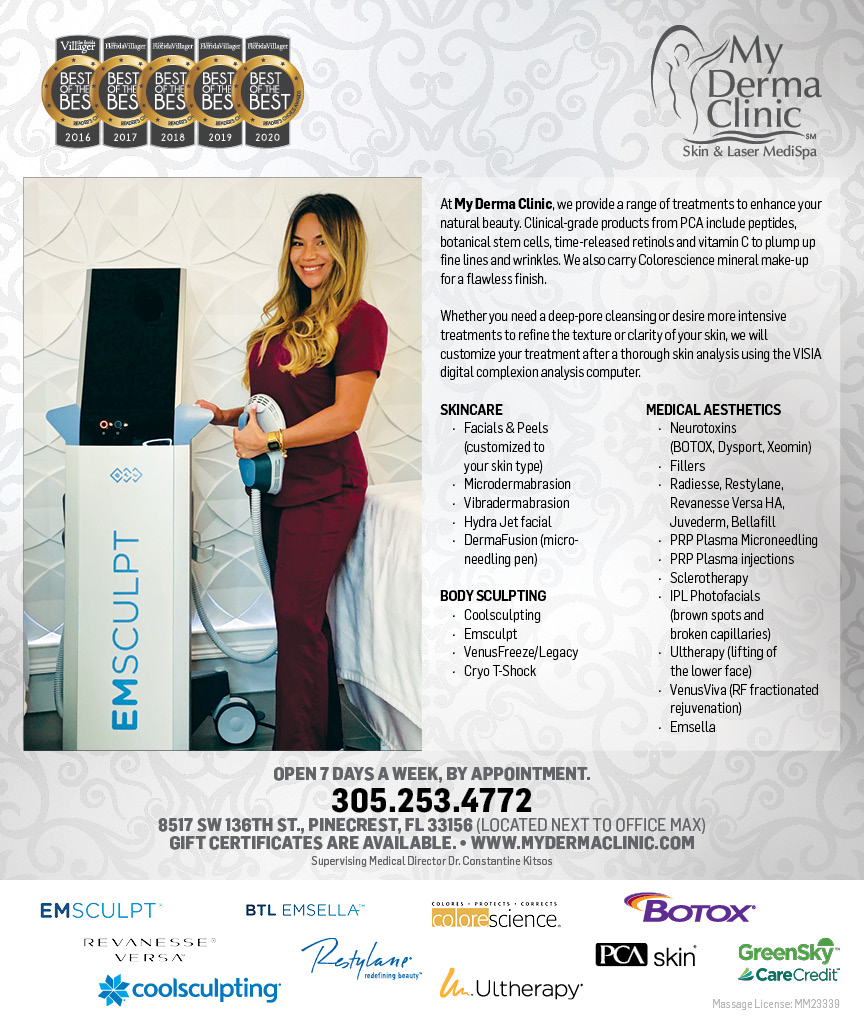


 Miami Dance Project
 Rubinstein Family Chiropractic
 Indigo Republic
 Safes Universe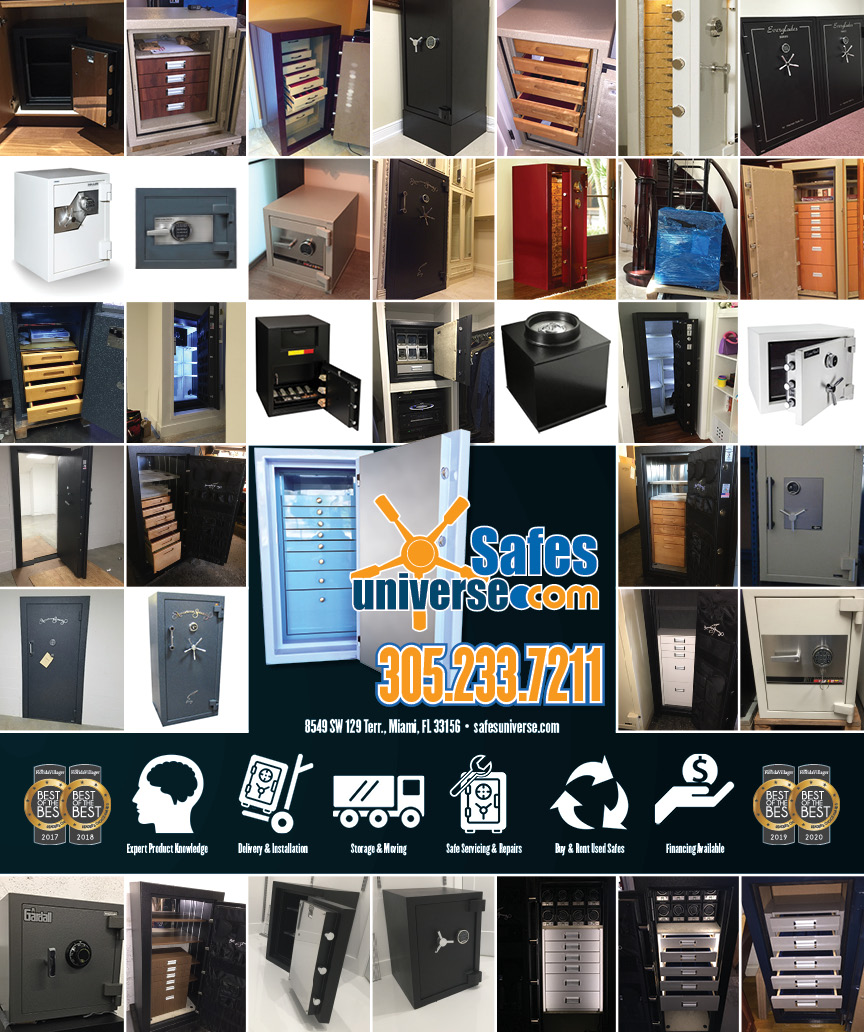
 Vintage Liquors
 Evenings Delight





 Atchana’s Homegrown Thai
 Baptist Health South Florida

 Laser Eye Center of Miami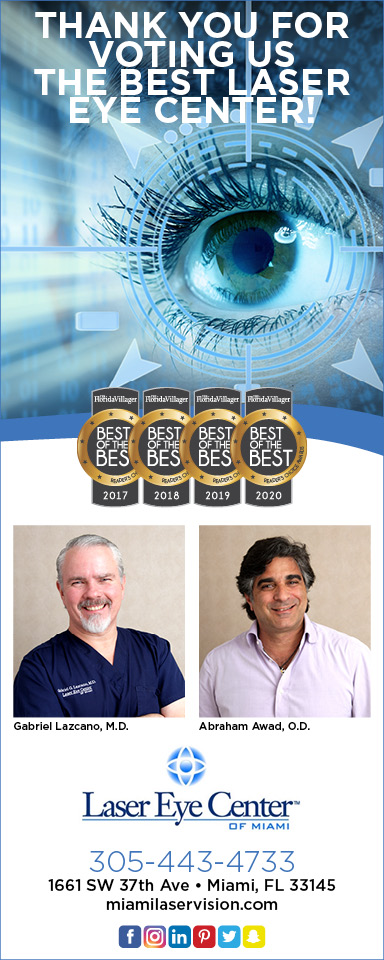
 Visiting Angels
 OpusCare of South Florida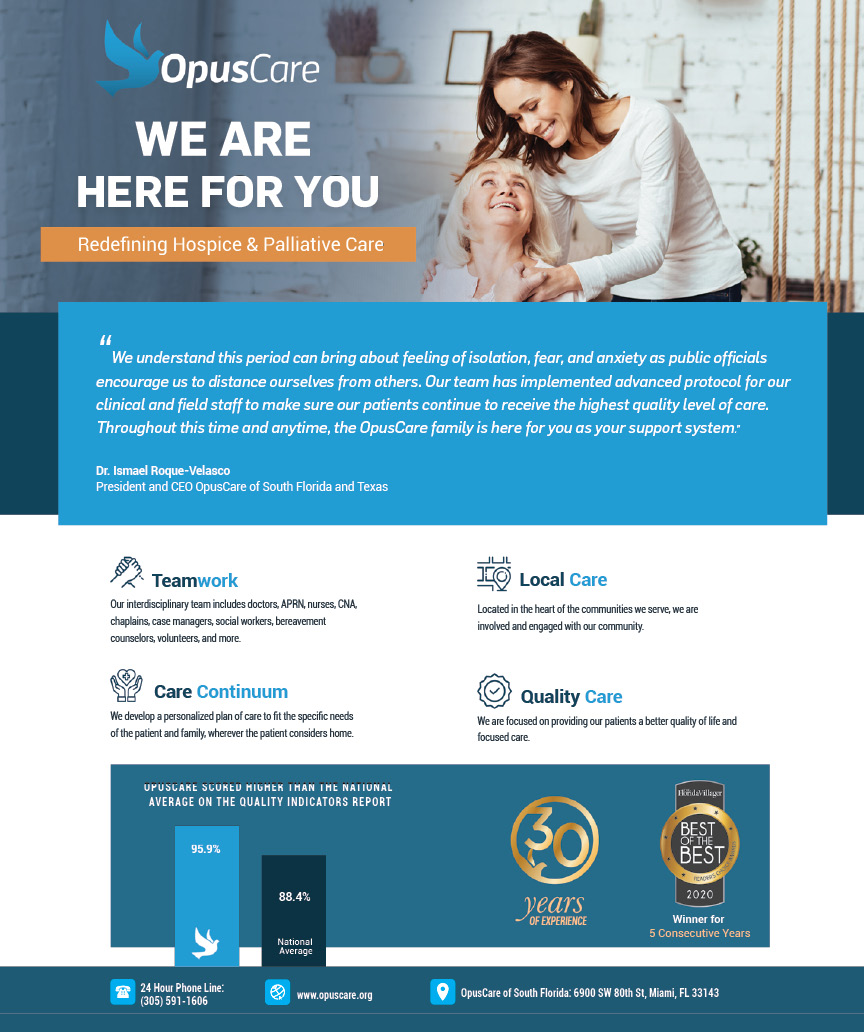


 Your Pet’s Best

 HD Tree Services
 Hamilton Fox & Company

 Creative Design Services