
The appeal of RV living is easy to understand. It offers the freedom to travel at your own pace, wake up to new scenery, and enjoy experiences that traditional vacations often cannot provide. For many people, long-term RV travel becomes more than a hobby; it becomes a lifestyle. While life on the road can be rewarding, maintaining your health requires intentional habits and routines that support your physical and mental well-being.
Developing healthy travel habits for long-term RV living can help you stay energized, comfortable, and prepared for the unique challenges that come with spending extended periods in a recreational vehicle. From sleep and nutrition to exercise and indoor air quality, small daily choices can have a significant impact on your overall quality of life.
Establish a Consistent Sleep Routine
One of the biggest adjustments for long-term RV travelers is maintaining quality sleep. Campgrounds, changing time zones, weather conditions, and unfamiliar surroundings can all affect your ability to rest.
A consistent bedtime routine helps your body recognize when it is time to wind down. Try to go to bed and wake up at roughly the same time each day, even when your travel schedule changes. Limiting screen exposure before bedtime, reducing noise when possible, and maintaining a comfortable sleeping temperature can also improve sleep quality.
Investing in supportive bedding and regularly replacing worn pillows can make a noticeable difference. Since your RV serves as both transportation and home, creating a dedicated sleep environment is especially important for long-term comfort.
Prioritize Balanced Nutrition
Travel often makes it tempting to rely on convenience foods, restaurant meals, or quick snacks. While occasional indulgences are part of the experience, maintaining a balanced diet supports energy levels, digestion, and overall wellness.
Planning meals ahead of travel days can help prevent unhealthy choices when time is limited. Stock your refrigerator and pantry with versatile ingredients that can be used in multiple meals. Fresh produce, lean proteins, whole grains, nuts, and healthy snacks provide lasting energy without requiring extensive preparation.
Cooking in an RV kitchen may require creativity, but many travelers find that simple meals are often the most practical. Soups, salads, grilled proteins, and one-pan dishes can provide excellent nutrition while minimizing cleanup and storage requirements.
Proper food storage is equally important. Keeping perishables at safe temperatures and organizing pantry items reduces waste and helps ensure you always have healthy options available.
Stay Active Throughout the Journey
Long hours behind the wheel can lead to stiffness, fatigue, and reduced physical activity. Fortunately, RV travel naturally creates opportunities to stay active if movement becomes a regular part of your routine.
Walking is one of the easiest ways to maintain fitness while traveling. Exploring campgrounds, hiking local trails, visiting parks, or simply taking a morning stroll can contribute significantly to your daily activity levels.
Many RV travelers also carry lightweight fitness equipment such as resistance bands, yoga mats, or adjustable dumbbells. These tools require minimal storage space while allowing for effective workouts almost anywhere.
Stretching before and after driving sessions can reduce muscle tension and improve circulation. Even a few minutes of movement during fuel stops can help combat the physical effects of prolonged sitting.
Rather than focusing on strict workout schedules, aim to incorporate movement naturally into your daily adventures.
Maintain Healthy Indoor Air Quality
When living in a compact space, indoor environmental conditions play a larger role in your health than many people realize. Dust, pet dander, moisture, cooking fumes, and outdoor pollutants can accumulate quickly within an RV.
Regular cleaning helps minimize airborne particles and allergens. Vacuuming, wiping surfaces, and washing fabrics on a consistent schedule can improve overall comfort and cleanliness.
Ventilation is equally important. Opening windows when conditions allow and ensuring ventilation systems function properly helps circulate fresh air throughout the living space.
Travelers wanting to know how to improve the air quality in your RV can benefit from understanding ventilation strategies, filtration options, and methods for reducing indoor contaminants. Better air quality supports respiratory health, improves sleep, and contributes to a more comfortable living environment during extended trips.
Monitoring humidity levels can also help prevent mold growth and reduce musty odors. Dehumidifiers or moisture-absorbing products may be useful in humid climates or during rainy seasons.
Stay Hydrated Every Day
Hydration is often overlooked during travel, yet it plays a critical role in maintaining energy, concentration, and overall health.
Long driving days, outdoor activities, and changing climates can increase your body’s water needs. Keeping reusable water bottles within easy reach encourages consistent hydration throughout the day.
Many experienced RV travelers make a habit of filling water bottles before departing for each day’s destination. This simple practice helps ensure adequate water intake regardless of travel schedules or available stops.
Proper hydration also supports digestion, reduces fatigue, and can help minimize headaches that sometimes occur during long road trips.
Manage Stress and Mental Wellness
While RV living offers freedom, it also introduces unique stressors. Route changes, vehicle maintenance issues, weather concerns, and logistical challenges can occasionally create tension.
Maintaining mental wellness requires intentional effort. Daily practices such as journaling, meditation, reading, or simply spending quiet time outdoors can help reduce stress levels.
Many travelers find that establishing small routines creates a sense of stability even when their surroundings constantly change. Morning coffee rituals, evening walks, or designated relaxation periods provide structure and familiarity.
Staying connected with friends and family is also important. Technology makes it easier than ever to maintain meaningful relationships while traveling long distances.
Recognizing when you need downtime is equally valuable. Not every day needs to be filled with sightseeing and activities. Rest days can help prevent burnout and make travel more enjoyable over the long term.
Build Sustainable Daily Habits
One of the keys to successful long-term RV living is focusing on consistency rather than perfection. Small habits practiced regularly often produce greater benefits than occasional major efforts.
Simple actions such as making your bed, preparing healthy meals, drinking enough water, taking daily walks, and keeping your living space organized contribute to a healthier lifestyle overall.
Over time, these routines become second nature and help create a sense of normalcy regardless of where the road leads.
Stay Prepared
Long-term RV travel offers countless opportunities for adventure, exploration, and personal growth. However, maintaining your well-being requires more than simply reaching your next destination. By focusing on sleep, nutrition, physical activity, hydration, indoor air quality, stress management, and preventive care, travelers can enjoy a healthier and more comfortable experience on the road.
The most successful travelers understand that healthy travel habits for long-term RV living are not about strict rules or complicated routines. They are about making thoughtful choices each day that support both immediate comfort and long-term wellness, allowing you to fully enjoy the freedom and flexibility that RV life provides.








 Deering Estate
 Massage Envy South Miami
 Calla Blow Dry
 My Derma Clinic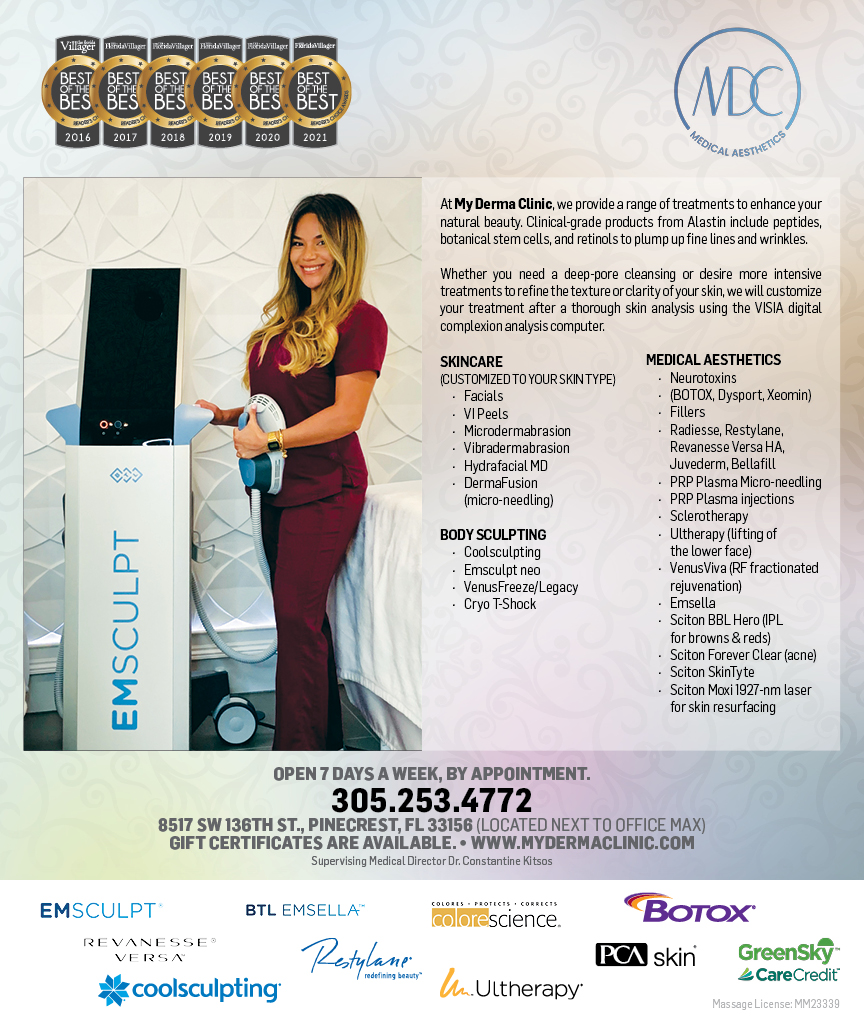
 Sports Grill
 The Healthy Kitchen
 Sushi Maki
 Golden Rule Seafood
 Malanga Cuban Café


 Kathleen Ballard
 Panter, Panter & Sampedro
 Vintage Liquors
 The Dog from Ipanema
 Rubinstein Family Chiropractic
 Your Pet’s Best
 Indigo Republic
 Animal Health and Rehab
 Maurice’s Jewelers
 ATR Luxury Homes


 2112 Design Studio
 Hamilton Fox & Company
 Creative Design Services
 Best Pest Professionals
 HD Tree Services
 Trinity Air Conditioning Company
 Cisca Construction & Development
 Mosquito Joe
 Cutler Bay Solar Solutions


 Miami Royal Ballet & Dance
 Christopher Columbus
 Pineview Preschools
 Westminster
 Carrollton
 Lil’ Jungle
 Frost Science Museum
 Palmer Trinity School
 South Florida Music
 Pinecrest Orthodontics
 Dr. Bob Pediatric Dentist
 d.pediatrics


 South Miami Women’s Health
 Endodontix Dental Group
 The Spot Barbershop
 My Derma Clinic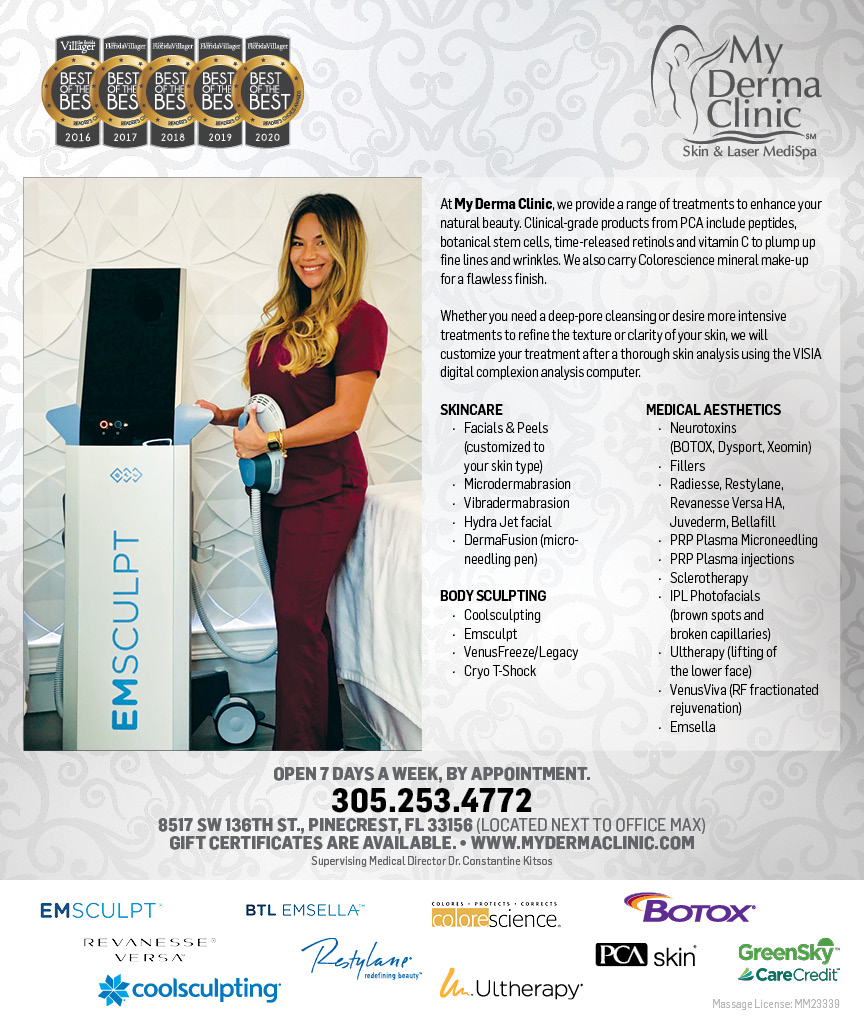




 Miami Dance Project

 Rubinstein Family Chiropractic
 Indigo Republic

 Safes Universe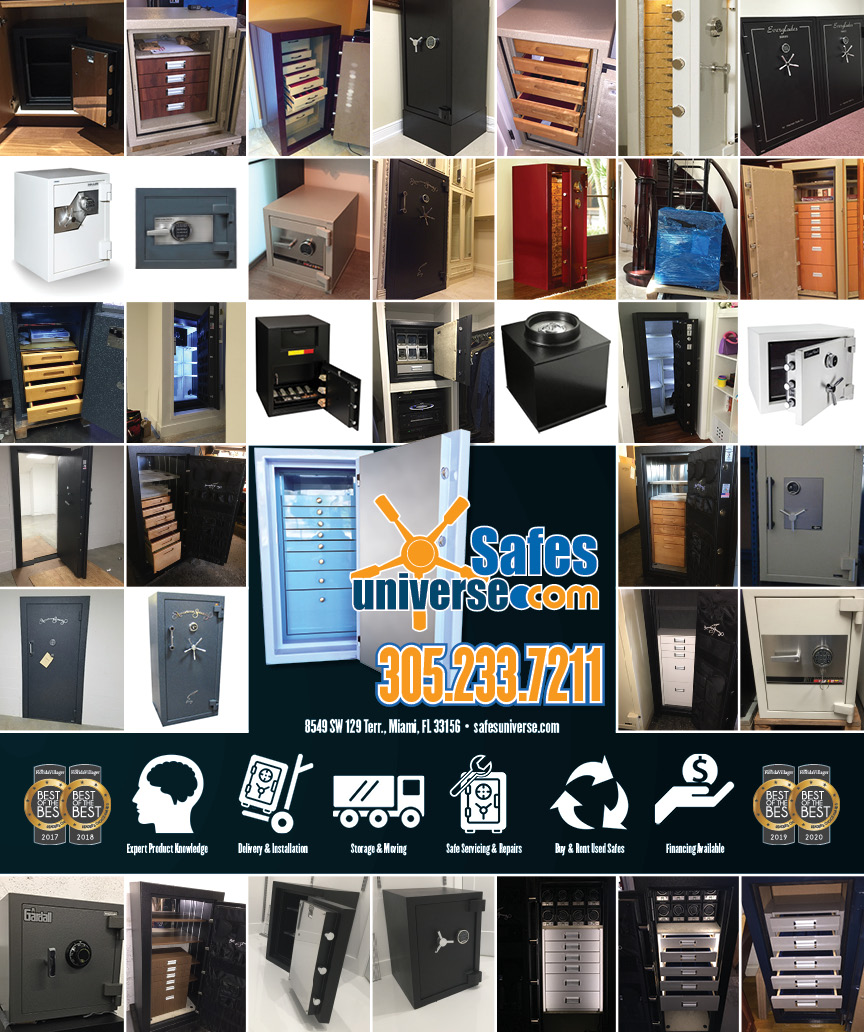
 Vintage Liquors
 Evenings Delight





 Atchana’s Homegrown Thai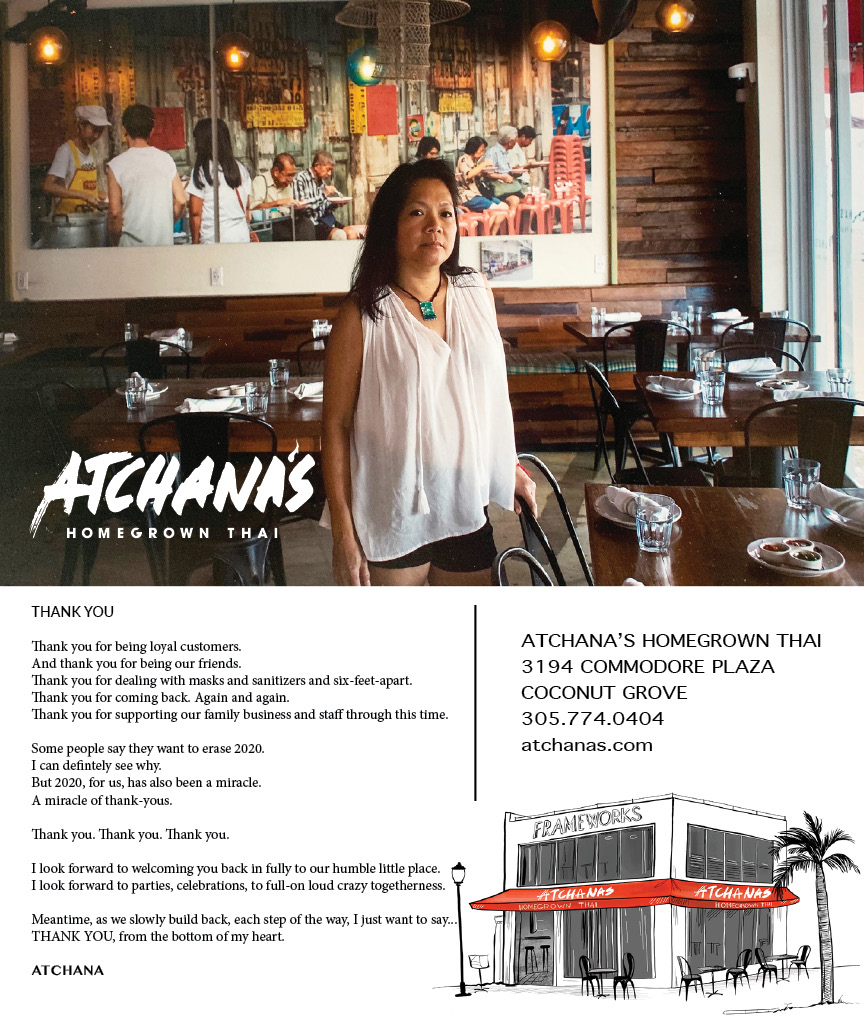
 Baptist Health South Florida

 Laser Eye Center of Miami
 Visiting Angels
 OpusCare of South Florida



 Your Pet’s Best

 HD Tree Services
 Hamilton Fox & Company

 Creative Design Services