Buying tires can feel simple at first glance. Four black circles, a few price points, and a quick installation appointment may seem like all it takes. In reality, the wrong choice can affect braking, ride comfort, fuel use, road noise, and confidence behind the wheel. For families in South Florida, where daily driving can include school drop-offs, expressway traffic, sudden rain, and long weekend trips, tires deserve more attention than they usually get.
Tires connect your car to the road during every stop, turn, and lane change. That is why drivers should slow down before making a purchase and avoid the mistakes that lead to poor performance or faster wear. Keep reading to understand the most prominent mistakes to avoid when buying new tires for your vehicle.
Mistake #1: Choosing Tires Based on Price Alone
Budget matters, but the cheapest tire is not always the best value. A low upfront price can look appealing until the tires wear out early, struggle in the rain, or create a rough, noisy ride. Drivers who focus only on cost may end up replacing tires sooner or dealing with poor traction when road conditions change.
A better approach is to compare value instead of sticker price. Look at tread life, warranty coverage, ride quality, and performance in the conditions you face most. A tire that costs a little more but lasts longer and handles better can save money over time.
Mistake #2: Ignoring Your Vehicle’s Recommended Tire Size
Every vehicle works best with a specific tire size range. When drivers guess, downsize to save money, or move to a different size without understanding the tradeoffs, they can affect handling, speedometer accuracy, fuel efficiency, and clearance.
You can find the correct size on the driver’s side door placard or in the owner’s manual. Pay attention to the full sequence of numbers and letters, not just the width. Those markings communicate the tire’s width, sidewall height, construction, and wheel diameter. Matching that information matters.
Mistake #3: Overlooking Load Rating and Speed Rating
Another mistake to avoid when buying new tires for your vehicle is not considering the load and speed rating of the tire. This can be a serious mistake, especially for larger SUVs, minivans, and vehicles that carry passengers, sports gear, groceries, or travel luggage on a regular basis.
Load rating tells you how much weight each tire can safely support. Speed rating reflects the tire’s tested performance capability at sustained speeds. Even if you never drive at the top end of that rating, it still connects to how the tire’s construction and how it responds on the road.
Mistake #4: Not Considering Driving Conditions.
Not every tire suits the same roads or the same weather. A tire that works well for one driver may not suit another. That matters in Florida, where heat, heavy rain, and slick pavement can challenge traction in a hurry. Weather changes also affect tire performance, as tire pressure can increase or decrease under rapid temperature swings.
Drivers should think about where and how they use their vehicles. Do you spend most of your time on city streets in Coral Gables or South Miami? Do you drive long highway miles across the state? These questions help narrow the best fit.
Mistake #5: Failing To Check the Tread Pattern
Tread pattern does more than shape the look of a tire. It influences grip, water evacuation, cornering stability, and road noise. A driver who skips this detail may buy a tire that does not match daily needs.
For example, a tread design that channels water effectively can support better control during rainy conditions. That becomes especially important on roads that collect standing water after a storm. Drivers who want a quieter ride for school runs or commuting may also benefit from tread designs built to reduce noise.
Mistake #6: Replacing Just One Tire
A single damaged tire may need replacement, but many drivers stop there without checking the condition of the other three. If the remaining tires have significant wear, pairing one new tire with three worn tires can create an imbalance in traction and handling.
Uneven tread depth affects braking and stability, especially in wet conditions. In some cases, replacing two tires or all four makes more sense than replacing one. The best choice depends on the vehicle, drivetrain, and current tire wear.
Mistake #7: Overlooking the Tire’s Age
A tire can look fine on the outside and still be too old to trust. Rubber changes with time, even when the tread remains. Drivers who buy old inventory without checking the manufacturing date may pay for a tire that has already spent years aging in storage.
You can check the DOT code on the sidewall to find the production week and year. This step is easy to miss during a rushed purchase, but it matters. When you buy a new tire, you want new performance, not a product that has already lost part of its useful life.
Mistake #8: Forgetting About Ride Comfort and Noise
Families spend a lot of time in their vehicles. Between morning routines, after-school pickups, grocery runs, and weekend plans, the ride experience matters. Some tires deliver firmer handling but add more road noise. Others create a smoother and quieter drive.
Drivers who focus only on traction or price can overlook comfort. That can lead to regret once the tires are on the car and every trip feels louder or harsher than before. Reading the tire’s features and discussing ride priorities with a professional can help match the tire to your lifestyle, not just your vehicle.
Mistake #9: Ignoring Maintenance
Even the best new tires will not perform well if drivers ignore maintenance. Inflation pressure, rotation, alignment, and balancing all affect how long tires last and how safely they perform. Some buyers treat tire installation as the finish line, when it is really the starting point.
Check pressure regularly, especially when temperatures shift. Rotate tires on schedule. Pay attention if the vehicle pulls to one side or if the steering wheel vibrates.
Mistake #10: Rushing the Decision
Many tire purchases happen after a flat, a failed inspection, or a stressful moment in a parking lot. In those situations, drivers may choose the first available option just to get back on the road. That reaction is understandable, but it can lead to a poor fit.
A few extra minutes can make a big difference. Compare the tire’s size, ratings, tread design, warranty, and intended use. Ask how the tire performs in heat and rain. When you take time to evaluate the full picture, buying new tires becomes less of a chore and more of a smart maintenance decision.
A Better Tire Purchase Starts With Better Questions
The best tire for your vehicle is not always the most expensive or the most heavily advertised. It is the one that fits your car, supports your daily driving habits, and performs well in the road conditions you face.
Before you buy, ask the right questions and resist the urge to make a fast decision based on price alone. Tires influence safety every time your family gets in the car. A little extra care at the buying stage can lead to better performance, better durability, and greater peace of mind mile after mile.








 Deering Estate
 Massage Envy South Miami
 Calla Blow Dry
 My Derma Clinic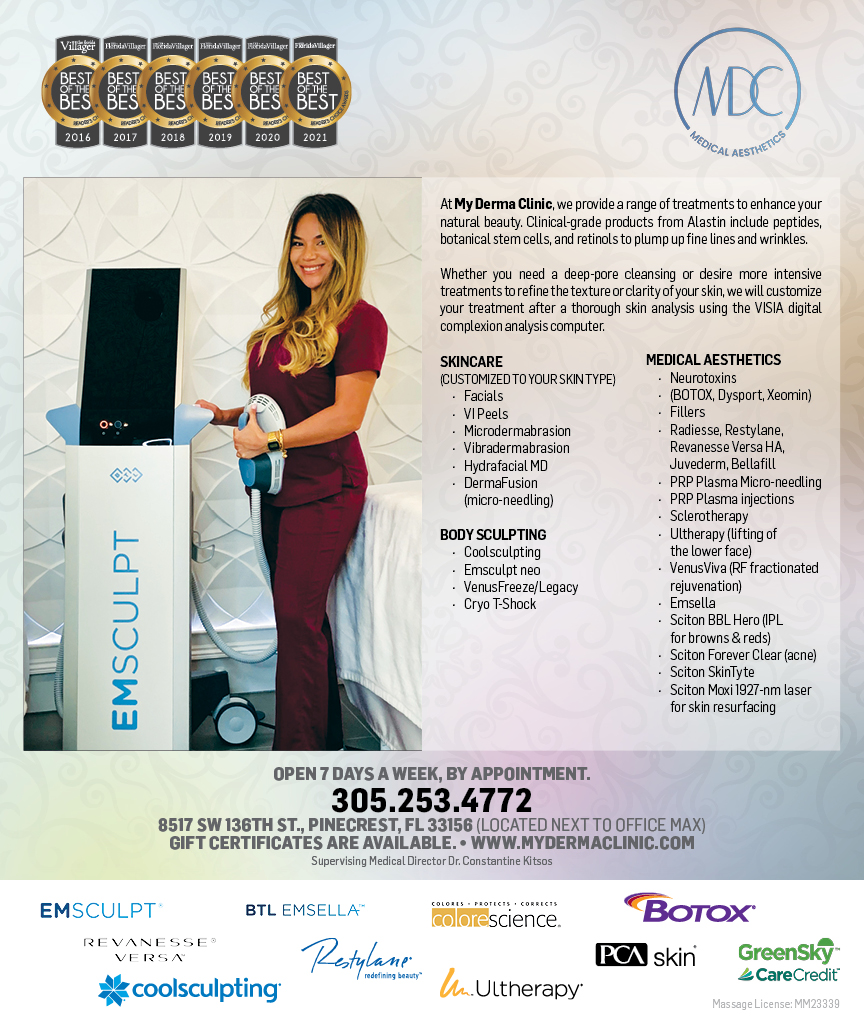
 Sports Grill
 The Healthy Kitchen
 Sushi Maki
 Golden Rule Seafood
 Malanga Cuban Café


 Kathleen Ballard
 Panter, Panter & Sampedro
 Vintage Liquors
 The Dog from Ipanema
 Rubinstein Family Chiropractic
 Your Pet’s Best
 Indigo Republic
 Animal Health and Rehab
 Maurice’s Jewelers
 ATR Luxury Homes

 2112 Design Studio
 Hamilton Fox & Company
 Creative Design Services
 Best Pest Professionals
 HD Tree Services
 Trinity Air Conditioning Company
 Cisca Construction & Development
 Mosquito Joe
 Cutler Bay Solar Solutions


 Miami Royal Ballet & Dance
 Christopher Columbus
 Pineview Preschools
 Westminster
 Carrollton
 Lil’ Jungle
 Frost Science Museum
 Palmer Trinity School
 South Florida Music
 Pinecrest Orthodontics
 Dr. Bob Pediatric Dentist
 d.pediatrics


 South Miami Women’s Health
 Endodontix Dental Group
 The Spot Barbershop
 My Derma Clinic




 Miami Dance Project

 Rubinstein Family Chiropractic
 Indigo Republic

 Safes Universe
 Vintage Liquors
 Evenings Delight





 Atchana’s Homegrown Thai
 Baptist Health South Florida

 Laser Eye Center of Miami
 Visiting Angels
 OpusCare of South Florida



 Your Pet’s Best

 HD Tree Services
 Hamilton Fox & Company

 Creative Design Services