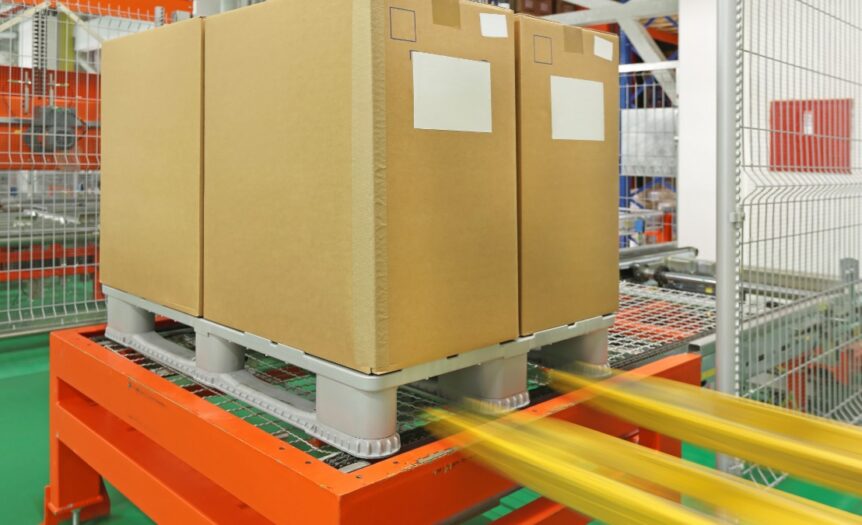
Automation typically feels like a topic for massive distribution hubs. Many mid-sized operations across Florida and beyond face the same pressure points as the largest facilities: tighter delivery windows, labor shortages in physically demanding roles, and customers who expect consistent packaging quality. A palletizer sits at the end of the line, but it influences the entire line’s rhythm.
When investing in a palletizer, the best decision comes from matching equipment capabilities to the specific way products move through your operation, not from choosing the newest or most complex machine. End-of-line bottlenecks do not just slow down a warehouse; they can back up production, increase damage rates, and add stress to an already thin staff. Below, we break down the important considerations when investing in a palletizer for your line.
Start With the Job Your Palletizer Must Do
The first step involves describing the reality on your floor. A palletizer must handle your product mix, your packaging, your pace, and your constraints. Many projects stumble because a team shops for a palletizer without defining the job in measurable terms.
Throughput and Peak Demand Matter More Than Averages
Average cases per minute rarely represent the true requirement. Most lines have peaks tied to shift changeovers, SKU runs, promotional demand, or seasonal surges. If your system runs comfortably at average speed but fails during peaks, operators will bypass automation, create manual workarounds, or stack product on the floor. You want a palletizer that supports steady flow through both typical and high-demand periods, with enough buffer to handle brief spikes without creating congestion upstream.
Product Variety Drives Complexity
Uniform cartons behave differently from mixed case sizes, trays, bags, or shrink-wrapped bundles. Lightweight packages may shift; high-friction cases may catch; slippery shrink film can compromise stability. A palletizer that performs perfectly with a single case style can struggle when the line introduces multiple footprints and weights. If your business relies on frequent changeovers, you should treat flexibility as a core requirement rather than a bonus feature.
Understand Layout and Building Realities Before You Shop
Another important consideration when investing in a palletizer for your line is the layout and realities of the workplace. End-of-line automation touches conveyors, safety guarding, forklift paths, pallet supply, stretch wrapping, labeling, and outbound staging. A palletizer cannot succeed in isolation.
Space Constraints and Flow Dictate the Right Configuration
Some facilities need a compact footprint that tucks into a corner. Others have room but require clear access for pallet pickup and drop-off. In older buildings, ceiling height, column placement, and uneven floors can add constraints.
You also must consider where empty pallets enter the system, where full pallets leave it, and how operators will safely interact with the equipment. When layout and flow align, the palletizer becomes an extension of the line. When they conflict, it becomes an obstacle.
Consider the Environment Your Equipment Lives In
Humidity, temperature swings, dust, washdown requirements, and corrosion risk influence equipment choices and maintenance needs. In coastal regions, teams frequently pay more attention to corrosion protection and enclosure options. In food environments, sanitation needs and material choices rise in priority. These factors do not change the concept of palletizing, but they change what “reliable” looks like over time.
Palletizer Configuration
Another important factor to consider is whether a robotic or conventional palletizer is the best fit. When a facility runs long production runs of similar cases at very high throughput, conventional palletizers can deliver strong performance. Robotic palletizers can adapt well when SKUs change frequently, when the operation handles various case sizes, or when floor space and reconfiguration needs play a big role. For operations that expect growth, new packaging formats, or frequent customer-driven changes, flexibility can become the feature that protects the investment.
Safety as a Design Requirement, Not an Add-On
Palletizing involves heavy loads, moving equipment, and repetitive tasks that can cause injuries. A modern palletizer project should reduce risk while maintaining productivity. Safety also includes accessibility: the ability to clear jams, load pallets, and perform routine maintenance without encouraging shortcuts.
A well-designed cell provides clear sightlines, safe operator zones, appropriate guarding, and intuitive controls. It also supports efficient pallet pickup and drop-off, so forklifts or pallet jacks do not weave unpredictably through work areas.
Plan Upstream and Downstream So the Palletizer Can Succeed
Palletizing performance depends on what arrives and what happens next. Case spacing and alignment are critical to palletizer success. If full pallets have nowhere to go, the line will still stop.
Case Presentation and Conveyor Control Set the Foundation
You should evaluate how cases travel to the palletizer, how they orient, and how the system handles gaps and surges. Good infeed design includes consistent spacing, reliable squaring, and predictable timing. When those basics hold, the palletizer can build stable loads and reduce product damage.
Outbound Handling Matters as Much as Stacking
Once a pallet leaves the cell, it may need stretch wrapping, labeling, corner boards, and staging. If your facility already wraps pallets at a separate station, you should ensure the sequence and distances make sense. If you plan to integrate wrapping, you should evaluate how that integration affects footprint and cycle time.
Evaluate ROI Through Total Cost of Ownership
Teams frequently focus on the upfront cost, but the long-term cost determines whether the project delivers value. A palletizer that costs less initially can cost more over time if it requires frequent service calls, complex changeovers, or higher staffing to keep it running.
Total cost of ownership includes energy use, wear parts, maintenance intervals, software and controls support, training, downtime risk, and the cost of adapting to future packaging changes. It also includes the human side: labor availability, turnover, and the physical demands of manual palletizing.
Build the Project Around People and Training
Automation works best when the workforce trusts it. Operators and maintenance technicians should participate early so the design supports real-world tasks. A palletizer cell that looks perfect on paper can frustrate staff if it complicates routine adjustments or makes troubleshooting harder than manual work.
Training should cover more than buttons and alarms. Teams need to understand how the system behaves during normal flow, what causes common disruptions, how to respond safely, and how to perform basic preventative checks. When training feels practical and specific to your line, adoption improves and downtime declines.
A Practical Way to Move Forward
A strong palletizer decision comes from aligning key things: production reality, facility constraints, safety and workflow, and long-term ownership costs. When you define requirements clearly, model the layout honestly, and involve the people who will run the equipment, the project becomes less risky and far more likely to deliver measurable results.
In a region like South Florida—where logistics, food distribution, and time-sensitive shipping play major roles—end-of-line reliability typically separates smooth operations from constant firefighting. The right palletizer protects product quality, reduces strain on staff, and keeps the entire line moving as intended.







 Deering Estate
 Massage Envy South Miami
 Calla Blow Dry
 My Derma Clinic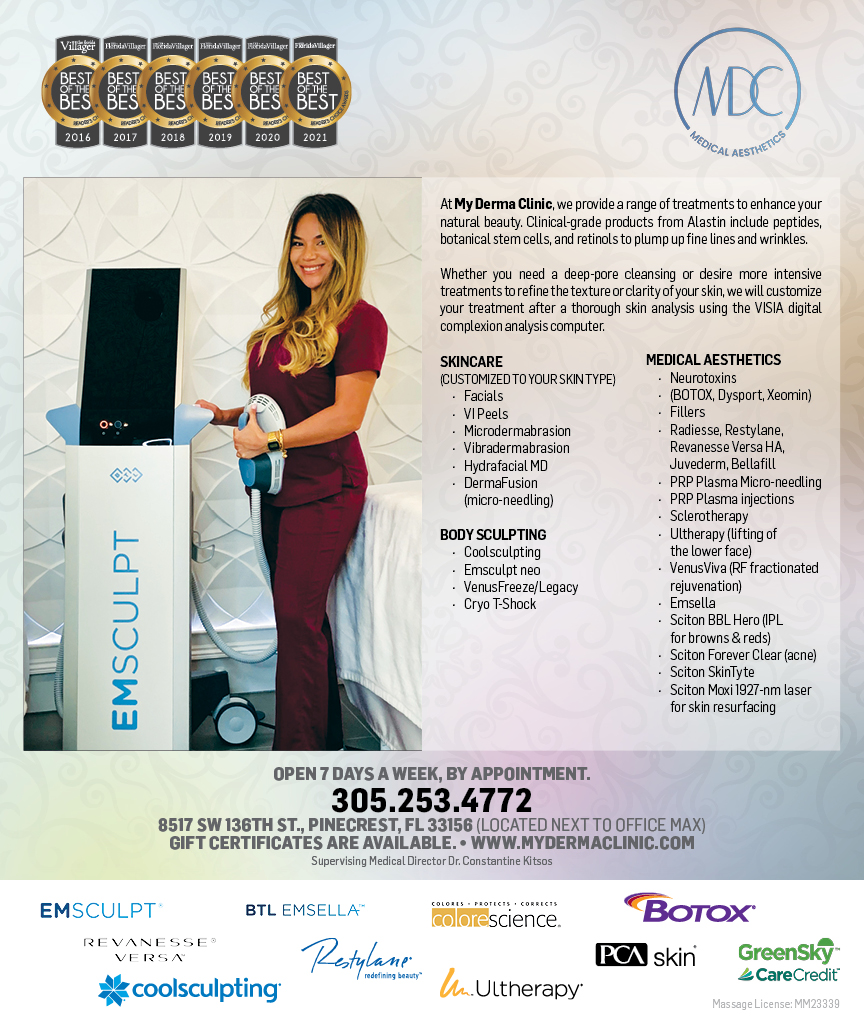
 Sports Grill
 The Healthy Kitchen
 Sushi Maki
 Golden Rule Seafood
 Malanga Cuban Café


 Kathleen Ballard
 Panter, Panter & Sampedro
 Vintage Liquors
 The Dog from Ipanema
 Rubinstein Family Chiropractic
 Your Pet’s Best
 Indigo Republic
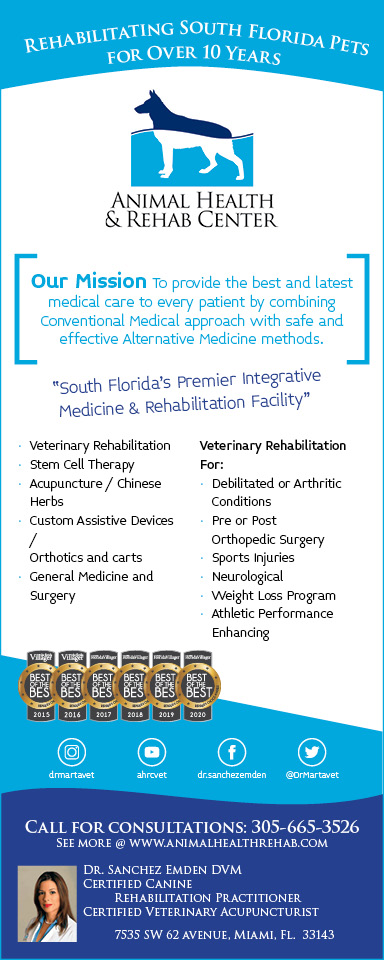
 Animal Health and Rehab
 Maurice’s Jewelers
 ATR Luxury Homes


 2112 Design Studio
 Hamilton Fox & Company
 Creative Design Services
 Best Pest Professionals
 HD Tree Services
 Trinity Air Conditioning Company
 Cisca Construction & Development
 Mosquito Joe
 Cutler Bay Solar Solutions


 Miami Royal Ballet & Dance
 Christopher Columbus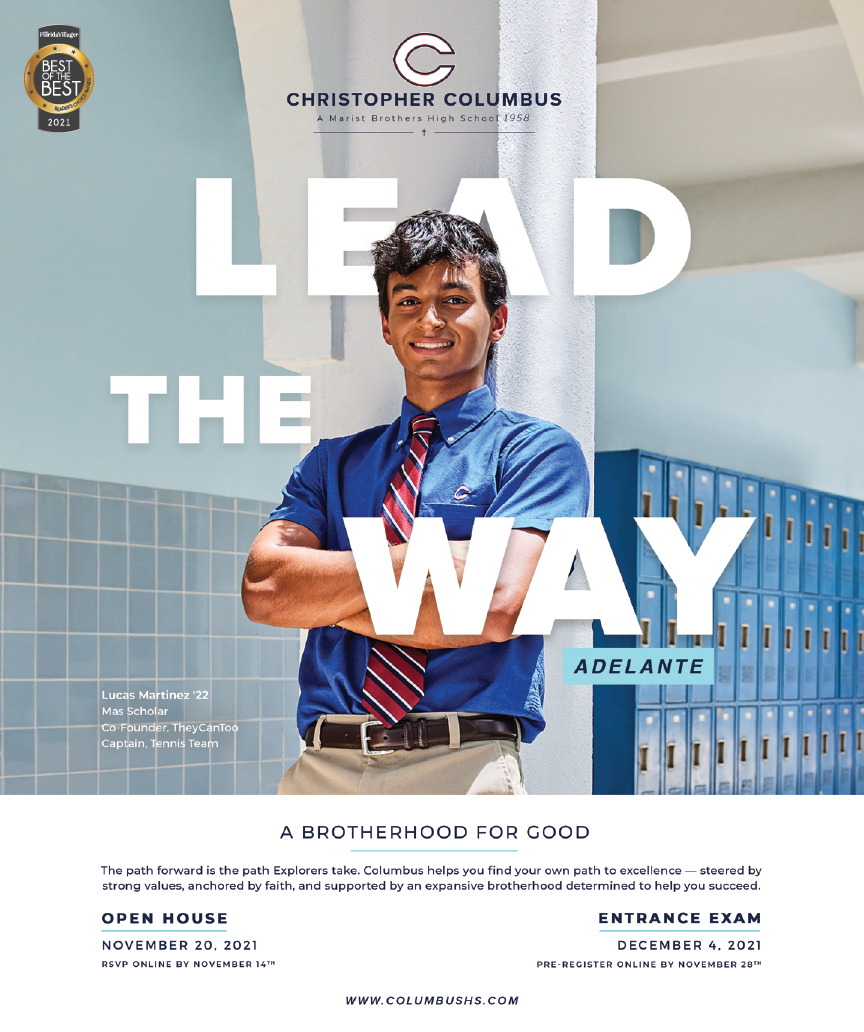
 Pineview Preschools
 Westminster
 Carrollton
 Lil’ Jungle
 Frost Science Museum
 Palmer Trinity School
 South Florida Music
 Pinecrest Orthodontics
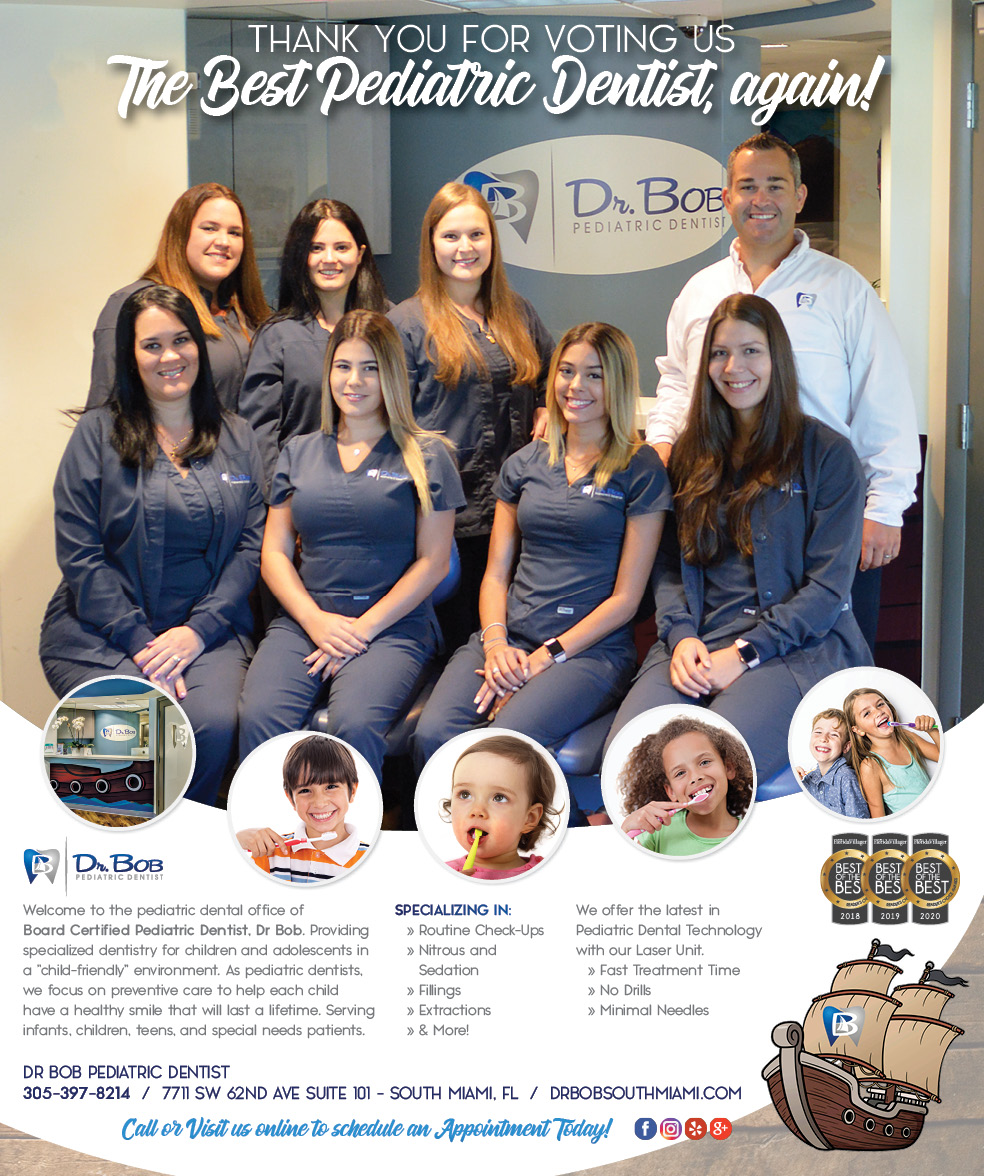
 Dr. Bob Pediatric Dentist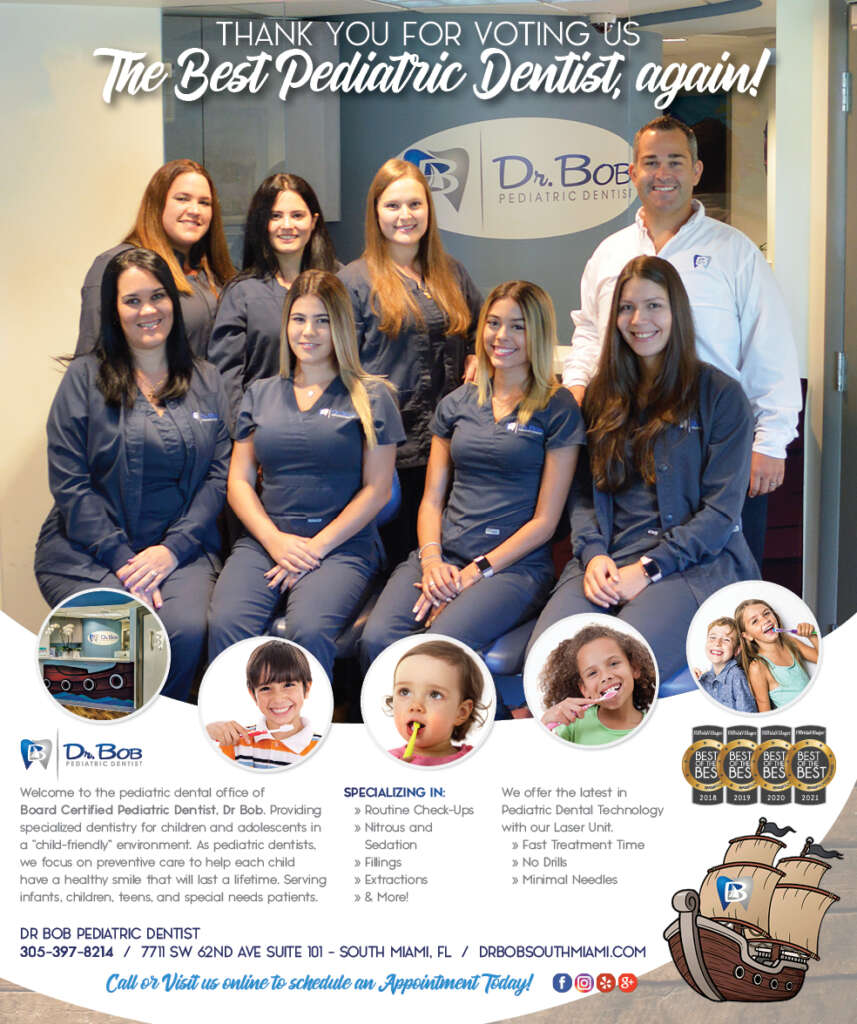
 d.pediatrics


 South Miami Women’s Health
 Endodontix Dental Group
 The Spot Barbershop
 My Derma Clinic




 Miami Dance Project
 Rubinstein Family Chiropractic
 Indigo Republic
 Safes Universe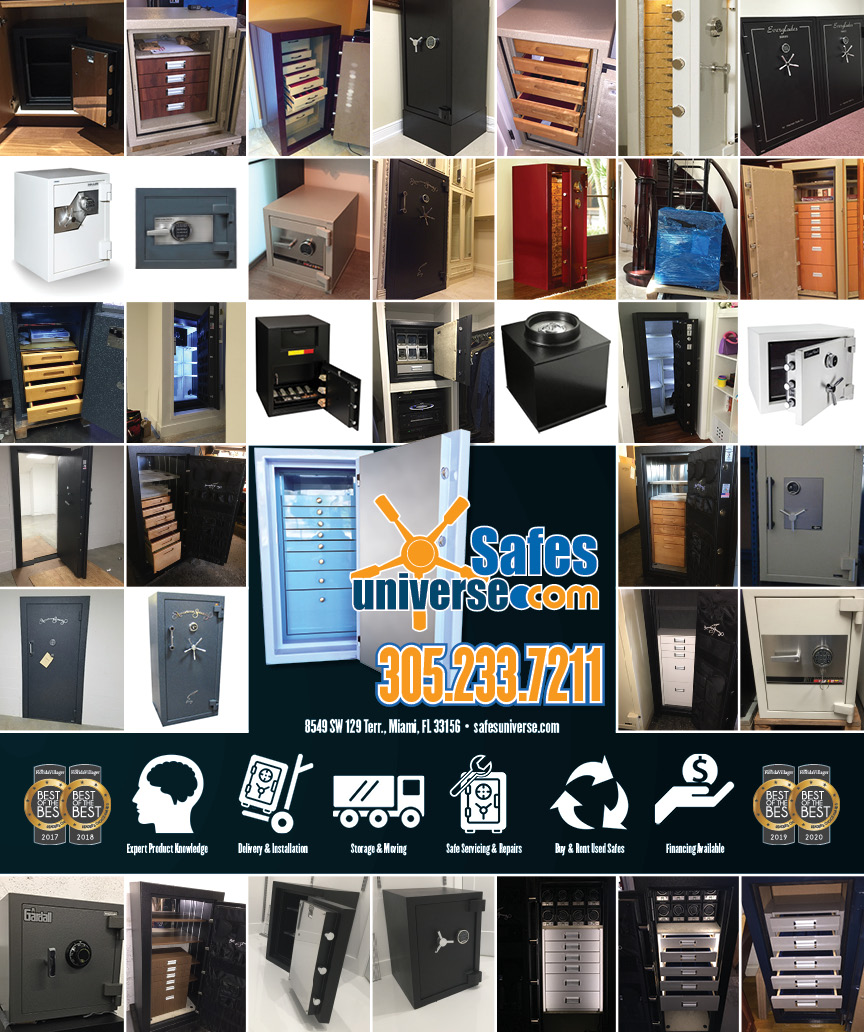
 Vintage Liquors
 Evenings Delight





 Atchana’s Homegrown Thai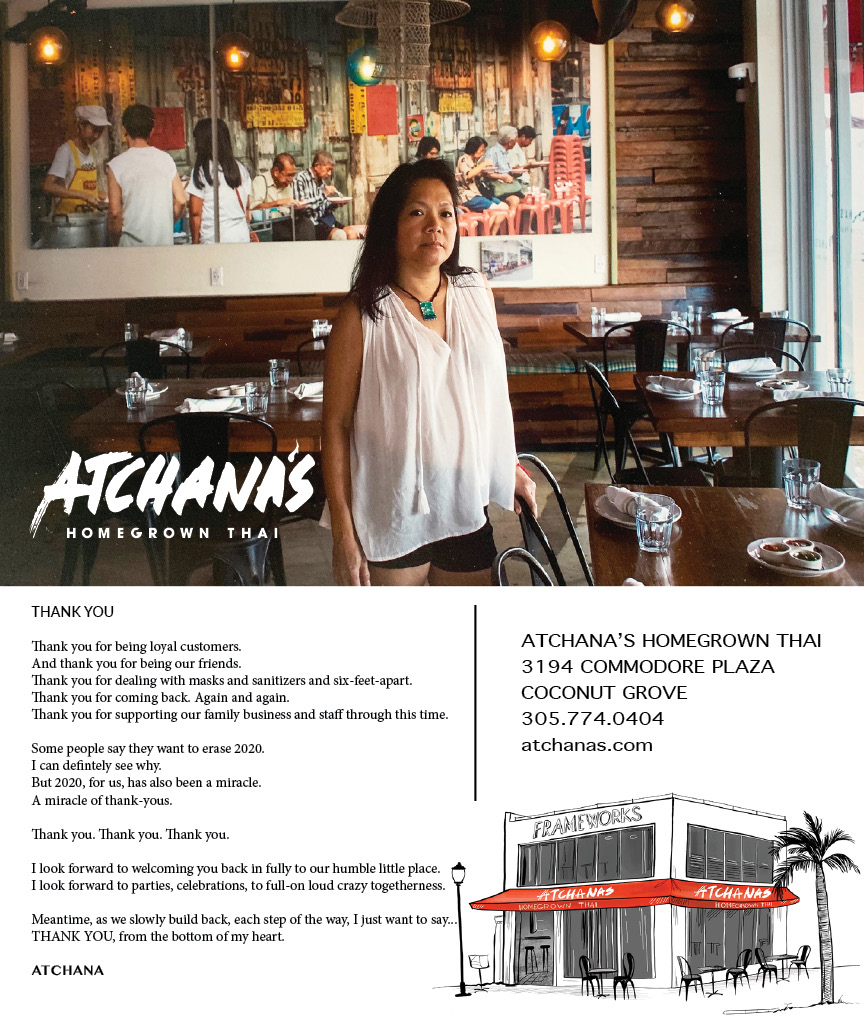
 Baptist Health South Florida

 Laser Eye Center of Miami
 Visiting Angels
 OpusCare of South Florida



 Your Pet’s Best

 HD Tree Services
 Hamilton Fox & Company

 Creative Design Services