Deciding to train for a triathlon is an exciting adventure. It is a powerful way to challenge yourself, boost your fitness, and join an incredible community of athletes. The journey from starting your training to crossing the finish line involves dedication, but with the proper guidance, it’s a goal that anyone can achieve.
If you’d like to become a triathlete, you’ve come to the right place. Below is our women’s guide to training for a triathlon that will walk you through everything you need to know to finish a triathlon. Keep reading to discover what gear you’ll need, how to train for all three stages, and more!
Gear Essentials
Getting the right gear is the first step in your triathlon training. You do not need the most expensive equipment to start, but having reliable and comfortable items will make a significant difference. For the swim, a good swimsuit, goggles that fit well, and a swim cap are crucial. For the bike portion, you will need a bicycle, a helmet, and comfortable cycling shorts. Any road-worthy bike will work for your first race. For the run, a pair of quality running shoes fitted to your gait is your most important investment. As you progress, you might consider looking for the best women’s tri-suits for your distance, so you can wear the same gear for each stage and save on your transition time.
Swim Training
The swim is the most intimidating part of a triathlon for many newcomers. Consistency is the key to building confidence in the water. Start by getting comfortable in the pool. Focus on your breathing and try to find a steady rhythm.
Aim to swim at least twice a week, gradually increasing your distance. If you are new to swimming, consider taking a lesson or joining a masters swim group. An instructor can provide valuable feedback on your form and technique, helping you swim more efficiently and conserve energy for the bike and run. It’s also best to practice in open water before race day to test your swim gear and acclimate your body to the conditions.
Bike Training
Cycling will make up the longest portion of your triathlon, so building endurance on the bike is essential. Plan to ride two to three times per week. One of these rides should be a long, steady-paced session where you gradually increase your mileage each week.
Another ride can be shorter and focus more on intensity, such as practicing hills or incorporating speed intervals. Make sure your bike fits correctly and comfortably to prevent injury. Learning basic bike maintenance, such as changing a flat tire, is also a valuable skill that will give you confidence on the road.
Run Training
For the running segment, the goal is to build a strong aerobic base that will carry you to the finish line, even when your legs are tired from the swim and bike. Incorporate running into your routine two to three times per week. Similar to cycling, include one longer, slower run to build endurance.
Your other runs can be shorter and include some faster-paced intervals to improve your speed. Many new triathletes find a run-walk strategy effective, especially during longer training sessions and on race day. This approach helps manage fatigue and can prevent injuries. Remember to listen to your body and avoid pushing too hard too soon.
Strength and Conditioning
A strong core and overall body strength are vital for preventing injuries and improving your performance across all three disciplines. Incorporate strength training into your schedule two days a week. Focus on exercises that target your core, glutes, and back muscles. Movements like planks, squats, lunges, and push-ups are excellent choices.
You do not need a gym membership to do this; you can do many practical exercises at home with minimal equipment. A consistent strength routine will help you maintain good form, especially as your body fatigues later in the race.
Nutrition and Hydration
Properly fueling your body is just as essential as your physical training. As you increase your training volume, your caloric needs will also increase. Focus on a balanced diet rich in carbohydrates for energy, protein for muscle repair, and healthy fats.
Practice your race day nutrition strategy during your long training sessions. Experiment with different energy gels, chews, and sports drinks to see what works best for your stomach. Hydration is also critical. Make sure you drink plenty of water throughout the day, not just during your workouts.
Transition Practice
Many triathletes refer to the transitions from swimming to biking and running as the fourth discipline. While it may not seem as important, a smooth and efficient transition can save valuable seconds, or even minutes, on your final race time.
Set up a mock transition area in your driveway or a park. Lay out your gear as you would for the race, and practice moving from the swim to the bike, then from the bike to the run. Go through the motions of taking off your wetsuit, putting on your helmet and shoes, and grabbing your bike. An easy and effective transition comes from practice and muscle memory.
Recovery and Rest
While you may want to push your body as hard as possible to speed up athletic development, you can’t overlook the importance of rest and recovery. Your body gets stronger during recovery, not during workouts. Schedule at least one complete rest day each week.
Your body does most of its muscle repairing and rebuilding while sleeping, so always make sure you’re getting enough shut eye every night. Incorporate active recovery activities like stretching, foam rolling, or a gentle walk into your routine. Overtraining can cause burnout and injury, so pay close attention to signs of fatigue and permit yourself to rest when you need it.
Your Race Day Plan
Having a plan for race day will help you feel calm and confident. In the days leading up to the race, focus on light activity, proper hydration, and nutritious meals. Pack all your gear the night before and double-check your list.
On race morning, eat the breakfast you have practiced with during training. Arrive at the race site early to set up your transition area and get a feel for the environment. Most importantly, remember to enjoy the experience. You have worked hard to get to the starting line, so soak in the atmosphere, smile for the cameras, and celebrate your incredible accomplishment.
Get Ready to Race
We hope our women’s guide to training for a triathlon helps you achieve your ultimate fitness goal. Training for a triathlon is a transformative experience that builds both physical and mental strength. By following a structured plan, listening to your body, and staying consistent, you can successfully prepare for your first race.
Embrace the process, celebrate your progress along the way, and look forward to the incredible feeling of crossing that finish line. You have the dedication and strength to achieve this goal, and this guide is here to support you every step of the way.








 Deering Estate
 Massage Envy South Miami
 Calla Blow Dry
 My Derma Clinic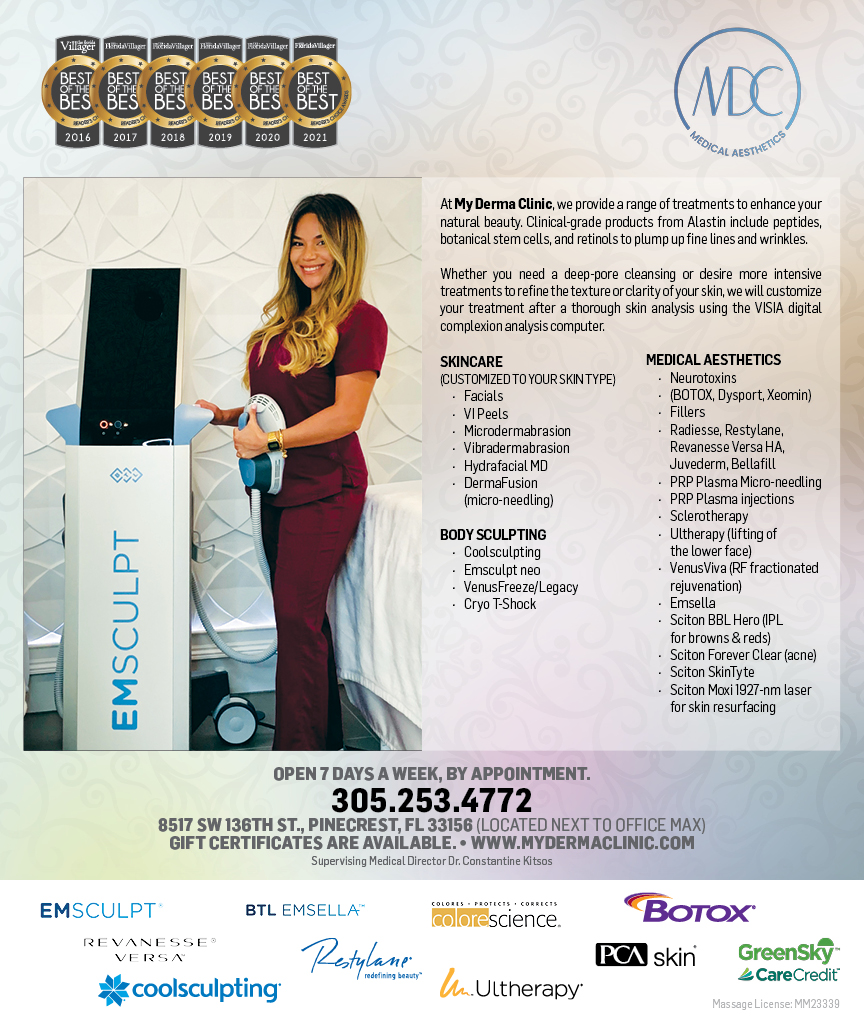
 Sports Grill
 The Healthy Kitchen
 Sushi Maki
 Golden Rule Seafood
 Malanga Cuban Café


 Kathleen Ballard
 Panter, Panter & Sampedro
 Vintage Liquors
 The Dog from Ipanema
 Rubinstein Family Chiropractic
 Your Pet’s Best
 Indigo Republic
 Animal Health and Rehab
 Maurice’s Jewelers
 ATR Luxury Homes


 2112 Design Studio
 Hamilton Fox & Company
 Creative Design Services
 Best Pest Professionals
 HD Tree Services
 Trinity Air Conditioning Company
 Cisca Construction & Development
 Mosquito Joe
 Cutler Bay Solar Solutions


 Miami Royal Ballet & Dance
 Christopher Columbus
 Pineview Preschools
 Westminster
 Carrollton
 Lil’ Jungle
 Frost Science Museum
 Palmer Trinity School
 South Florida Music
 Pinecrest Orthodontics
 Dr. Bob Pediatric Dentist
 d.pediatrics


 South Miami Women’s Health
 Endodontix Dental Group
 The Spot Barbershop
 My Derma Clinic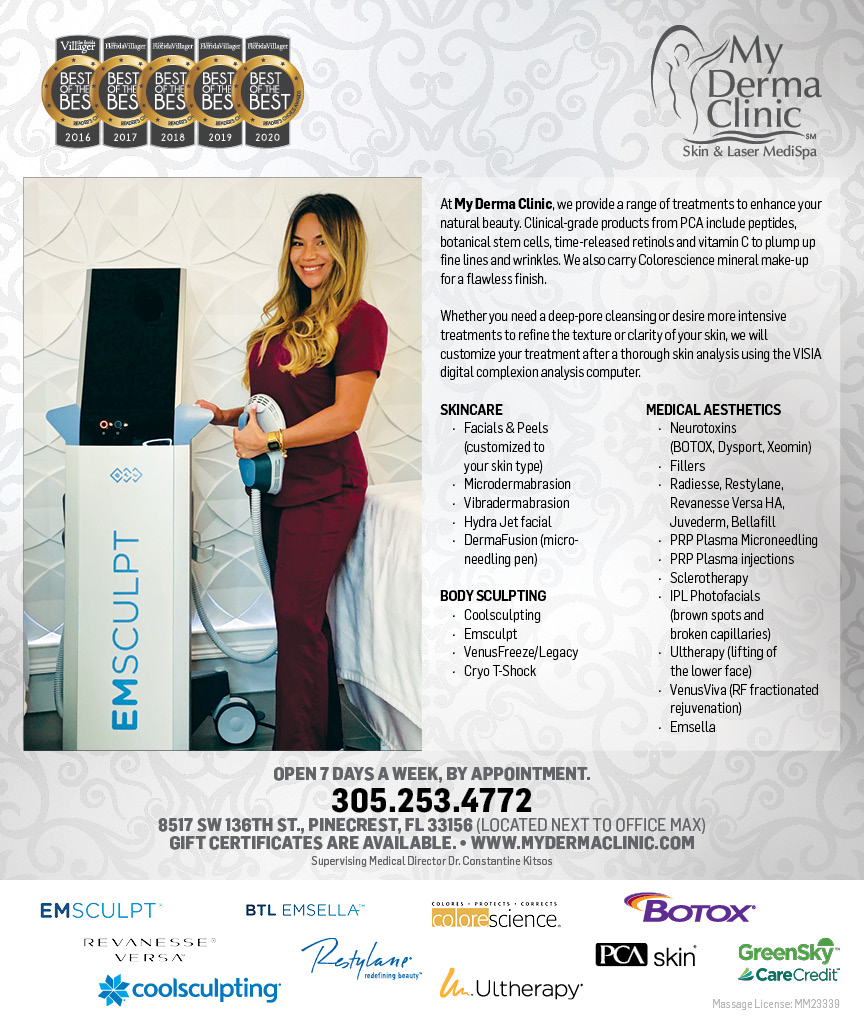




 Miami Dance Project

 Rubinstein Family Chiropractic
 Indigo Republic
 Safes Universe
 Vintage Liquors
 Evenings Delight





 Atchana’s Homegrown Thai
 Baptist Health South Florida

 Laser Eye Center of Miami
 Visiting Angels
 OpusCare of South Florida



 Your Pet’s Best

 HD Tree Services
 Hamilton Fox & Company

 Creative Design Services