Creating a more accessible home is not just about functionality, it’s about ensuring every resident and guest can feel comfortable, safe, and at ease. Whether you are planning to age in place or making adjustments for anyone with mobility challenges, accessibility remodeling can breathe new life into your home by marrying practicality with stylish design. Here, we’ll cover a few popular remodeling ideas to make your home more accessible while maintaining its charm.
Rethinking Entryways for Easy Access
Your home’s entryways should provide smooth and simple access for everyone, regardless of their mobility level. To get started, consider widening doorways to accommodate wheelchairs and walkers. A doorway width of at least 32 inches is ideal, and pocket doors can be a sleek alternative to traditional designs.
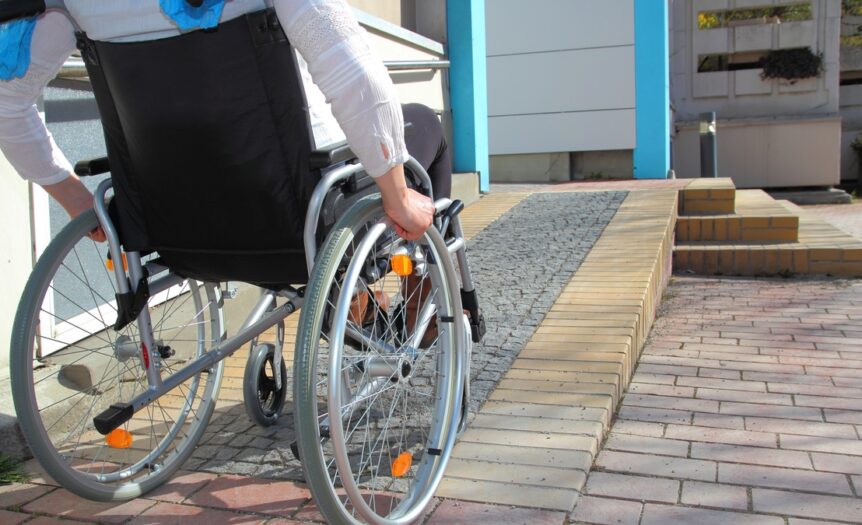
Adding ramps instead of stairs makes your entryway more accessible for individuals using wheelchairs or those with trouble navigating steps. At the same time, installing handrails along walkways provides additional support. If space allows, a no-step entry is not only practical but adds a modern, seamless aesthetic to any home.
For added convenience and safety, replace traditional door handles with lever-style handles. They are far easier to operate for individuals with reduced hand strength or dexterity.
Enhancing Kitchen Accessibility
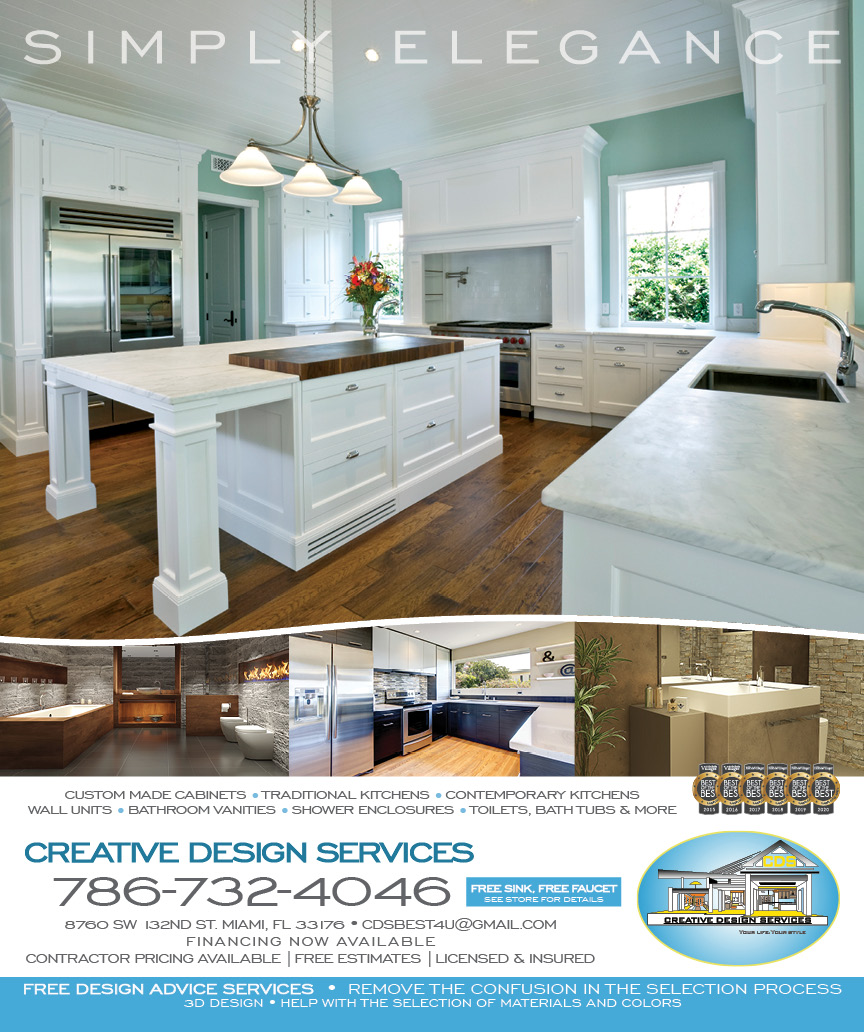
The kitchen is one of the most used spaces in any home, so its layout should be as functional as possible. Lowering countertops and cabinets ensures they are within reach for wheelchair users. Opt for pull-out shelves or drawers instead of deep cabinets to keep essential items easily visible and accessible.
Installing an under-counter microwave or oven with side hinges offers better accessibility than traditional overhead appliances. Adjustable height sinks and pull-down faucets can make cleaning and food preparation hassle-free for everyone. Adding proper task lighting is also critical to create a safe environment, especially for individuals with limited vision.
Ways to Make Your Bathroom More Accessible
Bathrooms are often one of the trickiest areas to remodel for accessibility, but a few thoughtful changes can significantly improve functionality. Start by looking at your shower and consider some roll-in shower solutions; showers can be difficult to make more accessible, but there are ways to achieve greater accessibility without sacrificing functionality. Pair it with a hand-held showerhead that is adjustable in height for added convenience.
Grab bars near the toilet and inside the shower provide support where it’s needed most. For enhanced safety, opt for textured, slip-resistant flooring materials that reduce the risk of accidents. When selecting a toilet, consider a comfort-height model, which sits higher than standard ones and makes sitting and standing less strenuous.
Replacing traditional vanities with floating or open-base options makes it easier for wheelchair users to access the sink area. Likewise, installing lever-style faucet handles simplifies operation for individuals with limited manual dexterity. With these modifications, bathrooms can become not only safer but also more enjoyable spaces.
Transforming Living Areas into Safe Havens
Common living spaces like living rooms and dining rooms should strike the perfect balance between accessibility and coziness. Begin by decluttering and creating wide, open pathways to promote mobility. Arranging furniture thoughtfully ensures there’s plenty of room for individuals to move around freely without obstacles.
Elevate the inclusivity of your living areas by investing in sofas and chairs that have a higher seat height, enabling ease of entry and exit. Adding side tables or surfaces within easy reach of seating areas provides convenience for everyone. Incorporating voice-activated technology through smart home hubs allows for effortless control of lighting, temperature, and entertainment systems.
For deeper accessibility, ensure thresholds between rooms are level or install ramps to avoid uneven flooring. Carpeting can be replaced with a solid, non-slip surface that is wheelchair-friendly, such as vinyl or laminate flooring. These updates provide a safer and more inviting space.
Focusing on Lighting Throughout Your Home
Proper lighting is an essential component of an accessible home. Poorly lit spaces can cause accidents and discomfort, particularly for those with vision impairments. Automating lighting through smart systems ensures the right level of illumination by time of day or activity. Motion-activated lights are another clever addition that reduces the need for switches altogether.
To improve adaptability, install dimmers to customize brightness levels and consider using color temperature bulbs to eliminate harsh lighting. Placing light switches at lower heights ensures that they are within reach of all individuals. Combining abundant natural and artificial lighting will allow for a well-lit, aesthetically pleasing environment throughout your home.
Accessible Bedrooms for Restful Nights
A bedroom should provide a safe and relaxing retreat while catering to accessibility needs, start by lowering beds to a reasonable height for easier transfers. If needed, adjustable beds can support specific health requirements or mobility concerns. Add sturdy handrails near the bed for extra assistance getting in and out comfortably.
Closet space can be redesigned with roll-out shelving or pull-down rods to make stored items more accessible. Installing motion sensor lighting inside the closet adds an extra layer of visibility and ease of use. Additionally, maintaining wide walkways throughout the bedroom will ensure smooth maneuverability for wheelchairs or walkers.
Hallways and Stairs Adjustments
Hallways and stairs require careful attention when upgrading for accessibility. Widening hallways to at least 36 inches provides sufficient space for all users. Handrails on both sides of your staircase add much-needed support, while stairlifts or residential elevators are excellent options for those with limited mobility to access upper levels.
Well-lit hallways reduce the chance of trips, especially for individuals with impaired sight. If flooring is uneven, leveling it creates a hazard-free transition and maintains a cohesive look throughout your home.
Bringing it All Together
Creating an accessible home doesn’t mean compromising on style or personality. The key is thoughtful design and prioritizing the needs of everyone who uses the space. By focusing on entryways, kitchens, bathrooms, living spaces, and more, you can transform your home into a haven of comfort and inclusivity.
Thoughtful accessibility remodeling for your home combines functional solutions with modern aesthetics, ensuring equal access while preserving the beauty of your space. These changes not only broaden the usability of your home but also enhance its overall value and appeal.








 Deering Estate
 Massage Envy South Miami
 Calla Blow Dry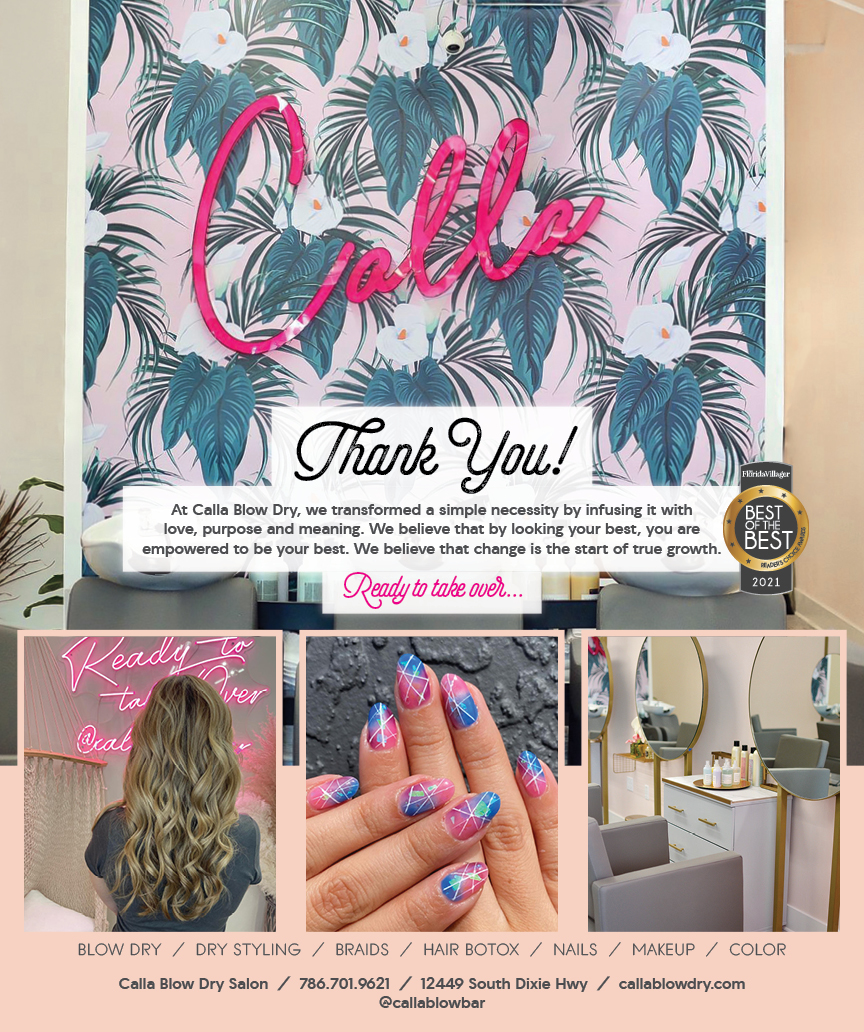
 My Derma Clinic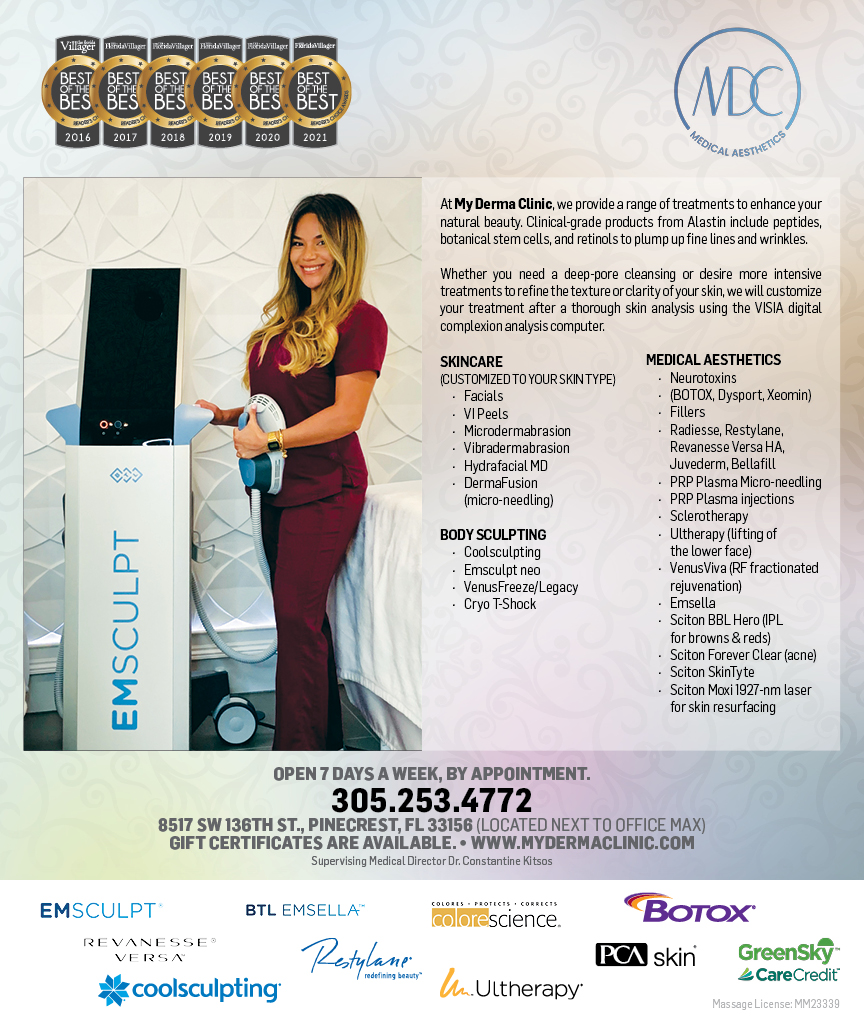
 Sports Grill
 The Healthy Kitchen
 Sushi Maki
 Golden Rule Seafood
 Malanga Cuban Café


 Kathleen Ballard
 Panter, Panter & Sampedro
 Vintage Liquors
 The Dog from Ipanema
 Rubinstein Family Chiropractic
 Your Pet’s Best
 Indigo Republic
 Animal Health and Rehab
 Maurice’s Jewelers
 ATR Luxury Homes

 2112 Design Studio
 Hamilton Fox & Company
 Creative Design Services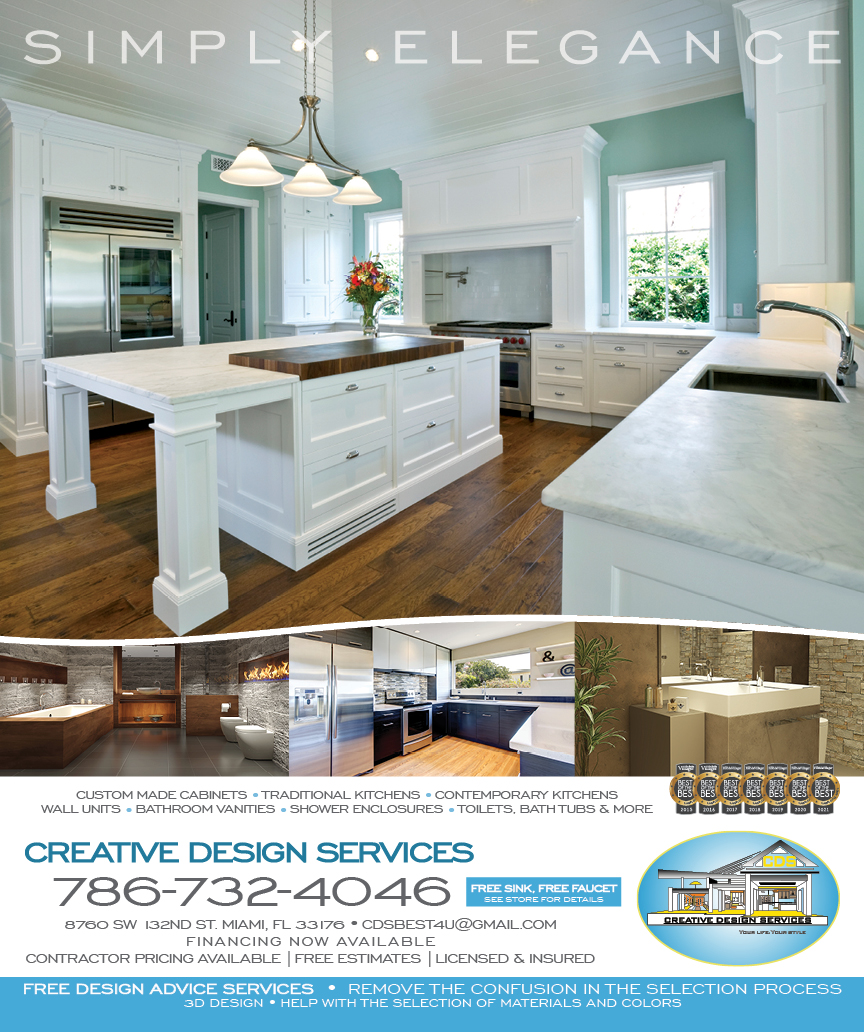
 Best Pest Professionals
 HD Tree Services
 Trinity Air Conditioning Company
 Cisca Construction & Development
 Mosquito Joe
 Cutler Bay Solar Solutions


 Miami Royal Ballet & Dance
 Christopher Columbus
 Pineview Preschools
 Westminster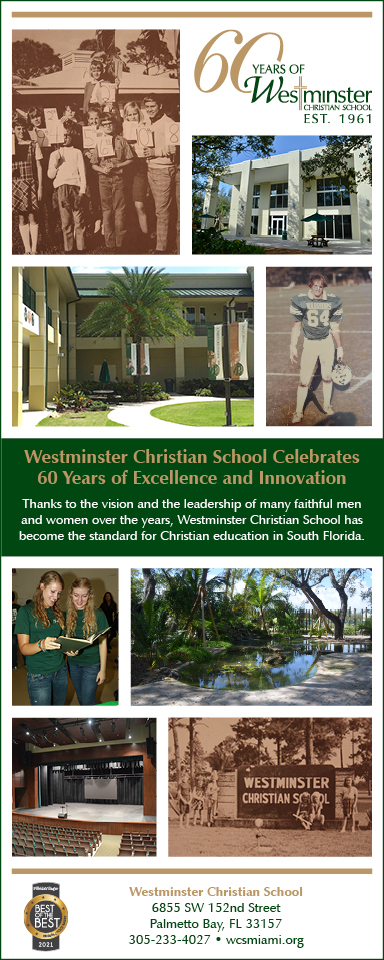
 Carrollton
 Lil’ Jungle
 Frost Science Museum
 Palmer Trinity School
 South Florida Music
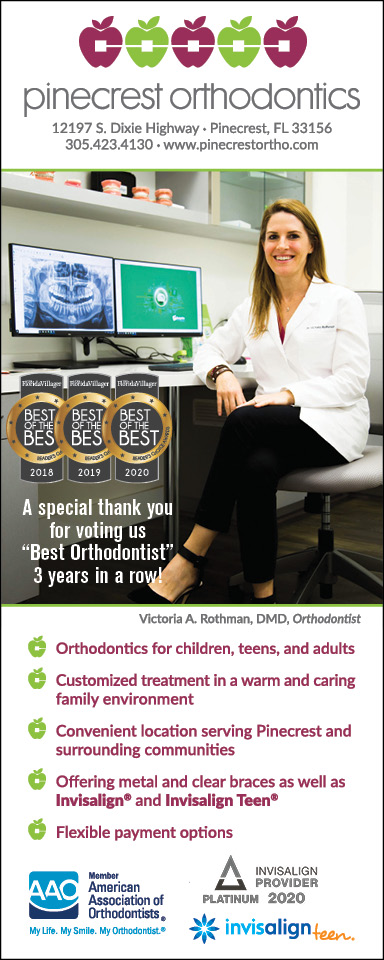
 Pinecrest Orthodontics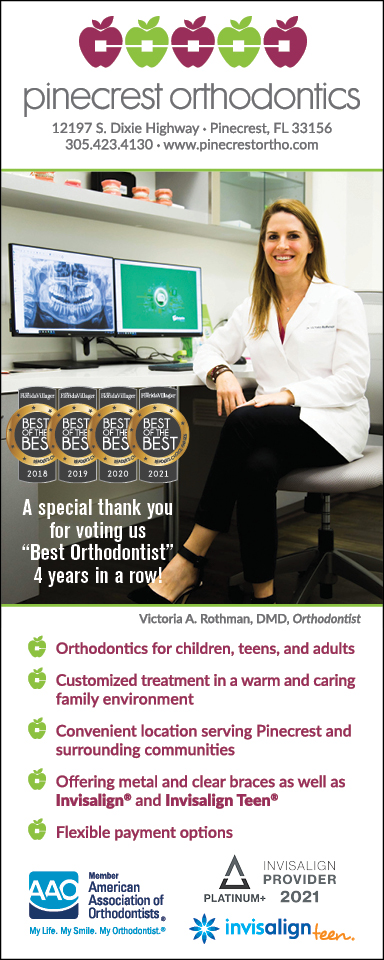
 Dr. Bob Pediatric Dentist
 d.pediatrics

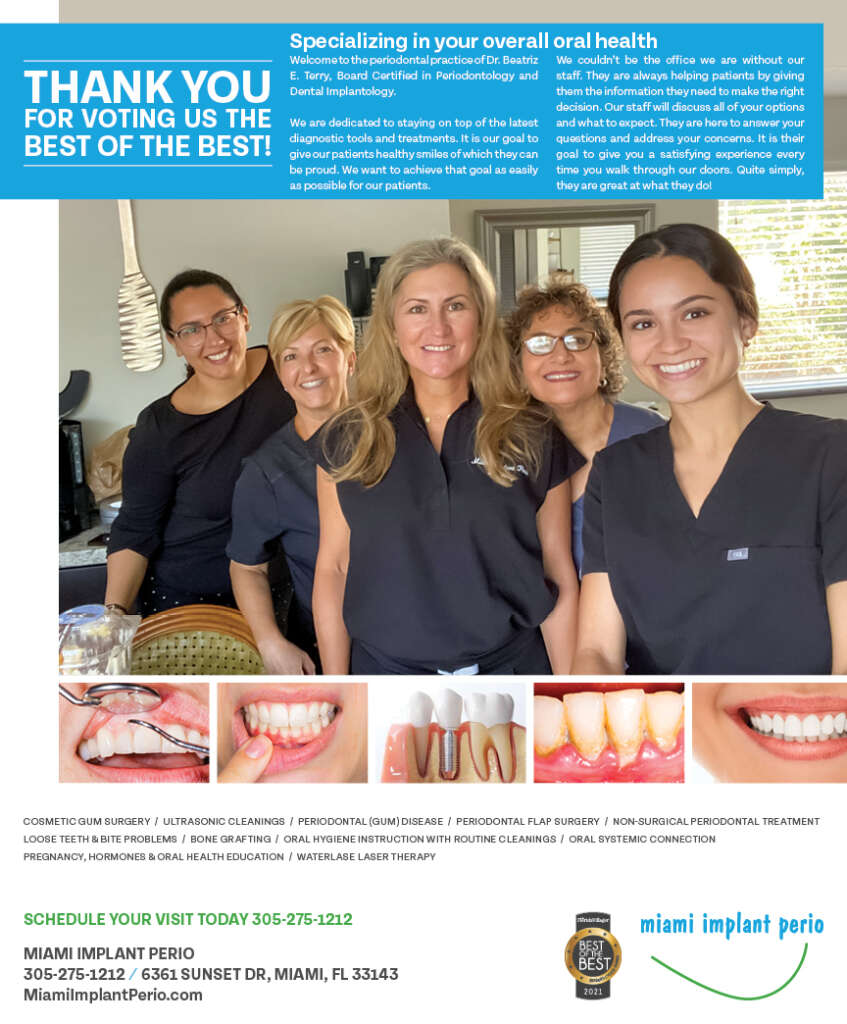
 South Miami Women’s Health
 Endodontix Dental Group
 The Spot Barbershop
 My Derma Clinic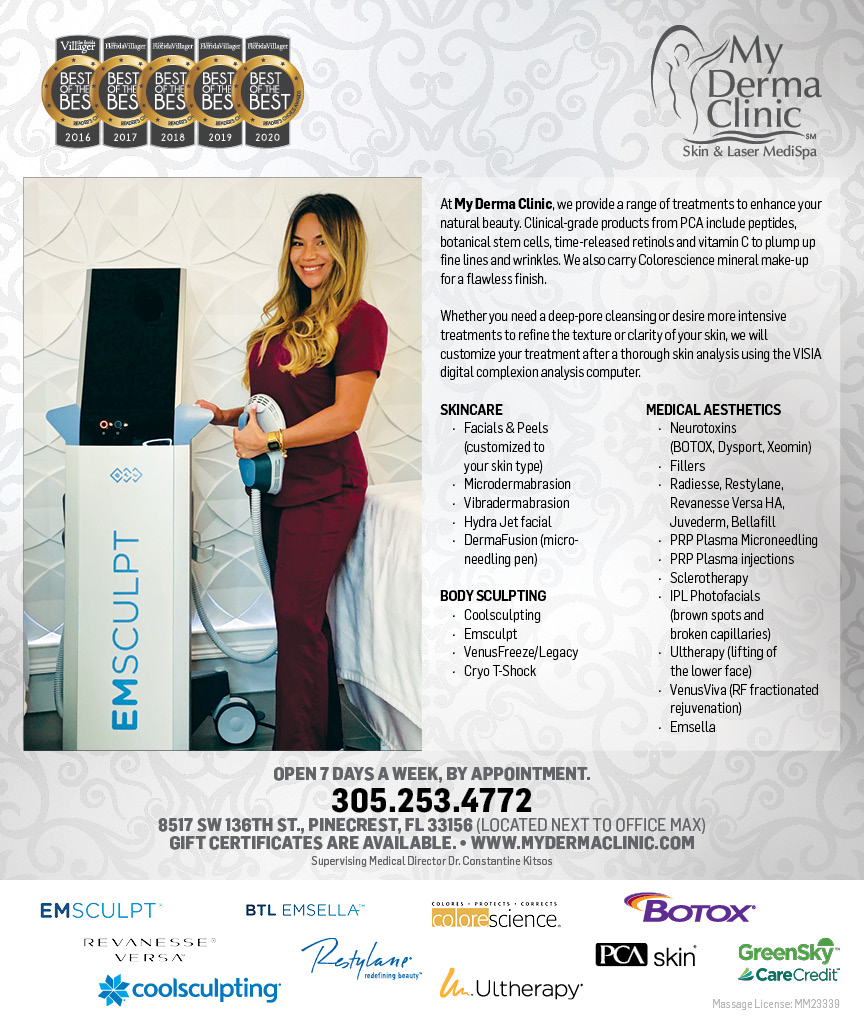



 Miami Dance Project

 Rubinstein Family Chiropractic
 Indigo Republic

 Safes Universe
 Vintage Liquors
 Evenings Delight





 Atchana’s Homegrown Thai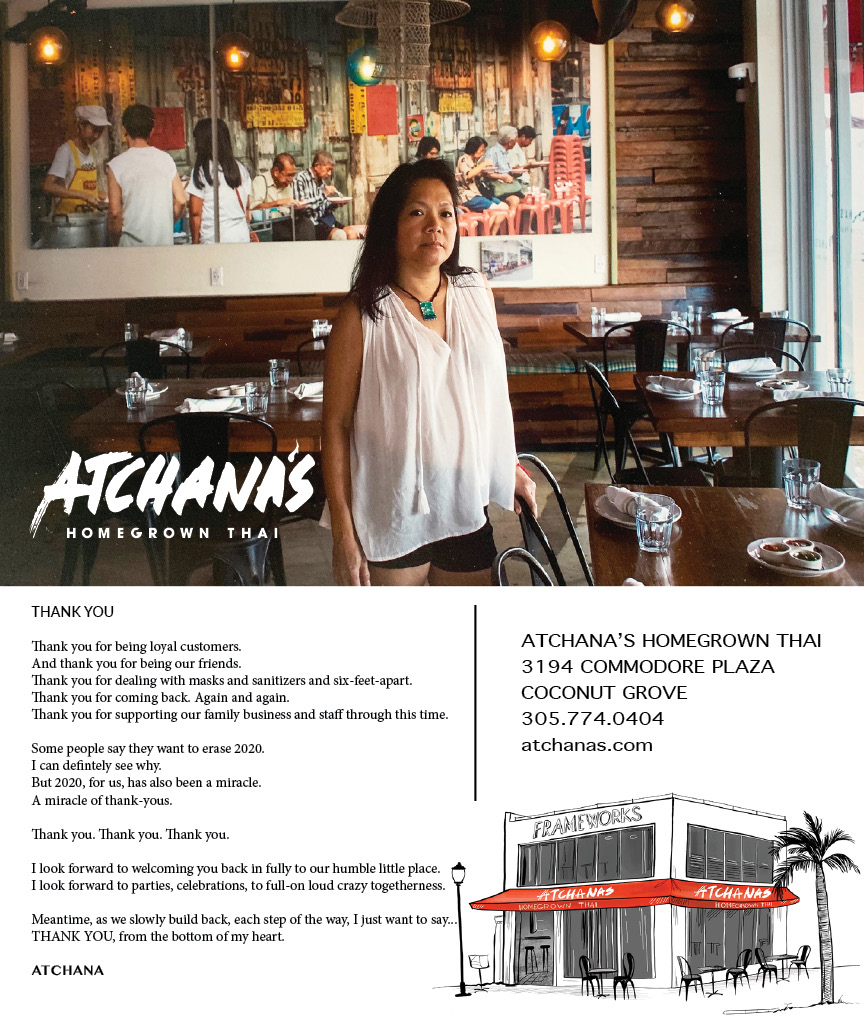
 Baptist Health South Florida

 Laser Eye Center of Miami
 Visiting Angels
 OpusCare of South Florida



 Your Pet’s Best

 HD Tree Services
 Hamilton Fox & Company

 Creative Design Services