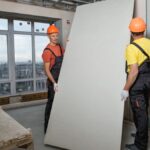
Rain changes the dynamics of a job site instantly. Visibility drops, surfaces get slick, and electrical hazards increase. Keeping a project on schedule matters, but protecting the crew matters more. Taking proactive steps guarantees everyone goes home safe and dry at the end of the shift. Here’s how to keep team members safe on a construction site during the rain.
Provide Proper Rain Gear
High-quality gear serves as the first line of defense. Wet clothes lower body temperature and distract workers from their tasks. Choosing the right rainwear for construction work involves finding durable, high-visibility options that repel water without restricting movement. Breathable fabrics help workers stay comfortable, allowing them to maintain their focus on the job at hand. Additionally, hooded jackets prevent water from running down necks, and waterproof gloves maintain grip on slippery tools.
Conduct Regular Site Inspections
Conditions change rapidly during a storm. Supervisors must inspect the site frequently to spot accumulating water or unstable ground. Pay close attention to trench edges and scaffolding footings, as rain softens the soil quickly. Identifying these changes early allows the team to fix them before they become dangerous. Marking off flooded areas or reinforcing walkways with gravel keeps traffic moving safely around potential hazards.
Check Your Team’s Footwear
Mud and wet concrete turn sturdy surfaces into slip hazards. Verify that every team member wears boots with heavy-duty, slip-resistant treads. Worn-out soles offer zero traction on wet metal or wood. Good footwear provides the stability necessary to navigate a slick environment confidently. Furthermore, keeping extra pairs of dry socks on site helps prevent trench foot and boosts morale.
Adjust Work Schedules
Pushing through a severe storm rarely yields good results. Supervisors should monitor weather forecasts and adjust the day’s plan accordingly. If lightning or heavy downpours threaten the area, pause outdoor activities or shift the crew to indoor tasks. Flexibility prevents unnecessary exposure to the worst elements. Rescheduling critical lifts or concrete pours for clear weather guarantees better results and safer operations.
Cover or Protect Equipment
Water and electricity make a dangerous combination. Use waterproof tarps to shield generators, power tools, and building materials. Instruct the crew to unplug tools and store them in dry, secure areas when they are not in use. Protecting equipment prevents damage and eliminates shock hazards. Additionally, verify that all outdoor extension cords have ratings for wet conditions to avoid short circuits.
Provide Adequate Training
Even experienced workers benefit from reminders. Hold a brief safety meeting before work begins to discuss specific rain-related risks. Cover topics like safe ladder use in wet conditions, slower vehicle stopping distances, and proper handling of slippery materials. A well-informed team spots hazards faster and looks out for one another. Encouraging open communication allows workers to report unsafe conditions immediately.
A little rain does not have to derail progress or compromise safety. Implementing these construction site strategies creates a secure environment where productivity thrives despite the rain. Browse our full catalog of safety equipment to outfit your team for any forecast.







 Deering Estate
 Massage Envy South Miami
 Calla Blow Dry
 My Derma Clinic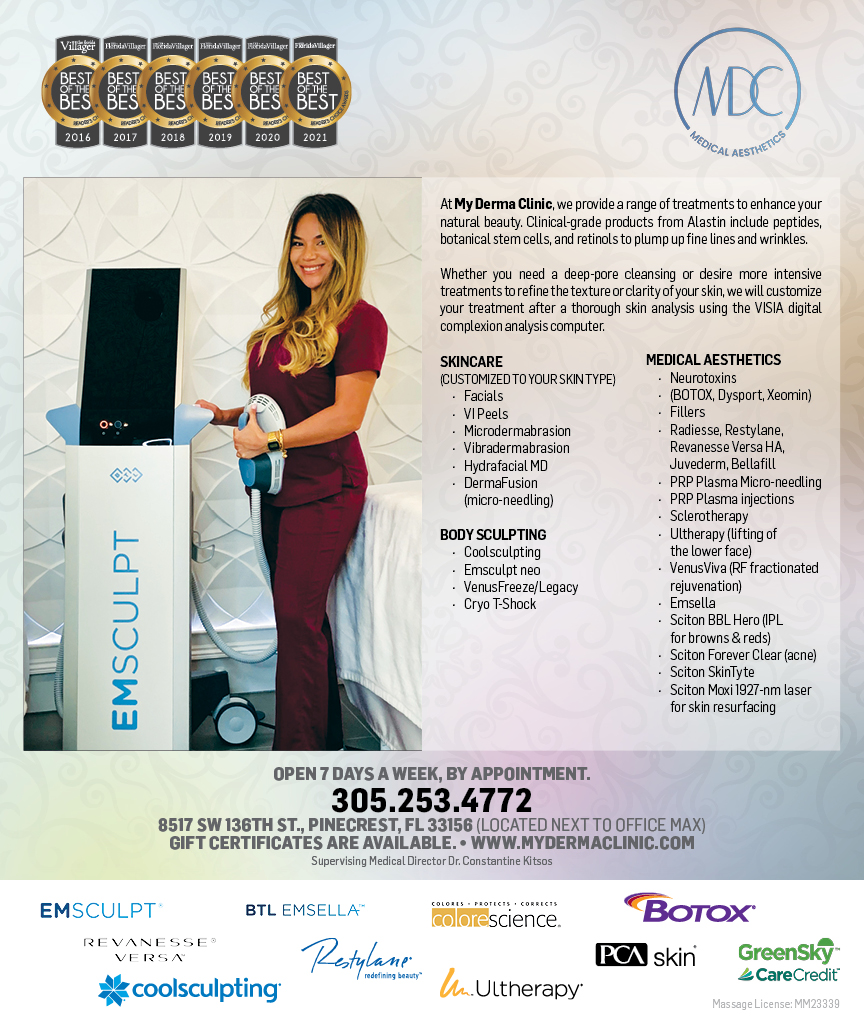
 Sports Grill
 The Healthy Kitchen
 Sushi Maki
 Golden Rule Seafood
 Malanga Cuban Café


 Kathleen Ballard
 Panter, Panter & Sampedro
 Vintage Liquors
 The Dog from Ipanema
 Rubinstein Family Chiropractic
 Your Pet’s Best
 Indigo Republic
 Animal Health and Rehab
 Maurice’s Jewelers
 ATR Luxury Homes

 2112 Design Studio
 Hamilton Fox & Company
 Creative Design Services
 Best Pest Professionals
 HD Tree Services
 Trinity Air Conditioning Company
 Cisca Construction & Development
 Mosquito Joe
 Cutler Bay Solar Solutions


 Miami Royal Ballet & Dance
 Christopher Columbus
 Pineview Preschools
 Westminster
 Carrollton
 Lil’ Jungle
 Frost Science Museum
 Palmer Trinity School
 South Florida Music
 Pinecrest Orthodontics
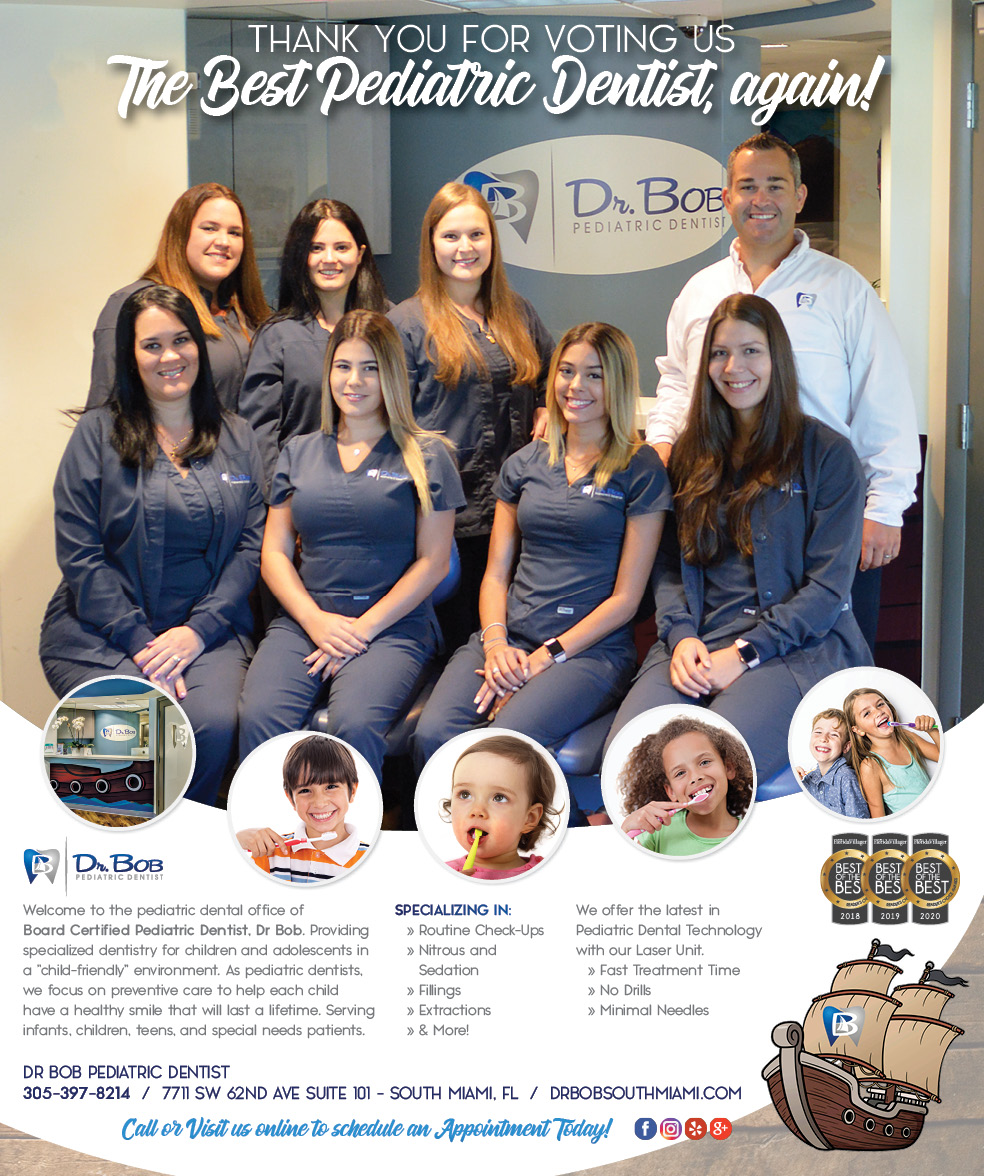
 Dr. Bob Pediatric Dentist
 d.pediatrics


 South Miami Women’s Health
 Endodontix Dental Group
 The Spot Barbershop
 My Derma Clinic




 Miami Dance Project
 Rubinstein Family Chiropractic
 Indigo Republic

 Safes Universe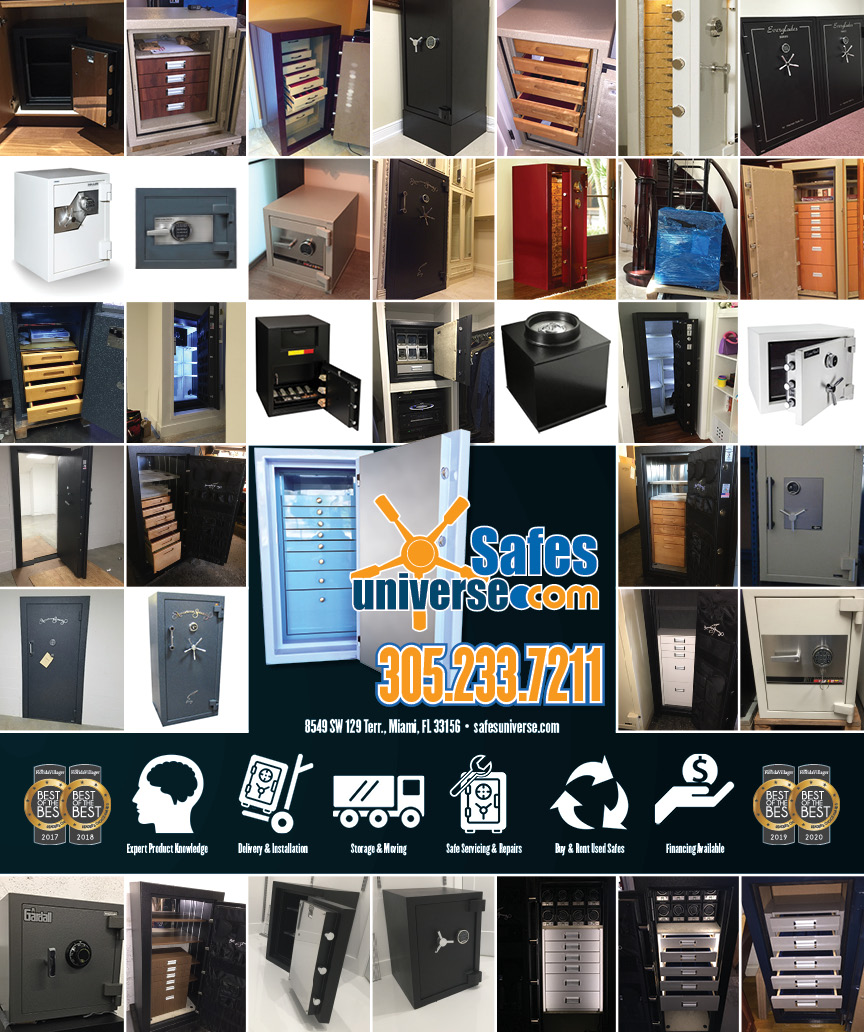
 Vintage Liquors
 Evenings Delight





 Atchana’s Homegrown Thai
 Baptist Health South Florida

 Laser Eye Center of Miami
 Visiting Angels
 OpusCare of South Florida



 Your Pet’s Best

 HD Tree Services
 Hamilton Fox & Company

 Creative Design Services