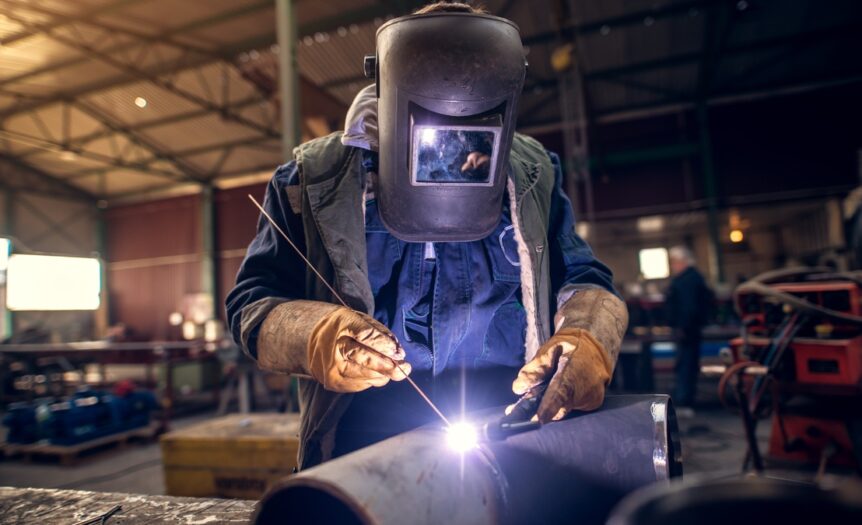
Welding is a highly skilled profession that combines technical expertise with an understanding of safety and precision. Whether you’re considering a career in welding or simply want to gain a better grasp of what it entails, there are several factors to keep in mind before stepping into the field. From mastering techniques to ensuring proper protection, learn what you need to know when becoming a welder and set yourself on the right path.
Gaining the Right Skills and Education
To start a career in welding, acquiring the appropriate education and training is essential; many welders begin by enrolling in technical schools, vocational programs, or apprenticeship opportunities that provide hands-on training. These courses cover topics like welding techniques, blueprint reading, and material science.
Understanding the basics of different welding methods, such as MIG, TIG, and stick welding, is fundamental to becoming a versatile professional. Certifications from organizations like the American Welding Society (AWS) are often required by employers and can boost your career prospects.
Prioritizing Safety in Welding
Safety is paramount in the welding profession due to the hazardous nature of the work environment. Welders frequently work with high heat, open flames, and heavy-duty machinery, all of which can pose significant risks if not handled correctly. Learning about workplace safety standards and using proper protective equipment is a necessity.
Helmets with auto-darkening visors, gloves, safety glasses, and steel-toe boots are some of the essential items to shield yourself while on the job. Regularly inspecting your work area and equipment for potential hazards helps prevent accidents and ensures a secure workspace.
The Importance of Flame-Resistant Clothing
During welding, sparks, hot metal, and molten fragments can easily come into contact with your body, and wearing proper flame-resistant gear minimizes the risk of burns and helps protect your skin from debris. Materials like treated cotton or leather are commonly used for welding outerwear, as they resist ignition and can withstand the high temperatures of welding environments.
A good welding jacket, leather sleeves, and protective pants are crucial investments for anyone entering this line of work. Just be aware of several misconceptions about the toxicity of flame-resistant clothing; know what is fact and fiction when selecting your fire-proof apparel.
Understanding and Using the Right Tools
Having the right tools is critical to a successful welding career. A basic welder’s toolbox might include essentials like a welding machine, clamps, wire brushes, and hammers. Each tool serves a specific purpose in creating strong and precise welds.
For instance, welding machines come in various types suited to different techniques, so choosing the correct one for your work is important. Additionally, maintaining your tools through regular cleaning and inspection keeps them functioning at their best and prevents unnecessary downtime.
Knowing how to start a career in welding requires commitment, an emphasis on safety, and continual learning. By investing in proper training, prioritizing protective measures such as flame-resistant clothing, and honing your craft, you can establish yourself as a skilled and successful welder in this rewarding field.








 Deering Estate
 Massage Envy South Miami
 Calla Blow Dry
 My Derma Clinic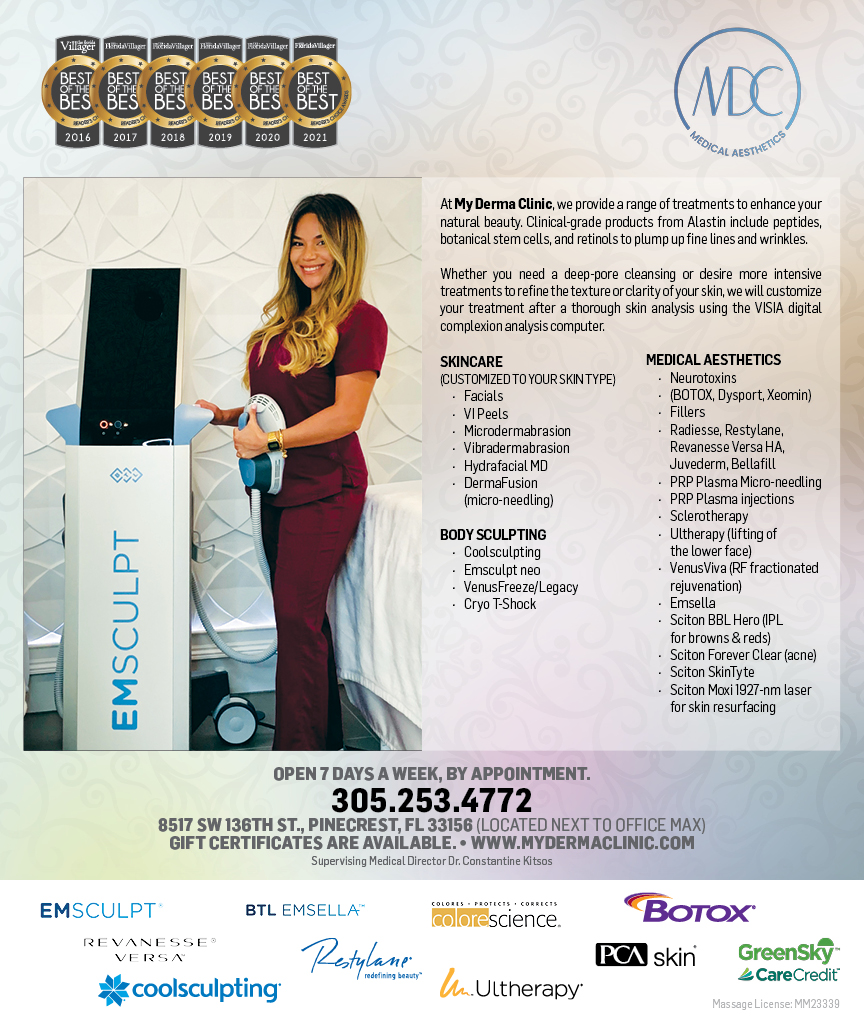
 Sports Grill
 The Healthy Kitchen
 Sushi Maki
 Golden Rule Seafood
 Malanga Cuban Café


 Kathleen Ballard
 Panter, Panter & Sampedro
 Vintage Liquors
 The Dog from Ipanema
 Rubinstein Family Chiropractic
 Your Pet’s Best
 Indigo Republic
 Animal Health and Rehab
 Maurice’s Jewelers
 ATR Luxury Homes

 2112 Design Studio
 Hamilton Fox & Company
 Creative Design Services
 Best Pest Professionals
 HD Tree Services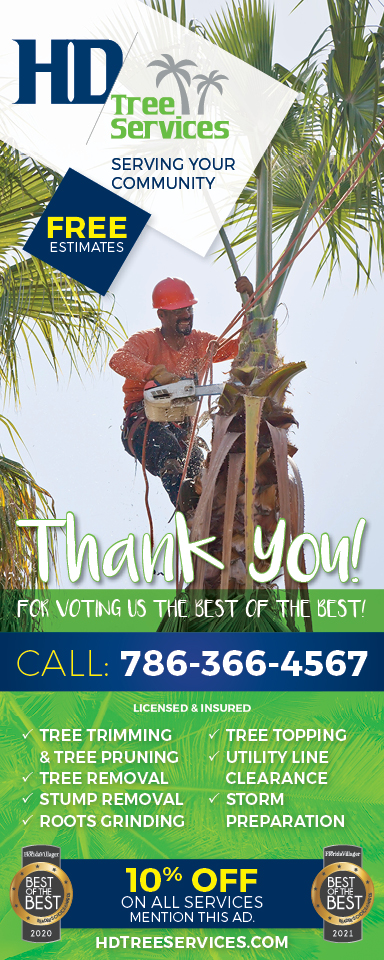
 Trinity Air Conditioning Company
 Cisca Construction & Development
 Mosquito Joe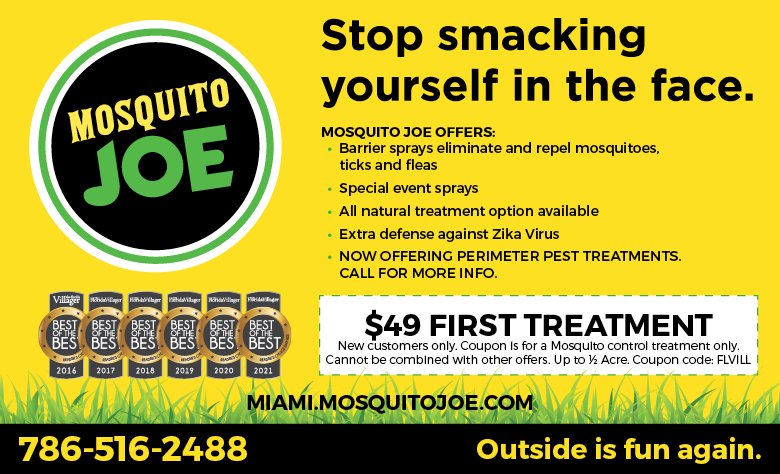
 Cutler Bay Solar Solutions

 Miami Royal Ballet & Dance
 Christopher Columbus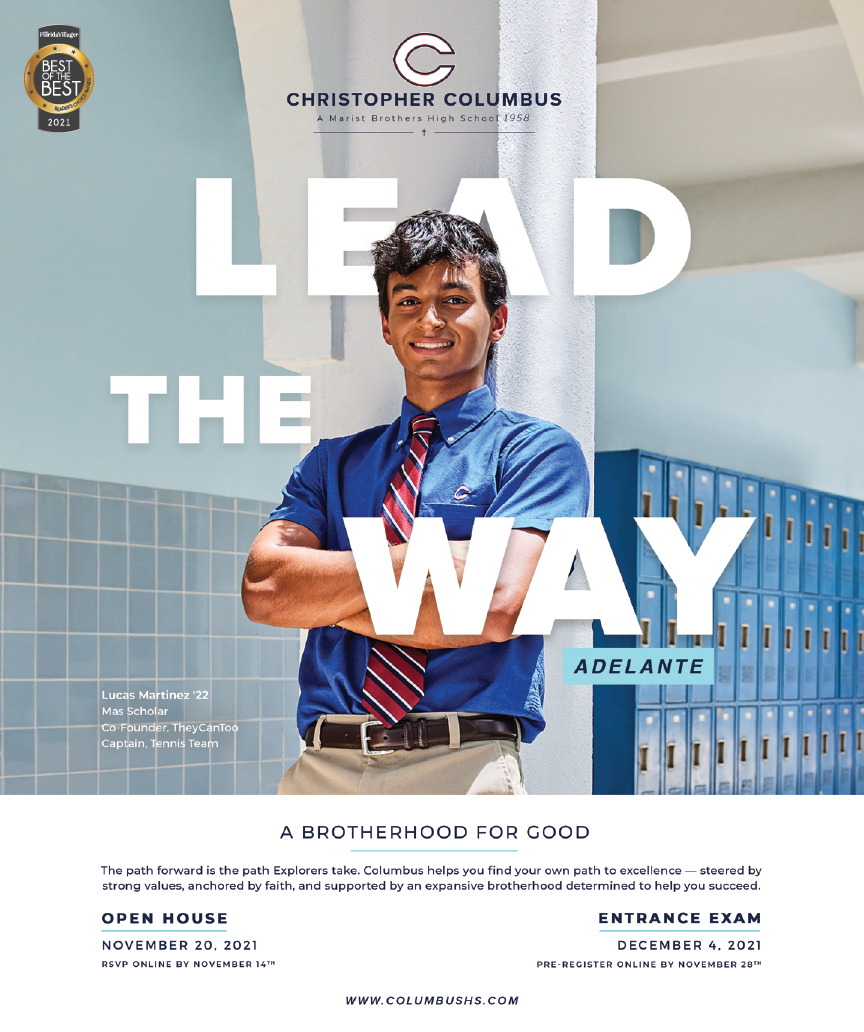
 Pineview Preschools
 Westminster
 Carrollton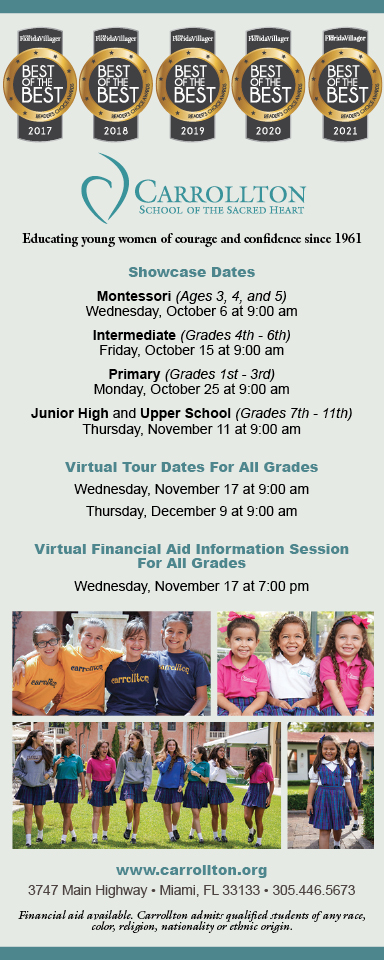
 Lil’ Jungle
 Frost Science Museum
 Palmer Trinity School
 South Florida Music
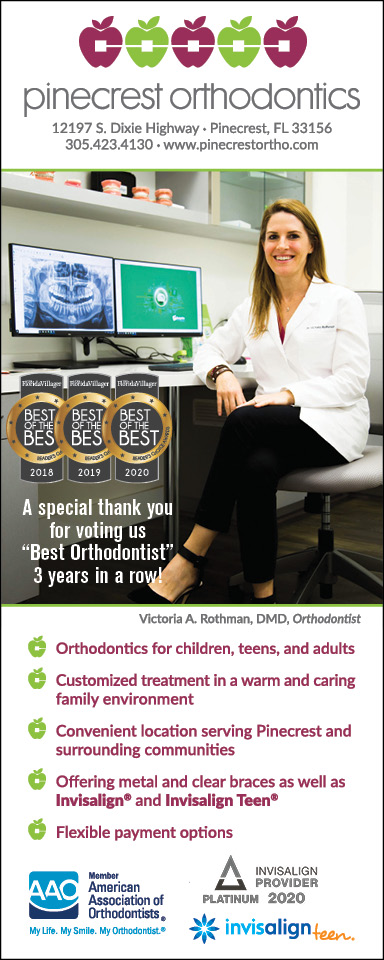
 Pinecrest Orthodontics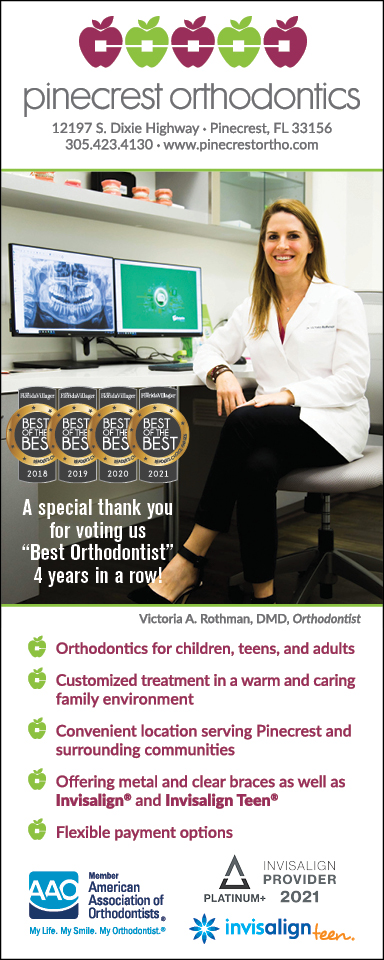
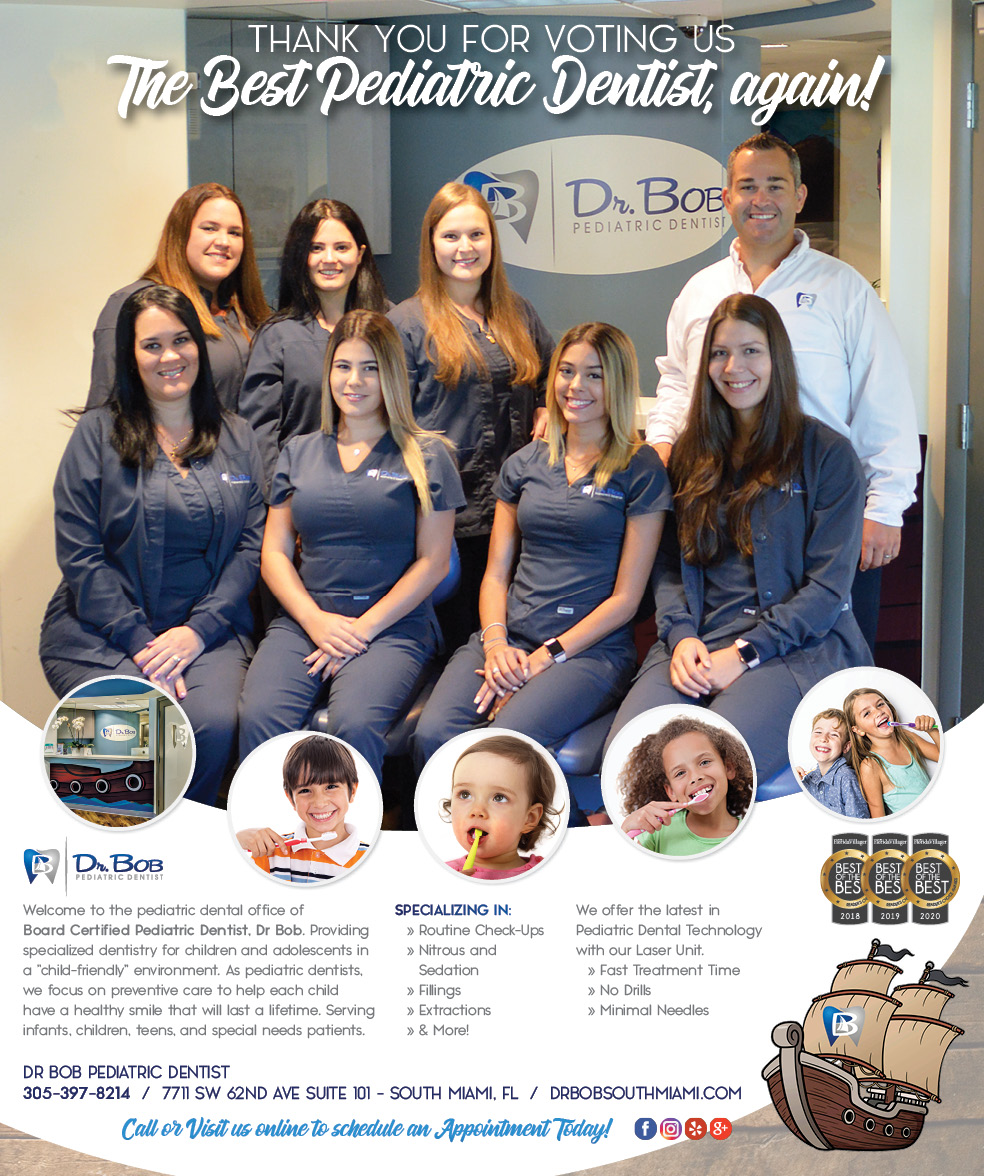
 Dr. Bob Pediatric Dentist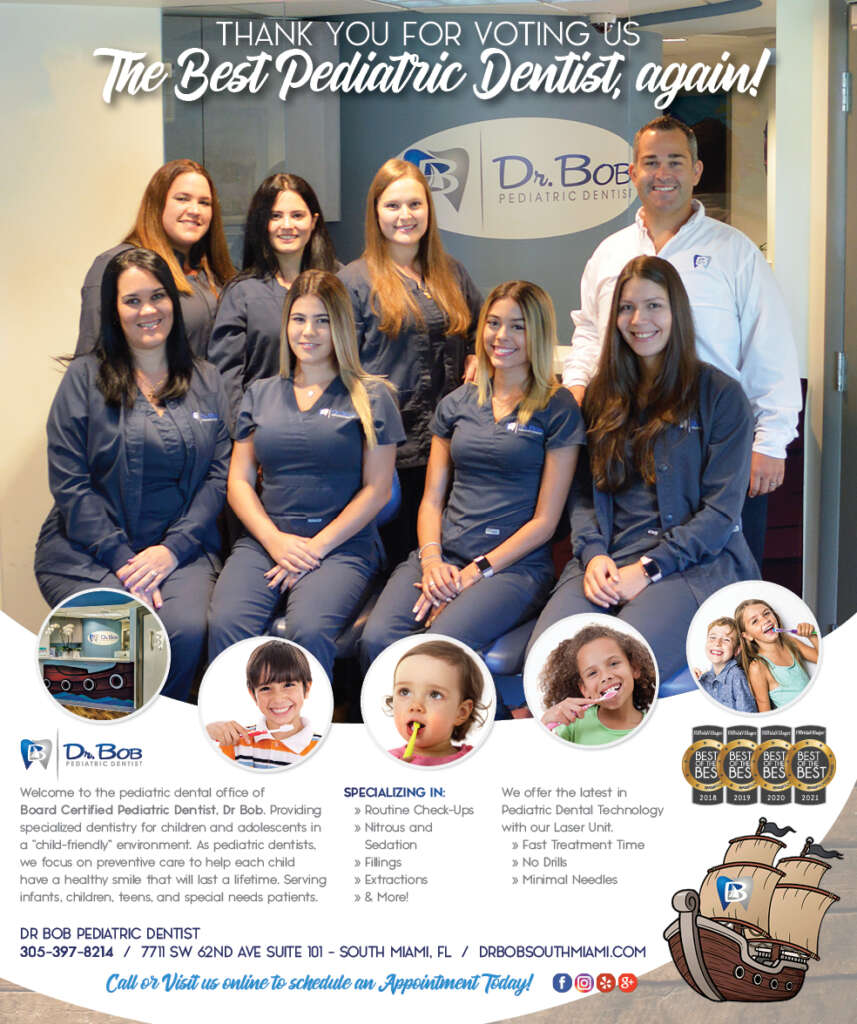
 d.pediatrics

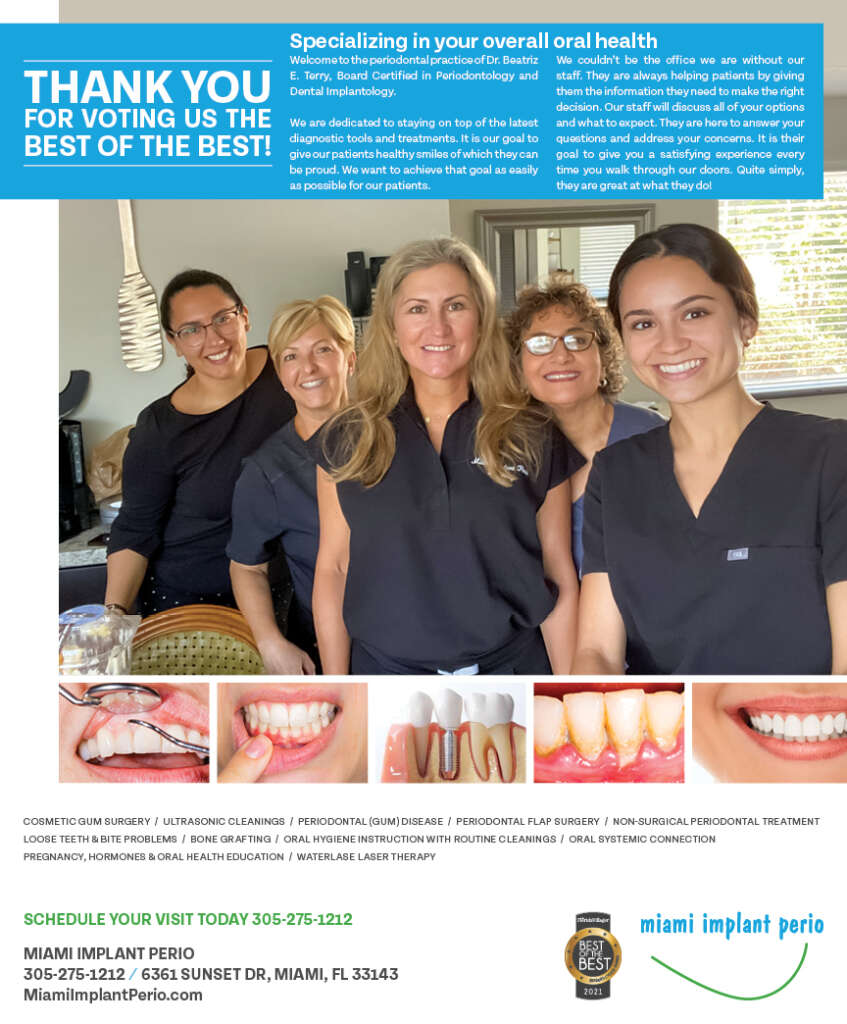
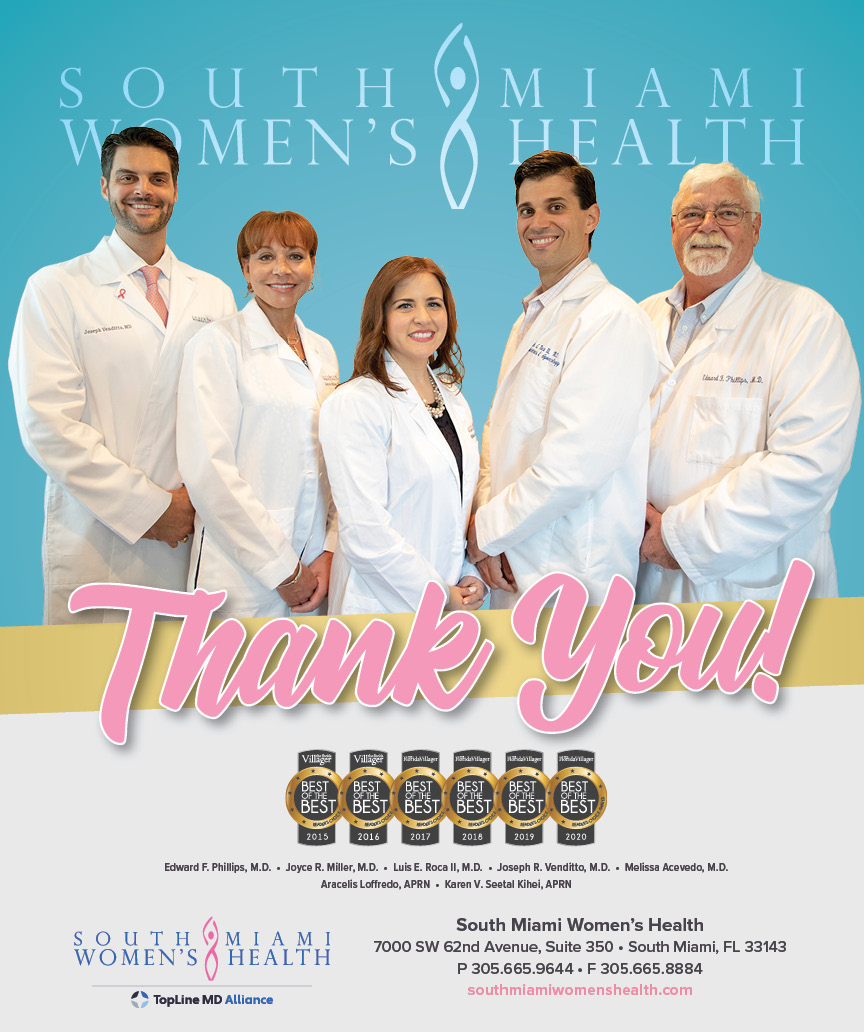
 South Miami Women’s Health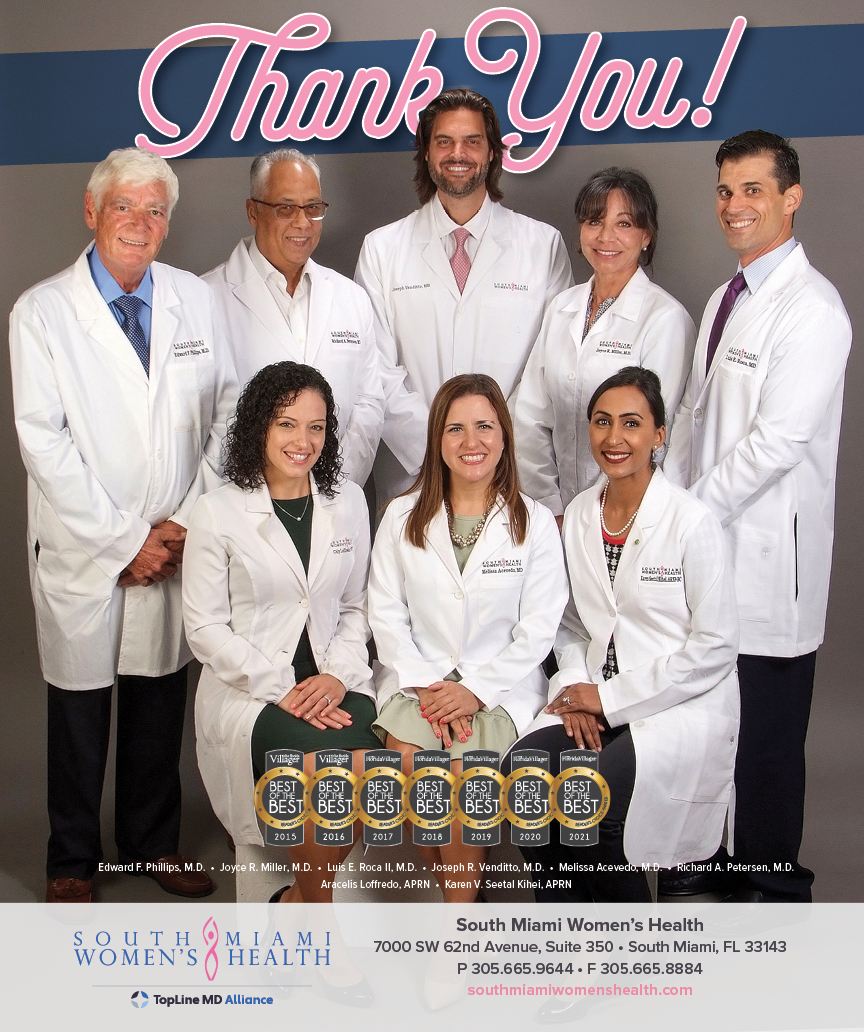
 Endodontix Dental Group
 The Spot Barbershop
 My Derma Clinic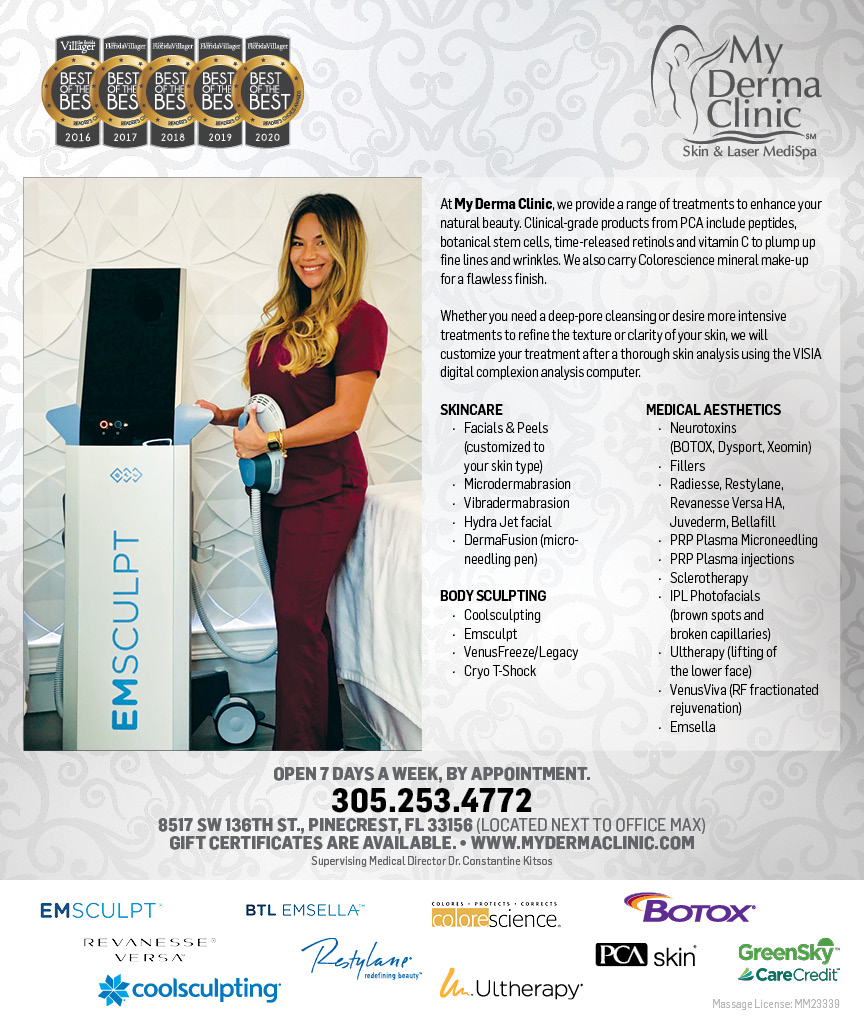



 Miami Dance Project
 Rubinstein Family Chiropractic
 Indigo Republic

 Safes Universe
 Vintage Liquors
 Evenings Delight





 Atchana’s Homegrown Thai
 Baptist Health South Florida

 Laser Eye Center of Miami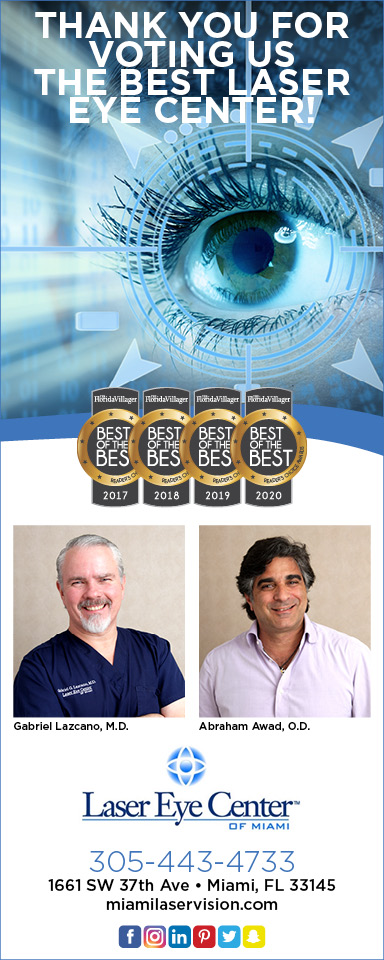
 Visiting Angels
 OpusCare of South Florida


 Your Pet’s Best

 HD Tree Services
 Hamilton Fox & Company

 Creative Design Services