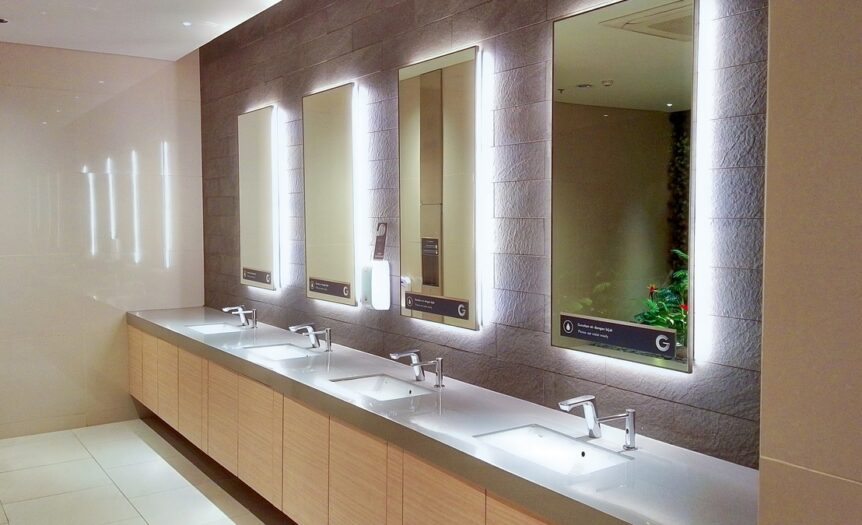
Commercial restrooms experience heavy traffic every day, making safety a top priority for facility managers and business owners. A well-maintained restroom protects visitors and employees, reduces liability risks, and improves your business’s reputation. Small upgrades and consistent maintenance can boost safety in your commercial bathroom, making everyone feel comfortable using it.
1. Implement Touch-Free Fixtures
Touch-free fixtures eliminate the need for physical contact with restroom surfaces, significantly reducing the spread of germs and bacteria. Automatic faucets, soap dispensers, and paper towel dispensers create a more hygienic environment while improving the overall user experience. These fixtures also help conserve water and reduce waste, making them an environmentally friendly choice.
Modern sensor technology has become increasingly reliable and affordable, making this upgrade accessible for businesses of all sizes. Installing touch-free fixtures demonstrates your commitment to visitor health and positions your facility as forward-thinking and well-maintained.
2. Upgrade to Antimicrobial Surfaces
Antimicrobial surfaces actively inhibit the growth of bacteria, viruses, and fungi, providing an extra layer of protection beyond regular cleaning. Materials like copper, bronze, and specially treated stainless steel naturally resist microbial growth on high-touch areas such as door handles, faucets, and countertops.
Anti-ligature mirrors boost restroom safety by preventing potential harm and incorporate antimicrobial properties in many modern designs. These surfaces work continuously between cleanings, offering protection when traditional cleaning schedules might leave gaps. Upgrading to antimicrobial materials represents a long-term investment that pays dividends in reduced illness transmission and lower maintenance costs.
3. Install Proper Ventilation Systems
Adequate ventilation removes moisture, odors, and airborne contaminants from your restroom, creating a healthier environment for everyone. Poor ventilation leads to mold growth, unpleasant odors, and the lingering presence of airborne pathogens that can spread illness. A quality ventilation system should exchange air at least six times per hour and include HEPA filters when possible.
Regular maintenance of exhaust fans and ductwork keeps the system running efficiently and prevents the buildup of dust and debris that can reduce air quality. Good ventilation also prevents moisture damage to walls and ceilings, extending the life of your facility.
4. Provide Adequate Lighting
Proper lighting prevents accidents, deters vandalism, and creates a more welcoming atmosphere in commercial restrooms. Well-lit spaces help visitors navigate safely, spot potential hazards like wet floors, and maintain personal hygiene more effectively. Motion-sensor lighting provides immediate illumination when someone enters while conserving energy during periods of low use.
Consider installing LED fixtures that offer bright, natural-spectrum light without the heat and frequent replacement needs of traditional bulbs. Adequate lighting also makes cleaning staff more effective by helping them spot areas that need attention.
5. Maintain Regular Cleaning and Maintenance
Consistent cleaning and maintenance form the foundation of restroom safety. Developing a detailed cleaning schedule that addresses high-touch surfaces multiple times daily prevents the buildup of harmful pathogens. Train your cleaning staff on proper techniques and provide them with appropriate cleaning products and personal protective equipment.
Document all cleaning activities to track compliance and identify areas needing additional attention. Address maintenance issues like leaking faucets, loose fixtures, and damaged flooring immediately to prevent accidents and more costly repairs down the line.
6. Post Safety Guidelines and Signage
Clear signage guides visitors through proper restroom use and alerts them to potential hazards. Post handwashing instructions near sinks, reminding users of the importance of twenty-second scrubbing and proper drying techniques. Wet floor signs prevent slip-and-fall accidents during and after cleaning.
Capacity limits help maintain social distancing when necessary, and emergency contact information gives users peace of mind. Keep signage simple, visible, and compliant with ADA requirements to maximize effectiveness.
7. Conduct Routine Safety Checks
Regular safety inspections catch potential problems before they become serious hazards. Create a comprehensive checklist that covers flooring condition, fixture stability, lighting functionality, and ventilation performance. Assign specific staff members to conduct daily walkthroughs and schedule more detailed monthly inspections.
Document all findings and track repairs to identify recurring issues that might indicate systemic problems. Proactive safety checks reduce liability risks and demonstrate your commitment to maintaining a safe environment for everyone who uses your facility.
Transform your commercial restroom into a safer space by implementing these seven strategies. Start with the upgrades that address your facility’s most pressing needs, then gradually incorporate additional improvements over time. Your visitors will notice the difference, and your business will benefit from reduced liability and enhanced reputation.








 Deering Estate
 Massage Envy South Miami
 Calla Blow Dry
 My Derma Clinic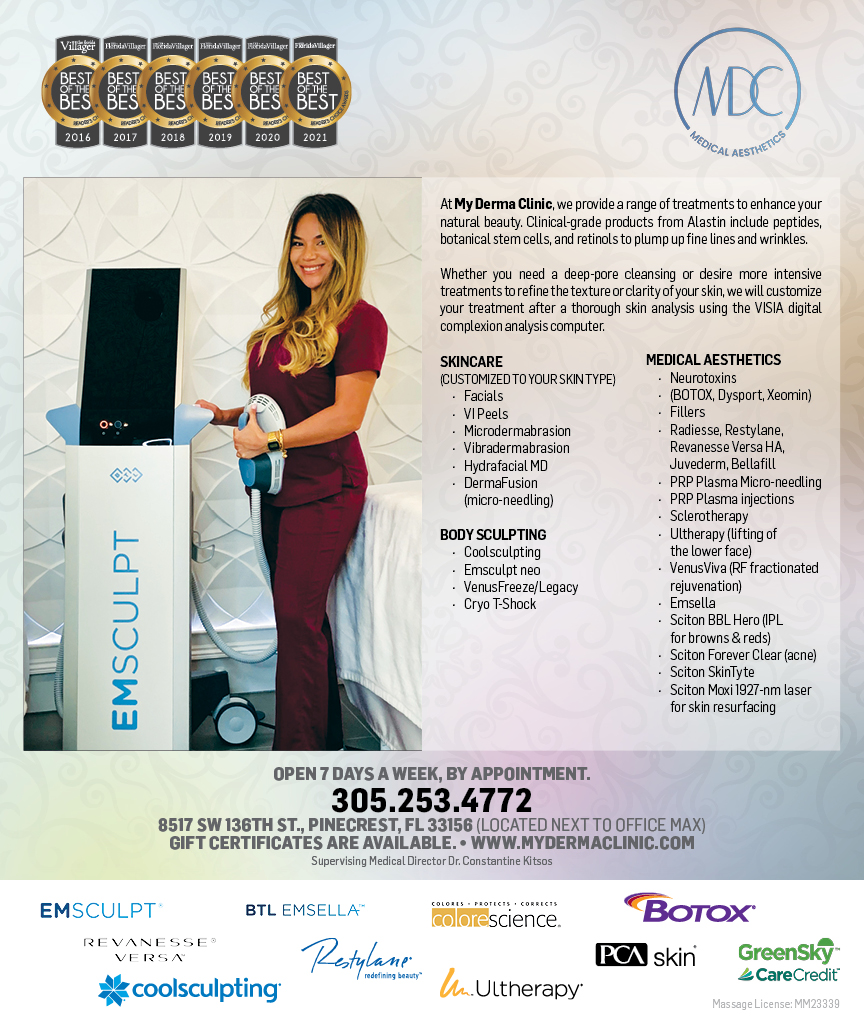
 Sports Grill
 The Healthy Kitchen
 Sushi Maki
 Golden Rule Seafood
 Malanga Cuban Café


 Kathleen Ballard
 Panter, Panter & Sampedro
 Vintage Liquors
 The Dog from Ipanema
 Rubinstein Family Chiropractic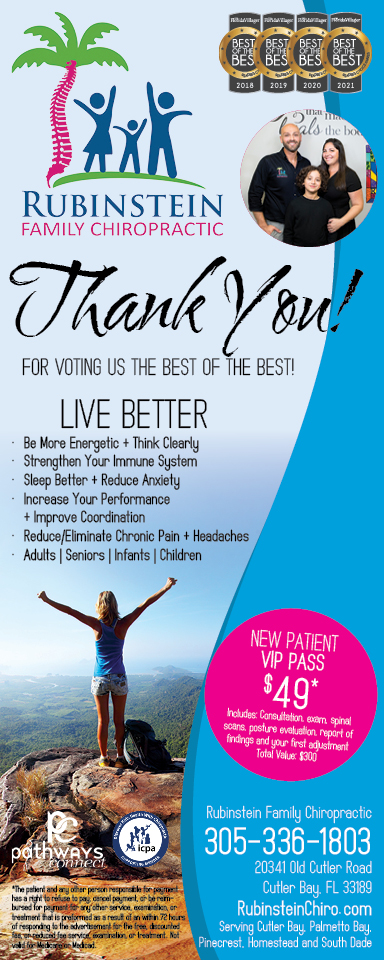
 Your Pet’s Best
 Indigo Republic
 Animal Health and Rehab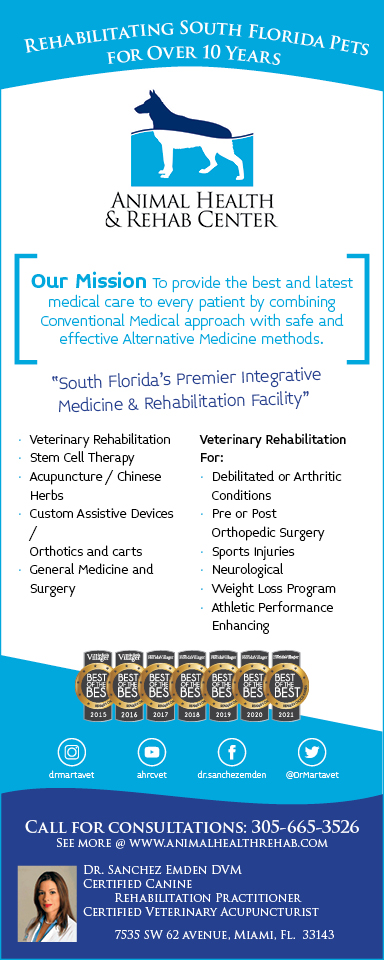
 Maurice’s Jewelers
 ATR Luxury Homes

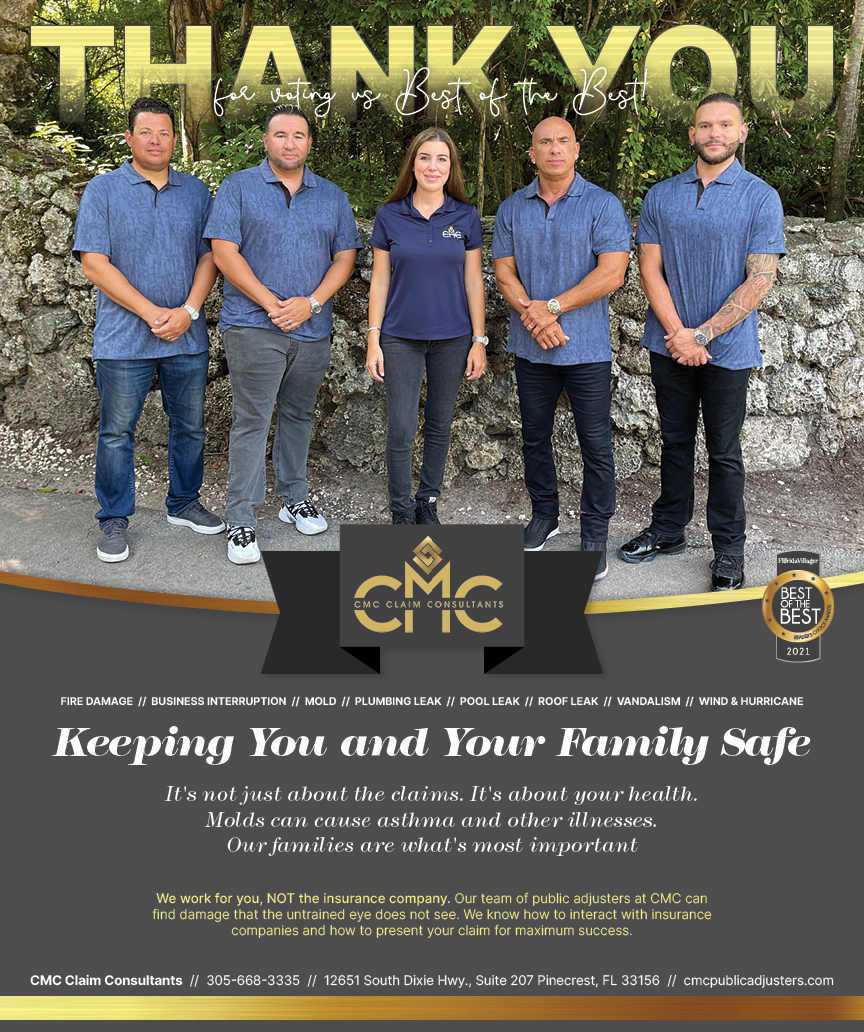
 2112 Design Studio
 Hamilton Fox & Company
 Creative Design Services
 Best Pest Professionals
 HD Tree Services
 Trinity Air Conditioning Company
 Cisca Construction & Development
 Mosquito Joe
 Cutler Bay Solar Solutions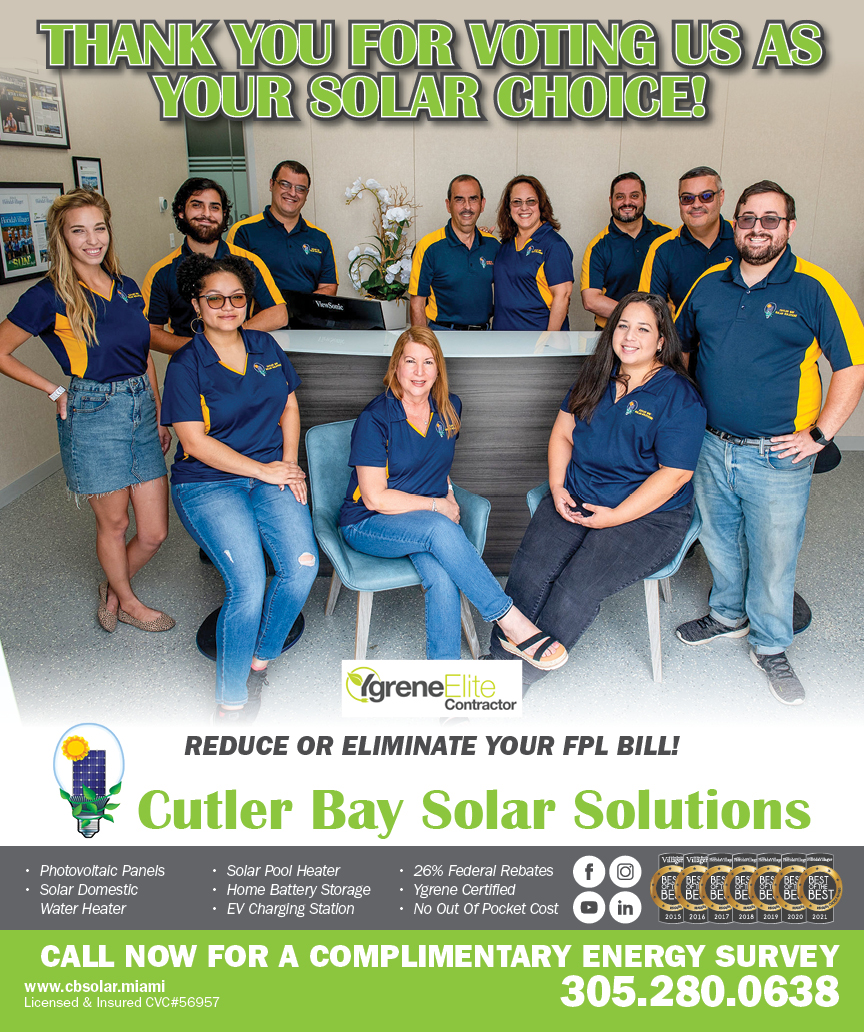


 Miami Royal Ballet & Dance
 Christopher Columbus
 Pineview Preschools
 Westminster
 Carrollton
 Lil’ Jungle
 Frost Science Museum
 Palmer Trinity School
 South Florida Music
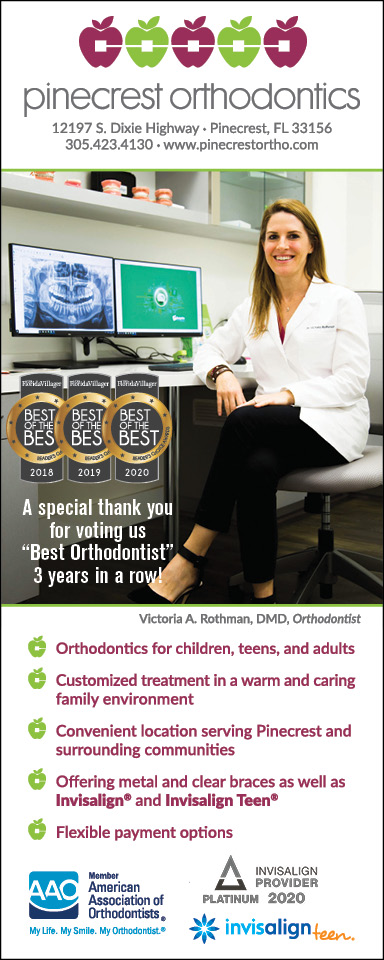
 Pinecrest Orthodontics
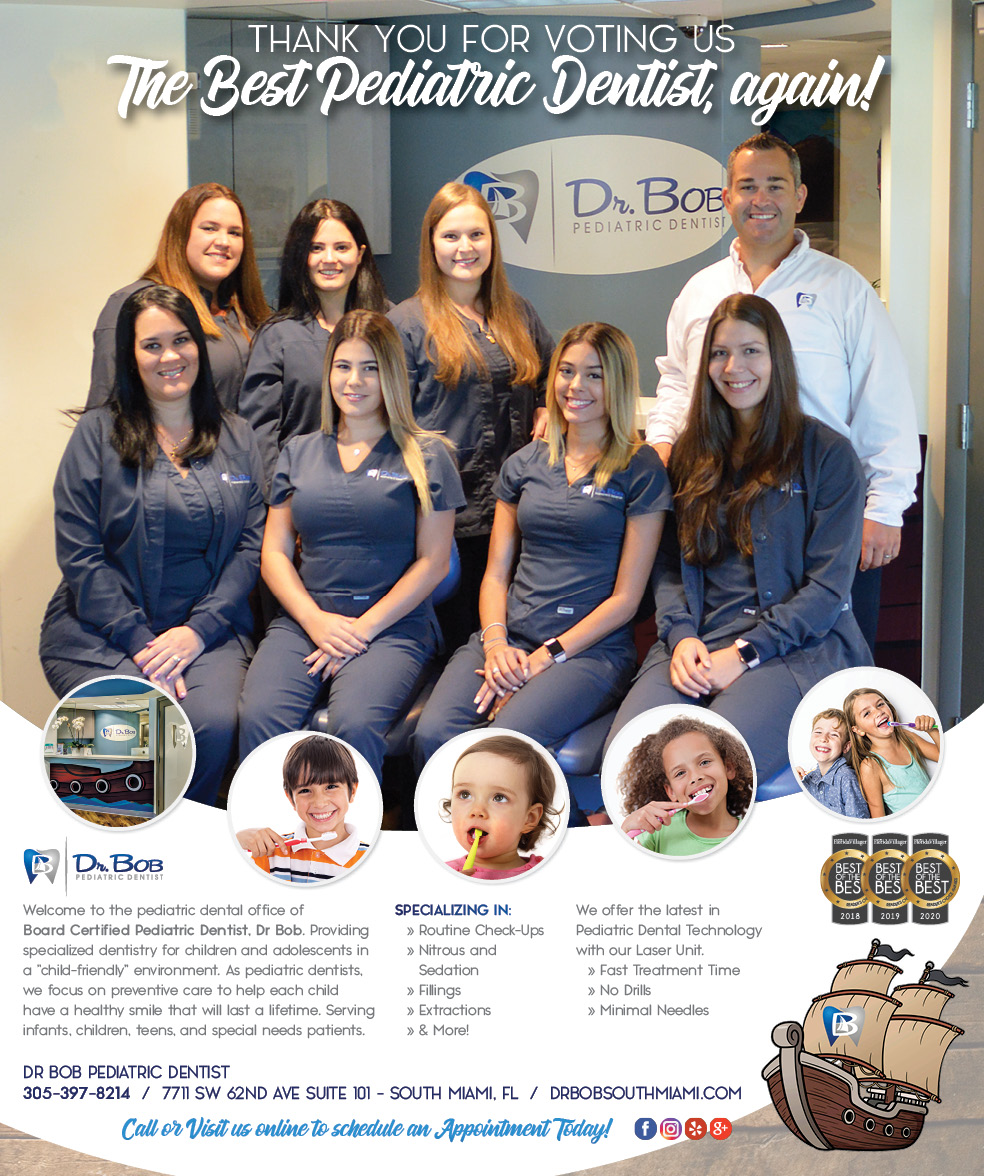
 Dr. Bob Pediatric Dentist
 d.pediatrics

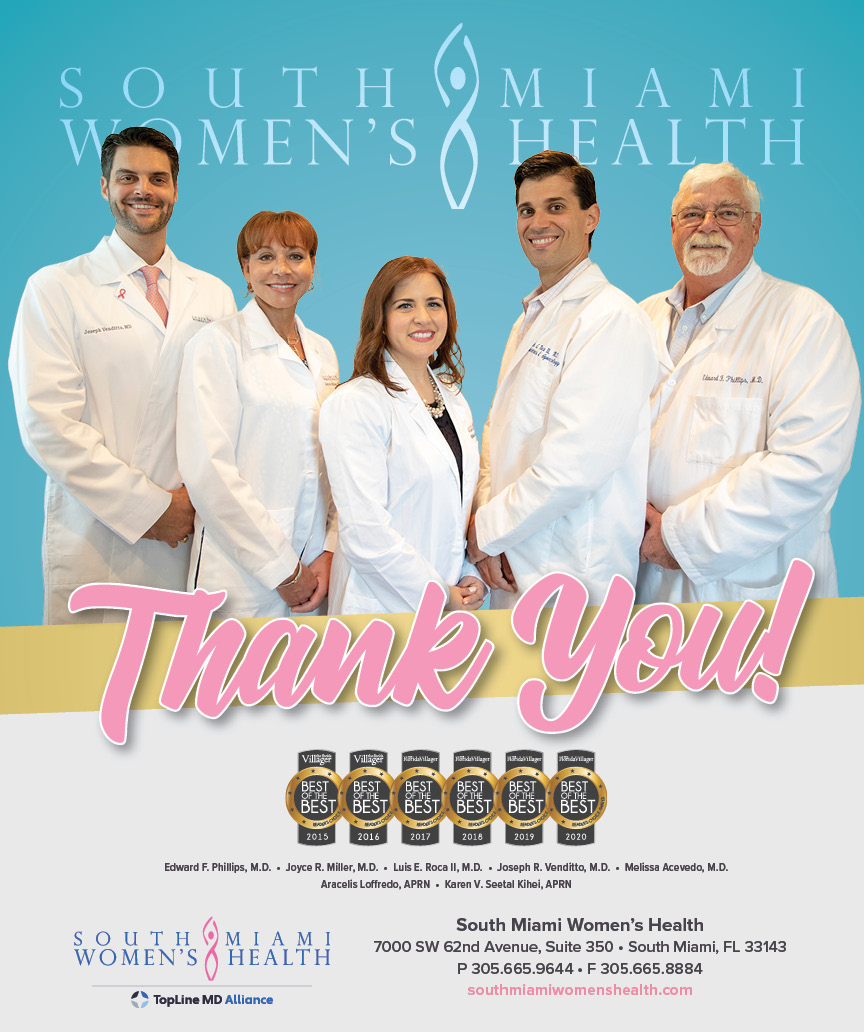
 South Miami Women’s Health
 Endodontix Dental Group
 The Spot Barbershop
 My Derma Clinic


 Miami Dance Project
 Rubinstein Family Chiropractic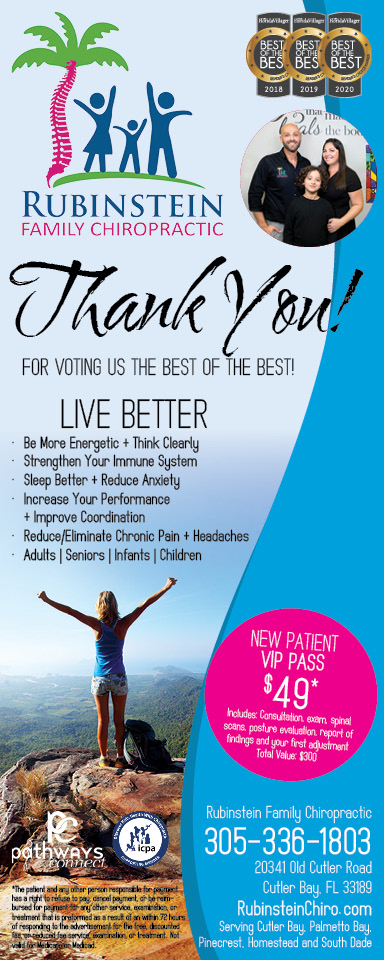
 Indigo Republic
 Safes Universe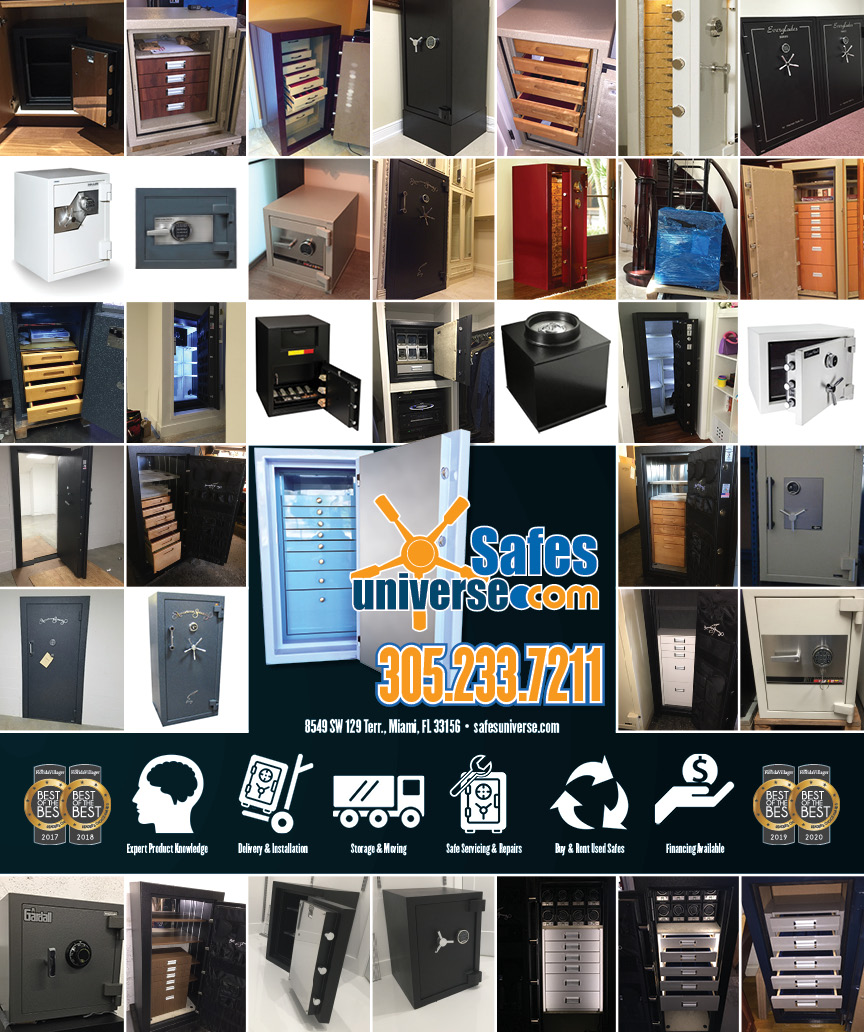
 Vintage Liquors
 Evenings Delight





 Atchana’s Homegrown Thai
 Baptist Health South Florida
 Laser Eye Center of Miami
 Visiting Angels
 OpusCare of South Florida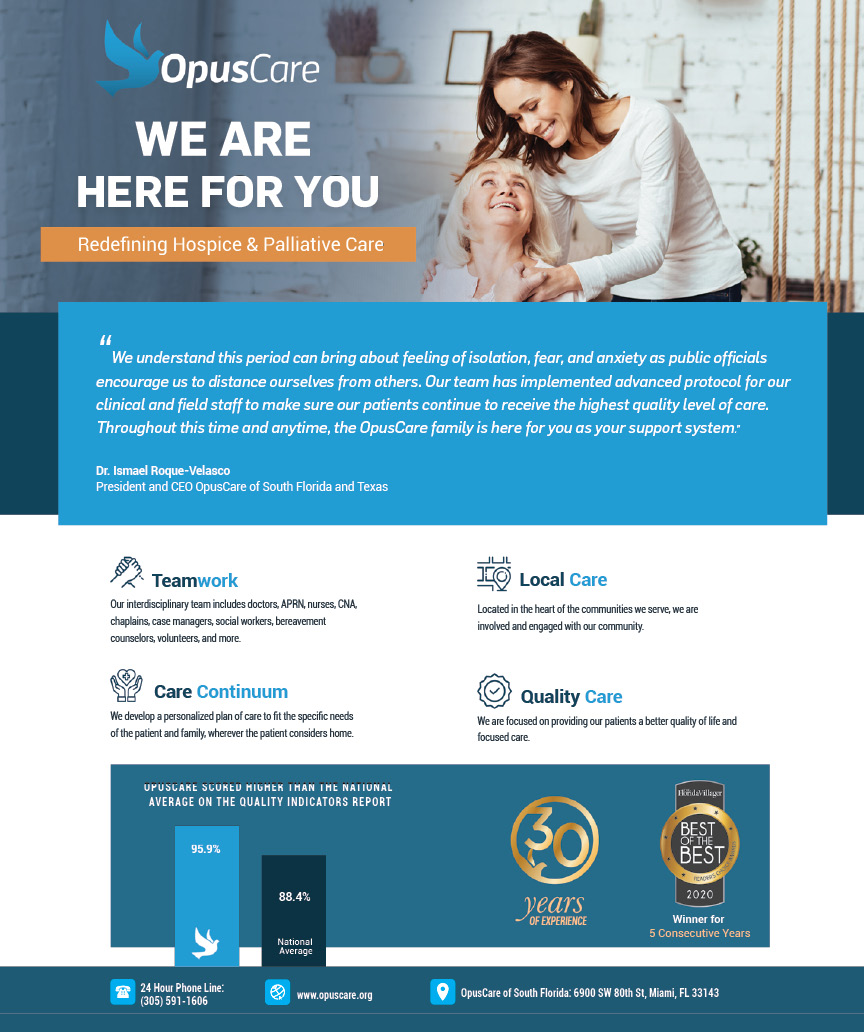


 Your Pet’s Best

 HD Tree Services
 Hamilton Fox & Company

 Creative Design Services