Sales professionals often look to business schools and corporate leaders for wisdom, but some of the most valuable lessons about resilience and growth come from an unexpected source: farmers. These agricultural professionals navigate these types of challenges through principles that directly apply to modern sales environments, so let’s see what we can learn from them.
Embracing Uncertainty
Farmers wake up each morning knowing they cannot control the weather, commodity prices, or global supply chains. Yet they continue planting, investing, and planning for the future. This acceptance of uncertainty, paired with proactive preparation, offers a powerful model for sales teams.
That’s because market conditions shift rapidly, client needs evolve unexpectedly, and economic factors influence purchasing decisions beyond our control. Like farmers who diversify crops and maintain emergency funds, successful sales professionals need to find ways to climb the mountain of uncertainty. This will help you prepare for various scenarios while accepting that some variables remain outside of your influence.
The Power of Patience
Farming operates on natural timelines that they can’t rush. Seeds planted in spring won’t yield a harvest until fall, requiring months of careful tending without immediate rewards. This patience translates directly to sales success, where relationship building and deal development often require extended timelines.
The most successful sales professionals understand that meaningful client relationships develop over time. They invest in prospects who may not buy immediately, nurture leads through extended sales cycles, and resist the temptation to push for premature closes. Like farmers who trust the growth process, these professionals focus on consistent effort rather than demanding instant results.
Learning from Failure
Crop failures, equipment breakdowns, and unexpected pest invasions are part of farming reality. Rather than abandoning their efforts, farmers analyze what went wrong, adjust their methods, and try again the following season. They have the resilience to turn a struggling farm into a success, fostering a mindset that can turn it around when things look bleak.
For sales, every lost deal, rejected proposal, or missed quota provides valuable learning opportunities. High-performing sales teams conduct thorough post-mortems on failed initiatives, identifying specific factors that contributed to unsuccessful outcomes. They treat these experiences as tuition paid toward future success rather than reasons to abandon their efforts.
Building Strong Communities
Farming communities share equipment, knowledge, and resources during challenging times. Neighbors help with harvests during equipment failures, share market information, and collaborate on bulk purchasing to reduce costs. This collaborative approach creates collective strength that benefits everyone involved.
Sales professionals who embrace this kind of community mindset build networks that support long-term success. They share market insights with colleagues, refer prospects to competitors when appropriate, and maintain relationships with industry peers. These networks provide support during difficult periods and create opportunities for mutual growth and learning.
Respecting the Natural Cycle
Most importantly, when it comes to resilience and growth, farmers understand that land needs rest periods, crops have optimal planting seasons, and pushing too hard can damage long-term productivity. They work with natural rhythms rather than against them, creating sustainable practices that maintain soil health and crop quality over decades.
Sales teams benefit from applying this cyclical thinking to their work. Recognizing when to pursue aggressive growth versus when to focus on relationship maintenance, understanding seasonal buying patterns, and allowing time for strategic planning creates more sustainable performance than constant high-pressure tactics.








 Deering Estate
 Massage Envy South Miami
 Calla Blow Dry
 My Derma Clinic
 Sports Grill
 The Healthy Kitchen
 Sushi Maki
 Golden Rule Seafood
 Malanga Cuban Café


 Kathleen Ballard
 Panter, Panter & Sampedro
 Vintage Liquors
 The Dog from Ipanema
 Rubinstein Family Chiropractic
 Your Pet’s Best
 Indigo Republic
 Animal Health and Rehab
 Maurice’s Jewelers
 ATR Luxury Homes


 2112 Design Studio
 Hamilton Fox & Company
 Creative Design Services
 Best Pest Professionals
 HD Tree Services
 Trinity Air Conditioning Company
 Cisca Construction & Development
 Mosquito Joe
 Cutler Bay Solar Solutions


 Miami Royal Ballet & Dance
 Christopher Columbus
 Pineview Preschools
 Westminster
 Carrollton
 Lil’ Jungle
 Frost Science Museum
 Palmer Trinity School
 South Florida Music
 Pinecrest Orthodontics
 Dr. Bob Pediatric Dentist
 d.pediatrics


 South Miami Women’s Health
 Endodontix Dental Group
 The Spot Barbershop
 My Derma Clinic




 Miami Dance Project

 Rubinstein Family Chiropractic
 Indigo Republic

 Safes Universe
 Vintage Liquors
 Evenings Delight





 Atchana’s Homegrown Thai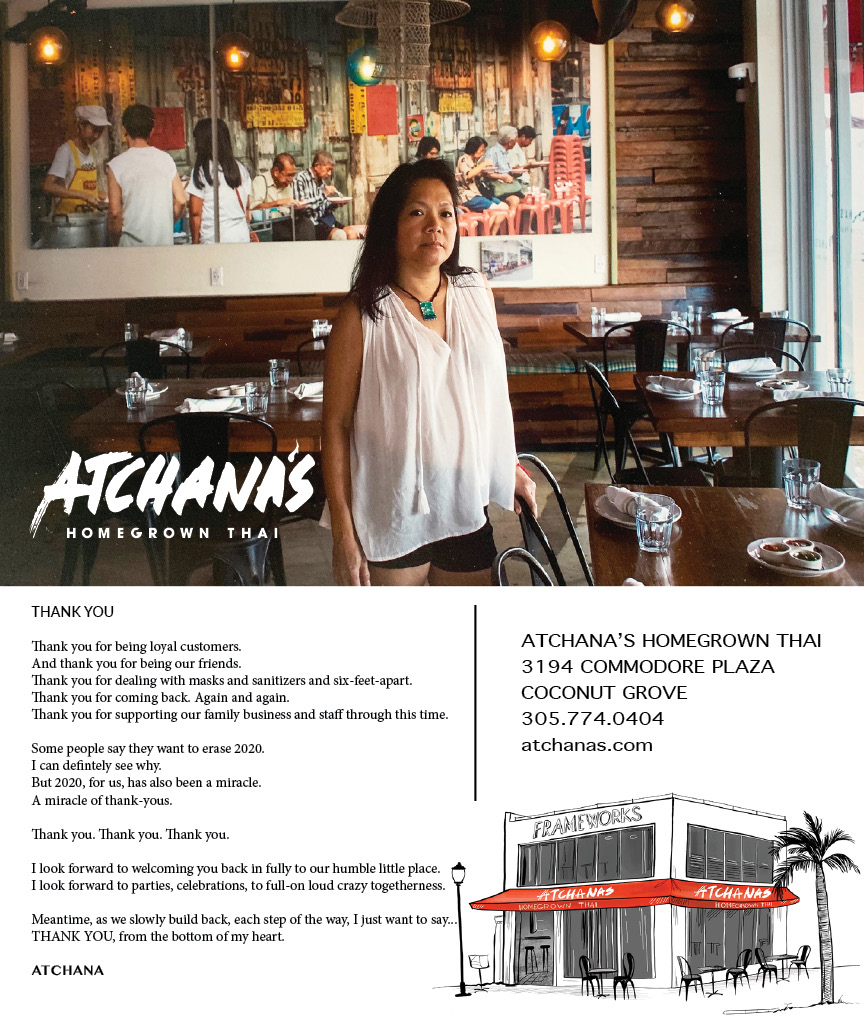
 Baptist Health South Florida

 Laser Eye Center of Miami
 Visiting Angels
 OpusCare of South Florida



 Your Pet’s Best

 HD Tree Services
 Hamilton Fox & Company

 Creative Design Services