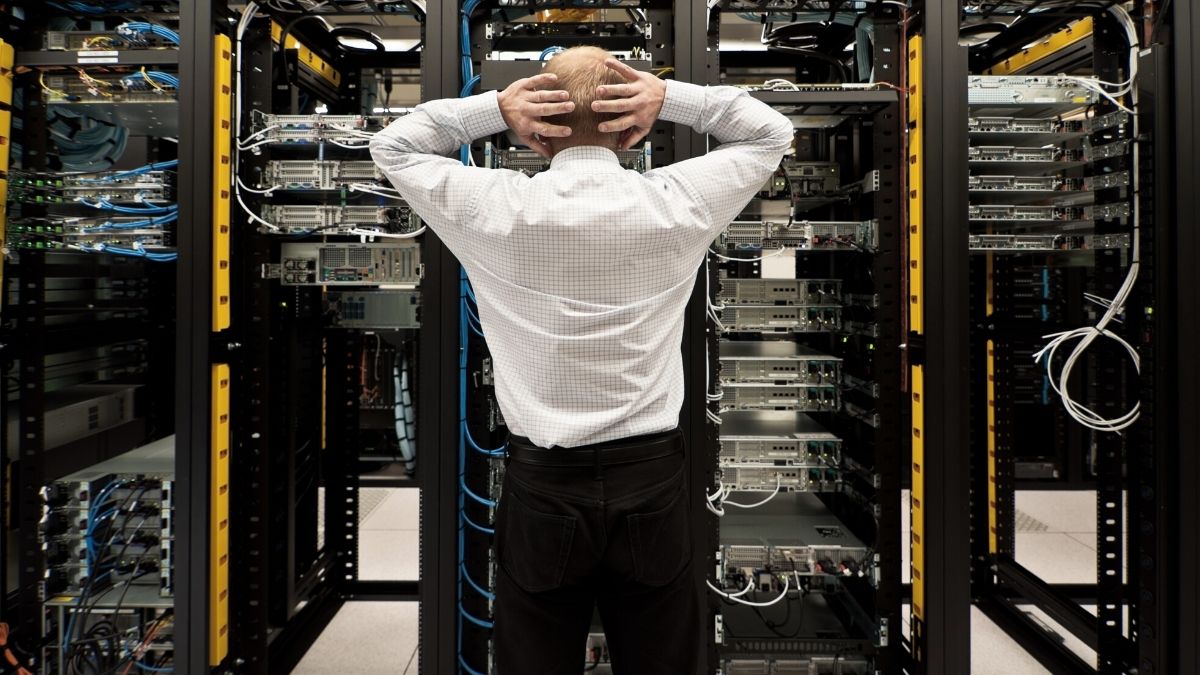
Data centers are the invisible backbones of our digital lives, housing the critical infrastructure that powers everything from streaming services to complex business operations. When downtime occurs, the consequences can be immediate and far-reaching, resulting in substantial financial losses and a decline in user trust.
Understanding the top strategies for reducing downtime in data centers is, therefore, not just a technical exercise, but a crucial component of modern tech business resilience. This article will explore effective methods for maintaining continuous operation and safeguarding these vital digital fortresses.
Implement Proactive Monitoring
Waiting for a problem to occur is a reactive stance that data centers cannot afford. Instead, a proactive monitoring strategy is essential for identifying potential issues before they escalate into full-blown outages. Using sophisticated software and sensors to track the health and performance of all critical components provides real-time insights into the entire infrastructure. This enables technicians to identify anomalies, predict failures, and perform preventive maintenance.
Automation in Infrastructure Management
Automation plays a crucial role in modern tech infrastructure management by streamlining processes and reducing human error. Automated systems can monitor, analyze, and manage critical operations around the clock, ensuring consistent performance and reliability.
For instance, implementing automated workflows for routine maintenance tasks can greatly reduce response times and improve operational efficiency. Additionally, automation technologies, such as AI-driven analytics, can provide actionable insights for capacity planning, helping organizations optimize resource allocation and anticipate future demands. By incorporating automation, data center managers can focus on more strategic initiatives while maintaining a robust and resilient system.
Strengthen Your Power Foundation
A reliable power supply is the most fundamental requirement for any data center. Implementing redundant power sources, such as uninterruptible power supplies (UPS) and backup generators, ensures that operations can continue seamlessly even if the primary grid fails.
However, the impact of poor power cable management in data centers extends to power reliability, creating risks such as overheating, accidental disconnections, or difficulty with maintenance. Regular testing of backup systems, along with proper cable organization, is essential to ensure systems are ready to activate at a moment’s notice.
Refine Your Cybersecurity Measures
Data center security goes beyond protecting against physical intrusion; it also involves robust cybersecurity protocols. A security breach, whether physical or digital, can cause significant downtime. Physical security measures, such as biometric access controls and surveillance cameras, prevent unauthorized access to sensitive equipment. In parallel, comprehensive cybersecurity defenses, including firewalls, intrusion detection systems, and regular security audits, protect the network from malicious attacks. A multilayered security approach shields the data center from a wide range of threats that could otherwise disrupt services.
A Blueprint for Uptime
Ensuring continuous operation for a data center is a complex challenge that requires a multifaceted approach. By following the tips outlined in this guide, organizations can build a resilient data center. These top strategies for reducing downtime in data centers are not one-time fixes but ongoing commitments to operational excellence. Adopting these practices will enhance reliability, protect against disruptions, and maintain the trust of users who depend on these services every day.











 Deering Estate
 Massage Envy South Miami
 Calla Blow Dry
 My Derma Clinic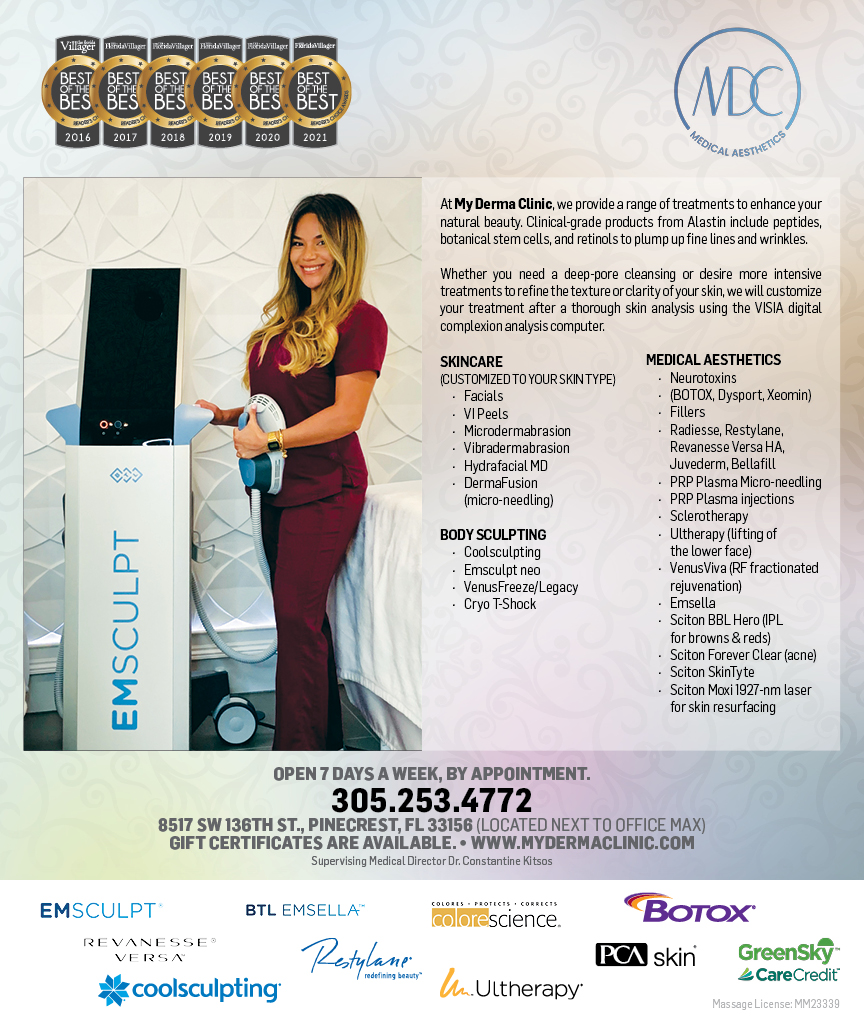
 Sports Grill
 The Healthy Kitchen
 Sushi Maki
 Golden Rule Seafood
 Malanga Cuban Café


 Kathleen Ballard
 Panter, Panter & Sampedro
 Vintage Liquors
 The Dog from Ipanema
 Rubinstein Family Chiropractic
 Your Pet’s Best
 Indigo Republic
 Animal Health and Rehab
 Maurice’s Jewelers
 ATR Luxury Homes


 2112 Design Studio
 Hamilton Fox & Company
 Creative Design Services
 Best Pest Professionals
 HD Tree Services
 Trinity Air Conditioning Company
 Cisca Construction & Development
 Mosquito Joe
 Cutler Bay Solar Solutions


 Miami Royal Ballet & Dance
 Christopher Columbus
 Pineview Preschools
 Westminster
 Carrollton
 Lil’ Jungle
 Frost Science Museum
 Palmer Trinity School
 South Florida Music
 Pinecrest Orthodontics
 Dr. Bob Pediatric Dentist
 d.pediatrics


 South Miami Women’s Health
 Endodontix Dental Group
 The Spot Barbershop
 My Derma Clinic




 Miami Dance Project

 Rubinstein Family Chiropractic
 Indigo Republic

 Safes Universe
 Vintage Liquors
 Evenings Delight





 Atchana’s Homegrown Thai
 Baptist Health South Florida

 Laser Eye Center of Miami
 Visiting Angels
 OpusCare of South Florida



 Your Pet’s Best

 HD Tree Services
 Hamilton Fox & Company

 Creative Design Services