Have you ever thought about the materials used in a firefighter’s uniform or the airbags in your car? The answer often involves heat-resistant threads. These threads can withstand high temperatures without melting or degrading. They are critical for safety and performance in many products we use daily. Continue reading to discover the industries that rely on heat-resistant threads.
Automotive Industry
The automotive industry relies heavily on heat-resistant threads to protect drivers and passengers from extreme temperatures. Your car’s seatbelts, for instance, use these threads to maintain their strength and integrity, especially in the event of an accident where friction could generate intense heat. Similarly, airbags deploy with explosive force, creating a high-temperature environment for a split second.
Manufacturers stitch heat-resistant threads into the seams of the airbag, making certain the bag inflates correctly without tearing apart due to heat and pressure. This application demonstrates the vital importance of these materials in maintaining vehicle safety standards.
Aerospace Industry
In the aerospace sector, safety is the top priority, and heat-resistant threads contribute significantly. Astronauts and pilots wear protective gear constructed with these advanced materials. For example, spacesuits need to protect astronauts from the extreme temperature fluctuations of space.
The threads used to assemble these suits must perform under intense conditions. Pilot flight suits also use these threads to offer protection against potential fires in the cockpit, giving them precious extra seconds to react in an emergency.
Manufacturing Sector
Workers in heavy manufacturing, such as welding or foundry operations, face constant exposure to sparks, open flames, and extreme heat. This exposure highlights the importance of heat-resistant threads in industrial gear. Protective clothing, including jackets, pants, and gloves, is sewn with these threads.
This construction prevents the seams from failing when exposed to high temperatures, thereby maintaining the structural integrity of the garment and protecting the worker from severe burns. The durability of these threads also means the gear lasts longer, even in harsh industrial environments.
Home Furnishings
You might be surprised to find heat-resistant threads in your home. They are a key component in fire-resistant curtains and upholstery, particularly in public spaces such as hotels, theaters, and schools, as well as in residential homes.
These furnishings contain fire-retardant chemicals, but the threads holding them together must also resist fire. Using heat-resistant threads ensures that, in the event of a fire, the seams of your curtains or furniture will not quickly fall apart, helping to slow the spread of flames.
From the car you drive to the furniture in your home, heat-resistant threads are unsung heroes in numerous industries. Their ability to withstand extreme temperatures provides a critical layer of safety and durability in products we often take for granted. Understanding the role of these materials gives us a new appreciation for the engineering that goes into everyday items. For more information on specialized industrial materials, explore our resource center.







 Deering Estate
 Massage Envy South Miami
 Calla Blow Dry
 My Derma Clinic
 Sports Grill
 The Healthy Kitchen
 Sushi Maki
 Golden Rule Seafood
 Malanga Cuban Café


 Kathleen Ballard
 Panter, Panter & Sampedro
 Vintage Liquors
 The Dog from Ipanema
 Rubinstein Family Chiropractic
 Your Pet’s Best
 Indigo Republic
 Animal Health and Rehab
 Maurice’s Jewelers
 ATR Luxury Homes

 2112 Design Studio
 Hamilton Fox & Company
 Creative Design Services
 Best Pest Professionals
 HD Tree Services
 Trinity Air Conditioning Company
 Cisca Construction & Development
 Mosquito Joe
 Cutler Bay Solar Solutions


 Miami Royal Ballet & Dance
 Christopher Columbus
 Pineview Preschools
 Westminster
 Carrollton
 Lil’ Jungle
 Frost Science Museum
 Palmer Trinity School
 South Florida Music
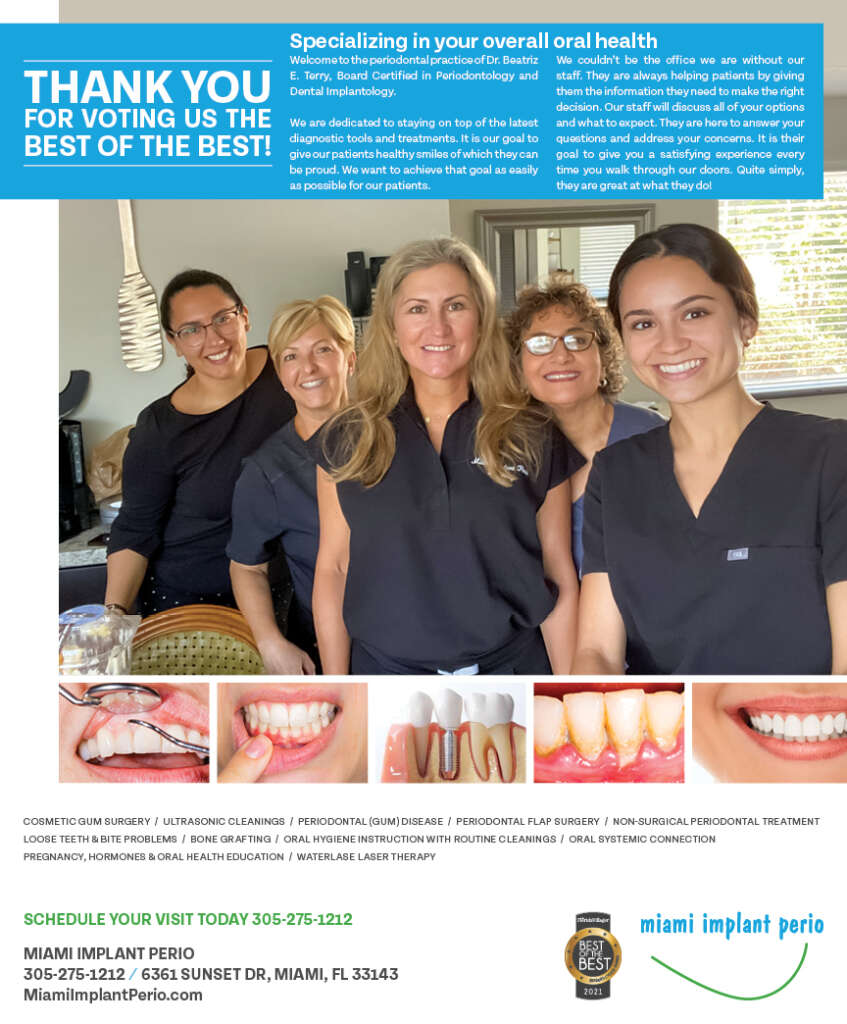
 Pinecrest Orthodontics
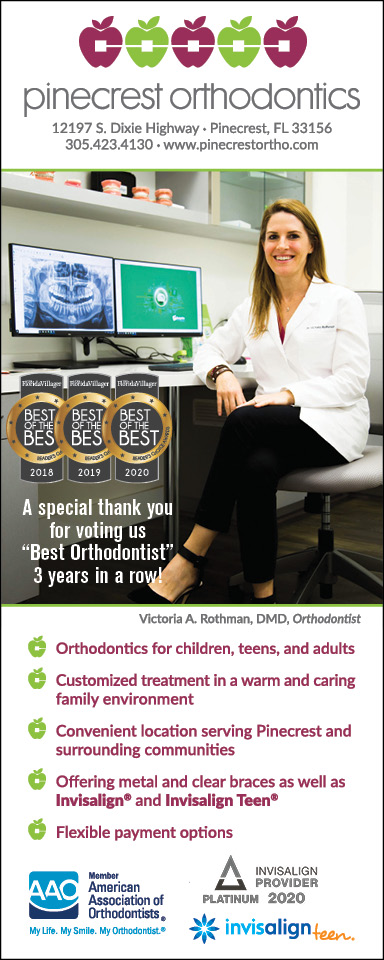
 Dr. Bob Pediatric Dentist
 d.pediatrics

 South Miami Women’s Health
 Endodontix Dental Group
 The Spot Barbershop
 My Derma Clinic



 Miami Dance Project
 Rubinstein Family Chiropractic
 Indigo Republic

 Safes Universe
 Vintage Liquors
 Evenings Delight





 Atchana’s Homegrown Thai
 Baptist Health South Florida

 Laser Eye Center of Miami
 Visiting Angels
 OpusCare of South Florida



 Your Pet’s Best

 HD Tree Services
 Hamilton Fox & Company

 Creative Design Services