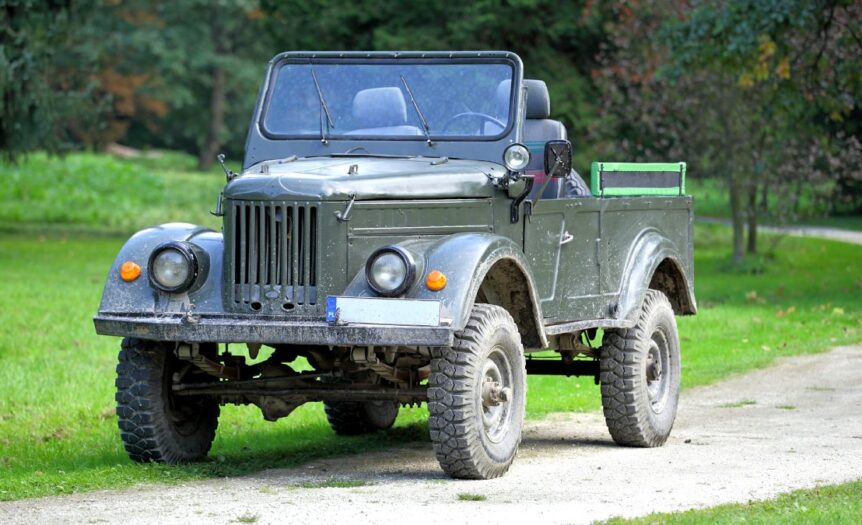
Many restorers focus on engines and bodywork but overlook a critical safety component: brake lines. These lines keep your Jeep’s hydraulic braking system working under pressure. Original brake lines matter in vintage Jeeps for more than authenticity; they ensure safe, reliable performance that modern replacements often compromise. Vintage military models require precise routing and materials built to meet rugged military specs and stand the test of time.
Understanding Your Jeep’s Original Brake System
Brake lines are essential to your Jeep’s hydraulic braking system, carrying fluid from the master cylinder to the wheels under high pressure. This system depends on consistent pressure and durable materials that can handle heat and corrosion.
Original lines use exact diameters, wall thickness, and fittings to maintain performance and safety. Aftermarket replacements often cut corners by using cheaper materials, incorrect sizes, or incompatible fittings. This can lead to pressure loss, leaks, or even brake failure.
Why Staying Original Matters
Original parts preserve history and ensure performance and safety.
Safety Above All
Improper brake line materials or incorrect fit can lead to catastrophic failure. Restoration requires building a safe, functional machine. Original brake lines underwent extensive testing to meet military durability standards that far exceed typical civilian vehicle requirements.
Brake fluid temperatures can exceed 400 degrees Fahrenheit during heavy braking. Original lines handle these extremes without degradation, while inferior replacements may soften, expand, or rupture under similar conditions.
Authenticity for Collectors
Military Jeep enthusiasts value historically accurate restorations that preserve original routing patterns, fitting styles, and finishes. Correct brake line installation demonstrates attention to detail that separates exceptional restorations from mediocre rebuilds.
Authentic brake lines maintain proper clearances from exhaust components, steering linkages, and suspension parts. This routing prevents interference and reduces wear from contact with moving components.
Compatibility With Other Systems
Brake systems interconnect with fuel delivery, engine management, and electrical components in complex ways. When you notice signs your fuel pump is going out, that failing component often creates additional strain on related systems throughout the vehicle, including the brakes.
Common Pitfalls When Replacing Brake Lines
Incorrect bend radii or line lengths create stress concentrations that promote cracking and leakage. Original brake lines follow specific routing patterns that avoid sharp bends while maintaining proper support along their entire length.
Combining modern brake components with original systems creates pressure inconsistencies and fit problems. Different materials expand at varying rates, leading to joint failures and fluid leaks.
Restore With Confidence
Properly restored original brake lines matter in vintage Jeeps to provide safety, performance, and authenticity. Inspect your current brake lines carefully, especially if your Jeep has sat unused or was recently acquired. Brake line restoration ensures your vintage military vehicle performs as intended while preserving its historical integrity for future generations.








 Deering Estate
 Massage Envy South Miami
 Calla Blow Dry
 My Derma Clinic
 Sports Grill
 The Healthy Kitchen
 Sushi Maki
 Golden Rule Seafood
 Malanga Cuban Café


 Kathleen Ballard
 Panter, Panter & Sampedro
 Vintage Liquors
 The Dog from Ipanema
 Rubinstein Family Chiropractic
 Your Pet’s Best
 Indigo Republic
 Animal Health and Rehab
 Maurice’s Jewelers
 ATR Luxury Homes


 2112 Design Studio
 Hamilton Fox & Company
 Creative Design Services
 Best Pest Professionals
 HD Tree Services
 Trinity Air Conditioning Company
 Cisca Construction & Development
 Mosquito Joe
 Cutler Bay Solar Solutions


 Miami Royal Ballet & Dance
 Christopher Columbus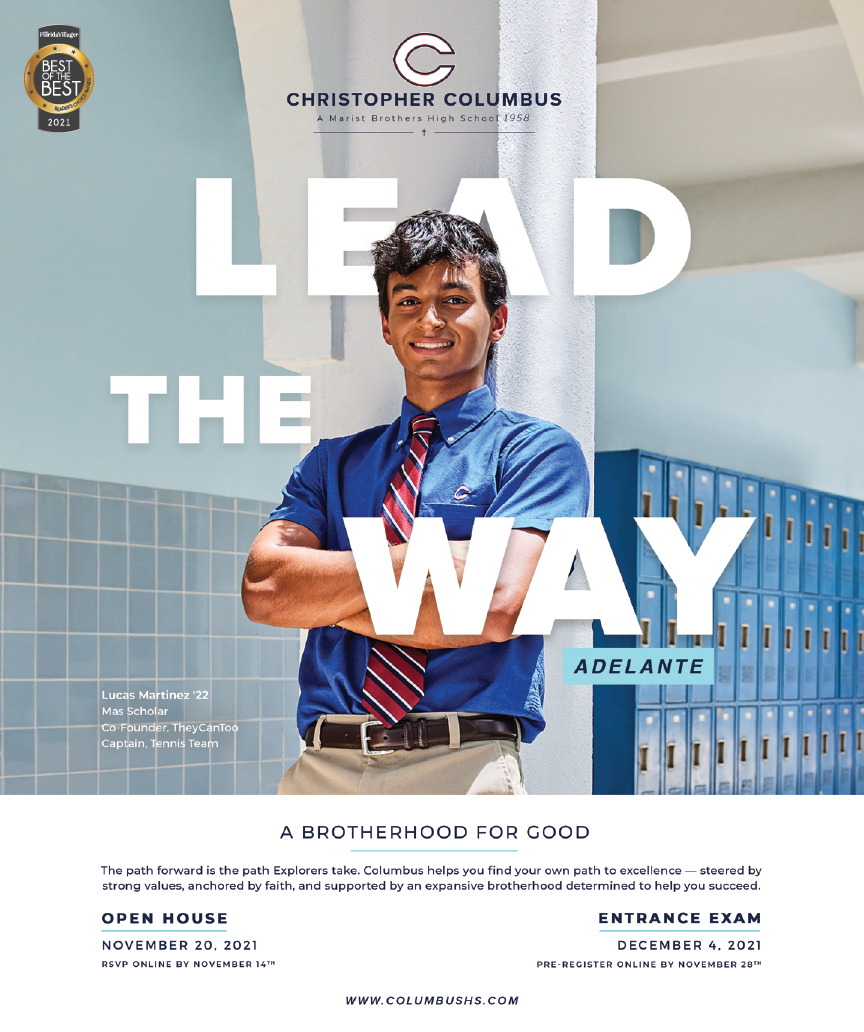
 Pineview Preschools
 Westminster
 Carrollton
 Lil’ Jungle
 Frost Science Museum
 Palmer Trinity School
 South Florida Music
 Pinecrest Orthodontics
 Dr. Bob Pediatric Dentist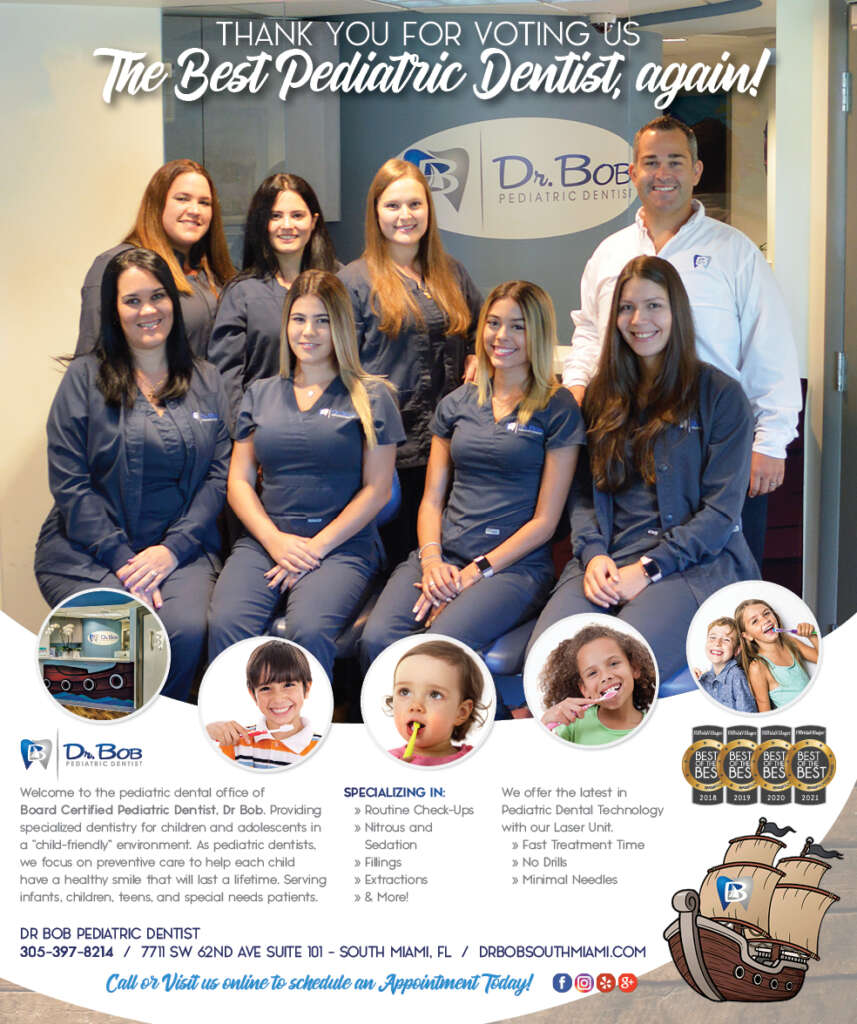
 d.pediatrics


 South Miami Women’s Health
 Endodontix Dental Group
 The Spot Barbershop
 My Derma Clinic




 Miami Dance Project
 Rubinstein Family Chiropractic
 Indigo Republic

 Safes Universe
 Vintage Liquors
 Evenings Delight





 Atchana’s Homegrown Thai
 Baptist Health South Florida

 Laser Eye Center of Miami
 Visiting Angels
 OpusCare of South Florida



 Your Pet’s Best

 HD Tree Services
 Hamilton Fox & Company

 Creative Design Services