
If you run a warehouse, every decision about where and how to store items impacts safety, efficiency, and long-term profitability. Yet many facilities unknowingly expose themselves to catastrophic risks through inadequate storage practices. Understanding these vulnerabilities is critical for maintaining healthy operations and environmental integrity.
Increased Risk of Accidents
Improper storage dramatically increases the chance of workplace accidents. For instance, stacking items too high or overloading shelves can cause materials to fall, injuring workers or damaging goods. Blocking aisles or emergency exits creates hazards that slow down evacuation in an emergency. Even something as simple as failing to secure pallets properly can lead to trips, falls, or collisions. Understanding how poor storage practices put your warehouse at risk helps you see why even small mistakes can have serious consequences.
Regulatory Compliance and Insurance Issues
Warehouses that ignore proper storage practices may also face fines and penalties from regulatory agencies. The Occupational Safety and Health Administration (OSHA), fire marshals, and other oversight bodies hold warehouses accountable for safe operations. Noncompliance leads to financial consequences and may invalidate insurance claims after an incident. Insurance companies often deny coverage if they find the warehouse failed to follow standard storage protocols, leaving the business to bear the full financial burden of an accident or disaster.
Fire and Hazardous Material Dangers
Many warehouses handle flammable, toxic, or otherwise hazardous materials. Placing incompatible materials together, neglecting temperature controls, or failing to follow hazardous material guidelines can lead to fires, chemical reactions, or dangerous spills. For example, lithium-ion batteries require careful handling and dedicated storage solutions. Businesses that explore lithium-ion battery storage systems reduce the chances of thermal runaway and environmental damage while also ensuring compliance with safety regulations.
Inefficient Operations and Lost Revenue
Poor storage practices hurt your bottom line. For instance, when you store items haphazardly, employees waste valuable time searching for products. Inefficient layouts force longer travel paths, slowing down order fulfillment. Overstocking in disorganized spaces often hides inventory, leading to over-purchasing or stockouts. Customers notice these inefficiencies in the form of delayed shipments and errors, which can damage your reputation and drive business to competitors.
Tips for Protecting Your Business
Once you know how poor storage practices put your warehouse at risk, you can avoid trouble by making strategic adjustments. Here are a few ideas:
- Train staff to follow safety guidelines.
- Invest in shelving and racking systems rated for your inventory.
- Maintain clear, accessible aisles.
- Use signage and labels to minimize errors.
- Experiment with inventory management systems to help maintain organization.
- Use specialized storage solutions for high-risk items.
With the right storage strategy in place, your warehouse can safeguard its assets and support long-term business growth.








 Deering Estate
 Massage Envy South Miami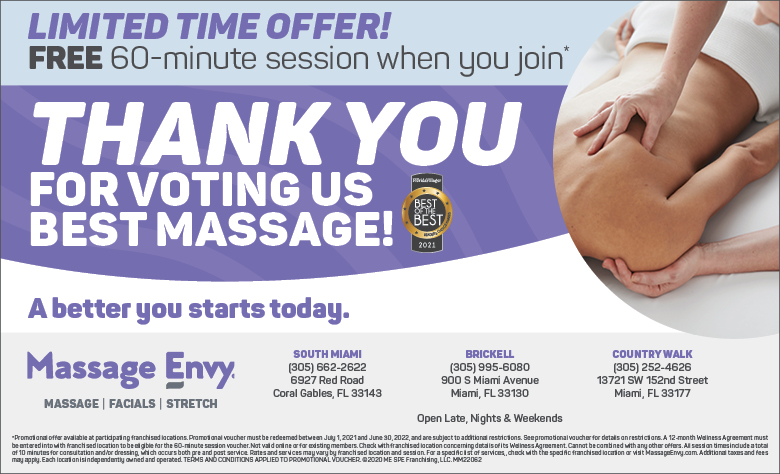
 Calla Blow Dry
 My Derma Clinic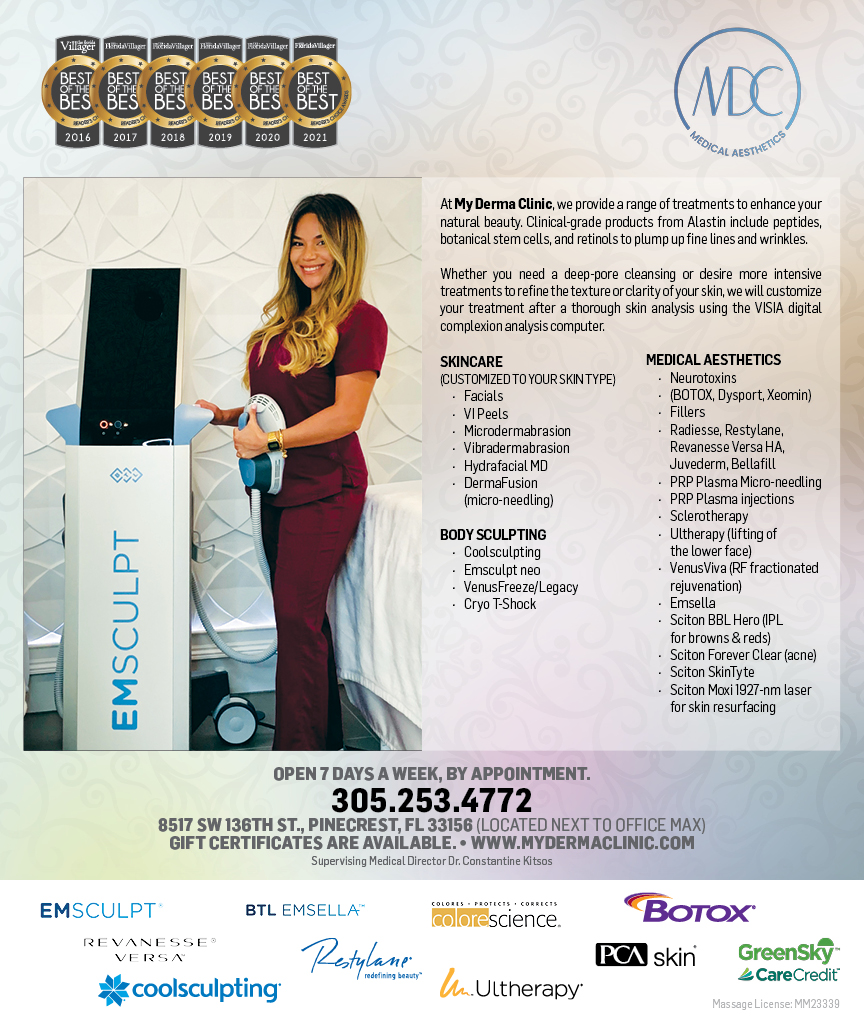
 Sports Grill
 The Healthy Kitchen
 Sushi Maki
 Golden Rule Seafood
 Malanga Cuban Café


 Kathleen Ballard
 Panter, Panter & Sampedro
 Vintage Liquors
 The Dog from Ipanema
 Rubinstein Family Chiropractic
 Your Pet’s Best
 Indigo Republic
 Animal Health and Rehab
 Maurice’s Jewelers
 ATR Luxury Homes

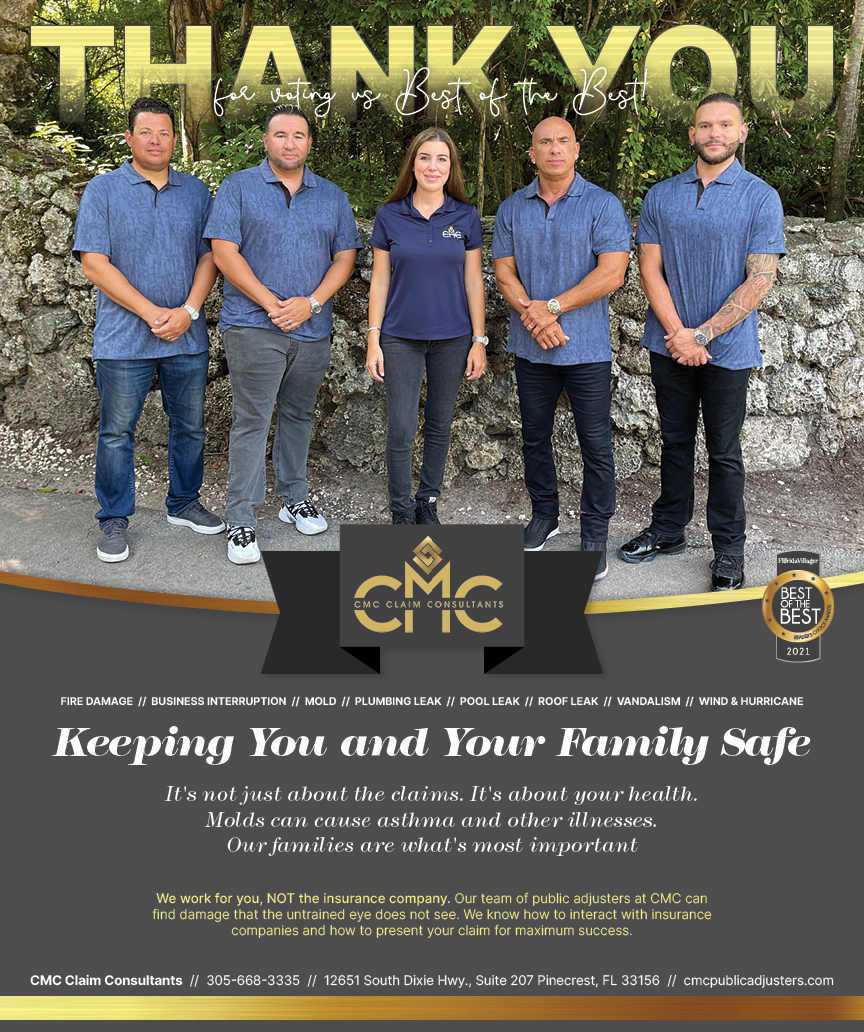
 2112 Design Studio
 Hamilton Fox & Company
 Creative Design Services
 Best Pest Professionals
 HD Tree Services
 Trinity Air Conditioning Company
 Cisca Construction & Development
 Mosquito Joe
 Cutler Bay Solar Solutions


 Miami Royal Ballet & Dance
 Christopher Columbus
 Pineview Preschools
 Westminster
 Carrollton
 Lil’ Jungle
 Frost Science Museum
 Palmer Trinity School
 South Florida Music
 Pinecrest Orthodontics
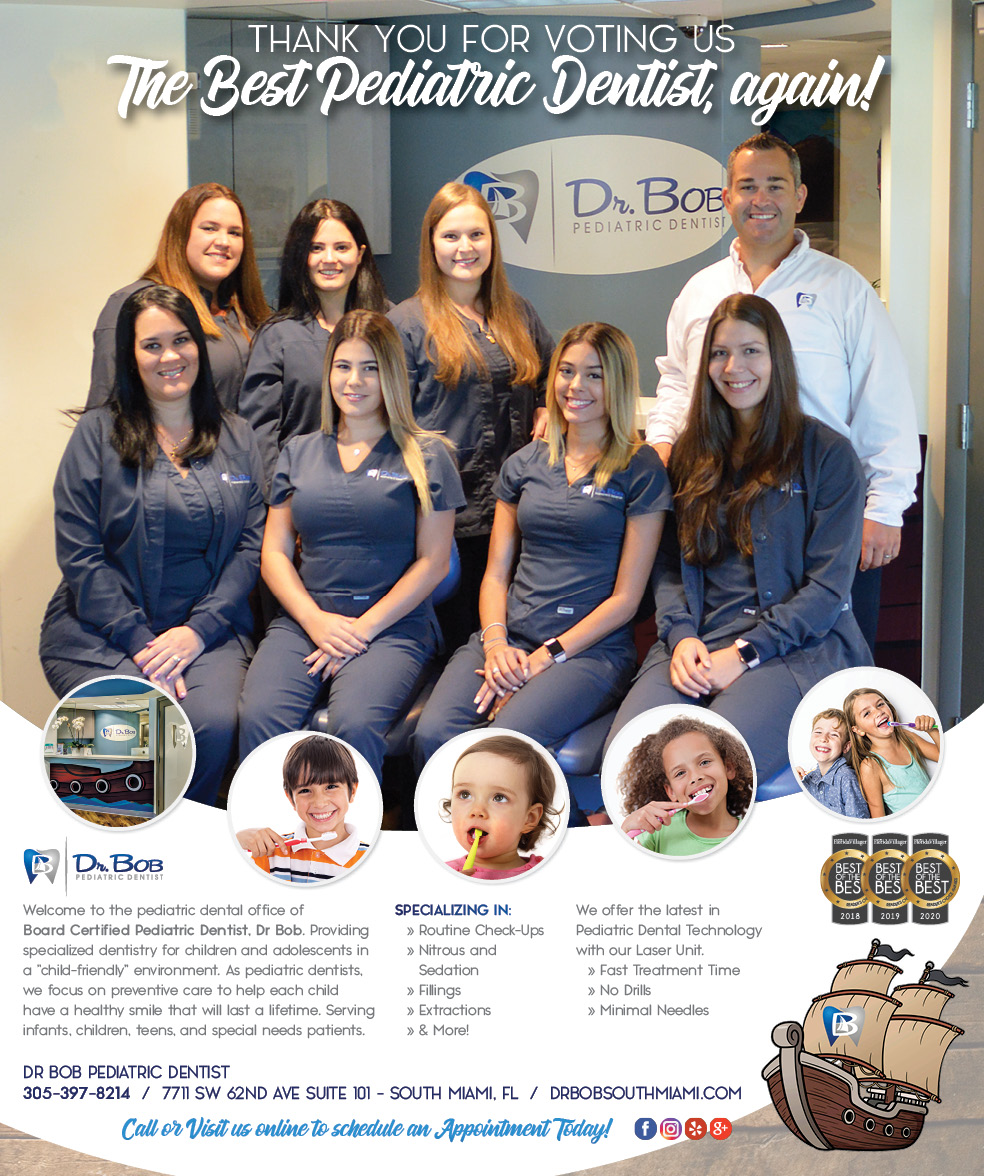
 Dr. Bob Pediatric Dentist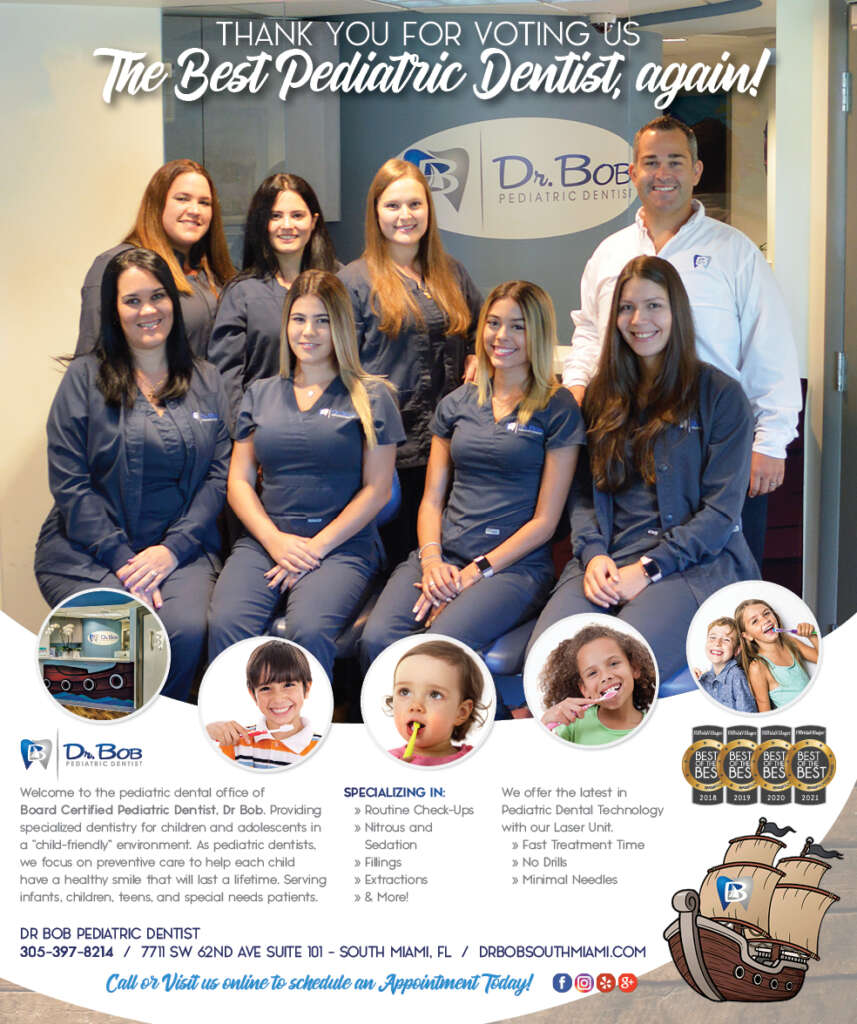
 d.pediatrics


 South Miami Women’s Health
 Endodontix Dental Group
 The Spot Barbershop
 My Derma Clinic




 Miami Dance Project
 Rubinstein Family Chiropractic
 Indigo Republic

 Safes Universe
 Vintage Liquors
 Evenings Delight





 Atchana’s Homegrown Thai
 Baptist Health South Florida

 Laser Eye Center of Miami
 Visiting Angels
 OpusCare of South Florida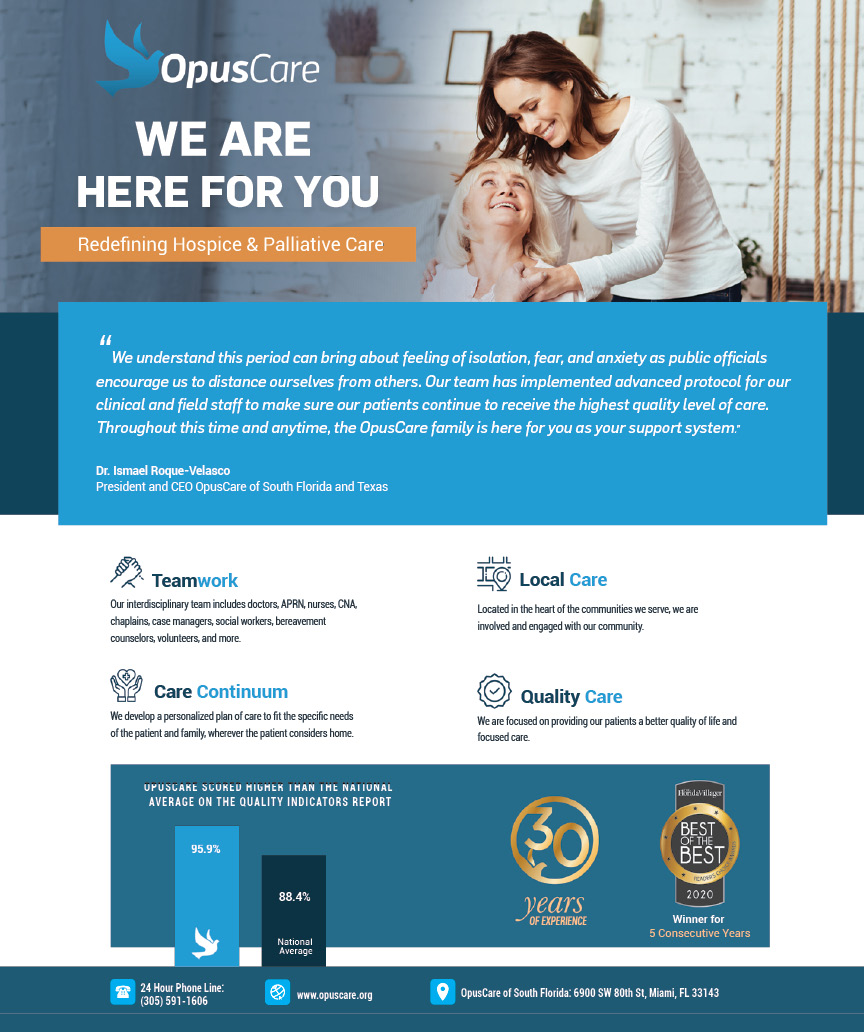


 Your Pet’s Best

 HD Tree Services
 Hamilton Fox & Company

 Creative Design Services