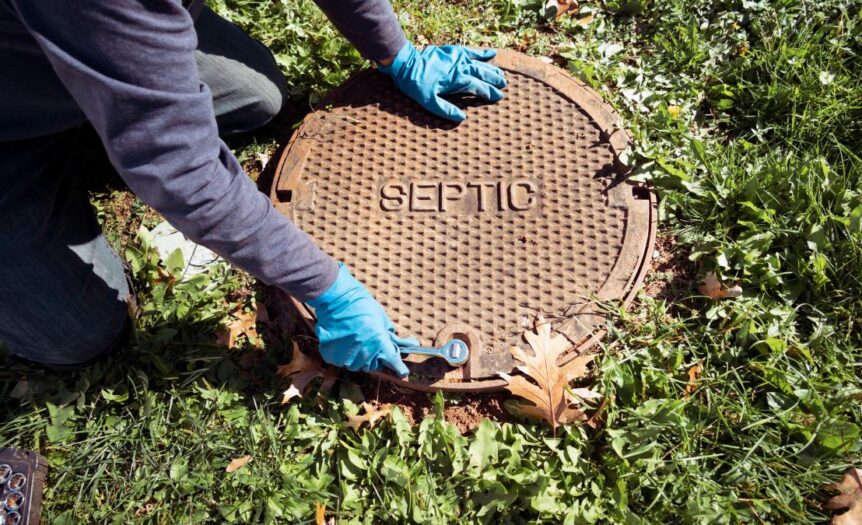
If your home has a septic system, you are responsible for its maintenance. Unlike a public sewer system managed by a municipality, a private septic system requires regular attention from the homeowner to function correctly. Proper care prevents costly repairs, protects your property value, and safeguards local groundwater from contamination. Neglecting your system can lead to unpleasant backups and significant environmental issues.
Understanding Your Septic System’s Needs
A septic system is a self-contained, underground wastewater treatment structure. It processes and disposes of household wastewater onsite. The system has two main parts: a septic tank and a drain field. Solids settle in the tank, while liquid wastewater flows into the drain field so the soil can naturally filter it. For this process to work efficiently, you must monitor what goes down your drains and schedule professional services when necessary.
The Importance of Regular Inspections
You should have your septic system inspected by a professional at least every three years. Some systems with mechanical parts may need more frequent checks. An inspection can identify potential problems before they become major failures. A professional will check the sludge and scum layers in your tank and ensure all components are working as they should.
Pumping Your Septic Tank
Most septic tanks need pumping every three to five years. The frequency depends on your household size, wastewater generation, and tank size. Regularly pumping the tank is among the best practices for maintaining septic systems because it removes the accumulated solids. If the solids build up too much, they can clog the drain field, leading to system failure and expensive repairs.
How To Care for Your Septic System
Beyond professional servicing, your daily habits significantly impact your system’s health. Be mindful of what you flush or pour down the drain. Avoid disposing of grease, harsh chemicals, and non-biodegradable items like diapers or wipes. Using water efficiently also helps, as it reduces the load on your drain field and gives the system time to treat wastewater properly.
Taking Action on Septic Maintenance
Managing your home’s septic system is an essential part of responsible homeownership. By scheduling regular inspections, pumping your tank as needed, and being careful with your water usage, you can ensure your system operates effectively for years. If you’re unsure about your system’s maintenance history or specific needs, contact a septic service professional. They can provide guidance and help you create a maintenance plan tailored to your home.








 Deering Estate
 Massage Envy South Miami
 Calla Blow Dry
 My Derma Clinic
 Sports Grill
 The Healthy Kitchen
 Sushi Maki
 Golden Rule Seafood
 Malanga Cuban Café


 Kathleen Ballard
 Panter, Panter & Sampedro
 Vintage Liquors
 The Dog from Ipanema
 Rubinstein Family Chiropractic
 Your Pet’s Best
 Indigo Republic
 Animal Health and Rehab
 Maurice’s Jewelers
 ATR Luxury Homes


 2112 Design Studio
 Hamilton Fox & Company
 Creative Design Services
 Best Pest Professionals
 HD Tree Services
 Trinity Air Conditioning Company
 Cisca Construction & Development
 Mosquito Joe
 Cutler Bay Solar Solutions


 Miami Royal Ballet & Dance
 Christopher Columbus
 Pineview Preschools
 Westminster
 Carrollton
 Lil’ Jungle
 Frost Science Museum
 Palmer Trinity School
 South Florida Music
 Pinecrest Orthodontics
 Dr. Bob Pediatric Dentist
 d.pediatrics

 South Miami Women’s Health
 Endodontix Dental Group
 The Spot Barbershop
 My Derma Clinic




 Miami Dance Project

 Rubinstein Family Chiropractic
 Indigo Republic

 Safes Universe
 Vintage Liquors
 Evenings Delight





 Atchana’s Homegrown Thai
 Baptist Health South Florida

 Laser Eye Center of Miami
 Visiting Angels
 OpusCare of South Florida



 Your Pet’s Best

 HD Tree Services
 Hamilton Fox & Company

 Creative Design Services