
You want to homeschool, but your child is autistic, and you’re wondering if you’re able to provide the specialized education they need. This concern is completely valid, and you’re not alone in having it.
The short answer is yes—you absolutely can homeschool a child with autism. Many families have found tremendous success creating personalized learning environments that cater specifically to their child’s needs, strengths, and interests. In fact, homeschooling offers flexibility that traditional schools often cannot match, allowing you to adapt teaching methods, schedules, and environments to support your child’s unique learning style.
This doesn’t mean the journey will be without challenges. Homeschooling any child requires dedication, patience, and careful planning. When autism enters the equation, additional considerations come into play. However, with the right strategies, resources, and mindset, you can create an educational experience that helps your child thrive academically, socially, and emotionally.
Understand Your Child’s Unique Learning Profile
Every child with autism presents differently. Some excel in visual learning, while others respond better to auditory instruction. Many autistic children have intense interests in specific subjects—these passions can become powerful learning tools when you know how to harness them.
Your first step should be observing how your child learns best. Do they process information more effectively in short bursts or longer sessions? Are they easily overwhelmed by too much visual stimulation, or do they thrive with colorful, detailed materials? Do they need movement breaks throughout the day, or do they prefer seated activities?
You should take note of your child’s sensory preferences and sensitivities. Some children need complete quiet to concentrate, while others work better with background music or white noise. Understanding these preferences allows you to create an optimal learning environment tailored specifically to their needs.
And that’s one of the best parts of homeschooling an autistic child—you have nearly total control over the environment. Instead of a school filled with unpredictable noises, fluorescent lighting, and chaotic socializing in every corner, your home can be a sensory sanctuary. This can help you manage autistic meltdowns in your child and maybe even prevent them, helping your kid progress through each learning day steadily and productively.
Create Structure That Works
Autistic children often thrive on routine and predictability. This natural preference actually works in your favor as a homeschooling parent. You can establish consistent daily schedules that provide the structure your child craves while maintaining the flexibility to adjust when it’s necessary.
Use Visuals
Start by creating visual schedules that clearly outline the day’s activities. Use pictures, symbols, or words (depending on your child’s communication level). Include academic subjects, breaks, meals, and any therapy sessions. This visual roadmap helps reduce anxiety and gives your child a sense of control over their day.
Transition Wisely
Build in regular breaks and transition warnings. Many autistic children struggle with sudden changes, so providing five-minute warnings before switching activities can prevent meltdowns and maintain learning momentum. These transition periods might include simple physical activities, deep breathing exercises, or brief sensory breaks.
Adapt Your Curriculum and Teaching Methods
Traditional curricula may not align with your child’s learning style or interests. The beauty of homeschooling is your ability to modify materials and approaches to match your child’s needs.
Base Lessons on Your Kid’s Interests
Consider your child’s special interests as gateways to learning. If they’re fascinated by trains, use train-themed math problems, read books about transportation history, or explore the science behind how engines work. This approach keeps them engaged while covering required academic subjects.
Engage the Senses
Many autistic children benefit from multisensory learning approaches. Incorporate tactile elements into lessons—use manipulatives for math, create hands-on science experiments, or practice writing letters in sand trays. These activities reinforce concepts through different sensory channels.
Turn to Tech
Technology can be an invaluable tool. Educational apps, videos, and interactive programs often appeal to autistic learners. For instance, gamification is improving how kids learn by making learning more engaging and accessible for children with different learning styles.
Build Social Skills and Community Connections
One concern many parents have about homeschooling is how their child will develop social skills and friendships, and this concern is more pressing for autistic children. Autism can make it harder for kids to engage with their peers because of differences in communication, social awareness, and anxiety levels. The good news is that homeschooling communities are typically very inclusive and understanding of different needs.
A great way to help your child make friends is by signing them up for a homeschool co-op. These organizations usually run smaller, more controlled social environments that work better for autistic children than large classroom settings. Your child can practice social skills with the same group of familiar children over time, building comfortable relationships gradually.
And don’t overlook online communities and virtual learning opportunities. Many autistic children feel more comfortable communicating through digital platforms, and these connections can sometimes translate into real-world friendships.
Work With Professionals
Homeschooling doesn’t mean going it alone. You can still access speech therapy, occupational therapy, behavioral therapy, and other specialized services while educating at home. Many therapists offer home-based services or can work with you to incorporate therapeutic goals into daily learning activities.
Connect with your state’s homeschool regulations and resources. Some states offer support services for homeschooling families, including access to special education professionals who can help you develop appropriate educational plans.
Your Child’s Educational Future Awaits
Homeschooling a child with autism requires dedication, creativity, and patience, but it can be incredibly rewarding. You have the opportunity to create an educational experience perfectly tailored to your child’s unique needs, interests, and learning style. Many families find that this personalized approach leads to greater academic success, improved behavior, and stronger family relationships.
Take time to research your state’s homeschool laws, connect with local support groups, and gather resources that align with your child’s needs. Start planning gradually, and remember that you can always adjust your approach as you gain experience and insight into what works best for your family.
Your child deserves an education that celebrates their strengths while supporting their challenges. Homeschooling can provide exactly that kind of nurturing, individualized learning environment. Trust yourself, trust the process, and take the first step toward creating the educational journey your child needs to reach their full potential.








 Deering Estate
 Massage Envy South Miami
 Calla Blow Dry
 My Derma Clinic
 Sports Grill
 The Healthy Kitchen
 Sushi Maki
 Golden Rule Seafood
 Malanga Cuban Café


 Kathleen Ballard
 Panter, Panter & Sampedro
 Vintage Liquors
 The Dog from Ipanema
 Rubinstein Family Chiropractic
 Your Pet’s Best
 Indigo Republic
 Animal Health and Rehab
 Maurice’s Jewelers
 ATR Luxury Homes


 2112 Design Studio
 Hamilton Fox & Company
 Creative Design Services
 Best Pest Professionals
 HD Tree Services
 Trinity Air Conditioning Company
 Cisca Construction & Development
 Mosquito Joe
 Cutler Bay Solar Solutions


 Miami Royal Ballet & Dance
 Christopher Columbus
 Pineview Preschools
 Westminster
 Carrollton
 Lil’ Jungle
 Frost Science Museum
 Palmer Trinity School
 South Florida Music
 Pinecrest Orthodontics
 Dr. Bob Pediatric Dentist
 d.pediatrics


 South Miami Women’s Health
 Endodontix Dental Group
 The Spot Barbershop
 My Derma Clinic




 Miami Dance Project

 Rubinstein Family Chiropractic
 Indigo Republic

 Safes Universe
 Vintage Liquors
 Evenings Delight




 Atchana’s Homegrown Thai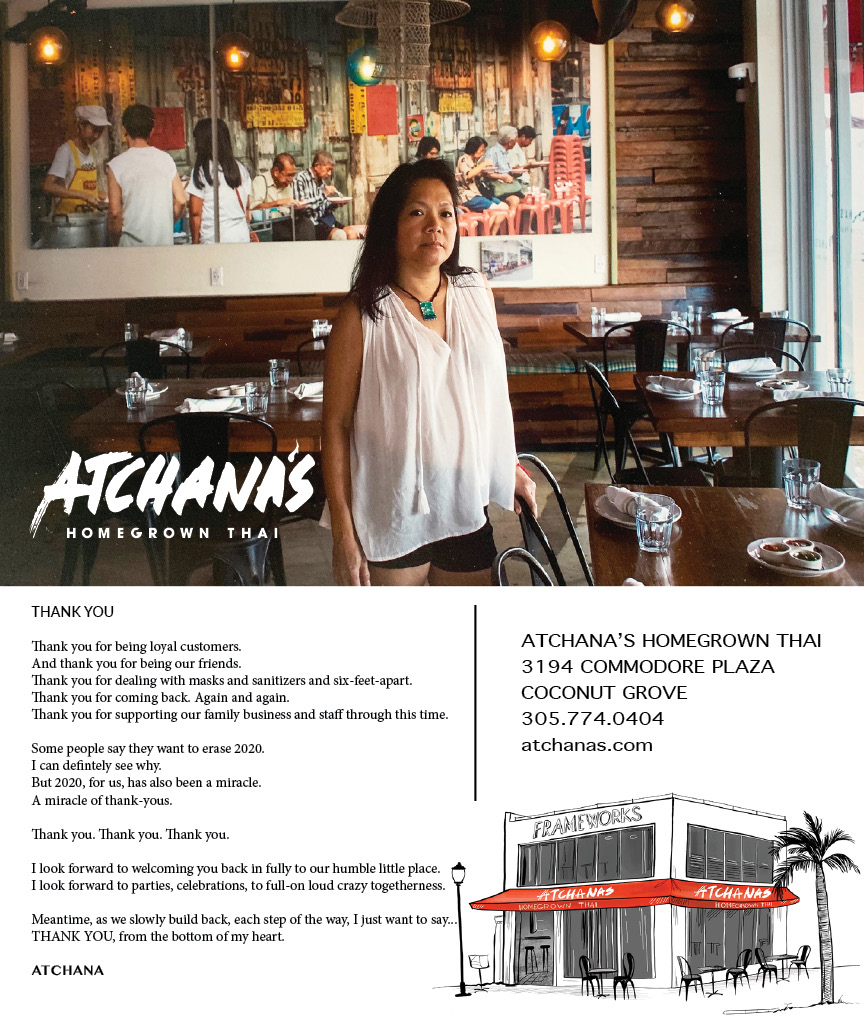
 Baptist Health South Florida

 Laser Eye Center of Miami
 Visiting Angels
 OpusCare of South Florida



 Your Pet’s Best

 HD Tree Services
 Hamilton Fox & Company

 Creative Design Services