A customer scans your menu and pauses. They recognize the name of a dish, but the ingredients seem off, the plating looks generic, and the flavor falls short of what they expected. The food isn’t bad; it’s that the story feels incomplete.
Authenticity, especially in Latin American cuisine, often comes down to the small things. And in a place like Miami, Florida, where customers are discerning, those details matter. Here are five small changes that will enhance your menu’s authenticity without a full concept overhaul.
1. Source Regional Ingredients
Generic substitutions dilute cultural depth. Swapping cotija for feta or guava paste for a sugary jam alters the flavor and misrepresents tradition. When possible, source region-specific ingredients, even if in small quantities.
Working with Latin-owned distributors or visiting local markets every week gives you access to products that make dishes more recognizable to those who grew up with them. Think annatto, culantro, panela, or imported masa harina.
2. Reconsider Presentation Styles
Food’s appearance will affect how it’s received. Authenticity isn’t always polished; it’s about presentation that reflects heritage. A tamal wrapped in paper or a banana leaf, served on enamelware, tells a story before the first bite.
Using disposable clamshells for everything, or dine-in plates, can undermine the experience. Borrow authentic restaurant plating ideas to elevate visual appeal without adding cost, such as rustic baskets for arepas or colorful ceramic bowls for soups.
3. Use Traditional Cooking Tools
Flavors change based on preparation. Cooking over a comal, blending with a molcajete, or pressing tortillas by hand leaves subtle but memorable differences.
But for kitchens serving 50 or more diners per day, using a commercial tortilla press is recommended. One of the reasons to switch to a commercial corn tortilla machine is to replicate the flavor and texture of hand-pressed tortillas at scale. It’s a small equipment upgrade that preserves quality during busy shifts.
4. Translate and Explain Dish Names Thoughtfully
Names carry cultural weight. Translating everything into English can flatten meaning, but leaving everything untranslated can confuse diners. The balance lies in keeping original names with short, respectful descriptions.
For example, “arroz congrí” might be listed as “arroz congrí—black beans and rice cooked together with garlic and cumin.” It helps patrons feel informed without stripping the dish of its identity.
5. Update Side Dishes to Reflect Origin
Side dishes provide an easy opportunity to enhance authenticity without altering your core menu. Instead of serving fries with everything, consider rotating sides such as yuca frita, arroz con gandules, or maduros.
Even swapping plain rice for a traditional version once per week introduces customers to something they may not have tried before. These details often spark conversations and return visits.
Authenticity Isn’t an Afterthought
These are just five small changes that enhance your menu’s authenticity. Showing your respect for the origins of your food also demonstrates respect for the diners who appreciate the difference.
One often-overlooked detail? The smell. Whether it’s fresh tortillas, grilled corn, or toasted spices, aroma sets expectations before food hits the table. Treat that as part of the menu too.






 Deering Estate
 Massage Envy South Miami
 Calla Blow Dry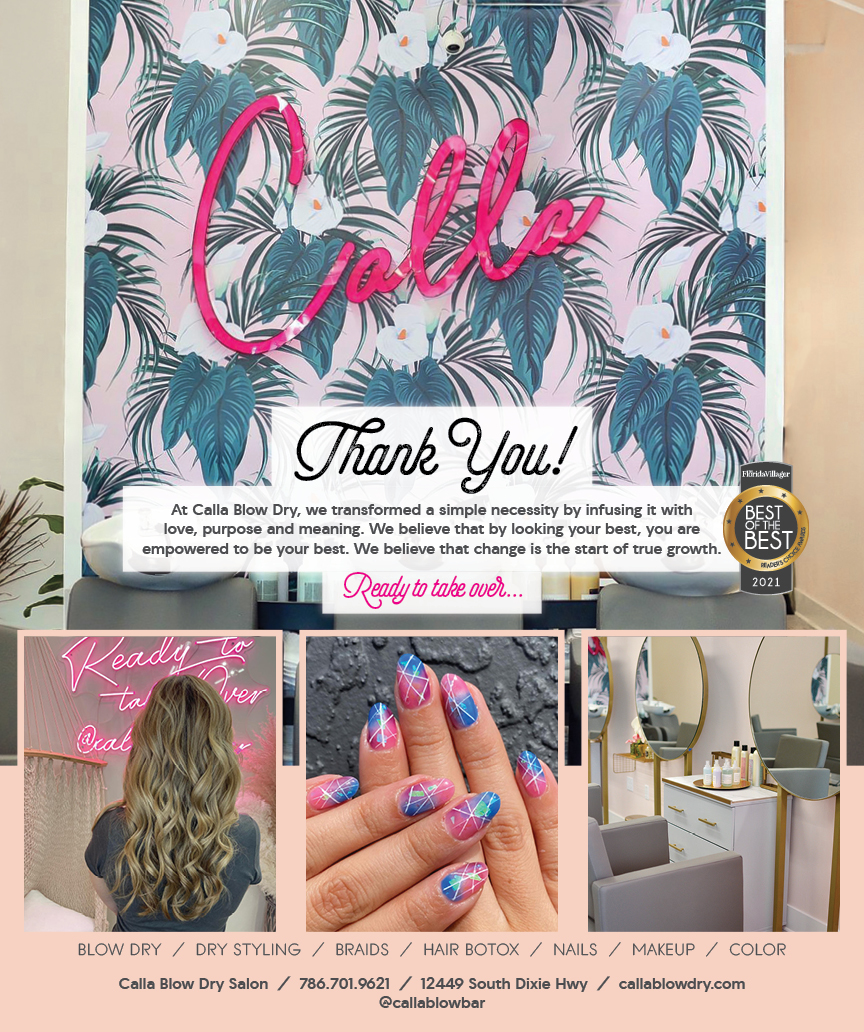
 My Derma Clinic
 Sports Grill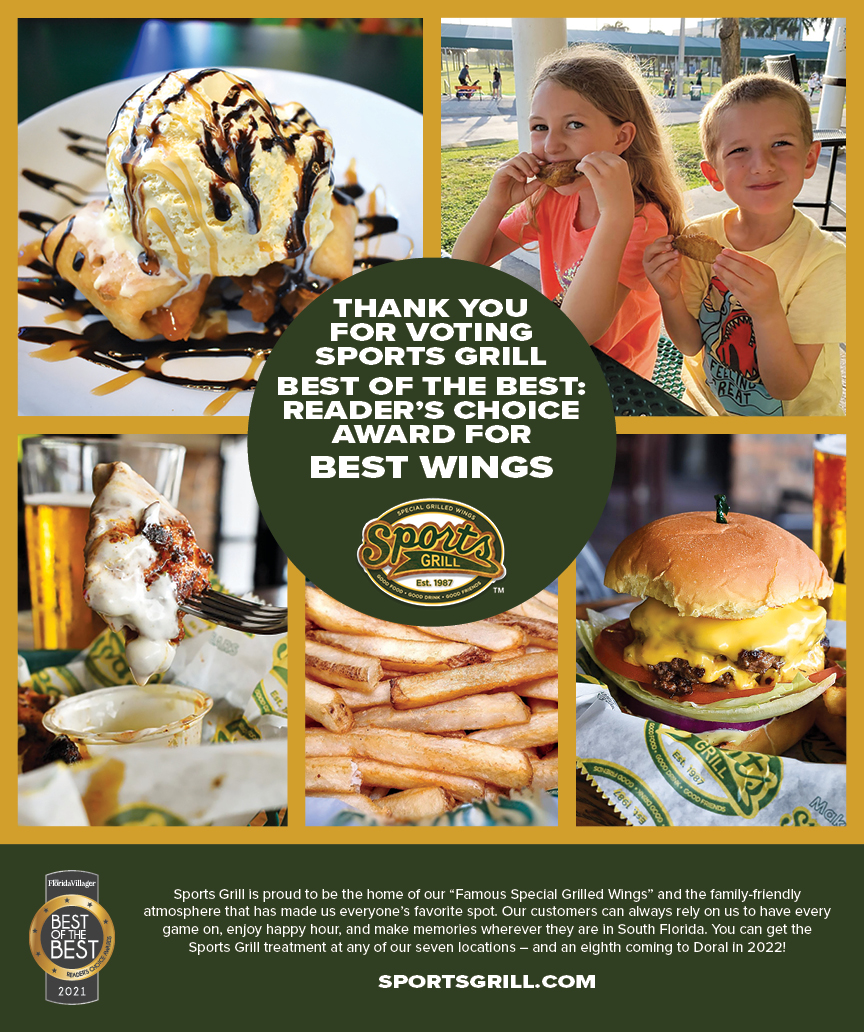
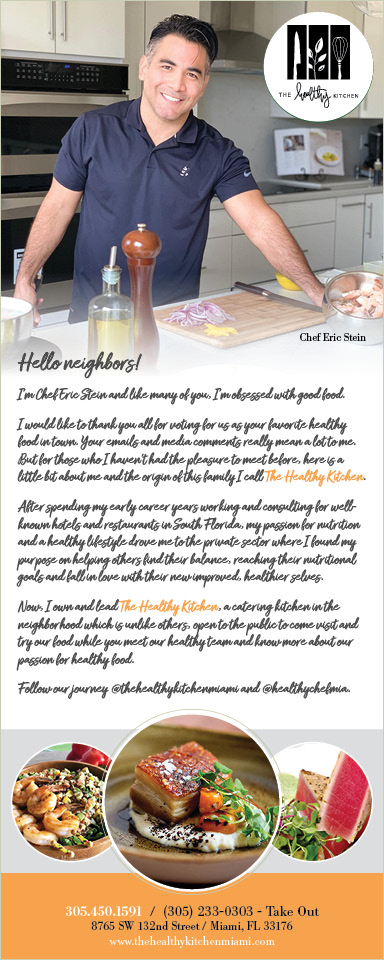
 The Healthy Kitchen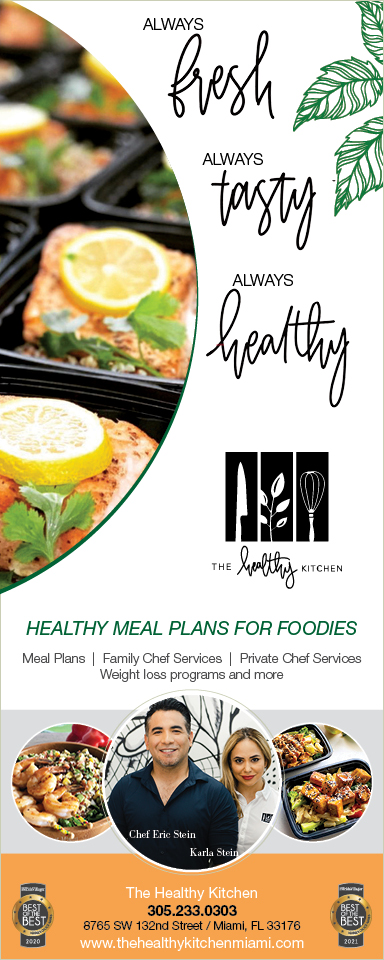
 Sushi Maki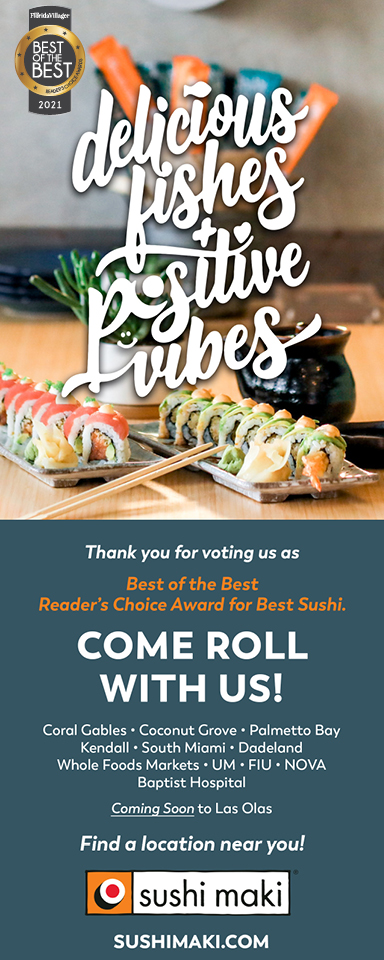
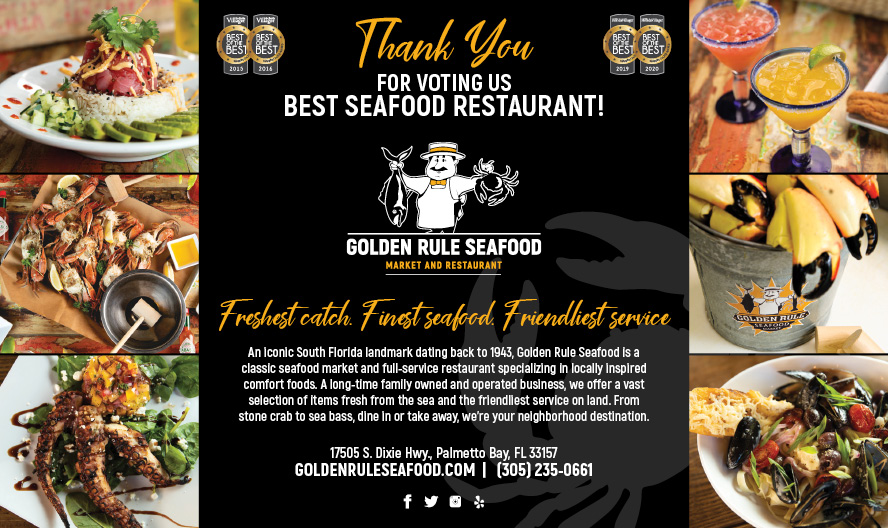
 Golden Rule Seafood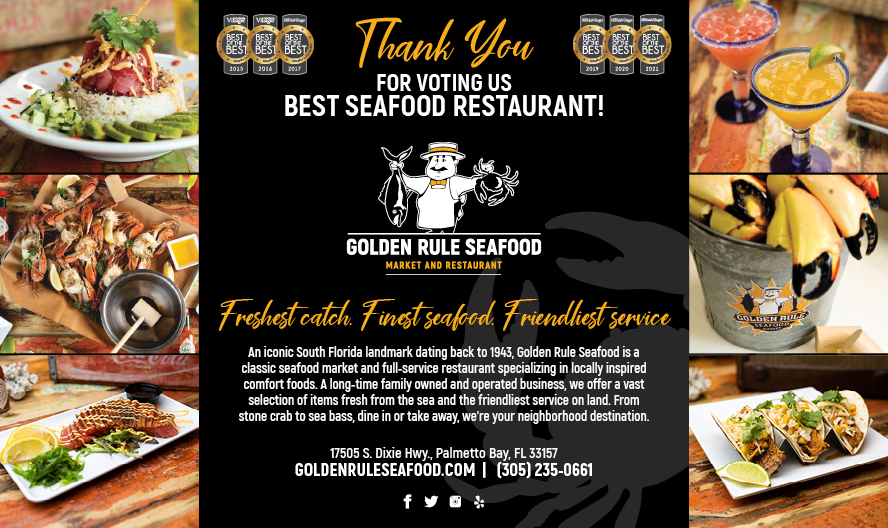
 Malanga Cuban Café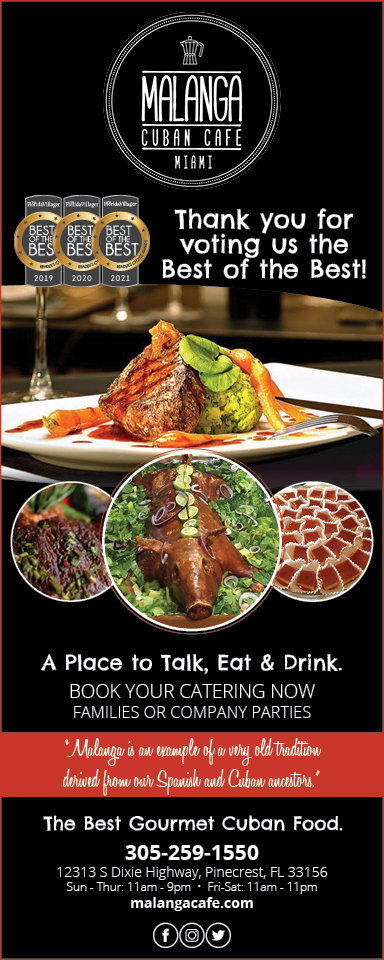

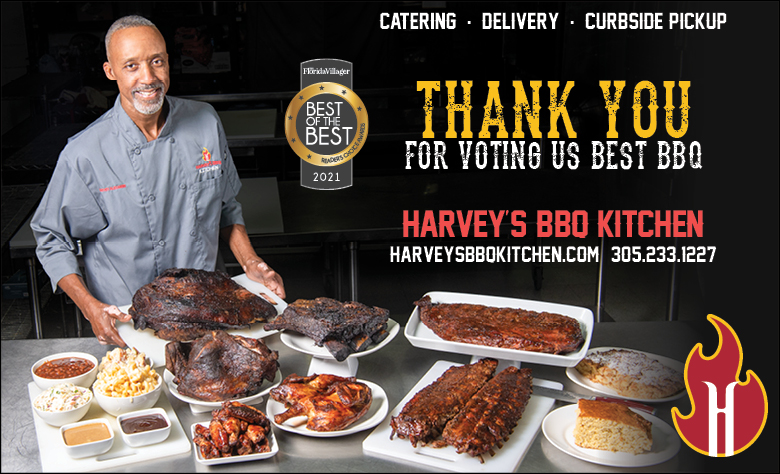
 Kathleen Ballard
 Panter, Panter & Sampedro
 Vintage Liquors
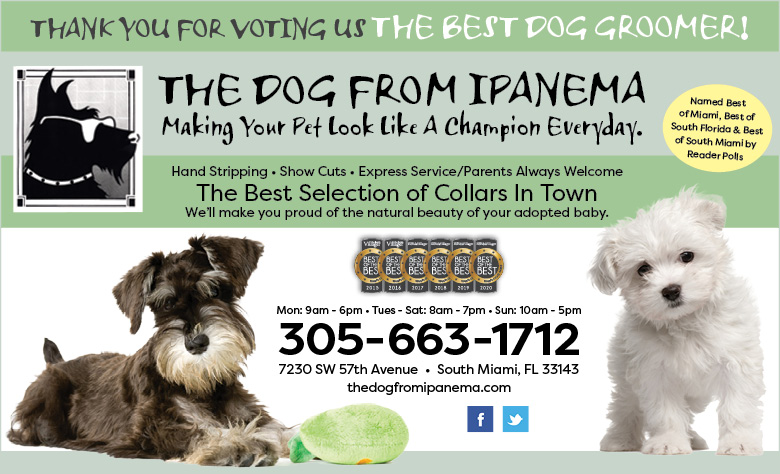
 The Dog from Ipanema
 Rubinstein Family Chiropractic
 Your Pet’s Best
 Indigo Republic
 Animal Health and Rehab
 Maurice’s Jewelers
 ATR Luxury Homes

 2112 Design Studio
 Hamilton Fox & Company
 Creative Design Services
 Best Pest Professionals
 HD Tree Services
 Trinity Air Conditioning Company
 Cisca Construction & Development
 Mosquito Joe
 Cutler Bay Solar Solutions


 Miami Royal Ballet & Dance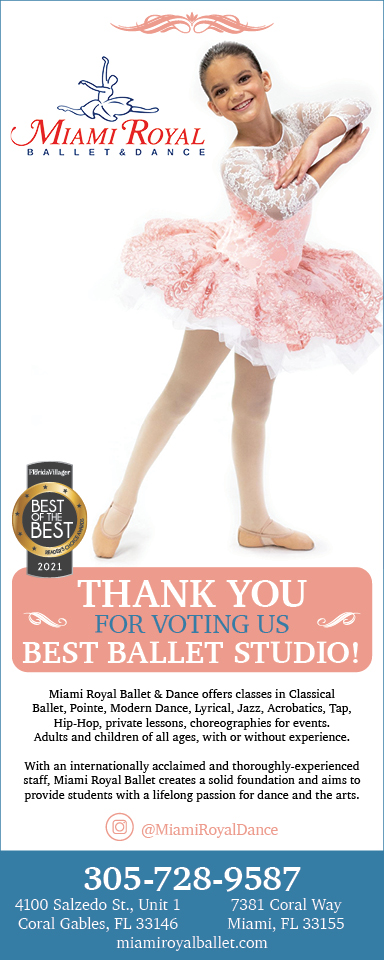
 Christopher Columbus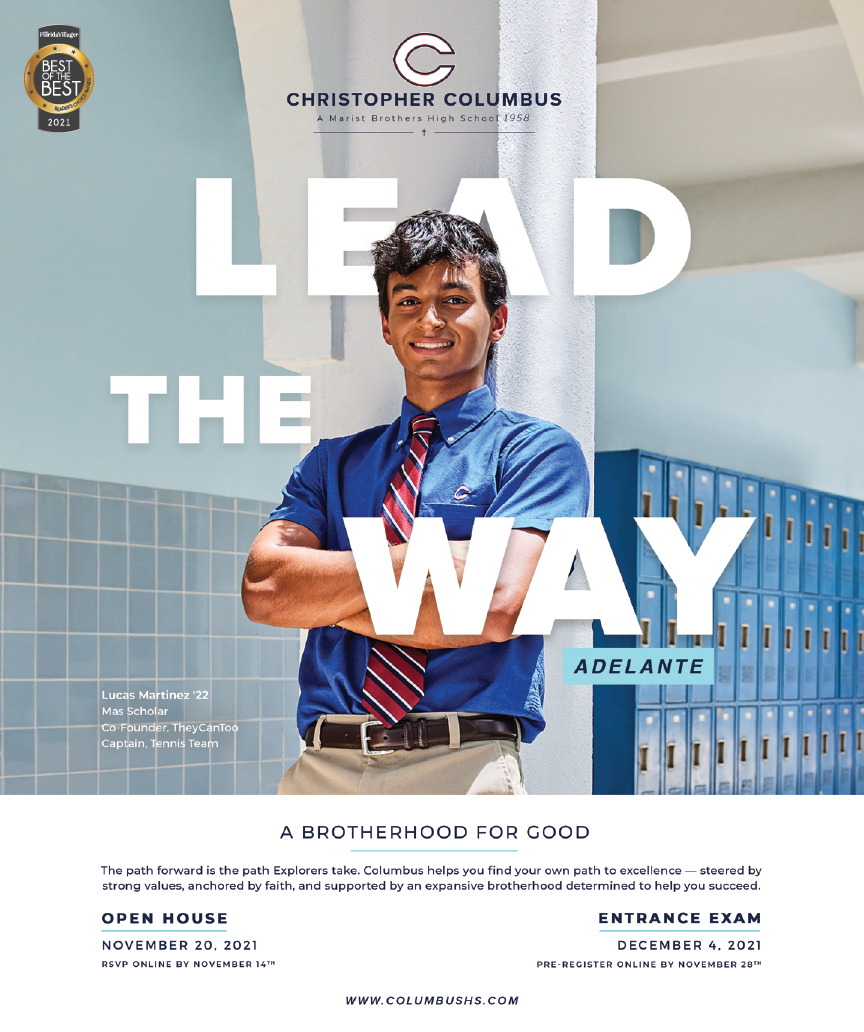
 Pineview Preschools
 Westminster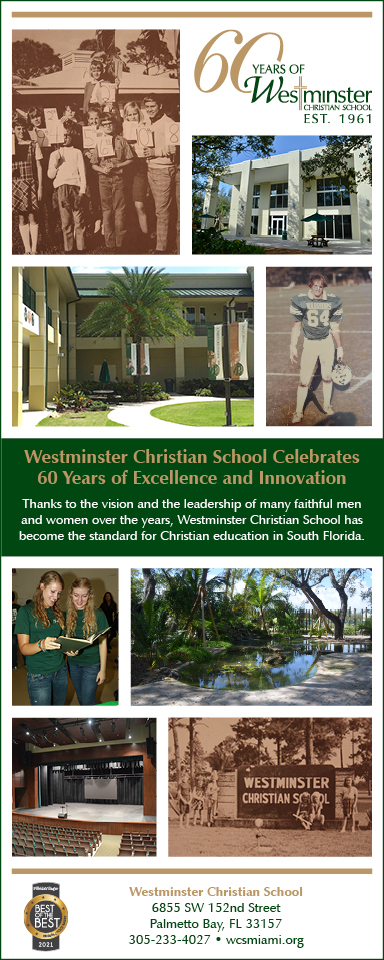
 Carrollton
 Lil’ Jungle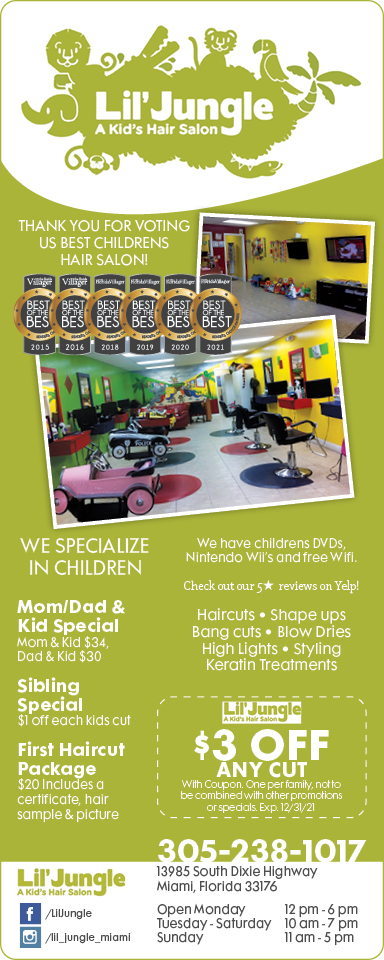
 Frost Science Museum
 Palmer Trinity School
 South Florida Music
 Pinecrest Orthodontics
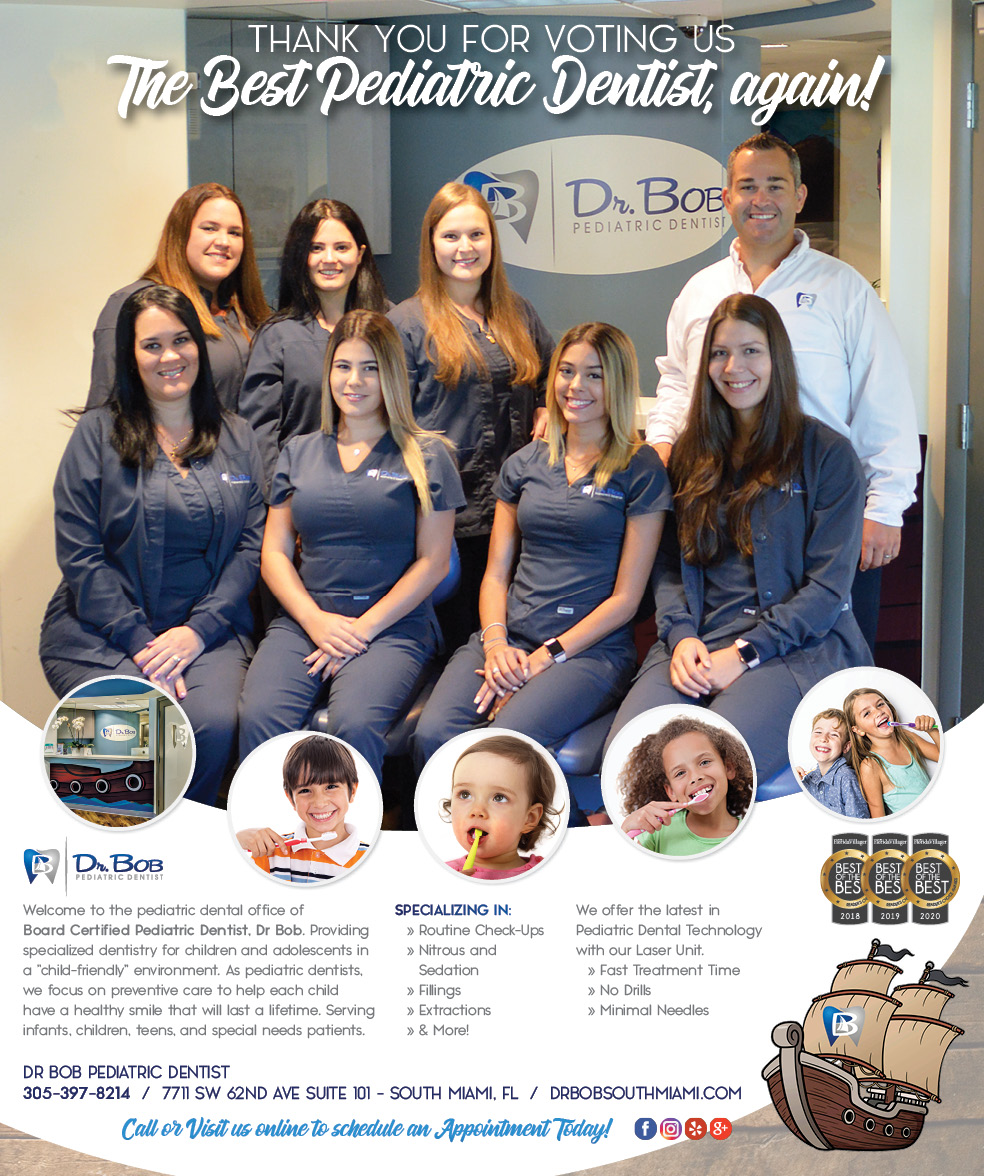
 Dr. Bob Pediatric Dentist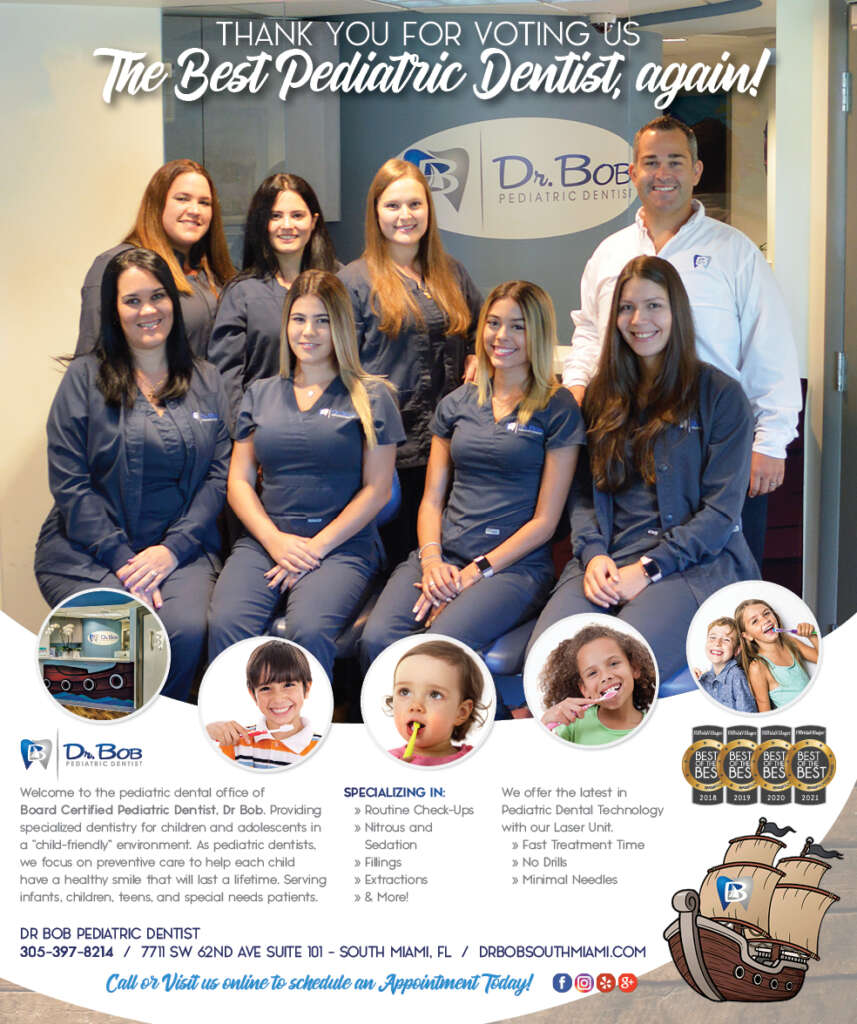
 d.pediatrics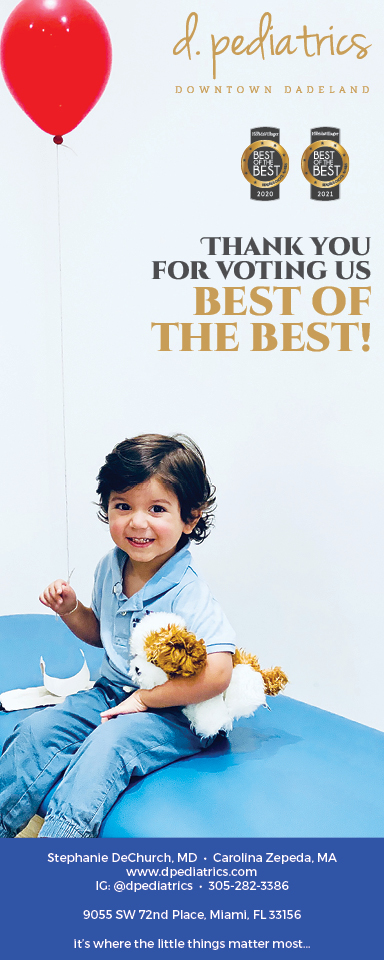

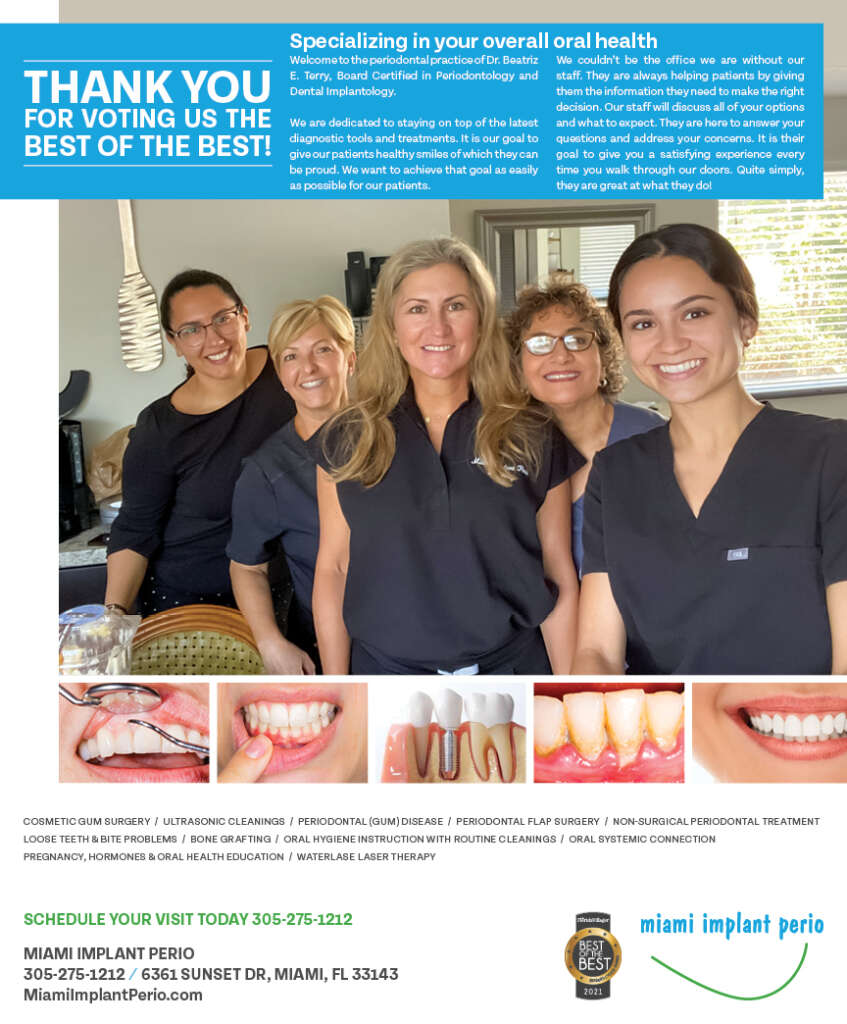
 South Miami Women’s Health
 Endodontix Dental Group
 The Spot Barbershop
 My Derma Clinic




 Miami Dance Project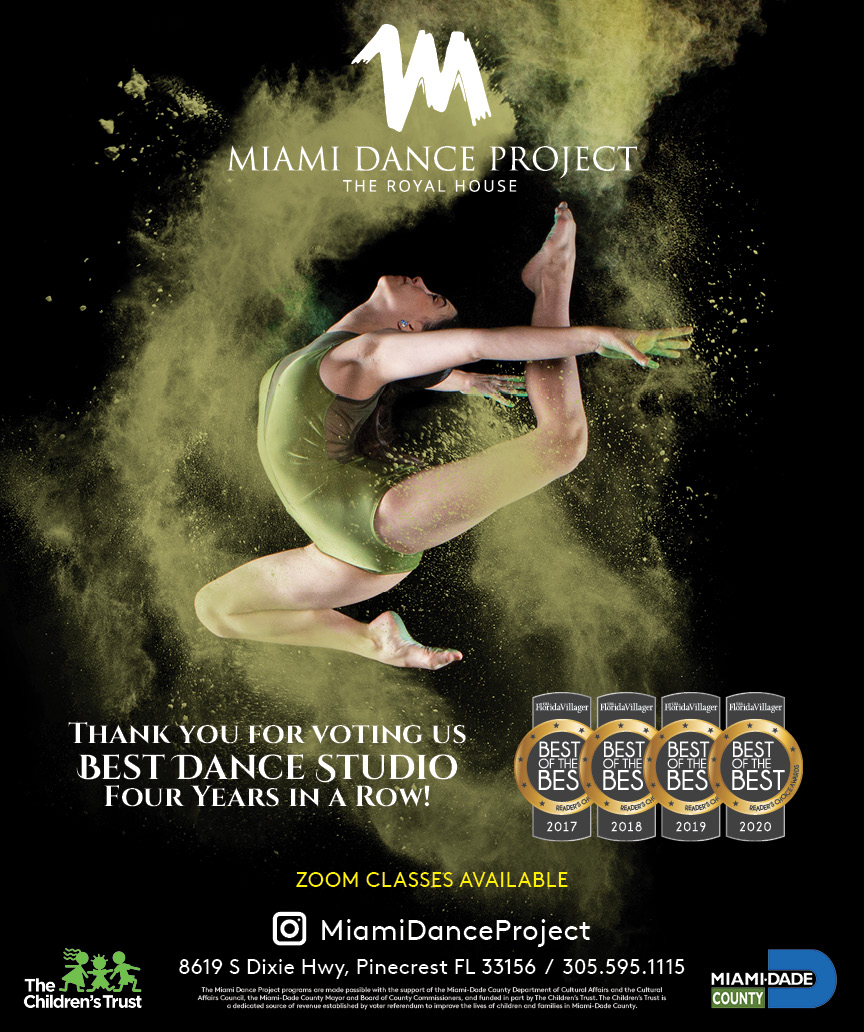
 Rubinstein Family Chiropractic
 Indigo Republic

 Safes Universe
 Vintage Liquors
 Evenings Delight



 Atchana’s Homegrown Thai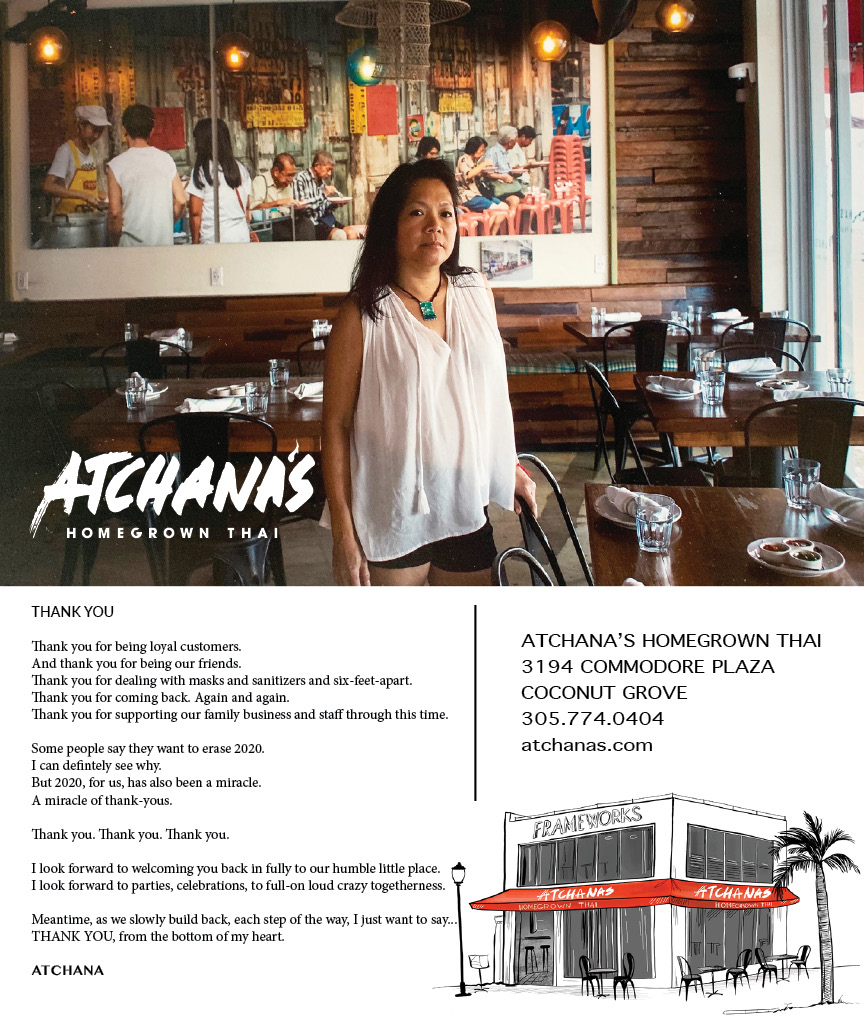
 Baptist Health South Florida

 Laser Eye Center of Miami
 Visiting Angels
 OpusCare of South Florida


 Your Pet’s Best

 HD Tree Services
 Hamilton Fox & Company

 Creative Design Services