
Estate planning is one of the most practical ways to protect your legacy after you’re gone, but initiating this conversation with your family can feel daunting. It’s delicate and emotional. Still, discussing an estate plan sooner rather than later prevents confusion and eases potential conflicts down the road. Open communication is essential to share your intentions and prepare your family for challenges that may arise.
Timing Is Everything
Knowing when to talk about your estate plan matters as much as what to say. Significant life events, such as retirement, the arrival of grandchildren, or health changes, can provide natural and timely opportunities. You can introduce the topic in a way that feels relevant rather than abrupt. The right timing prevents uncomfortable surprises and gives your family the chance to understand and support your decisions.
Choose the Right Setting
Where and how you approach talking to your family about your estate plan affects the tone of the discussion. Talk in private, calm settings, like a family dinner or a one-on-one conversation. Creating a respectful environment encourages openness and minimizes tension. Allow space for questions, and be clear that this discussion is about transparency, not control.
What To Share
Determine how much you’ll share during the conversation. Explain the existence of your estate plan, outline key roles such as executor or trustee, and discuss your general goals. The amount of details you divulge may depend on family dynamics and sensitivities. Keeping the dialogue flexible will help you gauge how much information your loved ones can handle.
Handling Reactions
Estate planning conversations often stir up mixed emotions. Some family members might express gratitude or relief, while others may feel anxious or resistant. These responses are common. Listening carefully to concerns and addressing them calmly strengthens trust and reminds your family that this process is as much about their peace of mind as it is yours.
Why This Matters for the Next Generation
Opening the discussion about your estate plan reduces potential confusion for your loved ones in the future. When family members understand your wishes, they’re obliged to honor them. Clear conversations keep your legacy intact while protecting the broader interests of future generations.
In fact, estate planning can protect your child’s future by creating a framework that shields their inheritance, supports their well-being, and minimizes legal complications down the line.
Tips for a Successful Discussion
Stay clear and direct to make your points accessible. Avoid complex legal jargon, and simplify concepts when possible. Revisiting the conversation periodically can reinforce your intentions and provide opportunities to clarify misunderstandings. Talking to your family about your estate plan should feel like a collaboration, not a one-off discussion.
By starting the conversation, you offer your family an invaluable gift of preparation and clarity. If needed, consider involving a legal professional to guide the intricacies and ensure your estate plan aligns with your goals.








 Deering Estate
 Massage Envy South Miami
 Calla Blow Dry
 My Derma Clinic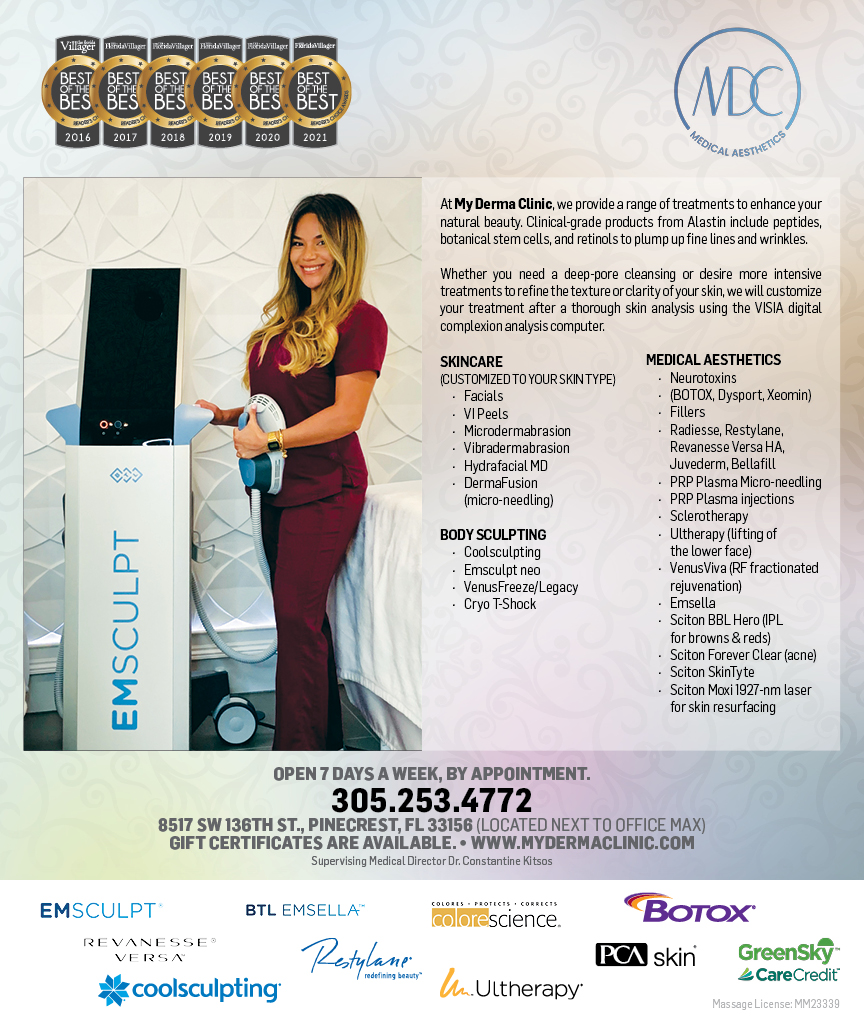
 Sports Grill
 The Healthy Kitchen
 Sushi Maki
 Golden Rule Seafood
 Malanga Cuban Café


 Kathleen Ballard
 Panter, Panter & Sampedro
 Vintage Liquors
 The Dog from Ipanema
 Rubinstein Family Chiropractic
 Your Pet’s Best
 Indigo Republic
 Animal Health and Rehab
 Maurice’s Jewelers
 ATR Luxury Homes


 2112 Design Studio
 Hamilton Fox & Company
 Creative Design Services
 Best Pest Professionals
 HD Tree Services
 Trinity Air Conditioning Company
 Cisca Construction & Development
 Mosquito Joe
 Cutler Bay Solar Solutions


 Miami Royal Ballet & Dance
 Christopher Columbus
 Pineview Preschools
 Westminster
 Carrollton
 Lil’ Jungle
 Frost Science Museum
 Palmer Trinity School
 South Florida Music
 Pinecrest Orthodontics
 Dr. Bob Pediatric Dentist
 d.pediatrics


 South Miami Women’s Health
 Endodontix Dental Group
 The Spot Barbershop
 My Derma Clinic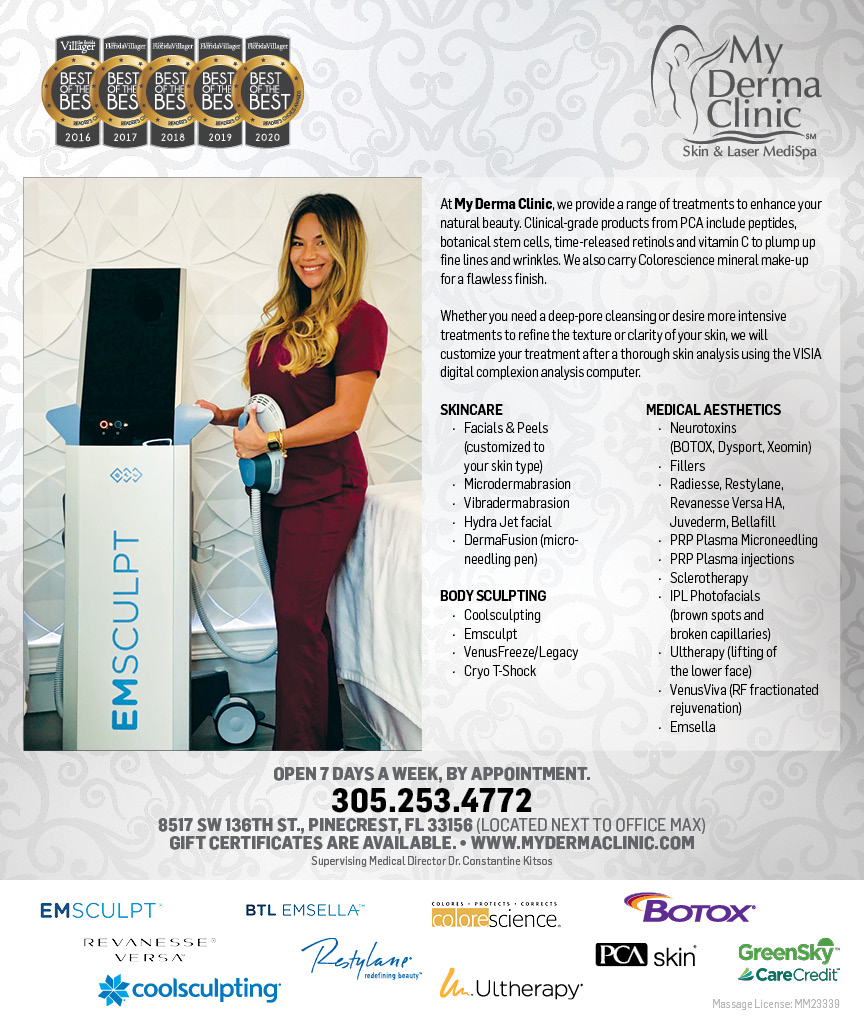




 Miami Dance Project

 Rubinstein Family Chiropractic
 Indigo Republic

 Safes Universe
 Vintage Liquors
 Evenings Delight





 Atchana’s Homegrown Thai
 Baptist Health South Florida

 Laser Eye Center of Miami
 Visiting Angels
 OpusCare of South Florida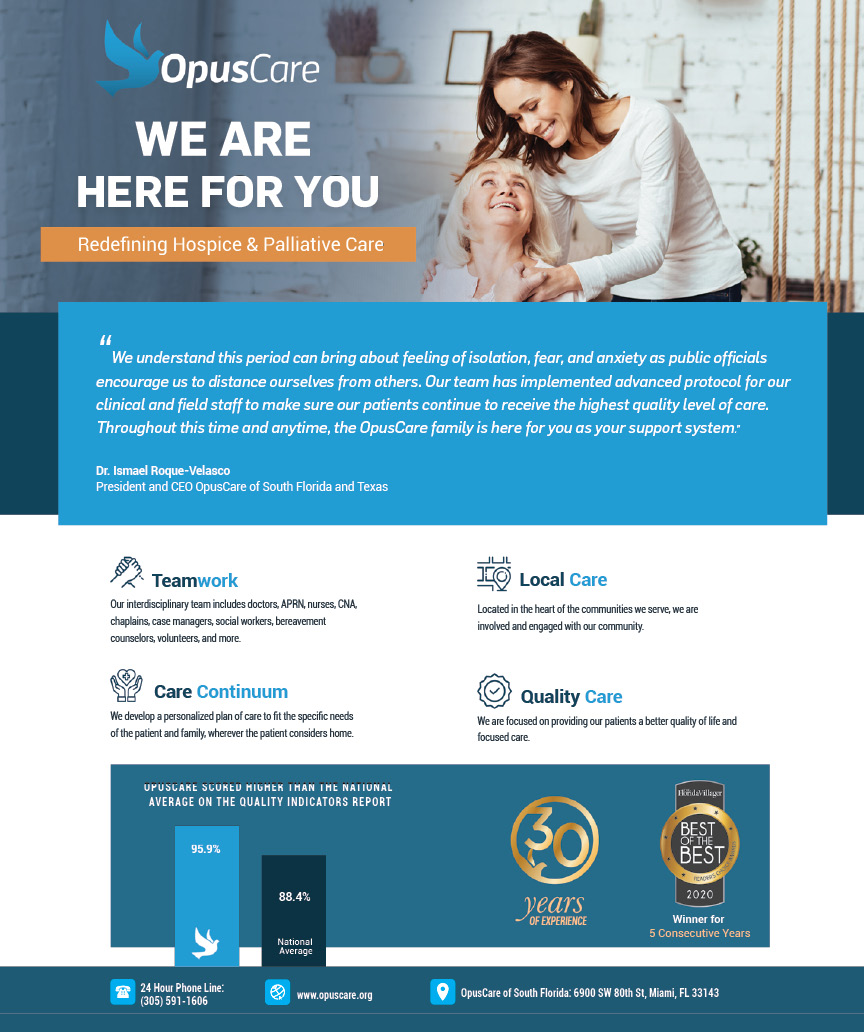



 Your Pet’s Best

 HD Tree Services
 Hamilton Fox & Company

 Creative Design Services