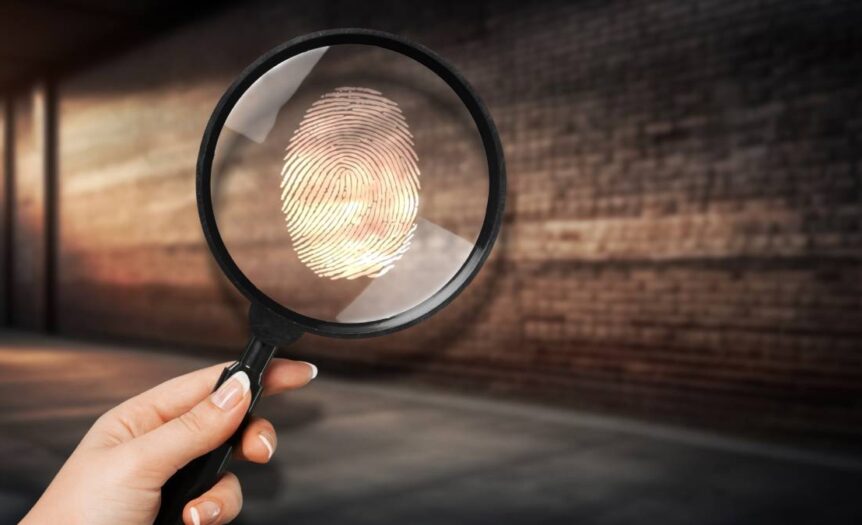
Biological evidence plays a crucial role in forensic science and crime scene investigations. It provides critical information that can link suspects to victims or crime scenes, establish timelines, and provide insights into the nature of the crime. Keep reading to learn what qualifies as biological evidence in crime scenes.
Definition and Types of Biological Evidence
Biological evidence encompasses any organic material that comes from a living organism and can be used to support the investigation of a crime. This includes the following:
- Blood
- Saliva
- Hair
- Skin cells
- Other bodily fluids or tissues
Blood and saliva are perhaps the most familiar, often collected from surfaces, objects, or stains left at crime scenes. Hair and skin cells are also common, sometimes recovered from clothing, bedding, or under a victim’s nails. Seminal fluid and vaginal secretions are also common pieces of evidence that can be crucial in sexual assault cases.
Overall, each piece of evidence contains unique genetic markers that can identify an individual—whether victim or perp—with a high degree of certainty.
How Biological Evidence Is Collected
Collecting biological evidence involves meticulous procedures to prevent contamination and preserve the integrity of the sample. First and foremost, crime scene investigators employ protective clothing, gloves, and masks to avoid introducing their own DNA into the scene.
Next, these professionals use tools like cotton swabs, tweezers, and biopsy devices to gather samples. These tools are usually disposable to reduce the risk of contamination. For example, disposable biopsy punches have many applications, and forensics is one for this very reason.
Finally, each piece of evidence is preserved in sterile, clearly marked containers before being sent to a laboratory for analysis.
The Role of DNA Analysis
So what happens once biological evidence leaves the crime scene? DNA analysis is one of the most powerful tools in forensic science, providing definitive answers about what qualifies as biological evidence in crime scenes. Techniques like polymerase chain reaction (PCR) amplify DNA samples, making it possible to analyze even minuscule amounts of biological material. The resulting DNA profiles can match suspects to crime scenes with a high degree of accuracy, often leading to convictions or exonerations.
Did you have any idea about what qualifies as biological evidence in crime scenes? Now that you do, you have a greater appreciation for its collection and analysis and how forensic science can provide invaluable assistance in solving crimes and delivering justice.








 Deering Estate
 Massage Envy South Miami
 Calla Blow Dry
 My Derma Clinic
 Sports Grill
 The Healthy Kitchen
 Sushi Maki
 Golden Rule Seafood
 Malanga Cuban Café


 Kathleen Ballard
 Panter, Panter & Sampedro
 Vintage Liquors
 The Dog from Ipanema
 Rubinstein Family Chiropractic
 Your Pet’s Best
 Indigo Republic
 Animal Health and Rehab
 Maurice’s Jewelers
 ATR Luxury Homes

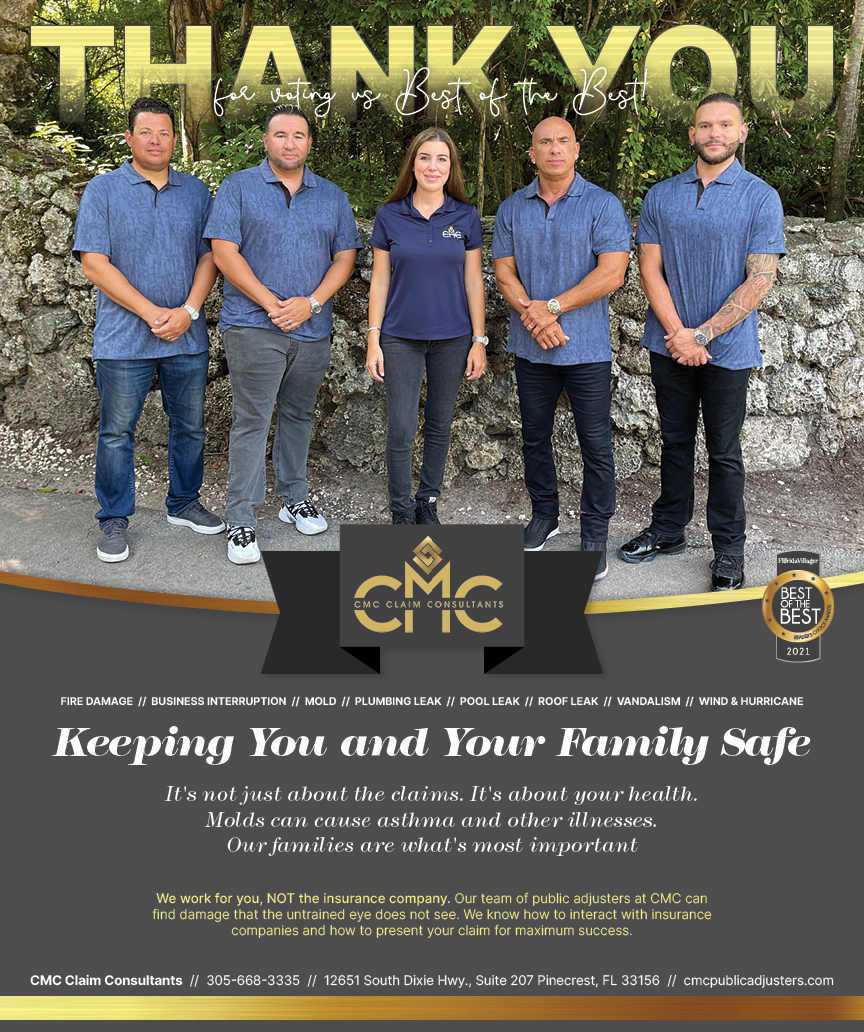
 2112 Design Studio
 Hamilton Fox & Company
 Creative Design Services
 Best Pest Professionals
 HD Tree Services
 Trinity Air Conditioning Company
 Cisca Construction & Development
 Mosquito Joe
 Cutler Bay Solar Solutions


 Miami Royal Ballet & Dance
 Christopher Columbus
 Pineview Preschools
 Westminster
 Carrollton
 Lil’ Jungle
 Frost Science Museum
 Palmer Trinity School
 South Florida Music
 Pinecrest Orthodontics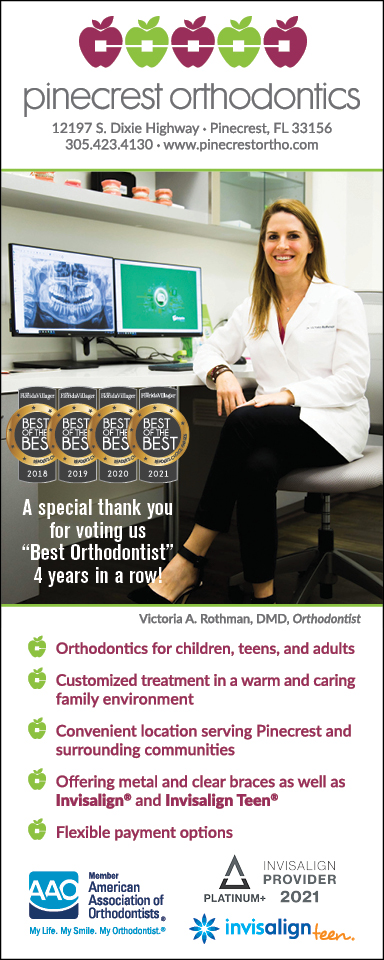
 Dr. Bob Pediatric Dentist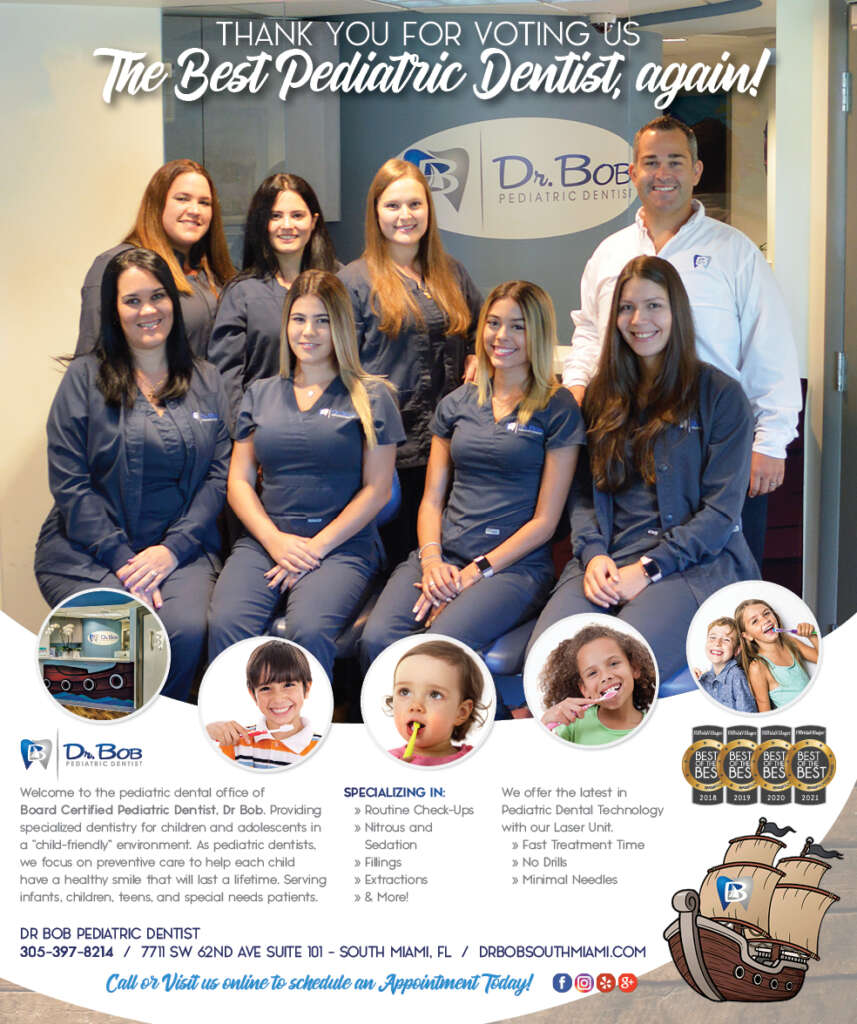
 d.pediatrics


 South Miami Women’s Health
 Endodontix Dental Group
 The Spot Barbershop
 My Derma Clinic



 Miami Dance Project
 Rubinstein Family Chiropractic
 Indigo Republic

 Safes Universe
 Vintage Liquors
 Evenings Delight





 Atchana’s Homegrown Thai
 Baptist Health South Florida

 Laser Eye Center of Miami
 Visiting Angels
 OpusCare of South Florida



 Your Pet’s Best

 HD Tree Services
 Hamilton Fox & Company

 Creative Design Services