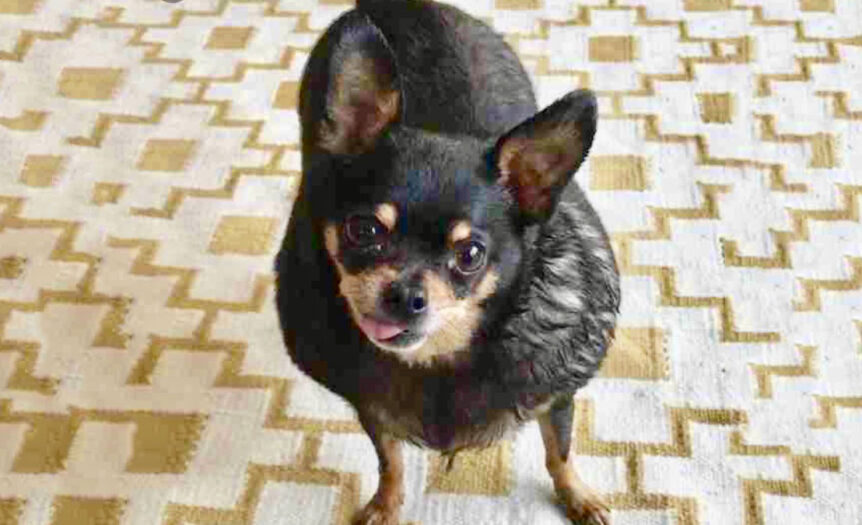
Let’s face it, after a whole season of celebrating with family and friends and indulging in special meals and desserts, most us of gain some weight. Our New Year’s resolutions usually include eating healthier and exercising. As we share our daily lives and celebrations more and more with our pets, we’re also sharing the consequences. The weight gain in dogs, however, is for different reasons: They get walked less often, since their owners are busier entertaining friends and family; or they are left boarding in a kennel with limited exercise while the family is out of town; or they steal delicious leftovers from the garbage. Most pet owners laugh when the vet announces that their dog has gained a couple of pounds, since this is about the average weight that their owners have also gained during the holidays. Humorous as it might be, a couple of extra pounds on a human is not the same as a couple of extra pounds on a dog: A Chihuahua that has gained two extra pounds would have increased its body weight by at least 25%. In human terms, this would be like a woman that weighs 140 pounds gaining 35 pounds during the holidays. For this reason, it is critical for dogs to lose those extra pounds.
Excess weight will create mobility problems, will decrease energy and endurance, and can lead to diabetes, cardiac disease and many other serious medical conditions. Studies have shown that obesity will shorten a dog’s life span by about two years. With all this in mind, let’s go over the most important steps to help your dog lose that extra weight in the new year.
- Provide daily leash walks. To start burning calories, make sure your dog engages in constant low-impact cardio exercise for at least 15 minutes daily. It is ideal, then, to walk your dog 15 to 30 minutes twice a day.
- Feed the amount of calories recommended for the dog’s ideal weight. Read the dog food manufacturer’s label. It advises the recommended amount of food for each particular ideal weight. Use this as a starting guideline.
- Divide the total daily amount of food in two or three meals a day. This will prevent your dog’s metabolism from slowing down.
- Avoid high-calorie treats. If you must offer treats, consider healthy ones: pieces of fruits (except grapes) or vegetables. The most popular among dogs are watermelon, banana, green beans and baby carrots.
- For dogs that eat too fast, slow down the eating process and help them enjoy the meal and feel full by using a compartment dish. There are many options on the market.
As we start the new year with healthy goals for ourselves, let’s share those goals with our pets, too. In the end, your dog might become the best weight loss/exercise partner you ever had.




 Deering Estate
 Massage Envy South Miami
 Calla Blow Dry
 My Derma Clinic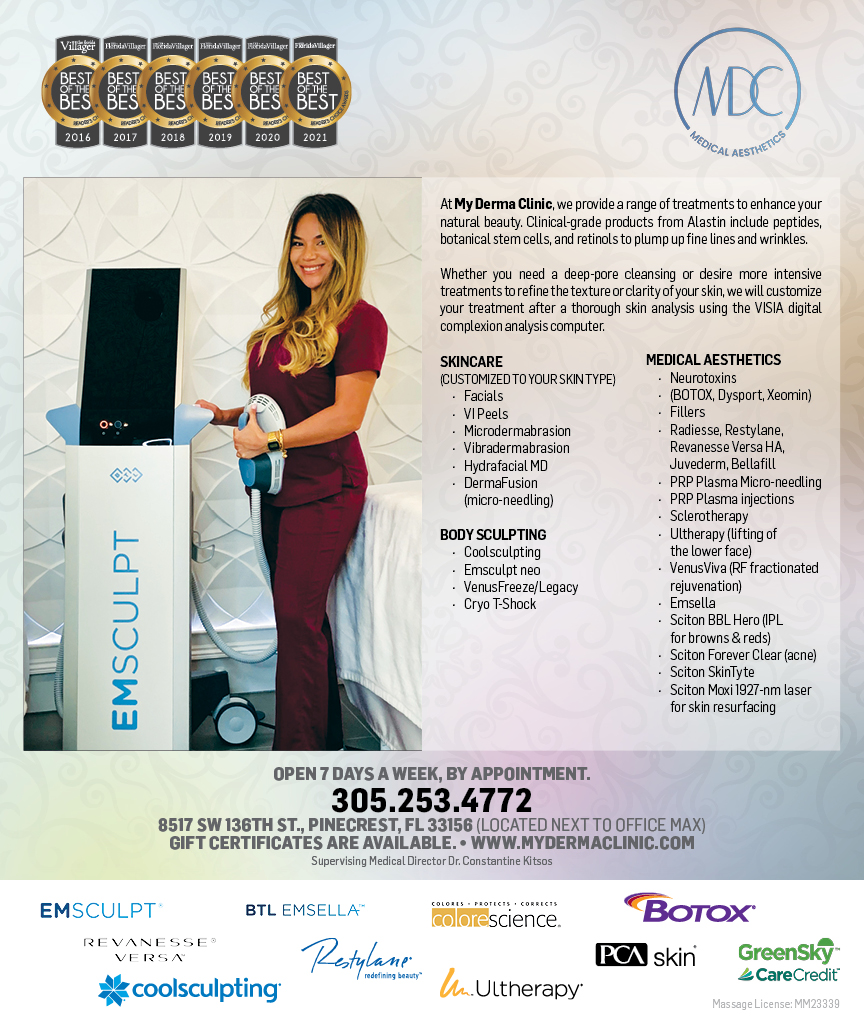
 Sports Grill
 The Healthy Kitchen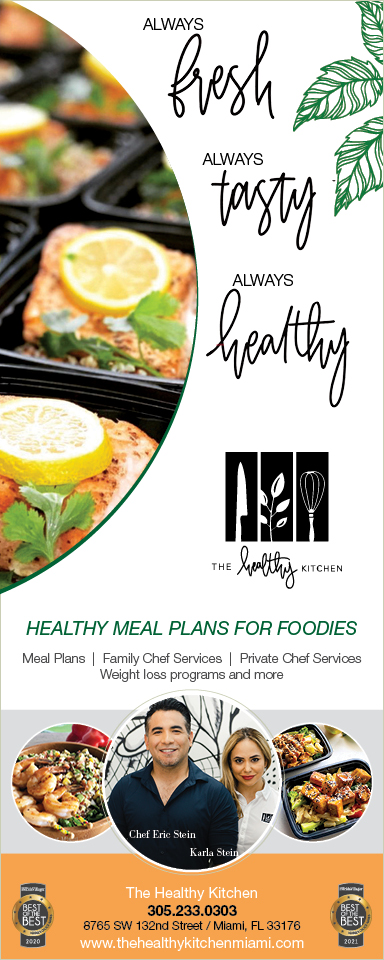
 Sushi Maki
 Golden Rule Seafood
 Malanga Cuban Café


 Kathleen Ballard
 Panter, Panter & Sampedro
 Vintage Liquors
 The Dog from Ipanema
 Rubinstein Family Chiropractic
 Your Pet’s Best
 Indigo Republic
 Animal Health and Rehab
 Maurice’s Jewelers
 ATR Luxury Homes


 2112 Design Studio
 Hamilton Fox & Company
 Creative Design Services
 Best Pest Professionals
 HD Tree Services
 Trinity Air Conditioning Company
 Cisca Construction & Development
 Mosquito Joe
 Cutler Bay Solar Solutions


 Miami Royal Ballet & Dance
 Christopher Columbus
 Pineview Preschools
 Westminster
 Carrollton
 Lil’ Jungle
 Frost Science Museum
 Palmer Trinity School
 South Florida Music
 Pinecrest Orthodontics
 Dr. Bob Pediatric Dentist
 d.pediatrics


 South Miami Women’s Health
 Endodontix Dental Group
 The Spot Barbershop
 My Derma Clinic




 Miami Dance Project

 Rubinstein Family Chiropractic
 Indigo Republic
 Safes Universe
 Vintage Liquors
 Evenings Delight




 Atchana’s Homegrown Thai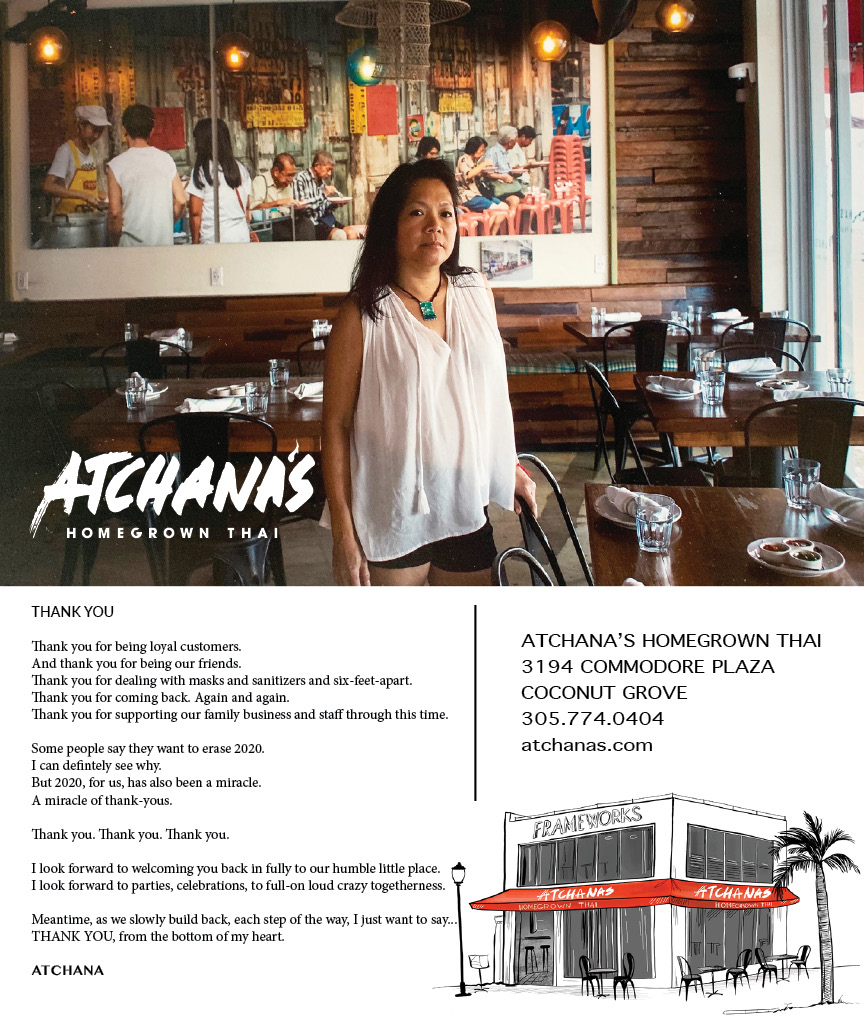
 Baptist Health South Florida

 Laser Eye Center of Miami
 Visiting Angels
 OpusCare of South Florida



 Your Pet’s Best

 HD Tree Services
 Hamilton Fox & Company

 Creative Design Services