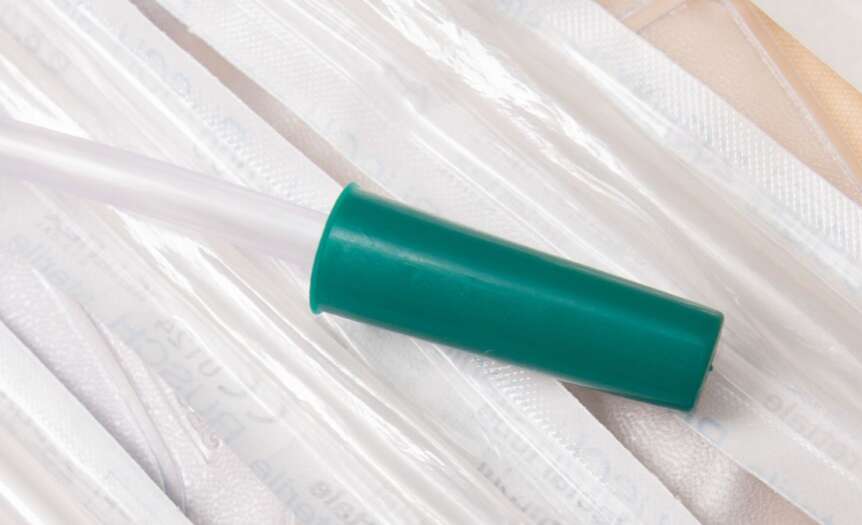
After finding out that you have urinary incontinence, many questions are likely buzzing around in your head. One of the most important ones you need to answer is, “Which type of incontinence product are you going to use?” Your primary options are incontinence briefs or catheters.
Obviously, your doctor will provide fantastic insight as to which option will work best for you, but it never hurts to have an idea of what both choices can offer you. Read on to review which urinary incontinence option is better for you: briefs or catheters.
The Types Available in Each Category
The first thing we should cover about each option is what kinds of briefs and catheters you have available to use. For briefs, you have two main options: openable incontinence briefs and pull-ups. Both have varying levels of padding for moisture absorption and differ in how you put them on.
Meanwhile, the different catheter types vary quite a bit. You must change intermittent catheters multiple times a day, but these devices are easy to put in and pull out. The indwelling variation is a bit more difficult to use. Fortunately, you won’t need to change it often. Finally, the external catheter is very easy to use. However, it isn’t as effective since it doesn’t go into your urethra.
The Difficulty of Changing Each Option
The next factor to consider is how difficult it will be to change either briefs or catheters. If you mostly stay at home, this factor won’t be as significant, but if you’re constantly on the go, this is a vital aspect to consider. In general, both regular and pull-up briefs can be difficult to change in public restrooms. However, pull-ups are possible to switch out of when needed.
Catheters are the better option when it comes to remaining mobile, especially the intermittent kind. Since these catheters are one-time-use items, you won’t have to attach a urine bag to your leg, making moving about much simpler.
Plus, if you go with the hydrophilic kind, things will get even easier. There’s a lot to understand about how hydrophilic catheters work, but the key thing to know is they’re pre-lubricated, making them faster to insert.
The Safety Level of Each Option
The final thing to consider when deciding whether briefs or catheters are the better option for your urinary incontinence is how safe each option is. In general, briefs tend to be the safer option. Catheters occasionally cause UTIs and other bladder issues since you must insert them into your urethra. However, it’s important to know that the likelihood of these issues happening is quite slim.
Unfortunately, briefs aren’t perfect, either. If you don’t change them often enough or don’t clean your skin thoroughly, you could develop certain skin irritations. In either scenario, proper hygiene is necessary, but many wearers find maintaining proper hygiene easier with briefs.








 Deering Estate
 Massage Envy South Miami
 Calla Blow Dry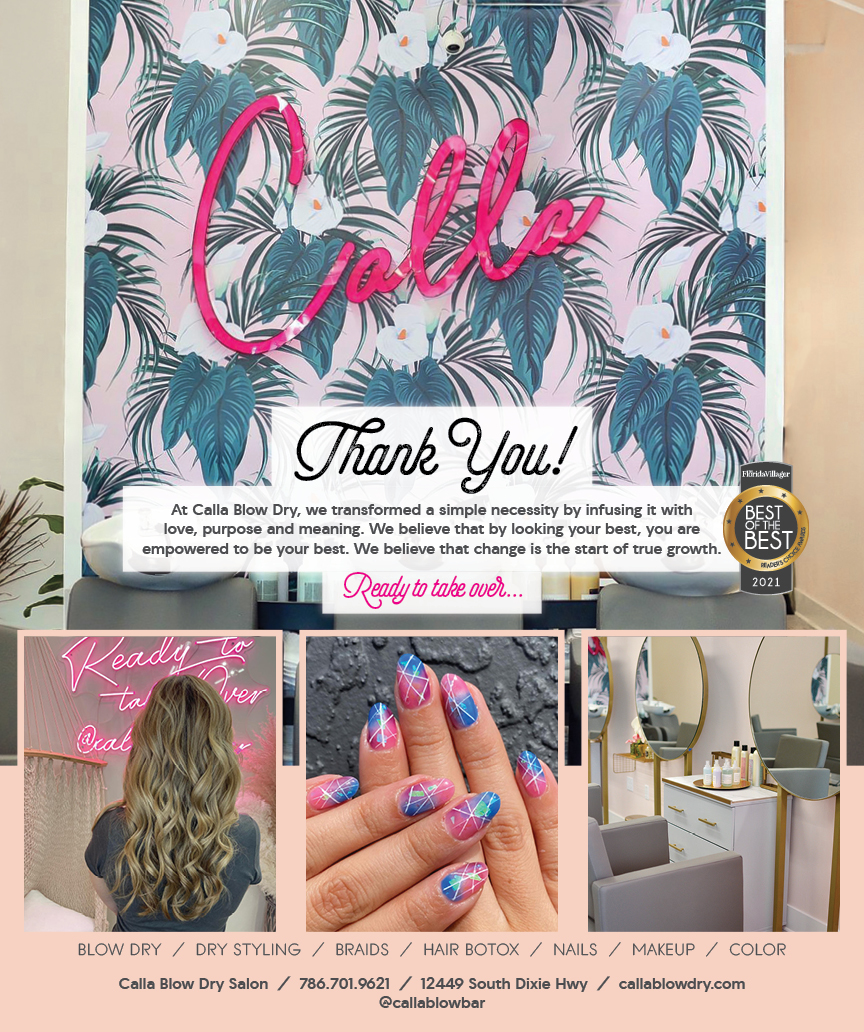
 My Derma Clinic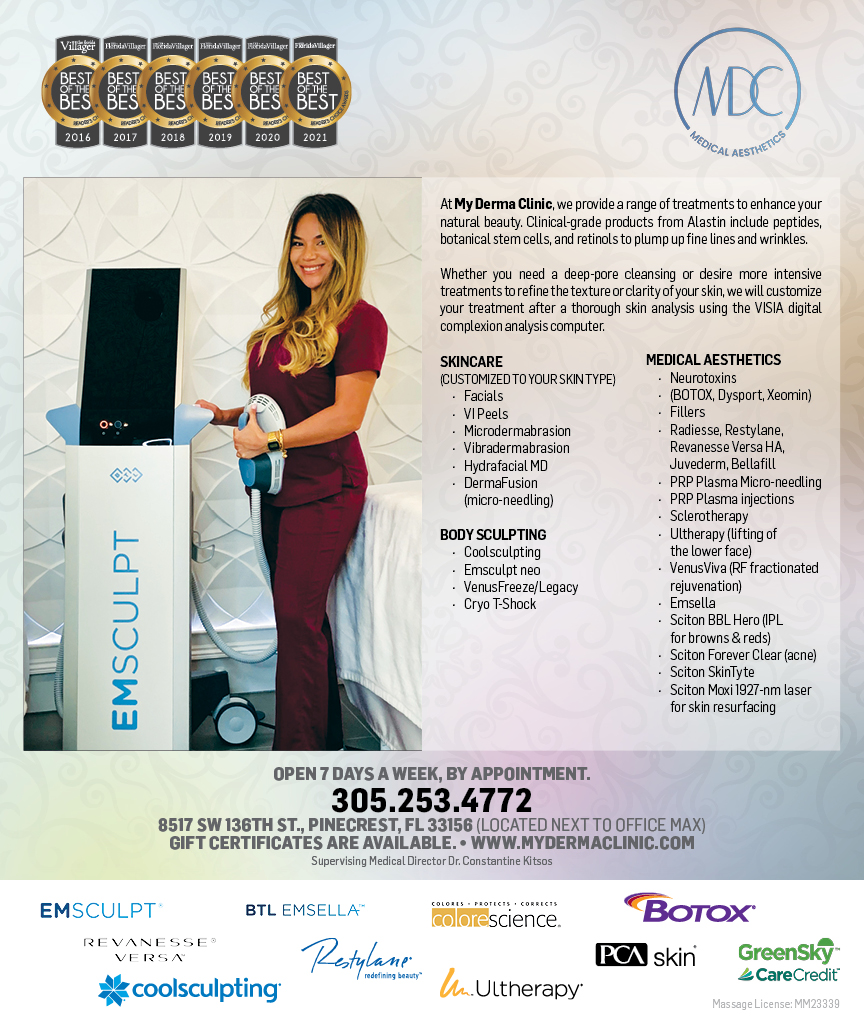
 Sports Grill
 The Healthy Kitchen
 Sushi Maki
 Golden Rule Seafood
 Malanga Cuban Café


 Kathleen Ballard
 Panter, Panter & Sampedro
 Vintage Liquors
 The Dog from Ipanema
 Rubinstein Family Chiropractic
 Your Pet’s Best
 Indigo Republic
 Animal Health and Rehab
 Maurice’s Jewelers
 ATR Luxury Homes


 2112 Design Studio
 Hamilton Fox & Company
 Creative Design Services
 Best Pest Professionals
 HD Tree Services
 Trinity Air Conditioning Company
 Cisca Construction & Development
 Mosquito Joe
 Cutler Bay Solar Solutions


 Miami Royal Ballet & Dance
 Christopher Columbus
 Pineview Preschools
 Westminster
 Carrollton
 Lil’ Jungle
 Frost Science Museum
 Palmer Trinity School
 South Florida Music
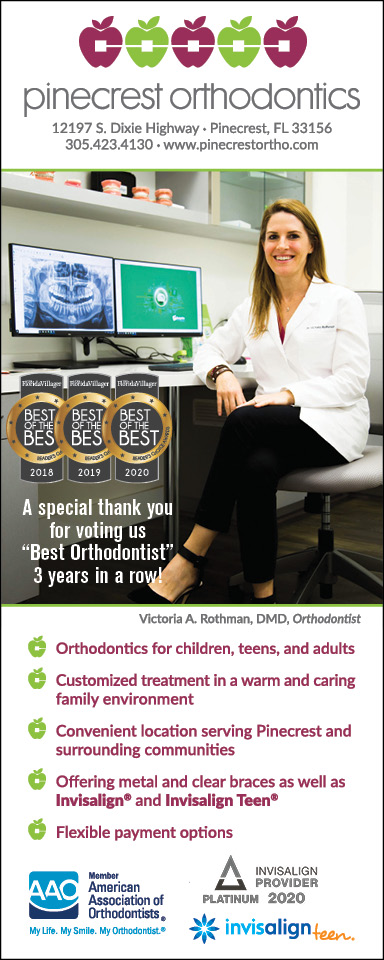
 Pinecrest Orthodontics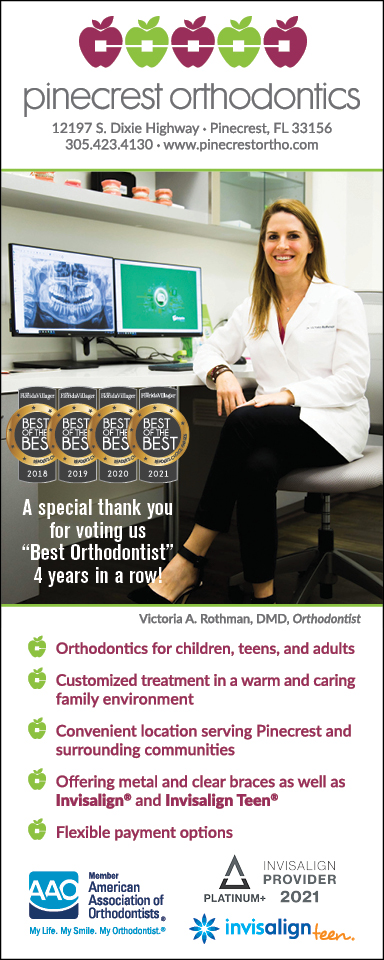
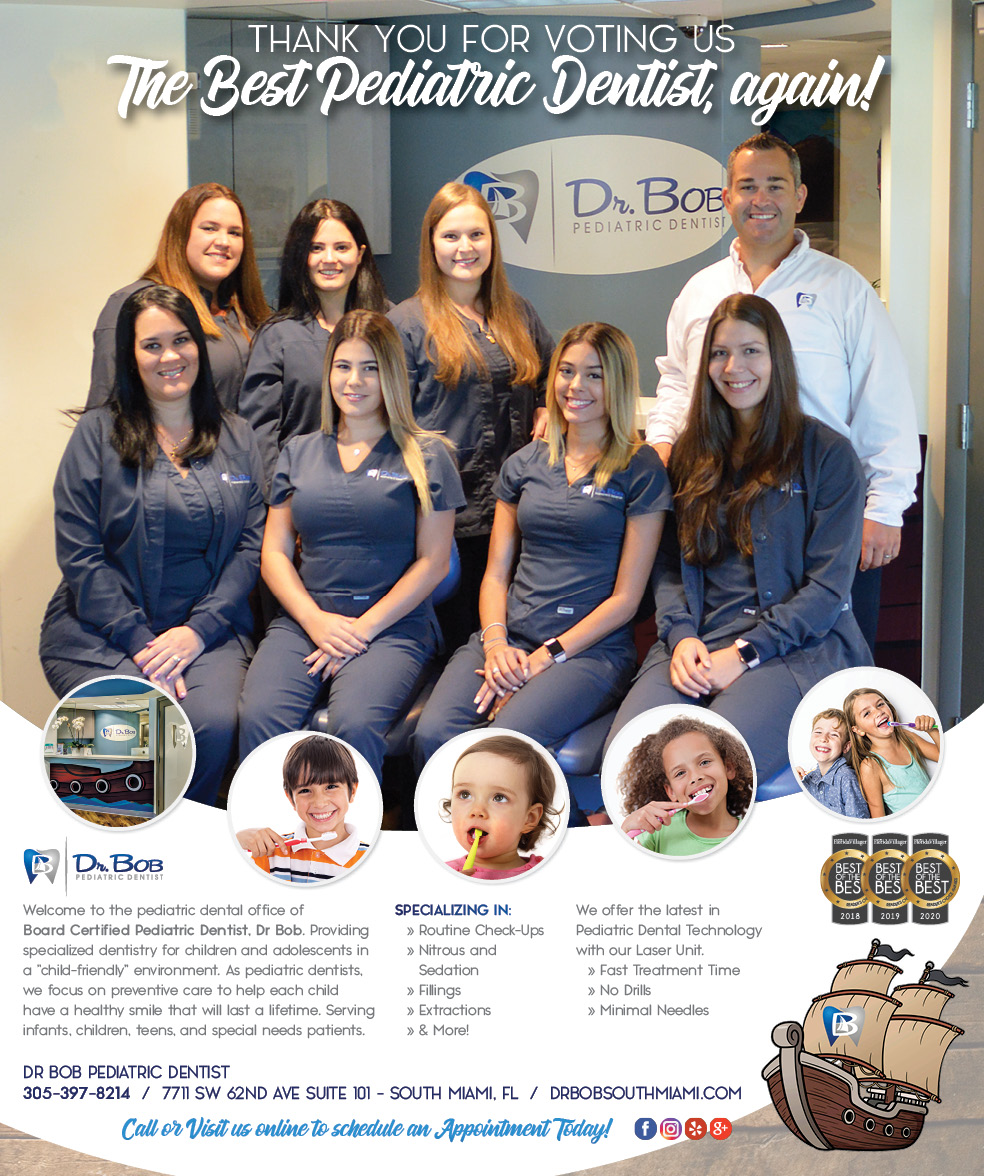
 Dr. Bob Pediatric Dentist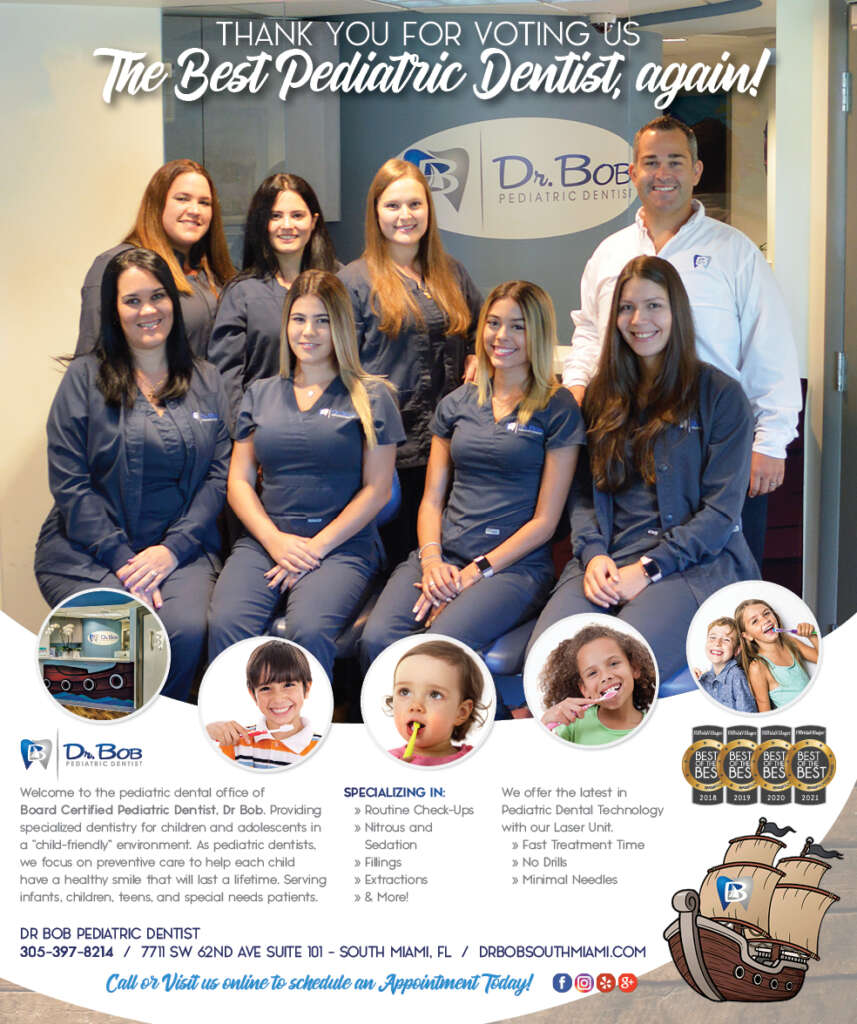
 d.pediatrics


 South Miami Women’s Health
 Endodontix Dental Group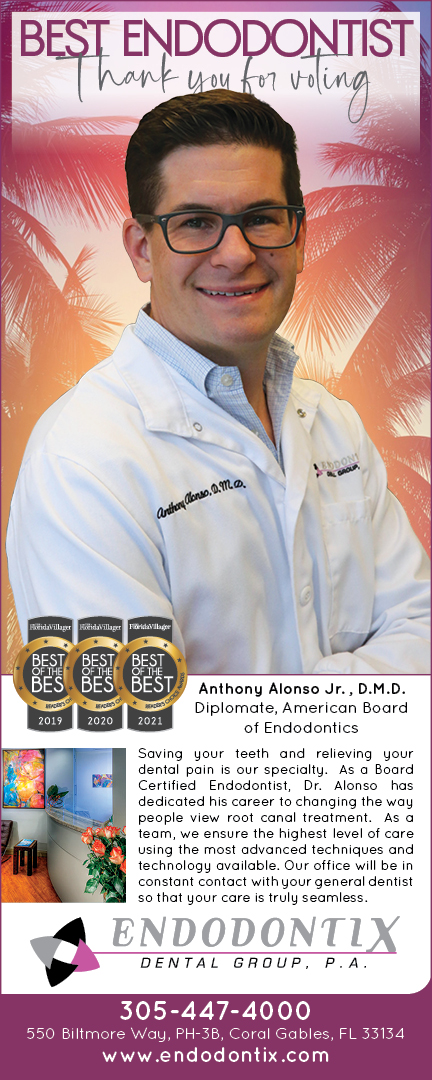
 The Spot Barbershop
 My Derma Clinic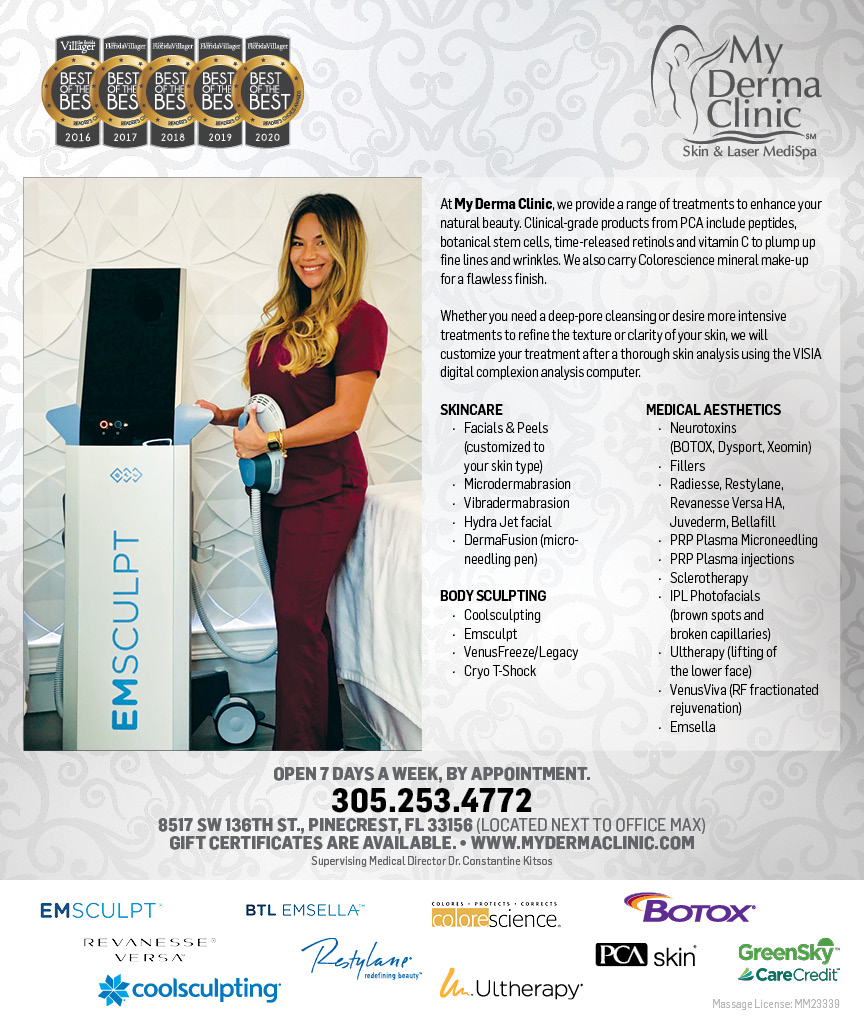



 Miami Dance Project
 Rubinstein Family Chiropractic
 Indigo Republic

 Safes Universe
 Vintage Liquors
 Evenings Delight





 Atchana’s Homegrown Thai
 Baptist Health South Florida

 Laser Eye Center of Miami
 Visiting Angels
 OpusCare of South Florida



 Your Pet’s Best

 HD Tree Services
 Hamilton Fox & Company

 Creative Design Services