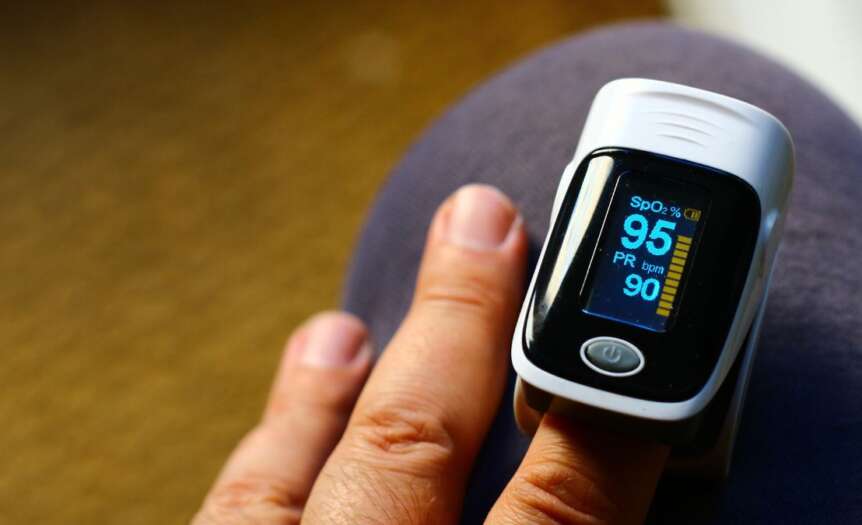
For many people, the standard first aid kit includes bandages, gauze, an alcohol swab or two, and that’s it. While those supplies work great in a minor emergency like a cut from a fall, they won’t help much if someone needs more serious medical attention. You should always seek out a professional for serious injuries, but being able to provide extra information on someone’s medical status, such as their blood oxygen level, can help. A pulse oximeter reads blood oxygen levels and is a great tool to have on hand in an emergency. Keep reading to learn why you should keep a pulse oximeter in your home.
Watch Blood Oxygen Levels
This is the obvious reasons to keep a pulse oximeter in your home. If someone in your household has lung or heart problems, then watching their blood oxygen levels is an important part of daily life. If the blood oxygen level reaches dangerous levels, then you’ll know that this person needs medical attention.
But what about people without lung or heart problems? Even then, it’s a good idea to have a pulse oximeter around. There are various illnesses and viruses that can cause breathing problems, like pneumonia and COVID-19, so having a way to check blood oxygen levels when someone is sick will help you determine next steps. And if you have any visitors with heart or lung problems who want to check their levels, you can quickly pull out this handy device to put their mind at rest.
Ideal Blood Oxygen Levels
There’s a lot you need to know about blood oxygen levels and saturation when reading a pulse oximeter. Healthy people should have a blood oxygen level of 95–97 percent. However, pulse oximeters aren’t always accurate and can be up to 4 percent off. That means if a healthy person is breathing normally and their blood oxygen is within 4 percent of a normal range, then you don’t need to worry unless they’re having other symptoms.
Symptoms of Low Blood Oxygen
Now that you know what blood oxygen levels should be, you need to know the symptoms to look out for in case something’s wrong. This will tell you when to pull out your pulse oximeter and check the person in question. Low blood oxygen, also called hypoxemia, often shows itself in breathing difficulties like shortness of breath, headaches, and a bluish color in the skin. When checking someone for bluish skin, watch around the eyes, lips, and nails, as it’s easier to spot color changes in these areas, especially in people of color.
You should keep a pulse oximeter in your home so you can keep monitor blood oxygen levels, whether the person has a preexisting condition or is sick with an illness that affects their breathing. Knowing what blood oxygen levels should be and the symptoms of low blood oxygen go hand-in-hand with keeping a pulse oximeter in your home. If you’re going to own this device, you need to know how to properly use it and when.








 Deering Estate
 Massage Envy South Miami
 Calla Blow Dry
 My Derma Clinic
 Sports Grill
 The Healthy Kitchen
 Sushi Maki
 Golden Rule Seafood
 Malanga Cuban Café


 Kathleen Ballard
 Panter, Panter & Sampedro
 Vintage Liquors
 The Dog from Ipanema
 Rubinstein Family Chiropractic
 Your Pet’s Best
 Indigo Republic
 Animal Health and Rehab
 Maurice’s Jewelers
 ATR Luxury Homes

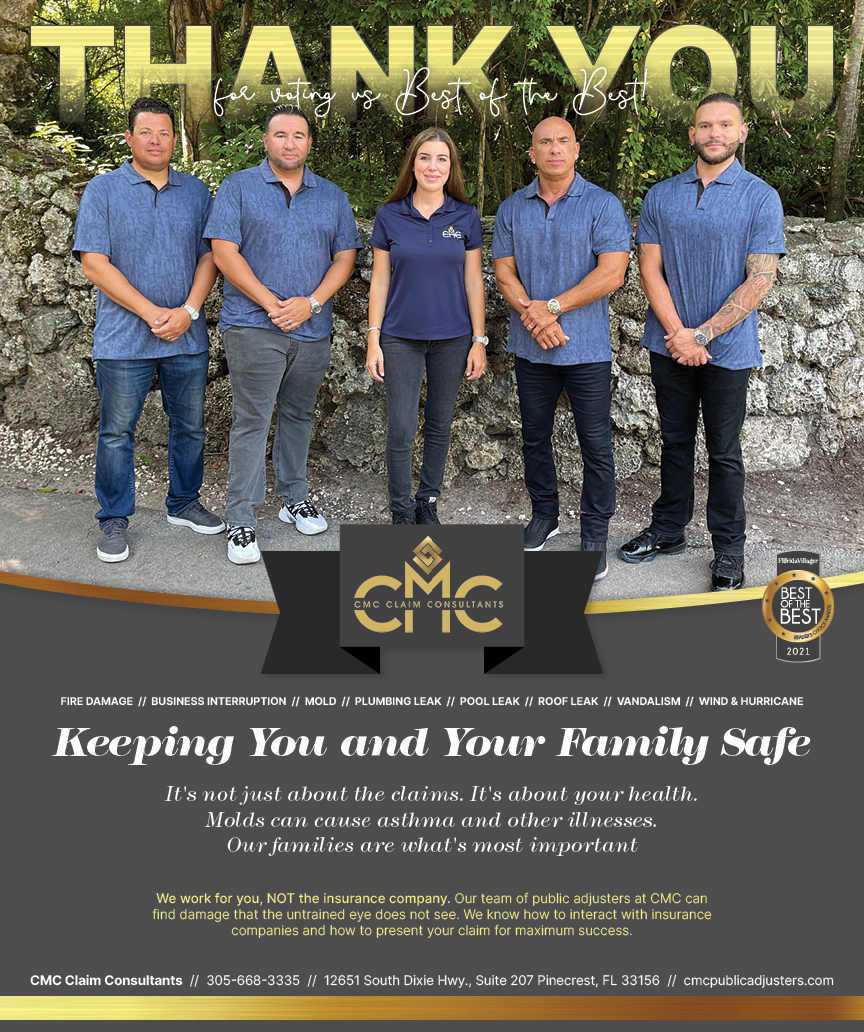
 2112 Design Studio
 Hamilton Fox & Company
 Creative Design Services
 Best Pest Professionals
 HD Tree Services
 Trinity Air Conditioning Company
 Cisca Construction & Development
 Mosquito Joe
 Cutler Bay Solar Solutions


 Miami Royal Ballet & Dance
 Christopher Columbus
 Pineview Preschools
 Westminster
 Carrollton
 Lil’ Jungle
 Frost Science Museum
 Palmer Trinity School
 South Florida Music
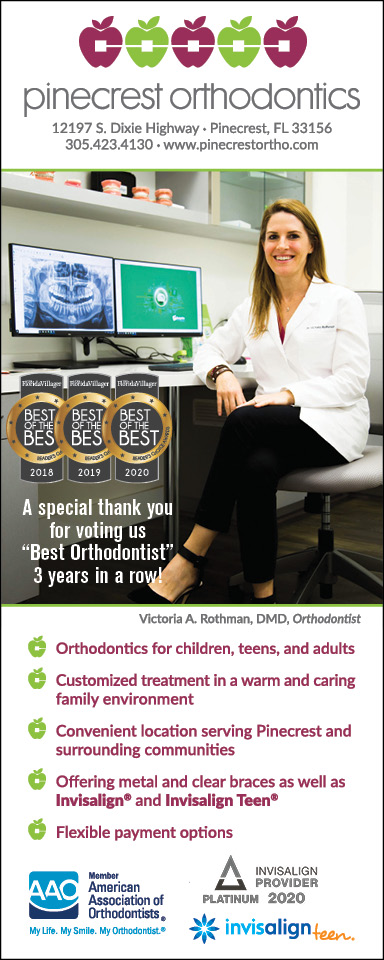
 Pinecrest Orthodontics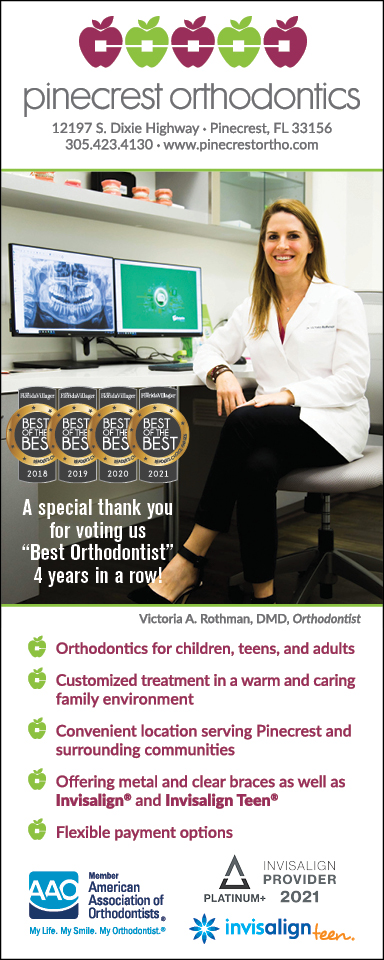
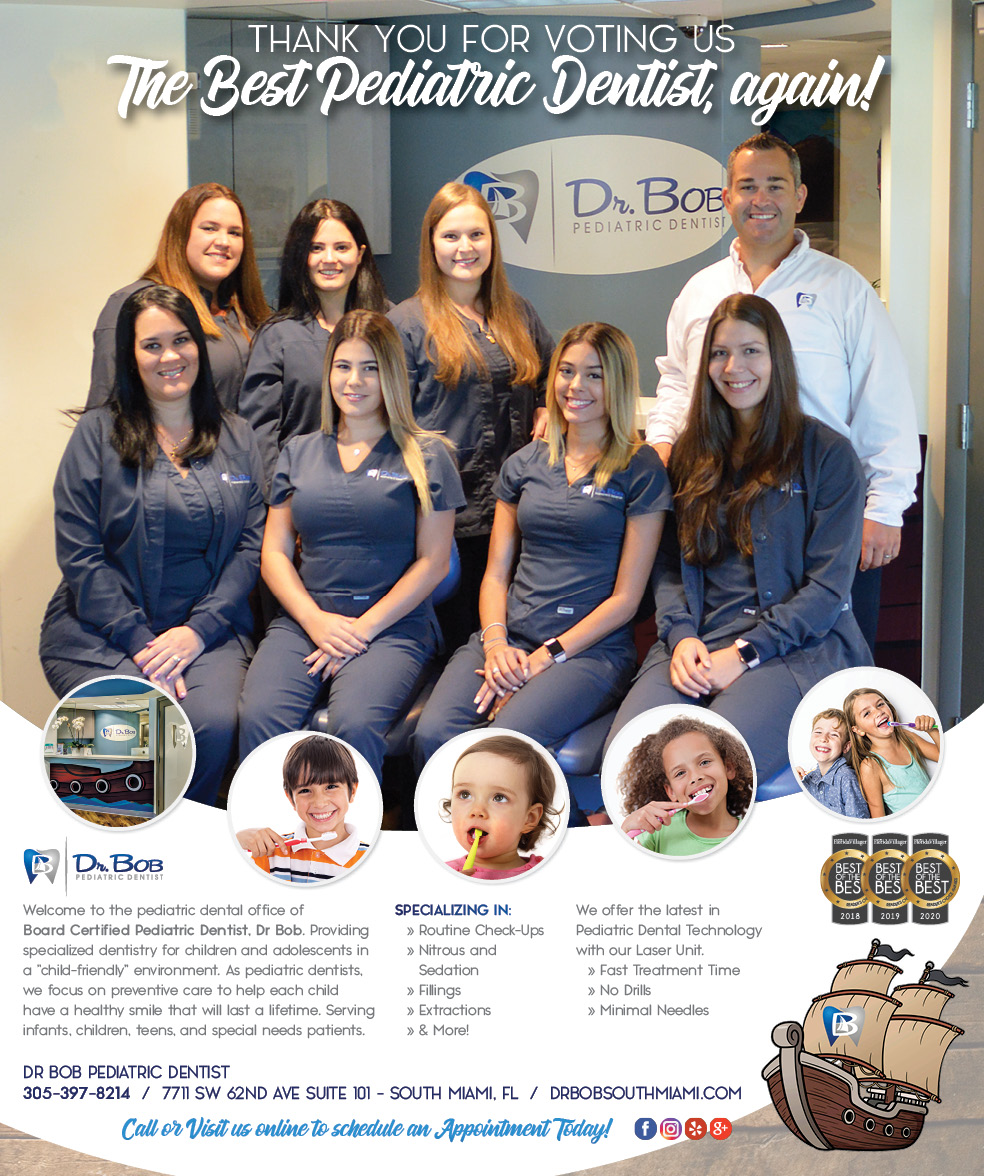
 Dr. Bob Pediatric Dentist
 d.pediatrics

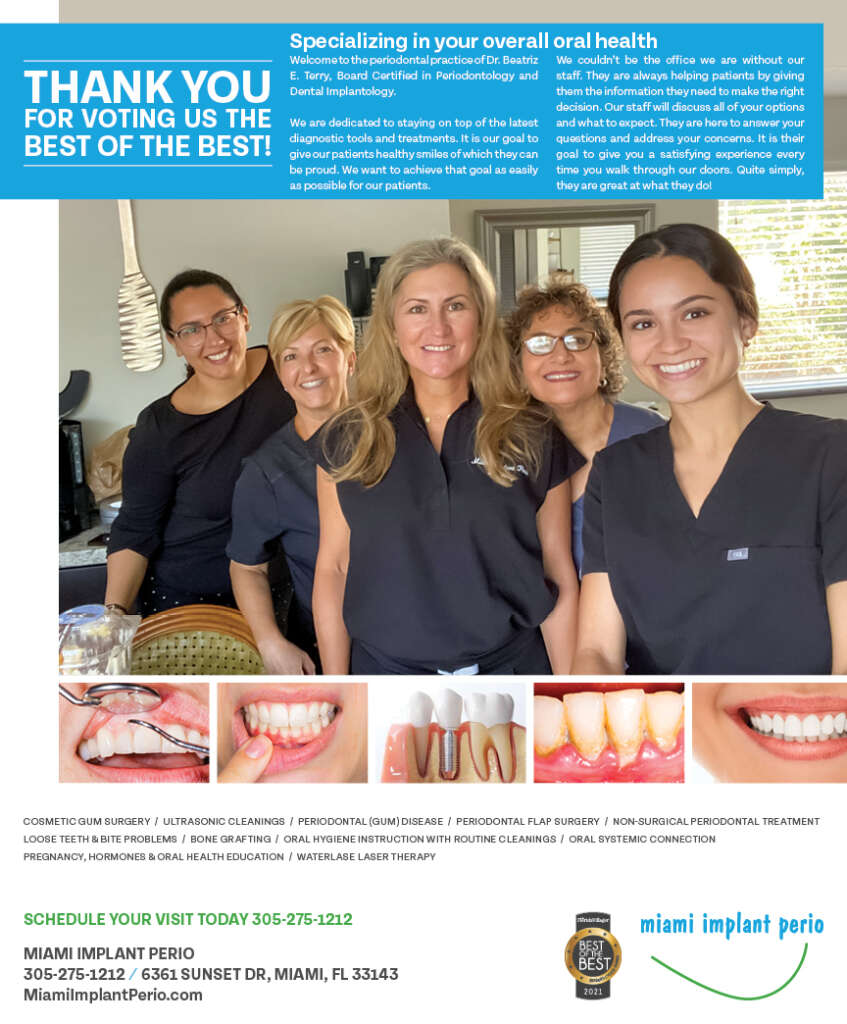
 South Miami Women’s Health
 Endodontix Dental Group
 The Spot Barbershop
 My Derma Clinic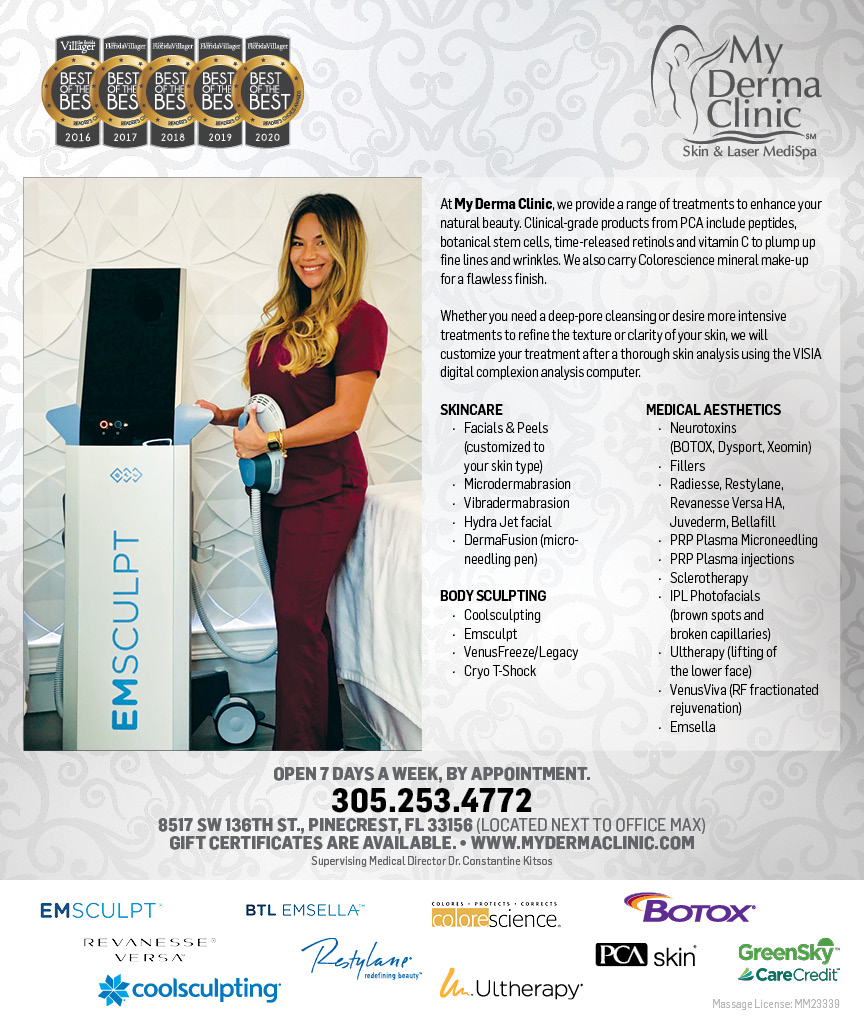



 Miami Dance Project
 Rubinstein Family Chiropractic
 Indigo Republic

 Safes Universe
 Vintage Liquors
 Evenings Delight





 Atchana’s Homegrown Thai
 Baptist Health South Florida

 Laser Eye Center of Miami
 Visiting Angels
 OpusCare of South Florida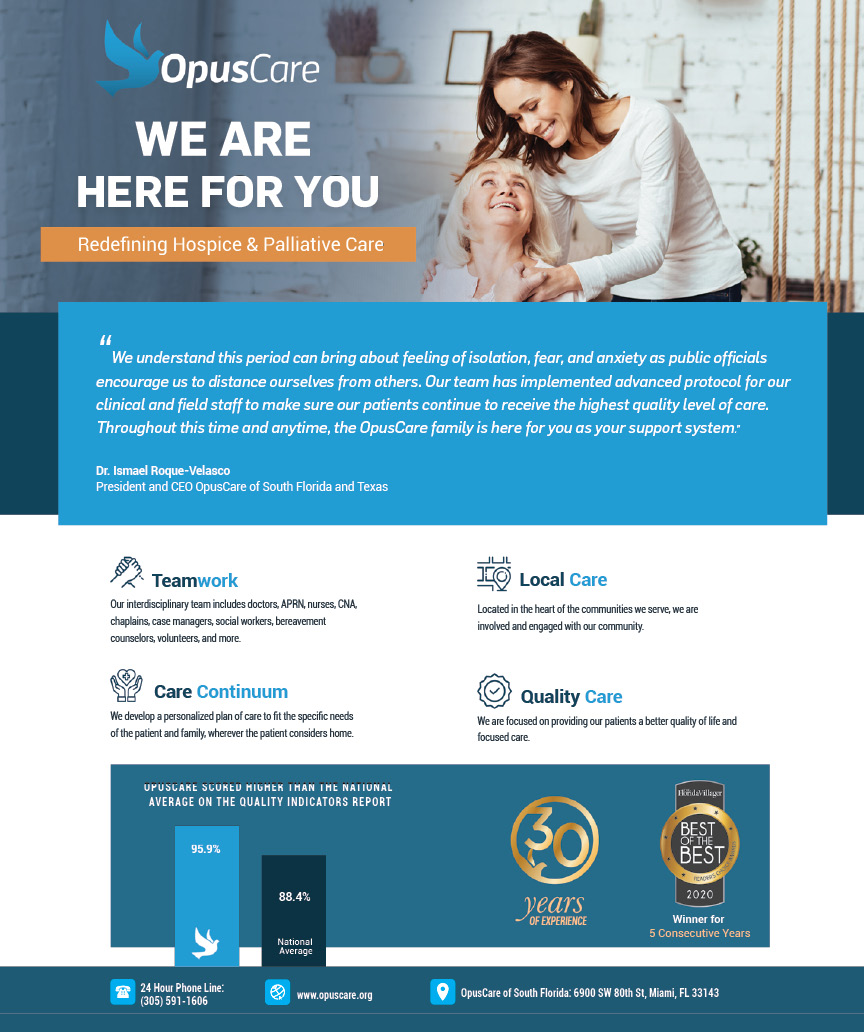



 Your Pet’s Best

 HD Tree Services
 Hamilton Fox & Company

 Creative Design Services