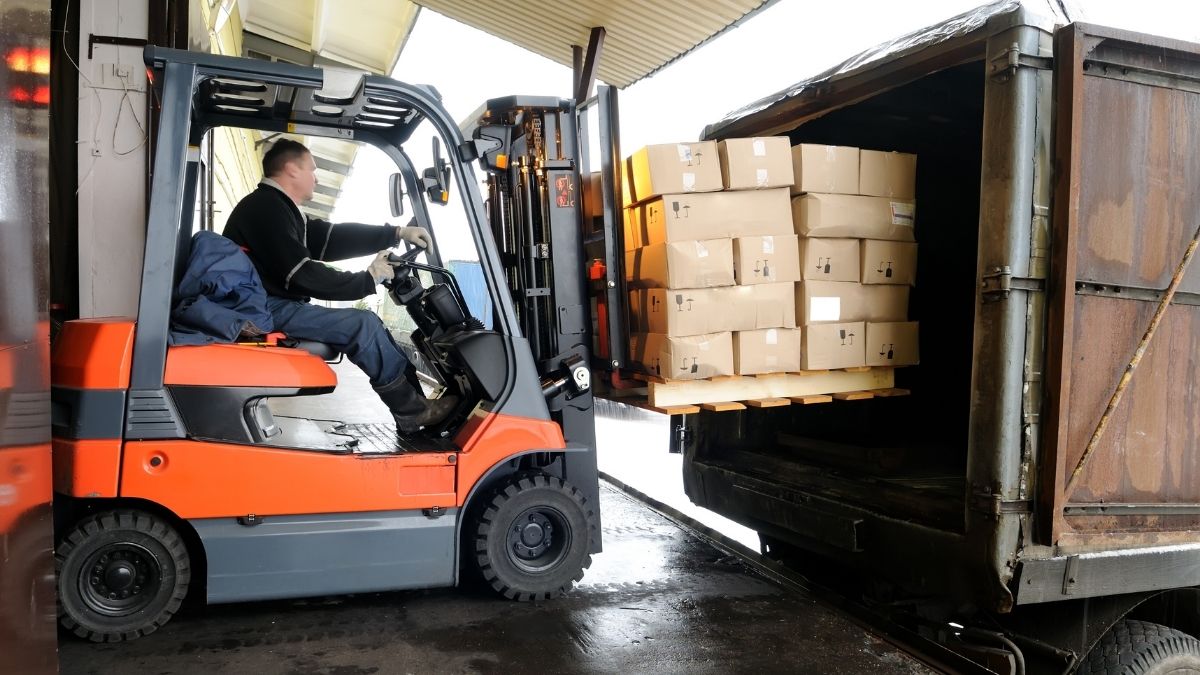
Shipping anything can be challenging. Insurance for haulage use and the carriage of own goods, government regulations, fuel prices, and loading equipment are all things that you need to consider. Then add to that heavy equipment? That just adds to the challenges. But by preparing equipment properly, you can avoid transit damage. Our tips tell you how.
If you’ve ever sent someone a gift for their birthday, you know that shipping can be complicated. You must choose a service, find the right box, and package it. Even then, it still may get broken in transit. So how much more challenging is it to ship a 45-ton excavator to a new site? You must ensure that the export documentation is in place, especially if the shipment is international, in order to avoid being held up by customs authorities. This is only the tip of the iceberg in terms of all the paperwork that needs to be done. Read further to know more about how to prepare for these shipments.
Even though transporting machinery can be a logistical nightmare, that doesn’t mean it’s impossible to do it safely. Moving big machinery doesn’t always require large equipment. For instance, the Large Equipment Moving Skates are a good example of machinery movers that is not very difficult to use. It’s all a matter of preparation, and our tips for preparing heavy equipment for shipping can help you.
Select a Trailer
Selecting a trailer for your heavy equipment is the equivalent of choosing a box for your package. The size and type of package will determine how you prepare the contents. The type of trailer will determine how you prepare your heavy equipment for shipping.
When choosing a trailer, you have to consider the size and weight of the equipment you’re shipping, as well as any necessary ramps to get into the trailer. A few options include:
- Step-deck trailer
- Travel axle trailer
- Goose-neck trailers
- Low-bed trailers
- Tilt trailers
Also, keep in mind that the vehicle hauling the trailer must suit the trailer’s size and shape.
Perform an Inspection
Establishing the condition of the equipment allows you to identify any damage that occurs during shipping. For instance, forklift forks are incredibly sturdy. However, if they bend even a small amount, they may need to be replaced. Before shipping them, carefully determine whether they’re parallel and write detailed notes about any damage. Taking photos is also a good way to document any issues for comparison.
Have an Experienced Operator On-Site
Any equipment operator will tell you that driving a bulldozer is different from driving a truck. If you just bring anyone along to drive your machines onto their trailers, it increases the chance of damage. An experienced operator will also offer valuable insights into how to best break down machinery for transport, if needed.








 Deering Estate
 Massage Envy South Miami
 Calla Blow Dry
 My Derma Clinic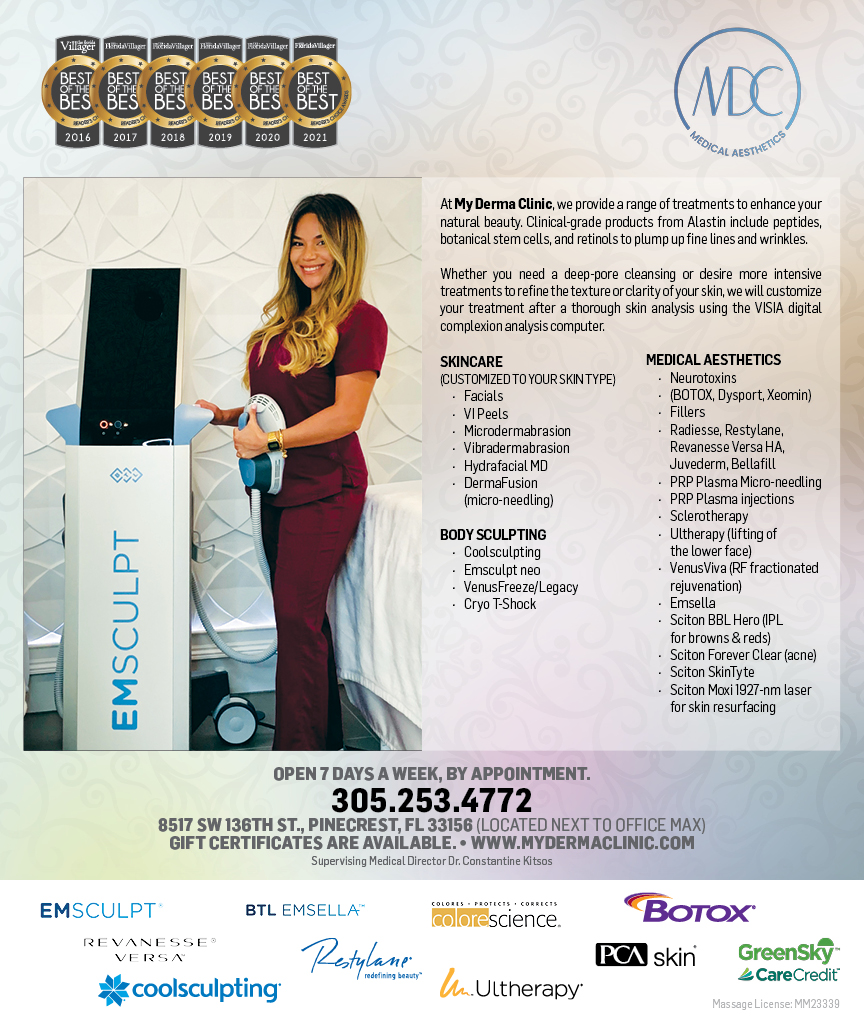
 Sports Grill
 The Healthy Kitchen
 Sushi Maki
 Golden Rule Seafood
 Malanga Cuban Café


 Kathleen Ballard
 Panter, Panter & Sampedro
 Vintage Liquors
 The Dog from Ipanema
 Rubinstein Family Chiropractic
 Your Pet’s Best
 Indigo Republic
 Animal Health and Rehab
 Maurice’s Jewelers
 ATR Luxury Homes


 2112 Design Studio
 Hamilton Fox & Company
 Creative Design Services
 Best Pest Professionals
 HD Tree Services
 Trinity Air Conditioning Company
 Cisca Construction & Development
 Mosquito Joe
 Cutler Bay Solar Solutions


 Miami Royal Ballet & Dance
 Christopher Columbus
 Pineview Preschools
 Westminster
 Carrollton
 Lil’ Jungle
 Frost Science Museum
 Palmer Trinity School
 South Florida Music
 Pinecrest Orthodontics
 Dr. Bob Pediatric Dentist
 d.pediatrics


 South Miami Women’s Health
 Endodontix Dental Group
 The Spot Barbershop
 My Derma Clinic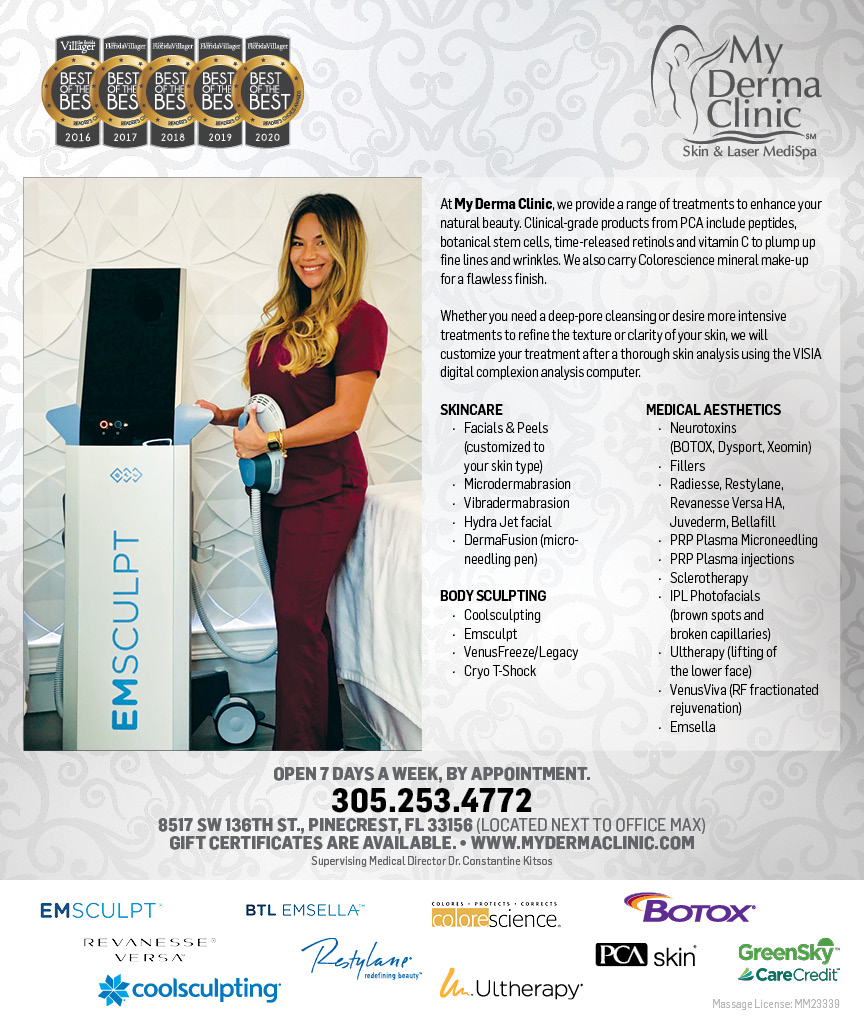




 Miami Dance Project

 Rubinstein Family Chiropractic
 Indigo Republic

 Safes Universe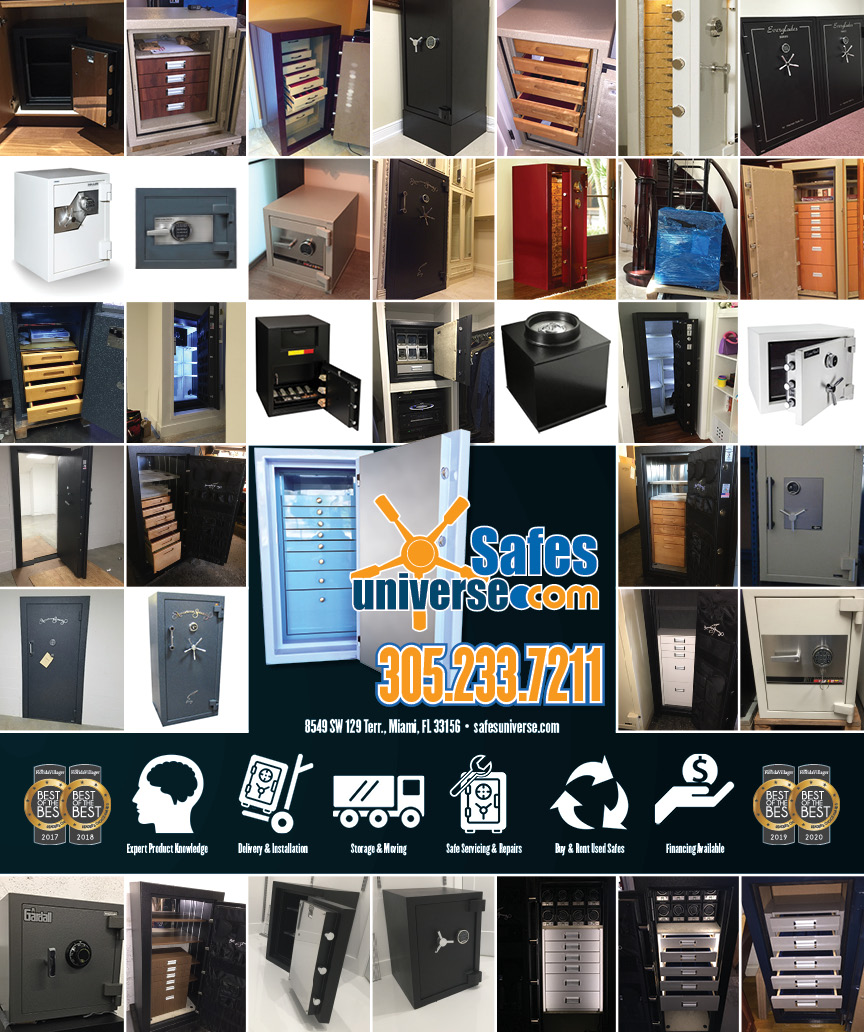
 Vintage Liquors
 Evenings Delight





 Atchana’s Homegrown Thai
 Baptist Health South Florida

 Laser Eye Center of Miami
 Visiting Angels
 OpusCare of South Florida



 Your Pet’s Best

 HD Tree Services
 Hamilton Fox & Company

 Creative Design Services