A peaceful drive can turn stressful in seconds. One driver cuts across three lanes without a signal, another follows too closely, and suddenly, a routine trip feels like a test of patience. Traffic frustrations are part of life, but your response to those moments can shape the entire experience.
Adopting easy ways to avoid aggressive driving habits can protect your peace of mind and create a safer environment for everyone on the road. You don’t need to transform your personality or become an unusually patient person overnight. Start with the tips below, and give yourself room to develop better habits with each trip.
Recognize What Triggers Your Frustration
Everyone has certain situations that test their patience behind the wheel. Perhaps slow drivers in the left lane bother you, or you become irritated when someone merges without enough space. Those frustrations may seem minor individually, but several unpleasant encounters can quickly affect your mood. Recognizing your personal triggers gives you an opportunity to respond differently before emotions take control.
Pay attention to how you react during your daily commute. A tense grip on the wheel, frequent horn use, or the urge to accelerate past another vehicle can reveal frustration before you consciously acknowledge it. Once you notice those reactions, relax your shoulders and ease your grip. A small physical adjustment can help interrupt an emotional response.
Give Yourself More Time To Reach Your Destination
Few situations create road frustration faster than the fear of arriving late. Every red light feels longer, slow traffic becomes unbearable, and even minor delays can seem personal. That pressure may tempt you to speed, follow other vehicles too closely, or attempt unsafe lane changes. A little extra time before departure can prevent much of that frustration.
Try to leave ten or fifteen minutes earlier than usual, especially during rush hour. Check traffic conditions before you depart and select a reasonable route based on current road conditions. You’ll have more flexibility if construction, an accident, or unexpected congestion delays your trip. Arriving a few minutes early is far more pleasant than spending the entire drive frustrated.
Maintain a Comfortable Distance From Other Vehicles
Tailgating creates unnecessary tension for everyone involved. The driver ahead may feel pressured, and you have less time to react if traffic suddenly slows. Even an ordinary brake application can become stressful when the distance between vehicles is too short. Giving yourself adequate space encourages a calmer pace and reduces the temptation to react impulsively.
Use the three-second rule as a starting point under favorable conditions. Choose a stationary roadside object and count the seconds between the vehicle ahead passing it and your vehicle reaching the same location. Increase that interval during rain, snow, poor visibility, or other difficult conditions. More distance gives you time to assess traffic without feeling rushed.
Stop Treating Traffic Like a Competition
It’s surprisingly easy to develop a competitive attitude behind the wheel. Someone passes you, and you feel tempted to accelerate. Another driver enters your lane, and you instinctively want to reclaim the space. These reactions can turn ordinary traffic interactions into unnecessary confrontations.
Remember that the road isn’t a place to prove a point. Allow other motorists to merge, accept that some vehicles will travel faster than yours, and resist the urge to retaliate after an inconsiderate maneuver. You don’t lose anything by allowing another car to move ahead. Having a cooperative attitude can make your entire commute more predictable.
Let Minor Mistakes Pass Without a Reaction
Not every frustrating maneuver comes from an aggressive driver. Someone may miss a turn, misunderstand a lane configuration, or fail to notice another vehicle nearby. Although these mistakes deserve caution, they don’t automatically justify an angry response. Give other motorists the same patience you’d appreciate after an honest mistake.
Create a More Relaxed Atmosphere Inside Your Car
Your vehicle’s interior can influence your mood more than you might expect. Loud music, uncomfortable temperatures, and constant phone notifications can contribute to mental fatigue. Add heavy traffic to that environment, and your patience may disappear faster than usual. Choose music, podcasts, or audiobooks that help you remain relaxed without distracting you from traffic. Set the cabin temperature before departure and silence unnecessary notifications. Keep the driver’s area organized so loose items don’t create additional distractions.
Even maintenance and repairs impact your driving experience. There are many reasons that proper sealing matters for 2-cavity connectors, each of which impacts the overall driving experience. A comfortable environment won’t eliminate difficult motorists, but it can improve your response to them.
Avoid Confrontations With Aggressive Drivers
Some motorists will behave recklessly regardless of how respectfully you drive. They may honk excessively, follow too closely, make hostile gestures, or attempt to provoke a reaction. Responding with similar behavior can escalate an unpleasant encounter into a dangerous situation. Your priority should remain a safe arrival, not an argument with a stranger.
Avoid prolonged eye contact, hostile gestures, and deliberate attempts to block another vehicle. If someone follows aggressively, maintain a safe speed and allow them to pass when conditions permit. Don’t stop to confront the person or drive home if you believe you’re being pursued. Instead, head toward a staffed public location or police station and contact emergency services if you feel threatened.
Take Breaks When Stress Becomes Overwhelming
Sometimes, frustration has very little to do with traffic itself. A difficult workday, personal concerns, or poor sleep can leave you with less patience than usual. Under those circumstances, even a routine commute can feel exhausting. Recognizing your emotional state before departure can help you avoid unnecessary conflict.
If you’re particularly upset, give yourself a few minutes to settle before you drive. During a longer trip, stop somewhere safe if you notice fatigue or frustration affecting your concentration. Stretch your legs, drink some water, and return to the road once you feel composed. There’s no benefit to pushing through a stressful drive when a short break could help.
Make Every Drive a More Pleasant Experience
Developing easy ways to avoid aggressive driving habits doesn’t require complicated techniques or major lifestyle changes. Allow extra travel time, maintain adequate space, and remind yourself that another motorist’s behavior doesn’t have to dictate your mood. These adjustments can help you feel more confident and comfortable during everyday trips. Start with one or two habits during your next drive, then gradually incorporate the others into your routine.







 Deering Estate

 Massage Envy South Miami

 Calla Blow Dry

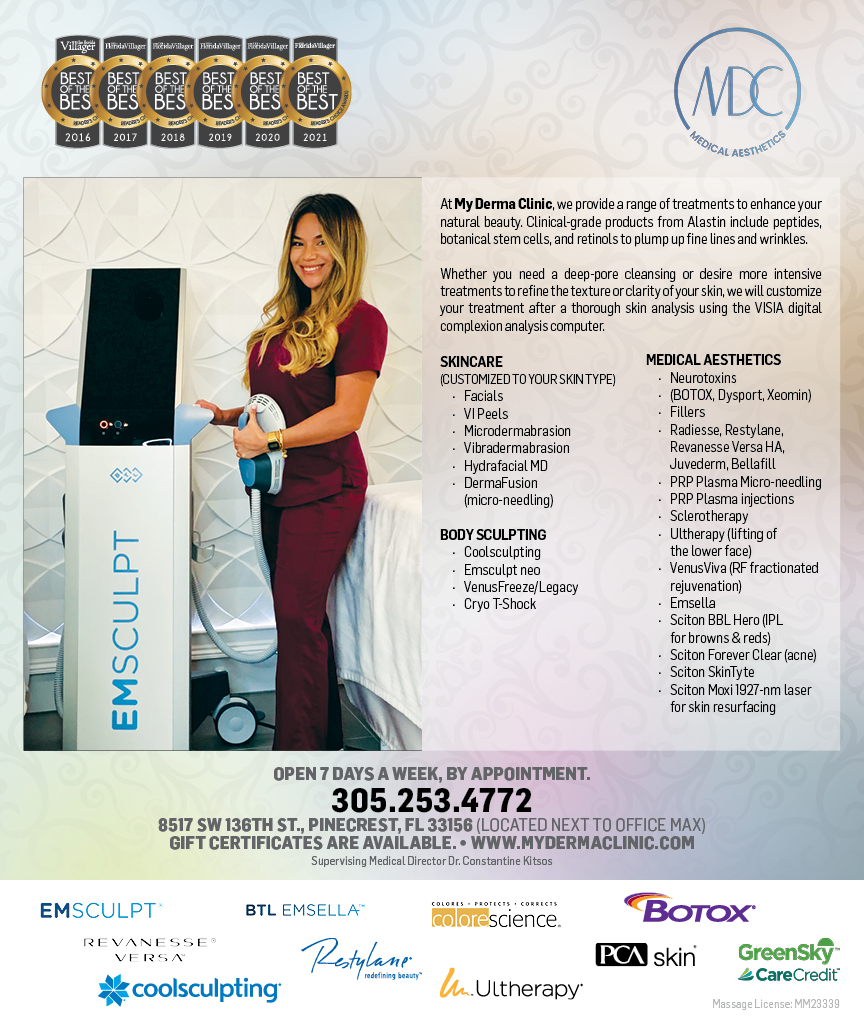
 My Derma Clinic
 Sports Grill

 The Healthy Kitchen

 Sushi Maki

 Golden Rule Seafood

 Malanga Cuban Café



 Kathleen Ballard

 Panter, Panter & Sampedro

 Vintage Liquors

 The Dog from Ipanema

 Rubinstein Family Chiropractic

 Your Pet’s Best

 Indigo Republic

 Animal Health and Rehab

 Maurice’s Jewelers

 ATR Luxury Homes



 2112 Design Studio

 Hamilton Fox & Company

 Creative Design Services

 Best Pest Professionals

 HD Tree Services

 Trinity Air Conditioning Company

 Cisca Construction & Development

 Mosquito Joe

 Cutler Bay Solar Solutions



 Miami Royal Ballet & Dance

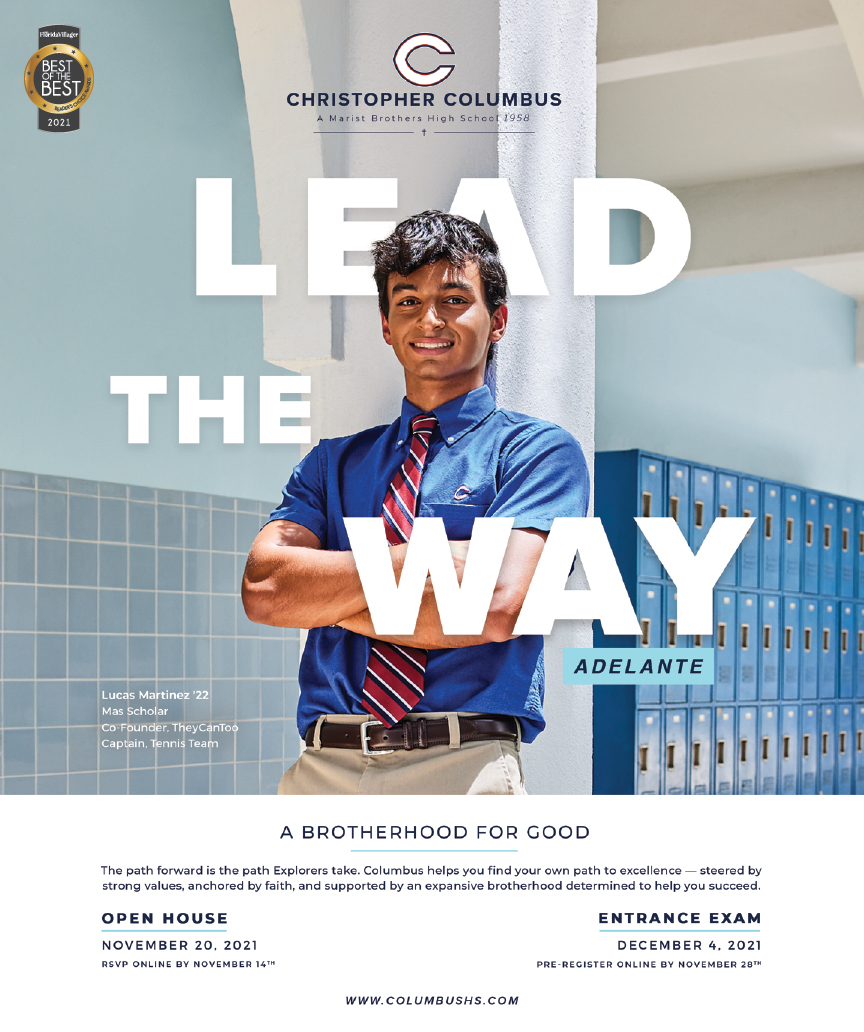
 Christopher Columbus
 Pineview Preschools

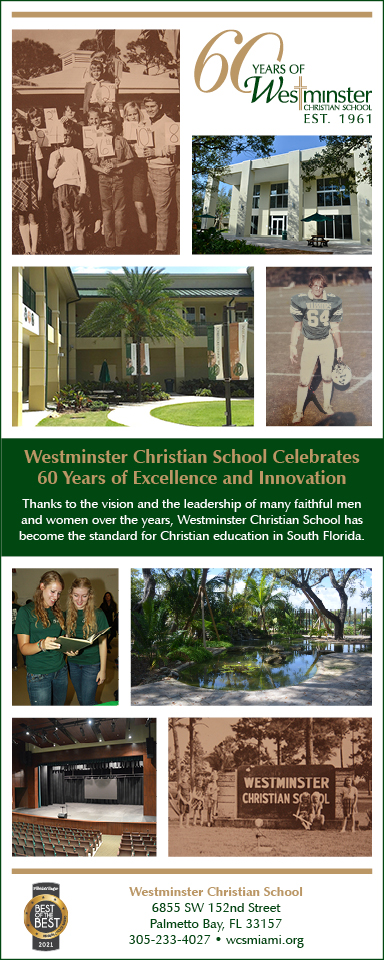
 Westminster
 Carrollton

 Lil’ Jungle

 Frost Science Museum

 Palmer Trinity School

 South Florida Music

 Pinecrest Orthodontics

 Dr. Bob Pediatric Dentist

 d.pediatrics



 South Miami Women’s Health

 Endodontix Dental Group

 The Spot Barbershop

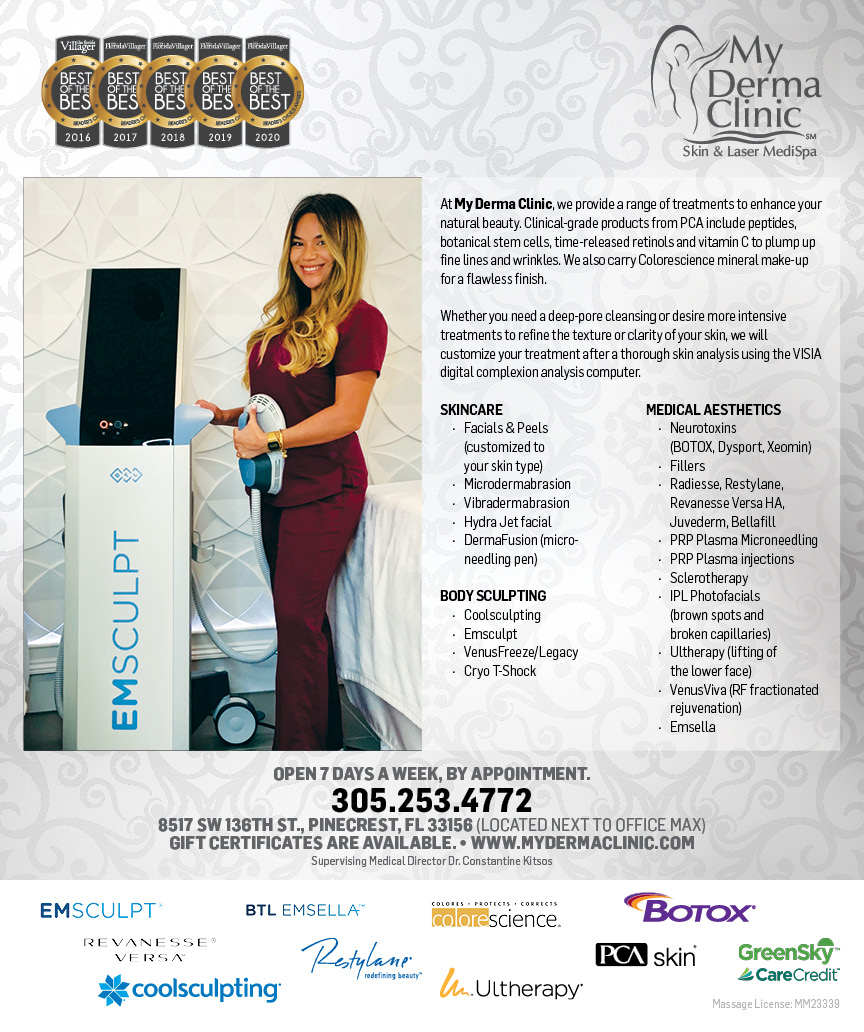
 My Derma Clinic




 Miami Dance Project


 Rubinstein Family Chiropractic

 Indigo Republic


 Safes Universe

 Vintage Liquors

 Evenings Delight






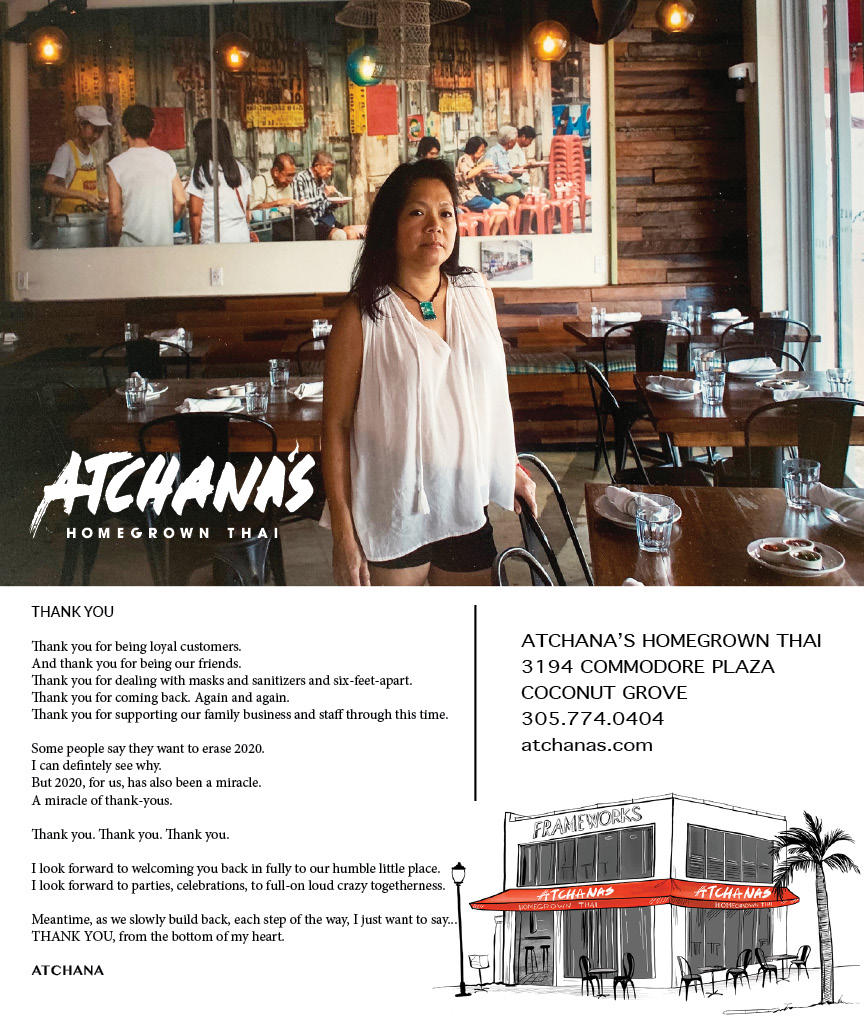
 Atchana’s Homegrown Thai
 Baptist Health South Florida


 Laser Eye Center of Miami

 Visiting Angels

 OpusCare of South Florida




 Your Pet’s Best


 HD Tree Services

 Hamilton Fox & Company


 Creative Design Services